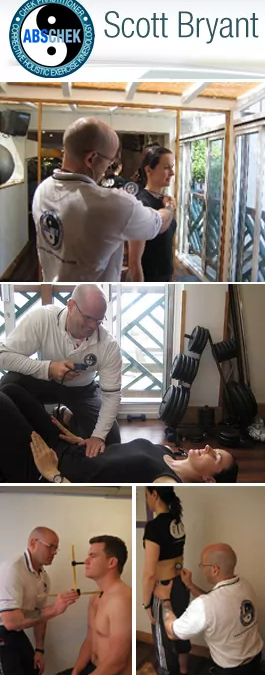
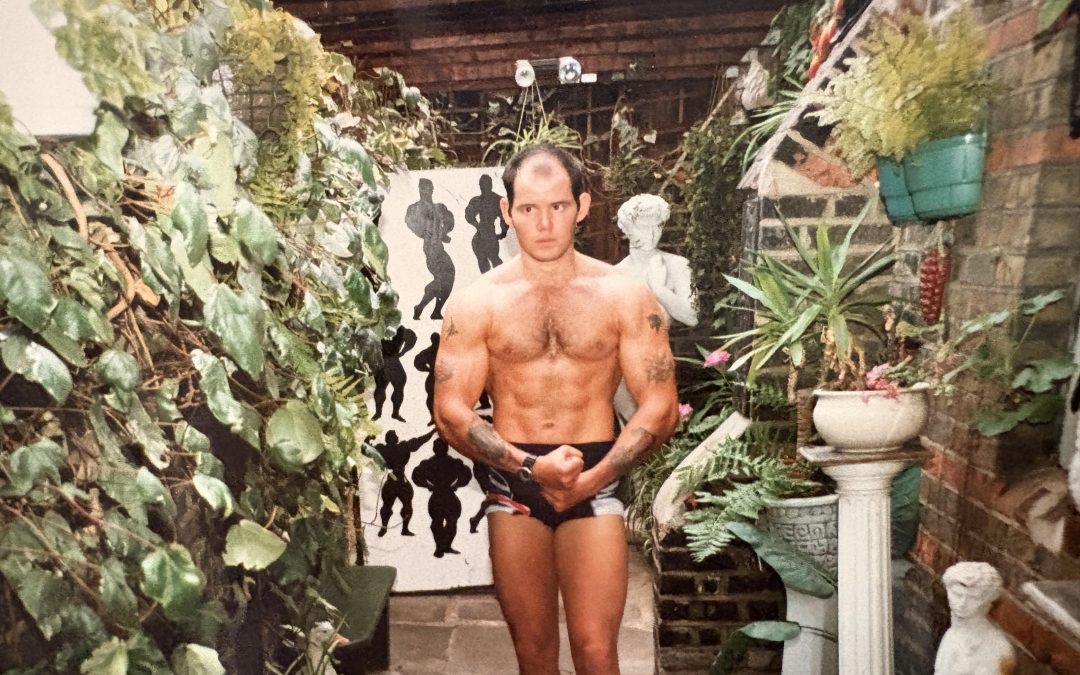
The Eighteen Administrative Attacks: How Corporate Entities Silence Independent Master C.H.E.K Practitioner Level 5 Scott Bryant CEO Of CHEK Institute Gavin Jenkins Jennings
When an independent professional achieves the highest possible credentials within an organisation, the expectation is mutual respect and professional collaboration. However, when structural failures and technical discrepancies are brought to light, corporate mechanisms often shift from support to active suppression.
Posted on Google
Carly Foot
Trustindex verifies that the original source of the review is Google.
I can’t put into words how grateful I am. When I first came to you, I felt stuck, heavy, and unsure if I’d ever feel like myself again. You didn’t just help me with my healing — you held space for me, listened without judgment, and guided me with such kindness and care. Slowly, day by day, I started to feel lighter, stronger, and more at peace. You have truly helped heal parts of me I thought were broken forever. Thank you for your gift, your patience, and for being exactly what I needed. I recommend you to anyone looking for real, gentle, and meaningful support. Thank you again Scott 😃
Posted on Google
Bada Oluwaseyi Micheal
Trustindex verifies that the original source of the review is Google.
I’ve been training with Scott Bryant for a few months, and the results have been amazing! He’s incredibly knowledgeable, tailors workouts to my goals, and keeps every session challenging but fun. His guidance on nutrition and strength training is top-notch. If you’re looking for a professional personal trainer in London who actually gets results, I highly recommend Scott!
Posted on Google
Roberto Viel
Trustindex verifies that the original source of the review is Google.
I have know Scott for many years and he has been my personal fitness trainer. I admire his dedication, knowledge and commitment. With his guidance and teaching I have improved my posture, my fitness and gained better muscles definition, without any injuries.
I like his holistic approach to fitness.
I highly recommend Scott
Posted on Google
Francis Yemoh
Trustindex verifies that the original source of the review is Google.
Highly recommended – professional, holistic and deeply insightful
Scott is a rare kind of practitioner, combining deep expertise in posture correction and movement with a genuinely holistic approach that considers physical, emotional, and energetic wellbeing.
I came to him for support with chronic postural imbalances and muscular tension, and left with a much clearer understanding of the root causes, plus a practical path forward. His insights into diet, stress, and lifestyle were equally valuable.
Scott is generous with his knowledge, honest in his guidance, and clearly committed to long-term results. I’m looking forward to working with him again in the future as my circumstances and journey evolve.
If you’re ready to take ownership of your health and want someone who can support the process from multiple angles, Scott is a powerful ally.
Posted on Google
Asmeninis Treneris Karolis
Trustindex verifies that the original source of the review is Google.
This is a true holistic coach and most importantly a true person, who is more than just a trainer, but a compassionate friend.
Posted on Google
Jonne Tanskanen
Trustindex verifies that the original source of the review is Google.
Superbly insightful and inspiring personality, very grateful for Scott’s openness in sharing his vast knowledge and expertise. Would highly recommend Scott’s services for anybody who is serious about improving their health and vitality.
Posted on Google
Nisha Srivastava
Trustindex verifies that the original source of the review is Google.
"My partner bought Scotts book for me. A little gem of a treasure that can fit in any woman's handbag. Some key information especially for women, menopause and training. Scott is truly passionate about what he does and I can see form his clients testimonials that his training and coaching definitely works. "
Posted on Google
Yalçın Aksu
Trustindex verifies that the original source of the review is Google.
I have experienced a real transformation with Scott. His technical approaches, combined with great performance training and targeted posture correction, have relieved my chronic back pain. Personalized sessions and expert guidance provide guaranteed solutions. Highly recommended to anyone looking to improve their fitness in a great environment!
Posted on Google
P L
Trustindex verifies that the original source of the review is Google.
River of knowledge this guy has, within the first 15 mins of talking to Scott he was able to ascertain my back pain along with liftsyle challenges. Having spent thousands of pounds for the last 27 years he was already treating me and advising. A Genuine practitioner who purely wants people to get back to better health. Got my back to peak health.
As the first Level 5 Master Practitioner in this country, having dedicated six years to mastering this system from 2003 and investing over £40,000, I am documenting the exact seven-stage administrative campaign used against me when I requested transparency regarding my hidden directory profile and blocked client traffic.
1. The Strategy of Technical Stonewalling
The initial response to a legitimate inquiry regarding website profile redirection is almost always administrative delay. When faced with clear evidence that a professional profile is looping back to the homepage—effectively diverting potential clients—management claimed a basic directory website fix would require three full months to resolve.
2. The Free Course Inversion (The Compliance Bribe)
When technical delays fail to deter an inquiry, corporations often attempt to replace contractual obligations with free perks. In this instance, senior faculty members offered full access to new training courses completely for FREE. This was not a gesture of goodwill; it was a transparent attempt to secure silence and avoid fixing the underlying directory sabotage that was actively suppressing my business.
3. Administrative Red Tape & Bureaucratic Loops
Rather than addressing a clear breach of service, the institute deployed layers of bureaucratic red tape. This included intentionally complicated administrative demands designed to overwhelm. This process deliberately weaponized complex procedures against my dyslexia, providing absolutely zero accessibility adjustments or professional compliance support.
4. The Threat of Legal Escalation
When an independent practitioner refuses to be silenced by administrative loops, the corporate tone shifts from bureaucratic to hostile. Two distinct faculty members issued direct threats of legal action, warning that presenting the factual truth of these directory discrepancies would result in severe legal retaliation against my career.
5. Statutory Data Denial (The GDPR Breach)
To uncover the full timeline of this back-dated profile blocking, a formal Subject Access Request (SAR) was legally submitted. This request explicitly demanded all internal communications dating back to 2013 involving Paul Chek, Penny Crozier, Gavin Jennings, Matt Wallden, and Phil Loizides. The institute completely denied this statutory right, leading to an active, ongoing investigation by official data protection authorities.
6. Exploitative Financial Ultimatums
The institutional barrier to becoming recognized corporate faculty was tied to a direct demand for five weeks of completely unpaid labour. For an independent professional, complying with this exploitative requirement would require two full years of business operations just to recover the lost revenue, effectively locking out anyone unwilling to work for free.
7. Weaponizing External Authorities (The Police Threats)
The final attack involved direct attempts to involve external authorities. Gavin Jennings and his administration team issued formal threats of police intervention simply because I published factual video evidence of their corporate conduct. Rather than upholding a valid consumer complaint or delivering the data requested under GDPR, they attempted to use law enforcement as a tool for corporate censorship.
Posted on Google
Carly Foot
Trustindex verifies that the original source of the review is Google.
I can’t put into words how grateful I am. When I first came to you, I felt stuck, heavy, and unsure if I’d ever feel like myself again. You didn’t just help me with my healing — you held space for me, listened without judgment, and guided me with such kindness and care. Slowly, day by day, I started to feel lighter, stronger, and more at peace. You have truly helped heal parts of me I thought were broken forever. Thank you for your gift, your patience, and for being exactly what I needed. I recommend you to anyone looking for real, gentle, and meaningful support. Thank you again Scott 😃
Posted on Google
Bada Oluwaseyi Micheal
Trustindex verifies that the original source of the review is Google.
I’ve been training with Scott Bryant for a few months, and the results have been amazing! He’s incredibly knowledgeable, tailors workouts to my goals, and keeps every session challenging but fun. His guidance on nutrition and strength training is top-notch. If you’re looking for a professional personal trainer in London who actually gets results, I highly recommend Scott!
Posted on Google
Roberto Viel
Trustindex verifies that the original source of the review is Google.
I have know Scott for many years and he has been my personal fitness trainer. I admire his dedication, knowledge and commitment. With his guidance and teaching I have improved my posture, my fitness and gained better muscles definition, without any injuries.
I like his holistic approach to fitness.
I highly recommend Scott
Posted on Google
Francis Yemoh
Trustindex verifies that the original source of the review is Google.
Highly recommended – professional, holistic and deeply insightful
Scott is a rare kind of practitioner, combining deep expertise in posture correction and movement with a genuinely holistic approach that considers physical, emotional, and energetic wellbeing.
I came to him for support with chronic postural imbalances and muscular tension, and left with a much clearer understanding of the root causes, plus a practical path forward. His insights into diet, stress, and lifestyle were equally valuable.
Scott is generous with his knowledge, honest in his guidance, and clearly committed to long-term results. I’m looking forward to working with him again in the future as my circumstances and journey evolve.
If you’re ready to take ownership of your health and want someone who can support the process from multiple angles, Scott is a powerful ally.
Posted on Google
Asmeninis Treneris Karolis
Trustindex verifies that the original source of the review is Google.
This is a true holistic coach and most importantly a true person, who is more than just a trainer, but a compassionate friend.
Posted on Google
Jonne Tanskanen
Trustindex verifies that the original source of the review is Google.
Superbly insightful and inspiring personality, very grateful for Scott’s openness in sharing his vast knowledge and expertise. Would highly recommend Scott’s services for anybody who is serious about improving their health and vitality.
Posted on Google
Nisha Srivastava
Trustindex verifies that the original source of the review is Google.
"My partner bought Scotts book for me. A little gem of a treasure that can fit in any woman's handbag. Some key information especially for women, menopause and training. Scott is truly passionate about what he does and I can see form his clients testimonials that his training and coaching definitely works. "
Posted on Google
Yalçın Aksu
Trustindex verifies that the original source of the review is Google.
I have experienced a real transformation with Scott. His technical approaches, combined with great performance training and targeted posture correction, have relieved my chronic back pain. Personalized sessions and expert guidance provide guaranteed solutions. Highly recommended to anyone looking to improve their fitness in a great environment!
Posted on Google
P L
Trustindex verifies that the original source of the review is Google.
River of knowledge this guy has, within the first 15 mins of talking to Scott he was able to ascertain my back pain along with liftsyle challenges. Having spent thousands of pounds for the last 27 years he was already treating me and advising. A Genuine practitioner who purely wants people to get back to better health. Got my back to peak health.
The Reality Prospective Students Must Know
A multi-million-pound educational institute should be judged by how it treats its highest-qualified graduates. When an organization relies on administrative attacks, silence bribes, and empty legal threats to manage its network, the value of the qualification drops to zero. Prospective students must look past the global marketing funnels and analyze the verifiable corporate conduct before investing £11,595 into an unrecognised system.
What Is the Difference Between C.H.E.K Practitioner Levels?
The training pathway is long, demanding, and requires years of rigorous clinical study. Unfortunately, public directories often lump everyone together, leaving consumers completely confused:
Levels 1 & 2: Entry-level practitioners who have completed foundational modules in corrective exercise and lifestyle coaching.
Levels 3 & 4: Mid-tier coaches dealing with advanced program design, spinal rehabilitation, and more complex chronic dysfunctions.
Master Level 5 Practitioner: The absolute pinnacle of the system. This requires over six years of advanced multi-disciplinary study, covering deep-tissue biomechanics, functional diagnostic nutrition, and elite-level program design.
Hiring a Level 1 trainer expecting Level 5 results is one of the biggest hidden traps in the commercial fitness industry today.
Posted on Google
Carly Foot
Trustindex verifies that the original source of the review is Google.
I can’t put into words how grateful I am. When I first came to you, I felt stuck, heavy, and unsure if I’d ever feel like myself again. You didn’t just help me with my healing — you held space for me, listened without judgment, and guided me with such kindness and care. Slowly, day by day, I started to feel lighter, stronger, and more at peace. You have truly helped heal parts of me I thought were broken forever. Thank you for your gift, your patience, and for being exactly what I needed. I recommend you to anyone looking for real, gentle, and meaningful support. Thank you again Scott 😃
Posted on Google
Bada Oluwaseyi Micheal
Trustindex verifies that the original source of the review is Google.
I’ve been training with Scott Bryant for a few months, and the results have been amazing! He’s incredibly knowledgeable, tailors workouts to my goals, and keeps every session challenging but fun. His guidance on nutrition and strength training is top-notch. If you’re looking for a professional personal trainer in London who actually gets results, I highly recommend Scott!
Posted on Google
Roberto Viel
Trustindex verifies that the original source of the review is Google.
I have know Scott for many years and he has been my personal fitness trainer. I admire his dedication, knowledge and commitment. With his guidance and teaching I have improved my posture, my fitness and gained better muscles definition, without any injuries.
I like his holistic approach to fitness.
I highly recommend Scott
Posted on Google
Francis Yemoh
Trustindex verifies that the original source of the review is Google.
Highly recommended – professional, holistic and deeply insightful
Scott is a rare kind of practitioner, combining deep expertise in posture correction and movement with a genuinely holistic approach that considers physical, emotional, and energetic wellbeing.
I came to him for support with chronic postural imbalances and muscular tension, and left with a much clearer understanding of the root causes, plus a practical path forward. His insights into diet, stress, and lifestyle were equally valuable.
Scott is generous with his knowledge, honest in his guidance, and clearly committed to long-term results. I’m looking forward to working with him again in the future as my circumstances and journey evolve.
If you’re ready to take ownership of your health and want someone who can support the process from multiple angles, Scott is a powerful ally.
Posted on Google
Asmeninis Treneris Karolis
Trustindex verifies that the original source of the review is Google.
This is a true holistic coach and most importantly a true person, who is more than just a trainer, but a compassionate friend.
Posted on Google
Jonne Tanskanen
Trustindex verifies that the original source of the review is Google.
Superbly insightful and inspiring personality, very grateful for Scott’s openness in sharing his vast knowledge and expertise. Would highly recommend Scott’s services for anybody who is serious about improving their health and vitality.
Posted on Google
Nisha Srivastava
Trustindex verifies that the original source of the review is Google.
"My partner bought Scotts book for me. A little gem of a treasure that can fit in any woman's handbag. Some key information especially for women, menopause and training. Scott is truly passionate about what he does and I can see form his clients testimonials that his training and coaching definitely works. "
Posted on Google
Yalçın Aksu
Trustindex verifies that the original source of the review is Google.
I have experienced a real transformation with Scott. His technical approaches, combined with great performance training and targeted posture correction, have relieved my chronic back pain. Personalized sessions and expert guidance provide guaranteed solutions. Highly recommended to anyone looking to improve their fitness in a great environment!
Posted on Google
P L
Trustindex verifies that the original source of the review is Google.
River of knowledge this guy has, within the first 15 mins of talking to Scott he was able to ascertain my back pain along with liftsyle challenges. Having spent thousands of pounds for the last 27 years he was already treating me and advising. A Genuine practitioner who purely wants people to get back to better health. Got my back to peak health.
Why Online Directories Fail to Regulate Local Trainers
Many global training institutes fall short when managing their own public directories. A quick search reveals unverified profiles, incomplete modules marketed as full certifications, and lower-tier trainers sitting at the top of lists due to administrative technicalities rather than real expertise.
When directories fail to self-regulate, unqualified profiles slip through the cracks. For elite athletes, footballers, and busy professionals seeking a PersonalTrainer inBattersea or Central London, relying solely on an unmonitored directory map can easily route you toward sub-par coaching.
True expertise cannot be faked or manipulated by algorithms. If you want to cut through the confusion, look for these three definitive pillars:
35+ Years of Physical Proof: A genuine master practitioner doesn’t just hold paper; they live the work and have decades of hands-on client transformations to show for it.
Unfiltered Consumer Reviews: Check for transparent, public review history (such as a profile holding 175 review on website google 39+ consistent 5-star ratings) that proves long-term clinical success.
Posted on Google
Carly Foot
Trustindex verifies that the original source of the review is Google.
I can’t put into words how grateful I am. When I first came to you, I felt stuck, heavy, and unsure if I’d ever feel like myself again. You didn’t just help me with my healing — you held space for me, listened without judgment, and guided me with such kindness and care. Slowly, day by day, I started to feel lighter, stronger, and more at peace. You have truly helped heal parts of me I thought were broken forever. Thank you for your gift, your patience, and for being exactly what I needed. I recommend you to anyone looking for real, gentle, and meaningful support. Thank you again Scott 😃
Posted on Google
Bada Oluwaseyi Micheal
Trustindex verifies that the original source of the review is Google.
I’ve been training with Scott Bryant for a few months, and the results have been amazing! He’s incredibly knowledgeable, tailors workouts to my goals, and keeps every session challenging but fun. His guidance on nutrition and strength training is top-notch. If you’re looking for a professional personal trainer in London who actually gets results, I highly recommend Scott!
Posted on Google
Roberto Viel
Trustindex verifies that the original source of the review is Google.
I have know Scott for many years and he has been my personal fitness trainer. I admire his dedication, knowledge and commitment. With his guidance and teaching I have improved my posture, my fitness and gained better muscles definition, without any injuries.
I like his holistic approach to fitness.
I highly recommend Scott
Posted on Google
Francis Yemoh
Trustindex verifies that the original source of the review is Google.
Highly recommended – professional, holistic and deeply insightful
Scott is a rare kind of practitioner, combining deep expertise in posture correction and movement with a genuinely holistic approach that considers physical, emotional, and energetic wellbeing.
I came to him for support with chronic postural imbalances and muscular tension, and left with a much clearer understanding of the root causes, plus a practical path forward. His insights into diet, stress, and lifestyle were equally valuable.
Scott is generous with his knowledge, honest in his guidance, and clearly committed to long-term results. I’m looking forward to working with him again in the future as my circumstances and journey evolve.
If you’re ready to take ownership of your health and want someone who can support the process from multiple angles, Scott is a powerful ally.
Posted on Google
Asmeninis Treneris Karolis
Trustindex verifies that the original source of the review is Google.
This is a true holistic coach and most importantly a true person, who is more than just a trainer, but a compassionate friend.
Posted on Google
Jonne Tanskanen
Trustindex verifies that the original source of the review is Google.
Superbly insightful and inspiring personality, very grateful for Scott’s openness in sharing his vast knowledge and expertise. Would highly recommend Scott’s services for anybody who is serious about improving their health and vitality.
Posted on Google
Nisha Srivastava
Trustindex verifies that the original source of the review is Google.
"My partner bought Scotts book for me. A little gem of a treasure that can fit in any woman's handbag. Some key information especially for women, menopause and training. Scott is truly passionate about what he does and I can see form his clients testimonials that his training and coaching definitely works. "
Posted on Google
Yalçın Aksu
Trustindex verifies that the original source of the review is Google.
I have experienced a real transformation with Scott. His technical approaches, combined with great performance training and targeted posture correction, have relieved my chronic back pain. Personalized sessions and expert guidance provide guaranteed solutions. Highly recommended to anyone looking to improve their fitness in a great environment!
Posted on Google
P L
Trustindex verifies that the original source of the review is Google.
River of knowledge this guy has, within the first 15 mins of talking to Scott he was able to ascertain my back pain along with liftsyle challenges. Having spent thousands of pounds for the last 27 years he was already treating me and advising. A Genuine practitioner who purely wants people to get back to better health. Got my back to peak health.
Comprehensive Holistic Mastery: An elite specialist combines physical training with sports massage, metabolic typing, shamanic healing, and naturopathy to heal the body as one unified system.
The Hidden Cost of the CHEK PRACTITIONER CHEK Holistic Lifestyle Coach level 1
HLC Program:
I recently dropped a new video on my channel called “Don’t Push Me.”
No spoken words. Just me, my boxing gloves, my gym top, and a heavy track blasting out the core truth: Don’t mistake peace for weakness. I am holding the line.
Posted on Google
Carly Foot
Trustindex verifies that the original source of the review is Google.
I can’t put into words how grateful I am. When I first came to you, I felt stuck, heavy, and unsure if I’d ever feel like myself again. You didn’t just help me with my healing — you held space for me, listened without judgment, and guided me with such kindness and care. Slowly, day by day, I started to feel lighter, stronger, and more at peace. You have truly helped heal parts of me I thought were broken forever. Thank you for your gift, your patience, and for being exactly what I needed. I recommend you to anyone looking for real, gentle, and meaningful support. Thank you again Scott 😃
Posted on Google
Bada Oluwaseyi Micheal
Trustindex verifies that the original source of the review is Google.
I’ve been training with Scott Bryant for a few months, and the results have been amazing! He’s incredibly knowledgeable, tailors workouts to my goals, and keeps every session challenging but fun. His guidance on nutrition and strength training is top-notch. If you’re looking for a professional personal trainer in London who actually gets results, I highly recommend Scott!
Posted on Google
Roberto Viel
Trustindex verifies that the original source of the review is Google.
I have know Scott for many years and he has been my personal fitness trainer. I admire his dedication, knowledge and commitment. With his guidance and teaching I have improved my posture, my fitness and gained better muscles definition, without any injuries.
I like his holistic approach to fitness.
I highly recommend Scott
Posted on Google
Francis Yemoh
Trustindex verifies that the original source of the review is Google.
Highly recommended – professional, holistic and deeply insightful
Scott is a rare kind of practitioner, combining deep expertise in posture correction and movement with a genuinely holistic approach that considers physical, emotional, and energetic wellbeing.
I came to him for support with chronic postural imbalances and muscular tension, and left with a much clearer understanding of the root causes, plus a practical path forward. His insights into diet, stress, and lifestyle were equally valuable.
Scott is generous with his knowledge, honest in his guidance, and clearly committed to long-term results. I’m looking forward to working with him again in the future as my circumstances and journey evolve.
If you’re ready to take ownership of your health and want someone who can support the process from multiple angles, Scott is a powerful ally.
Posted on Google
Asmeninis Treneris Karolis
Trustindex verifies that the original source of the review is Google.
This is a true holistic coach and most importantly a true person, who is more than just a trainer, but a compassionate friend.
Posted on Google
Jonne Tanskanen
Trustindex verifies that the original source of the review is Google.
Superbly insightful and inspiring personality, very grateful for Scott’s openness in sharing his vast knowledge and expertise. Would highly recommend Scott’s services for anybody who is serious about improving their health and vitality.
Posted on Google
Nisha Srivastava
Trustindex verifies that the original source of the review is Google.
"My partner bought Scotts book for me. A little gem of a treasure that can fit in any woman's handbag. Some key information especially for women, menopause and training. Scott is truly passionate about what he does and I can see form his clients testimonials that his training and coaching definitely works. "
Posted on Google
Yalçın Aksu
Trustindex verifies that the original source of the review is Google.
I have experienced a real transformation with Scott. His technical approaches, combined with great performance training and targeted posture correction, have relieved my chronic back pain. Personalized sessions and expert guidance provide guaranteed solutions. Highly recommended to anyone looking to improve their fitness in a great environment!
Posted on Google
P L
Trustindex verifies that the original source of the review is Google.
River of knowledge this guy has, within the first 15 mins of talking to Scott he was able to ascertain my back pain along with liftsyle challenges. Having spent thousands of pounds for the last 27 years he was already treating me and advising. A Genuine practitioner who purely wants people to get back to better health. Got my back to peak health.
Why the intensity? Because after 35 years as an elite master-level strength, conditioning, and lifestyle coach, I am completely done watching the health and fitness industry exploit incoming practitioners. Multi-million-pound corporate entities are using aggressive marketing funnels to sell courses that drain your bank account without delivering real-world, government-recognised authority.
If you are looking at the Holistic Lifestyle Coach (HLC) program, it is time to look past the slick branding and evaluate the raw numbers.
The Reality of the HLC Program Cost
When you want to build a legitimate, long-term career as a coach or nutritionist, you face two very different pathways. One path leads to an officially regulated, licensed qualification. The other path takes you through an expensive, multi-tiered private corporate ecosystem.
When you break down the actual pricing structures, the contrast is stark:
The Online HLC Program: Stepping onto this track online will set you back £5,669.
The Advanced Add-Ons: If you combine these levels with private metabolic tracks like FDN or CMTA, the cost rapidly scales to £7,285 and £9,000.
The Multi-Tier Stack: To go all the way through their advanced coaching and functional tracks, you are looking at a grand total of £12,000.
And what do you get for that £12,000 investment? A certificate that carries zero official government recognition, state licensing, or university-equivalent educational accreditation in either England or America.
By comparison, you can secure a fully accredited, government-registered professional nutrition diploma—backed by official educational frameworks—for just £1,650.
Why I Am Standing My Ground
The high-ticket corporate schools use complex terminology to imply clinical or medical prestige. They convince you that you need “Level 1, Level 2, and Level 3” just to unlock basic information.
But as an elite practitioner who has earned everything the hard way through decades of real-world fights and client transformations, I know how the game is rigged. They force you to buy the course, and then they force you to pay out-of-pocket for private insurance companies just to simulate having a “recognised” qualification. If state or national public health regulations tighten tomorrow, a private corporate badge offers you zero legal protection. A government-registered diploma protects your legal right to practice.
I am holding the line for the next generation of trainers. Do not spend £12,000 on unaccredited corporate certificates when you can spend £1,650 to become an accredited, licensed professional.
Posted on Google
Carly Foot
Trustindex verifies that the original source of the review is Google.
I can’t put into words how grateful I am. When I first came to you, I felt stuck, heavy, and unsure if I’d ever feel like myself again. You didn’t just help me with my healing — you held space for me, listened without judgment, and guided me with such kindness and care. Slowly, day by day, I started to feel lighter, stronger, and more at peace. You have truly helped heal parts of me I thought were broken forever. Thank you for your gift, your patience, and for being exactly what I needed. I recommend you to anyone looking for real, gentle, and meaningful support. Thank you again Scott 😃
Posted on Google
Bada Oluwaseyi Micheal
Trustindex verifies that the original source of the review is Google.
I’ve been training with Scott Bryant for a few months, and the results have been amazing! He’s incredibly knowledgeable, tailors workouts to my goals, and keeps every session challenging but fun. His guidance on nutrition and strength training is top-notch. If you’re looking for a professional personal trainer in London who actually gets results, I highly recommend Scott!
Posted on Google
Roberto Viel
Trustindex verifies that the original source of the review is Google.
I have know Scott for many years and he has been my personal fitness trainer. I admire his dedication, knowledge and commitment. With his guidance and teaching I have improved my posture, my fitness and gained better muscles definition, without any injuries.
I like his holistic approach to fitness.
I highly recommend Scott
Posted on Google
Francis Yemoh
Trustindex verifies that the original source of the review is Google.
Highly recommended – professional, holistic and deeply insightful
Scott is a rare kind of practitioner, combining deep expertise in posture correction and movement with a genuinely holistic approach that considers physical, emotional, and energetic wellbeing.
I came to him for support with chronic postural imbalances and muscular tension, and left with a much clearer understanding of the root causes, plus a practical path forward. His insights into diet, stress, and lifestyle were equally valuable.
Scott is generous with his knowledge, honest in his guidance, and clearly committed to long-term results. I’m looking forward to working with him again in the future as my circumstances and journey evolve.
If you’re ready to take ownership of your health and want someone who can support the process from multiple angles, Scott is a powerful ally.
Posted on Google
Asmeninis Treneris Karolis
Trustindex verifies that the original source of the review is Google.
This is a true holistic coach and most importantly a true person, who is more than just a trainer, but a compassionate friend.
Posted on Google
Jonne Tanskanen
Trustindex verifies that the original source of the review is Google.
Superbly insightful and inspiring personality, very grateful for Scott’s openness in sharing his vast knowledge and expertise. Would highly recommend Scott’s services for anybody who is serious about improving their health and vitality.
Posted on Google
Nisha Srivastava
Trustindex verifies that the original source of the review is Google.
"My partner bought Scotts book for me. A little gem of a treasure that can fit in any woman's handbag. Some key information especially for women, menopause and training. Scott is truly passionate about what he does and I can see form his clients testimonials that his training and coaching definitely works. "
Posted on Google
Yalçın Aksu
Trustindex verifies that the original source of the review is Google.
I have experienced a real transformation with Scott. His technical approaches, combined with great performance training and targeted posture correction, have relieved my chronic back pain. Personalized sessions and expert guidance provide guaranteed solutions. Highly recommended to anyone looking to improve their fitness in a great environment!
Posted on Google
P L
Trustindex verifies that the original source of the review is Google.
River of knowledge this guy has, within the first 15 mins of talking to Scott he was able to ascertain my back pain along with liftsyle challenges. Having spent thousands of pounds for the last 27 years he was already treating me and advising. A Genuine practitioner who purely wants people to get back to better health. Got my back to peak health.
Read These Blogs to Uncover the Full Truth:
To see exactly how deep this corporate coaching funnel goes, explore my full breakdown series below:
Why is an Athlete? The Mechanics Truth About Sports Performance – What it actually takes to build elite sports performance based on 27 years of real strength and conditioning expertise—without the high-ticket fluff.
Why Pilates Manchester Fails Elite Athletes The Biomechanics Truth About Sports Performance
But if you are a true athlete training for peak performance, power, and long-term durability, you are completely wasting your time.
If you look around the modern fitness landscape, you will see high-profile football stars and elite athletes piling into Pilates studios, lying on sliding carriages, and stretching against spring resistance. It marketed as the ultimate holistic routine for core stability and injury rehabilitation.
But if you are a true athlete training for peak performance, power, and long-term durability, you are completely wasting your time.
Posted on Google
Carly Foot
Trustindex verifies that the original source of the review is Google.
I can’t put into words how grateful I am. When I first came to you, I felt stuck, heavy, and unsure if I’d ever feel like myself again. You didn’t just help me with my healing — you held space for me, listened without judgment, and guided me with such kindness and care. Slowly, day by day, I started to feel lighter, stronger, and more at peace. You have truly helped heal parts of me I thought were broken forever. Thank you for your gift, your patience, and for being exactly what I needed. I recommend you to anyone looking for real, gentle, and meaningful support. Thank you again Scott 😃
Posted on Google
Bada Oluwaseyi Micheal
Trustindex verifies that the original source of the review is Google.
I’ve been training with Scott Bryant for a few months, and the results have been amazing! He’s incredibly knowledgeable, tailors workouts to my goals, and keeps every session challenging but fun. His guidance on nutrition and strength training is top-notch. If you’re looking for a professional personal trainer in London who actually gets results, I highly recommend Scott!
Posted on Google
Roberto Viel
Trustindex verifies that the original source of the review is Google.
I have know Scott for many years and he has been my personal fitness trainer. I admire his dedication, knowledge and commitment. With his guidance and teaching I have improved my posture, my fitness and gained better muscles definition, without any injuries.
I like his holistic approach to fitness.
I highly recommend Scott
Posted on Google
Francis Yemoh
Trustindex verifies that the original source of the review is Google.
Highly recommended – professional, holistic and deeply insightful
Scott is a rare kind of practitioner, combining deep expertise in posture correction and movement with a genuinely holistic approach that considers physical, emotional, and energetic wellbeing.
I came to him for support with chronic postural imbalances and muscular tension, and left with a much clearer understanding of the root causes, plus a practical path forward. His insights into diet, stress, and lifestyle were equally valuable.
Scott is generous with his knowledge, honest in his guidance, and clearly committed to long-term results. I’m looking forward to working with him again in the future as my circumstances and journey evolve.
If you’re ready to take ownership of your health and want someone who can support the process from multiple angles, Scott is a powerful ally.
Posted on Google
Asmeninis Treneris Karolis
Trustindex verifies that the original source of the review is Google.
This is a true holistic coach and most importantly a true person, who is more than just a trainer, but a compassionate friend.
Posted on Google
Jonne Tanskanen
Trustindex verifies that the original source of the review is Google.
Superbly insightful and inspiring personality, very grateful for Scott’s openness in sharing his vast knowledge and expertise. Would highly recommend Scott’s services for anybody who is serious about improving their health and vitality.
Posted on Google
Nisha Srivastava
Trustindex verifies that the original source of the review is Google.
"My partner bought Scotts book for me. A little gem of a treasure that can fit in any woman's handbag. Some key information especially for women, menopause and training. Scott is truly passionate about what he does and I can see form his clients testimonials that his training and coaching definitely works. "
Posted on Google
Yalçın Aksu
Trustindex verifies that the original source of the review is Google.
I have experienced a real transformation with Scott. His technical approaches, combined with great performance training and targeted posture correction, have relieved my chronic back pain. Personalized sessions and expert guidance provide guaranteed solutions. Highly recommended to anyone looking to improve their fitness in a great environment!
Posted on Google
P L
Trustindex verifies that the original source of the review is Google.
River of knowledge this guy has, within the first 15 mins of talking to Scott he was able to ascertain my back pain along with liftsyle challenges. Having spent thousands of pounds for the last 27 years he was already treating me and advising. A Genuine practitioner who purely wants people to get back to better health. Got my back to peak health.
As a Master Level 5 CHEK Practitioner with 35 years of strength and conditioning experience training royalty, celebrities, and elite competitors, I am breaking down the hard biomechanical facts that the high-priced trend brochures completely ignore.
1. You Weren’t Born on a Machine, So Don’t Train on One
Human biomechanics developed naturally. From the womb through young adulthood, your body learned to move, stabilize, and express force in three dimensions against gravity. Real sports performance happens on your feet, on the pitch, under the load of your own body weight and external resistance.
Lying down on a sliding
Pilates Manchester frame completely removes necessary gravitational loading. If your training removes the natural demands of gravity, your nervous system fails to learn how to properly fire your stabilizing muscles when you are running, cutting, or tackling at high speeds.
One of the most dangerous mechanical flaws taught in traditional Pilates.manchester is the constant flattening of the lower back against the mat or carriage. This over-recruits the superficial abdominal wall and actively destroys the natural lumbar curve.
A flattened lower back is a weak lower back. Under heavy athletic loads or sudden explosive sprints, losing that natural spinal curve completely destabilizes your core. Instead of protecting your body, this structural flattening leaves athletes wide open to severe non-contact injuries on the field.
3. The Structural Black Hole: Zero Bone or Muscle Mass Growth
True athletic durability requires high bone density and functional muscle mass. Bones only adapt and grow stronger when they are subjected to direct axial loading—meaning heavy, standing resistance work like squats and deadlifts where gravity forces the skeletal system to harden.
Pilates cannot build the necessary bone mass or functional strength needed to survive high-impact sports. It is a low-barrier lifestyle trend designed by clever marketing to make people feel like they are working out without doing the grueling, heavy work required for true physical transformation.
4. Why We Lose at the World Cup
Look at the national stage. Teams and high-profile stars pay thousands of pounds for over-complicated fitness trends and hybrid training models that go entirely against the laws of human movement. Then, they wonder why they stall, experience constant injuries, and fail to win major competitions like the World Cup.
The reality comes down to three things: bad training frameworks, bad diets, and chronic over-training on machines that make your movement weaker. If you are a true football athlete looking to reach the absolute top of your game, throw out the trend brochures, step off the machine tracks, and get back to real, functional human strength.
To see exactly how deep this corporate coaching funnel goes, explore my full breakdown series below:
Why is an Athlete? The Mechanics Truth About Sports Performance – What it actually takes to build elite sports performance based on 27 years of real strength and conditioning expertise—without the high-ticket fluff.
Posted on Google
Carly Foot
Trustindex verifies that the original source of the review is Google.
I can’t put into words how grateful I am. When I first came to you, I felt stuck, heavy, and unsure if I’d ever feel like myself again. You didn’t just help me with my healing — you held space for me, listened without judgment, and guided me with such kindness and care. Slowly, day by day, I started to feel lighter, stronger, and more at peace. You have truly helped heal parts of me I thought were broken forever. Thank you for your gift, your patience, and for being exactly what I needed. I recommend you to anyone looking for real, gentle, and meaningful support. Thank you again Scott 😃
Posted on Google
Bada Oluwaseyi Micheal
Trustindex verifies that the original source of the review is Google.
I’ve been training with Scott Bryant for a few months, and the results have been amazing! He’s incredibly knowledgeable, tailors workouts to my goals, and keeps every session challenging but fun. His guidance on nutrition and strength training is top-notch. If you’re looking for a professional personal trainer in London who actually gets results, I highly recommend Scott!
Posted on Google
Roberto Viel
Trustindex verifies that the original source of the review is Google.
I have know Scott for many years and he has been my personal fitness trainer. I admire his dedication, knowledge and commitment. With his guidance and teaching I have improved my posture, my fitness and gained better muscles definition, without any injuries.
I like his holistic approach to fitness.
I highly recommend Scott
Posted on Google
Francis Yemoh
Trustindex verifies that the original source of the review is Google.
Highly recommended – professional, holistic and deeply insightful
Scott is a rare kind of practitioner, combining deep expertise in posture correction and movement with a genuinely holistic approach that considers physical, emotional, and energetic wellbeing.
I came to him for support with chronic postural imbalances and muscular tension, and left with a much clearer understanding of the root causes, plus a practical path forward. His insights into diet, stress, and lifestyle were equally valuable.
Scott is generous with his knowledge, honest in his guidance, and clearly committed to long-term results. I’m looking forward to working with him again in the future as my circumstances and journey evolve.
If you’re ready to take ownership of your health and want someone who can support the process from multiple angles, Scott is a powerful ally.
Posted on Google
Asmeninis Treneris Karolis
Trustindex verifies that the original source of the review is Google.
This is a true holistic coach and most importantly a true person, who is more than just a trainer, but a compassionate friend.
Posted on Google
Jonne Tanskanen
Trustindex verifies that the original source of the review is Google.
Superbly insightful and inspiring personality, very grateful for Scott’s openness in sharing his vast knowledge and expertise. Would highly recommend Scott’s services for anybody who is serious about improving their health and vitality.
Posted on Google
Nisha Srivastava
Trustindex verifies that the original source of the review is Google.
"My partner bought Scotts book for me. A little gem of a treasure that can fit in any woman's handbag. Some key information especially for women, menopause and training. Scott is truly passionate about what he does and I can see form his clients testimonials that his training and coaching definitely works. "
Posted on Google
Yalçın Aksu
Trustindex verifies that the original source of the review is Google.
I have experienced a real transformation with Scott. His technical approaches, combined with great performance training and targeted posture correction, have relieved my chronic back pain. Personalized sessions and expert guidance provide guaranteed solutions. Highly recommended to anyone looking to improve their fitness in a great environment!
Posted on Google
P L
Trustindex verifies that the original source of the review is Google.
River of knowledge this guy has, within the first 15 mins of talking to Scott he was able to ascertain my back pain along with liftsyle challenges. Having spent thousands of pounds for the last 27 years he was already treating me and advising. A Genuine practitioner who purely wants people to get back to better health. Got my back to peak health.
The Unfiltered Truth About the C.H.E.K Institute: Why Real Clinical Mastery Beats Corporate Compliance
Beyond the Manuals: Real Somatic Mastery Vs. Corporate Politics When I first entered the world of the C.H.E.K Institute back in 2003, the standards required to become a certified Paul Chek Practitioner were exceptionally high. You couldn’t just pay a course fee online and print off a certificate. You were rigorously vetted by the UK organization. They demanded to know your background, your experience in the gym, whether you had active clients, and your direct, real-world understanding of anatomy, biomechanics, and human movement.
“C.H.E.K Institute Qualifications — The Unfiltered Truth”
Posted on Google
Carly Foot
Trustindex verifies that the original source of the review is Google.
I can’t put into words how grateful I am. When I first came to you, I felt stuck, heavy, and unsure if I’d ever feel like myself again. You didn’t just help me with my healing — you held space for me, listened without judgment, and guided me with such kindness and care. Slowly, day by day, I started to feel lighter, stronger, and more at peace. You have truly helped heal parts of me I thought were broken forever. Thank you for your gift, your patience, and for being exactly what I needed. I recommend you to anyone looking for real, gentle, and meaningful support. Thank you again Scott 😃
Posted on Google
Bada Oluwaseyi Micheal
Trustindex verifies that the original source of the review is Google.
I’ve been training with Scott Bryant for a few months, and the results have been amazing! He’s incredibly knowledgeable, tailors workouts to my goals, and keeps every session challenging but fun. His guidance on nutrition and strength training is top-notch. If you’re looking for a professional personal trainer in London who actually gets results, I highly recommend Scott!
Posted on Google
Roberto Viel
Trustindex verifies that the original source of the review is Google.
I have know Scott for many years and he has been my personal fitness trainer. I admire his dedication, knowledge and commitment. With his guidance and teaching I have improved my posture, my fitness and gained better muscles definition, without any injuries.
I like his holistic approach to fitness.
I highly recommend Scott
Posted on Google
Francis Yemoh
Trustindex verifies that the original source of the review is Google.
Highly recommended – professional, holistic and deeply insightful
Scott is a rare kind of practitioner, combining deep expertise in posture correction and movement with a genuinely holistic approach that considers physical, emotional, and energetic wellbeing.
I came to him for support with chronic postural imbalances and muscular tension, and left with a much clearer understanding of the root causes, plus a practical path forward. His insights into diet, stress, and lifestyle were equally valuable.
Scott is generous with his knowledge, honest in his guidance, and clearly committed to long-term results. I’m looking forward to working with him again in the future as my circumstances and journey evolve.
If you’re ready to take ownership of your health and want someone who can support the process from multiple angles, Scott is a powerful ally.
Posted on Google
Asmeninis Treneris Karolis
Trustindex verifies that the original source of the review is Google.
This is a true holistic coach and most importantly a true person, who is more than just a trainer, but a compassionate friend.
Posted on Google
Jonne Tanskanen
Trustindex verifies that the original source of the review is Google.
Superbly insightful and inspiring personality, very grateful for Scott’s openness in sharing his vast knowledge and expertise. Would highly recommend Scott’s services for anybody who is serious about improving their health and vitality.
Posted on Google
Nisha Srivastava
Trustindex verifies that the original source of the review is Google.
"My partner bought Scotts book for me. A little gem of a treasure that can fit in any woman's handbag. Some key information especially for women, menopause and training. Scott is truly passionate about what he does and I can see form his clients testimonials that his training and coaching definitely works. "
Posted on Google
Yalçın Aksu
Trustindex verifies that the original source of the review is Google.
I have experienced a real transformation with Scott. His technical approaches, combined with great performance training and targeted posture correction, have relieved my chronic back pain. Personalized sessions and expert guidance provide guaranteed solutions. Highly recommended to anyone looking to improve their fitness in a great environment!
Posted on Google
P L
Trustindex verifies that the original source of the review is Google.
River of knowledge this guy has, within the first 15 mins of talking to Scott he was able to ascertain my back pain along with liftsyle challenges. Having spent thousands of pounds for the last 27 years he was already treating me and advising. A Genuine practitioner who purely wants people to get back to better health. Got my back to peak health.
As an elite practitioner with nearly three decades of experience handling high-stress environments, I dedicated my career to mastering the true science of Chek physiology. I studied how to assess the human body as a functional unit—from structural alignment and deep core stabilization to advanced corrective exercise.
But over the years, a massive shift occurred within the fitness industry. The original, strict standards that made the title of Paul Chek Practitioner world-famous began to be watered down by corporate greed and compliance. Institutional gatekeepers began lowering the barriers to entry just to process higher volumes of students and maximize revenue.
I have personally mentored students going through the modern system who had zero foundational knowledge of physiology, had never worked with a single client, and found the course manuals incredibly difficult to comprehend. The corporate structure was setting them up to fail, telling them they could immediately charge premium lifestyle coaching rates without putting in the decades of hard clinical graft required to earn that level of expertise.
Beyond the Manuals: Real Somatic Mastery vs. Corporate Politics
True holistic health cannot be learned purely out of a textbook or a multi-tiered online certification course. It requires raw intuition, deep somatic work, and an unyielding commitment to the truth.
When you read Paul Chek’s Book, you are introduced to deep concepts regarding lifestyle design, energy systems, and holistic health. But there is a massive gulf between teaching those spiritual and physical concepts out of a manual for corporate profit, and actually practicing them with 100% honesty on the ground.
During the isolation of the Covid lockdown, while dealing with dropping four stone in weight as a single man with no family around, I opened up to an older faculty member I trusted completely. Instead of showing holistic empathy, that individual weaponized my vulnerability. They reported my personal stress to corporate leadership, and the CEO stood up in front of a paying class of students to falsely claim I was mentally unstable, telling people not to refer work or book mentoring sessions with me.
They tried to freeze out my business and destroy my livelihood because I refused to bow to their corporate compliance narratives. But real clinical expertise cannot be suppressed by institutional bullying or fake corporate friends.
Why Integrity and Clinical Results Always Win
The ultimate proof of authority isn’t a corporate certificate or a badge on a company homepage; it is real-world results and digital dominance.
Today, my independent platform, Active Bryant Fitness Systems, sits comfortably at the absolute top of the search engines. Whether people are looking up advanced corrective exercise, back pain solutions in London, or the unfiltered truth behind the practitioner qualification, my independent platforms outrank the official corporate pages of the institute across Google, Yahoo, and Bing.
If you are a personal trainer or a client who is tired of watered-down corporate dreams, toxic industry politics, and institutional gatekeepers, it is time to look past the marketing fluff. Real health requires an endurance mindset and 100% transparency.
Watch my full, unrestricted video series—C.H.E. KInstitute Corporate Backstabbers and San Diego Level 4: The Unfiltered Truth—embedded below to hear the exact timeline of how this betrayal happened and how I fought my way back to the top of the London fitness scene.
To see exactly how deep this corporate coaching funnel goes, explore my full breakdown series below:
Posted on Google
Carly Foot
Trustindex verifies that the original source of the review is Google.
I can’t put into words how grateful I am. When I first came to you, I felt stuck, heavy, and unsure if I’d ever feel like myself again. You didn’t just help me with my healing — you held space for me, listened without judgment, and guided me with such kindness and care. Slowly, day by day, I started to feel lighter, stronger, and more at peace. You have truly helped heal parts of me I thought were broken forever. Thank you for your gift, your patience, and for being exactly what I needed. I recommend you to anyone looking for real, gentle, and meaningful support. Thank you again Scott 😃
Posted on Google
Bada Oluwaseyi Micheal
Trustindex verifies that the original source of the review is Google.
I’ve been training with Scott Bryant for a few months, and the results have been amazing! He’s incredibly knowledgeable, tailors workouts to my goals, and keeps every session challenging but fun. His guidance on nutrition and strength training is top-notch. If you’re looking for a professional personal trainer in London who actually gets results, I highly recommend Scott!
Posted on Google
Roberto Viel
Trustindex verifies that the original source of the review is Google.
I have know Scott for many years and he has been my personal fitness trainer. I admire his dedication, knowledge and commitment. With his guidance and teaching I have improved my posture, my fitness and gained better muscles definition, without any injuries.
I like his holistic approach to fitness.
I highly recommend Scott
Posted on Google
Francis Yemoh
Trustindex verifies that the original source of the review is Google.
Highly recommended – professional, holistic and deeply insightful
Scott is a rare kind of practitioner, combining deep expertise in posture correction and movement with a genuinely holistic approach that considers physical, emotional, and energetic wellbeing.
I came to him for support with chronic postural imbalances and muscular tension, and left with a much clearer understanding of the root causes, plus a practical path forward. His insights into diet, stress, and lifestyle were equally valuable.
Scott is generous with his knowledge, honest in his guidance, and clearly committed to long-term results. I’m looking forward to working with him again in the future as my circumstances and journey evolve.
If you’re ready to take ownership of your health and want someone who can support the process from multiple angles, Scott is a powerful ally.
Posted on Google
Asmeninis Treneris Karolis
Trustindex verifies that the original source of the review is Google.
This is a true holistic coach and most importantly a true person, who is more than just a trainer, but a compassionate friend.
Posted on Google
Jonne Tanskanen
Trustindex verifies that the original source of the review is Google.
Superbly insightful and inspiring personality, very grateful for Scott’s openness in sharing his vast knowledge and expertise. Would highly recommend Scott’s services for anybody who is serious about improving their health and vitality.
Posted on Google
Nisha Srivastava
Trustindex verifies that the original source of the review is Google.
"My partner bought Scotts book for me. A little gem of a treasure that can fit in any woman's handbag. Some key information especially for women, menopause and training. Scott is truly passionate about what he does and I can see form his clients testimonials that his training and coaching definitely works. "
Posted on Google
Yalçın Aksu
Trustindex verifies that the original source of the review is Google.
I have experienced a real transformation with Scott. His technical approaches, combined with great performance training and targeted posture correction, have relieved my chronic back pain. Personalized sessions and expert guidance provide guaranteed solutions. Highly recommended to anyone looking to improve their fitness in a great environment!
Posted on Google
P L
Trustindex verifies that the original source of the review is Google.
River of knowledge this guy has, within the first 15 mins of talking to Scott he was able to ascertain my back pain along with liftsyle challenges. Having spent thousands of pounds for the last 27 years he was already treating me and advising. A Genuine practitioner who purely wants people to get back to better health. Got my back to peak health.
Why is an Athlete? The Mechanics Truth About Sports Performance – What it actually takes to build elite sports performance based on 27 years of real strength and conditioning expertise—without the high-ticket fluff.
Is the C.H.E.K Institute Qualification Worth the Price? The Truth About Premium Fitness Certifications
Senior Faculty Shifts and Corporate Pressure Inside the C.H.E.K Institute
Paul C.H.E.K’s hourly rate vs hidden payPaul C.H.E.K is widely reported to charge approximately $700 USD per hour for private consultations — yet nowhere does the Institute publish what it pays its staff, contractors or faculty. In stark contrast: former team members confirm being asked to work long hours for free, or in exchange for low‑value gifts, books or unregulated certificates. The full staff list has been removed from the C.H.E.K Institute website with no explanation — if pay and conditions were fair, why hide them?
If you are looking to advance your career as a high-level personal trainer or corrective exercise specialist in London, you have likely come across the C.H.E.KInstitute. Founded by industry icon Paul Chek, the holistic health and corrective exercise pathways are famous for their deep-dive approach to human mechanics, lifestyle coaching, and ancestral nutrition.
Posted on Google
Carly Foot
Trustindex verifies that the original source of the review is Google.
I can’t put into words how grateful I am. When I first came to you, I felt stuck, heavy, and unsure if I’d ever feel like myself again. You didn’t just help me with my healing — you held space for me, listened without judgment, and guided me with such kindness and care. Slowly, day by day, I started to feel lighter, stronger, and more at peace. You have truly helped heal parts of me I thought were broken forever. Thank you for your gift, your patience, and for being exactly what I needed. I recommend you to anyone looking for real, gentle, and meaningful support. Thank you again Scott 😃
Posted on Google
Bada Oluwaseyi Micheal
Trustindex verifies that the original source of the review is Google.
I’ve been training with Scott Bryant for a few months, and the results have been amazing! He’s incredibly knowledgeable, tailors workouts to my goals, and keeps every session challenging but fun. His guidance on nutrition and strength training is top-notch. If you’re looking for a professional personal trainer in London who actually gets results, I highly recommend Scott!
Posted on Google
Roberto Viel
Trustindex verifies that the original source of the review is Google.
I have know Scott for many years and he has been my personal fitness trainer. I admire his dedication, knowledge and commitment. With his guidance and teaching I have improved my posture, my fitness and gained better muscles definition, without any injuries.
I like his holistic approach to fitness.
I highly recommend Scott
Posted on Google
Francis Yemoh
Trustindex verifies that the original source of the review is Google.
Highly recommended – professional, holistic and deeply insightful
Scott is a rare kind of practitioner, combining deep expertise in posture correction and movement with a genuinely holistic approach that considers physical, emotional, and energetic wellbeing.
I came to him for support with chronic postural imbalances and muscular tension, and left with a much clearer understanding of the root causes, plus a practical path forward. His insights into diet, stress, and lifestyle were equally valuable.
Scott is generous with his knowledge, honest in his guidance, and clearly committed to long-term results. I’m looking forward to working with him again in the future as my circumstances and journey evolve.
If you’re ready to take ownership of your health and want someone who can support the process from multiple angles, Scott is a powerful ally.
Posted on Google
Asmeninis Treneris Karolis
Trustindex verifies that the original source of the review is Google.
This is a true holistic coach and most importantly a true person, who is more than just a trainer, but a compassionate friend.
Posted on Google
Jonne Tanskanen
Trustindex verifies that the original source of the review is Google.
Superbly insightful and inspiring personality, very grateful for Scott’s openness in sharing his vast knowledge and expertise. Would highly recommend Scott’s services for anybody who is serious about improving their health and vitality.
Posted on Google
Nisha Srivastava
Trustindex verifies that the original source of the review is Google.
"My partner bought Scotts book for me. A little gem of a treasure that can fit in any woman's handbag. Some key information especially for women, menopause and training. Scott is truly passionate about what he does and I can see form his clients testimonials that his training and coaching definitely works. "
Posted on Google
Yalçın Aksu
Trustindex verifies that the original source of the review is Google.
I have experienced a real transformation with Scott. His technical approaches, combined with great performance training and targeted posture correction, have relieved my chronic back pain. Personalized sessions and expert guidance provide guaranteed solutions. Highly recommended to anyone looking to improve their fitness in a great environment!
Posted on Google
P L
Trustindex verifies that the original source of the review is Google.
River of knowledge this guy has, within the first 15 mins of talking to Scott he was able to ascertain my back pain along with liftsyle challenges. Having spent thousands of pounds for the last 27 years he was already treating me and advising. A Genuine practitioner who purely wants people to get back to better health. Got my back to peak health.
However, as the fitness industry shifts toward standardized regulation, an increasing number of coaches are asking a critical question before investing tens of thousands of pounds:
Is a C.H.E.K qualification actually recognized, and does the massive financial investment align with the commercial reality of running a personal training business?
In this article, we look past the marketing to analyze the actual market value, legal recognition, and financial reality of the world’s most expensive fitness qualification.
1. The Legal Reality: Understanding Fitness Qualification Accreditation
The single most important factor to understand before pursuing any premium certification is the difference between an educational brand and a government-recognized qualification framework.
What Does “Recognized” Mean in the UK Fitness Industry?
In the United Kingdom and Europe, the personal training sector is governed by specific regulatory bodies and register frameworks that dictate insurance eligibility and gym employment. These include:
CIMSPA (The Chartered Institute for the Management of Sport and Physical Activity)
Ofqual (The Office of Qualifications and Examinations Regulation)
REPs (Register of Exercise Professionals – historical framework)
For a qualification to be legally recognised as an entry-to-practice standard in commercial gym chains or high-end health clubs, it must map directly to an Ofqual-regulated Level 3 or Level 4 Personal Training standard.
The C.H.E.K Institute operates as an independent, private educational academy. It awards its own internal certifications (such as C.H.E.K Practitioner Level 1-4 or Holistic Lifestyle Coach Level 1-3).
While the curriculum is highly respected for its depth regarding assessments, core conditioning, and Swiss ball mechanics, the certifications do not inherently carry Ofqual, CIMSPA, or European Register accreditation. If a trainer does not already hold a standard, accredited Level 3 personal training diploma from an approved awarding body, a C.H.E.K certificate alone will generally not satisfy the legal hiring requirements of standard commercial health clubs or standard professional liability insurance providers.
2. The Cost vs. Return: A £35,000+ Career Calculus
Becoming a fully certified Master C.H.E.K Practitioner is a multi-year journey requiring significant financial sacrifice. When you calculate the cumulative costs across the entire education pathway, the financial commitment can easily exceed £35,000.
Breaking Down the Hidden Costs:
Prerequisite Advanced Knowledge Modules: Hundreds of pounds in home-study materials before you ever step foot into a practical seminar.
Multi-Level Practical Seminars: High-ticket course fees for sequential levels that must be taken over several years.
Mandatory One-on-One Mentorship & Exams: Fees for grading assessments and mandatory personal consultations with senior faculty members.
Travel, Accommodation, and Overhead: Because practical modules are held at specific regional hubs across Europe or the US, London-based trainers face massive secondary travel bills.
The Central London Personal Training Reality
To make back a £35,000 educational investment in a highly competitive market like Central London or Battersea, a trainer must position themselves at the absolute top tier of premium luxury coaching.
While the assessment protocols taught by the institute are incredibly thorough, a client paying hourly for fat loss, hypertrophy, or general fitness is rarely checking the specific brand of your certification. They care about visible results, scheduling flexibility, and interpersonal connection. This creates a stark reality gap where trainers find themselves holding an incredibly expensive, niche qualification while still competing on the same local commercial ground as trainers who entered the industry for a fraction of the cost.
3. Structural Transitions and Institutional Shifts
Every major educational institution goes through internal evolutionary cycles, and the C.H.E.K Institute is no exception. In recent years, the global fitness community has tracked various internal shifts within the organization.
The rigorous demands placed upon the global faculty—including high-profile senior faculty members and the immense workload managed by Paul Chek himself—highlight the immense operational pressure required to keep a worldwide private academy running. As corporate structures shift and legal or organizational updates emerge within the European division, trainers are looking closer at the long-term stability and corporate transparency of the platforms they choose to fund with their tuition fees.
4. The Verdict: Should You Join the Ranks?
The C.H.E.K Institute offers undeniable value if you are looking for a deeply philosophical, holistic approach to human biomechanics that looks past basic gym floor training. If you are independently wealthy or already have an established, ultra-high-end client base willing to fund your continuing education, the knowledge gained is uniquely comprehensive.
However, if you are an aspiring or established personal trainer looking for maximum return on investment (ROI), immediate corporate gym employment, or universally recognized regulatory credentials, spending tens of thousands of pounds on an unaccredited private system carries severe commercial risks.
Before committing your life savings or signing binding tuition agreements, it is vital to hear directly from coaches who have operated on the ground within the premium coaching landscape.
Frequently Asked Questions
Is a C.H.E.K Institute qualification recognized in the UK?
No, it is not officially accredited by CIMSPA or Ofqual. It is an independent private certification.
How much does it cost to become a C.H.E.K Practitioner?
The full multi-level training pathway can cost up to £11,500 in total fees, materials, and travel.
Can you work in commercial UK gyms with only a CHEK certificate?
Usually no, because most commercial gyms require an Ofqual-regulated Level 3 Personal Training diploma for insurance.
Who is the current CEO of the C.H.E.K Institute?
The institute is privately owned and led by Paul Chek alongside his executive management team.
What does a C.H.E.K Practitioner actually do?
They specialise in corrective exercise, posture assessments, Swiss ball mechanics, and holistic lifestyle coaching.
Posted on Google
Carly Foot
Trustindex verifies that the original source of the review is Google.
I can’t put into words how grateful I am. When I first came to you, I felt stuck, heavy, and unsure if I’d ever feel like myself again. You didn’t just help me with my healing — you held space for me, listened without judgment, and guided me with such kindness and care. Slowly, day by day, I started to feel lighter, stronger, and more at peace. You have truly helped heal parts of me I thought were broken forever. Thank you for your gift, your patience, and for being exactly what I needed. I recommend you to anyone looking for real, gentle, and meaningful support. Thank you again Scott 😃
Posted on Google
Bada Oluwaseyi Micheal
Trustindex verifies that the original source of the review is Google.
I’ve been training with Scott Bryant for a few months, and the results have been amazing! He’s incredibly knowledgeable, tailors workouts to my goals, and keeps every session challenging but fun. His guidance on nutrition and strength training is top-notch. If you’re looking for a professional personal trainer in London who actually gets results, I highly recommend Scott!
Posted on Google
Roberto Viel
Trustindex verifies that the original source of the review is Google.
I have know Scott for many years and he has been my personal fitness trainer. I admire his dedication, knowledge and commitment. With his guidance and teaching I have improved my posture, my fitness and gained better muscles definition, without any injuries.
I like his holistic approach to fitness.
I highly recommend Scott
Posted on Google
Francis Yemoh
Trustindex verifies that the original source of the review is Google.
Highly recommended – professional, holistic and deeply insightful
Scott is a rare kind of practitioner, combining deep expertise in posture correction and movement with a genuinely holistic approach that considers physical, emotional, and energetic wellbeing.
I came to him for support with chronic postural imbalances and muscular tension, and left with a much clearer understanding of the root causes, plus a practical path forward. His insights into diet, stress, and lifestyle were equally valuable.
Scott is generous with his knowledge, honest in his guidance, and clearly committed to long-term results. I’m looking forward to working with him again in the future as my circumstances and journey evolve.
If you’re ready to take ownership of your health and want someone who can support the process from multiple angles, Scott is a powerful ally.
Posted on Google
Asmeninis Treneris Karolis
Trustindex verifies that the original source of the review is Google.
This is a true holistic coach and most importantly a true person, who is more than just a trainer, but a compassionate friend.
Posted on Google
Jonne Tanskanen
Trustindex verifies that the original source of the review is Google.
Superbly insightful and inspiring personality, very grateful for Scott’s openness in sharing his vast knowledge and expertise. Would highly recommend Scott’s services for anybody who is serious about improving their health and vitality.
Posted on Google
Nisha Srivastava
Trustindex verifies that the original source of the review is Google.
"My partner bought Scotts book for me. A little gem of a treasure that can fit in any woman's handbag. Some key information especially for women, menopause and training. Scott is truly passionate about what he does and I can see form his clients testimonials that his training and coaching definitely works. "
Posted on Google
Yalçın Aksu
Trustindex verifies that the original source of the review is Google.
I have experienced a real transformation with Scott. His technical approaches, combined with great performance training and targeted posture correction, have relieved my chronic back pain. Personalized sessions and expert guidance provide guaranteed solutions. Highly recommended to anyone looking to improve their fitness in a great environment!
Posted on Google
P L
Trustindex verifies that the original source of the review is Google.
River of knowledge this guy has, within the first 15 mins of talking to Scott he was able to ascertain my back pain along with liftsyle challenges. Having spent thousands of pounds for the last 27 years he was already treating me and advising. A Genuine practitioner who purely wants people to get back to better health. Got my back to peak health.
Watch the Real-World Breakdown Below:
(Insert Your High-Performing YouTube Shorts Videos Here to See the On-the-Ground Reality)
Video 1: The Most Expensive Fitness Qualification in the World
Video 2: The Reality of Premium Personal Training in Central London
All of this is 100% factual and witnessed. Truth is my only defence.Keywords: Matt Wallden, Primal Lifestyle, Primal Lifestyle Health & Performance, MattWallden.com, Matt Wallden sole trader, bought eyebrows neutraliser Matt Wallden, Matt Wallden Level 3 2005, Matt Wallden diabetes embarrassed video, Matt Wallden hypocrite walking advice, Matt Wallden C.H.E.K Practitioner, wiped from website once no reason, free work no pay illegal, practitioners exploited free courses, unpaid work for C.H.E.K Institute, US work unpaid, Matt Wallden threatened to sue, C.H.E.K Institute unfair removal, Gavin Jenkins gaslighting, fitness industry exploitation, C.H.E.K Institute exposed