How Reducing Plastic Exposure Can Improve Your Health, Hormones, and Fertility
Plastics are a part of modern life—but few people realise how much they may be affecting their health.
From your kitchen to your bedroom, plastics are everywhere. And while convenience has improved, there’s growing concern about how certain chemicals found in plastics may impact hormone balance, fertility, and overall wellbeing.
If you’re serious about your health, getting in shape, or even planning to have a baby, this is something worth paying attention to.
How Plastics May Affect Your Body
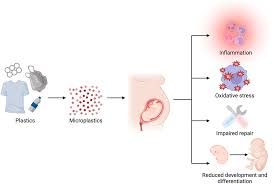
Many plastics contain chemicals that can act as endocrine disruptors. These substances can interfere with your body’s natural hormone system.
This may lead to:
- Lower testosterone levels in men
- Reduced fertility in both men and women
- Hormonal imbalances
- Increased fat storage
- Potential long-term health risks
While research is still ongoing, the connection is strong enough that reducing exposure is a smart move—especially for anyone focused on peak performance and health.
Where Plastics Are Hiding in Your Daily Life
Most people think of plastic as just bottles or packaging—but it goes much deeper.
Here are some common sources:
Everyday Items
- Teabags (many contain plastic fibres)
- Toothbrushes and toothpaste tubes
- Plastic water bottles
- Food packaging and cling film
Clothing & Personal Care
- Synthetic clothing (polyester, nylon, etc.)
- Deodorants and fragranced products
- Sportswear
Household Items
- Carpets and sofas
- Pillows and mattresses
- Kitchen utensils and chopping boards
Even if you’re living “healthy,” these hidden exposures add up over time.
Simple Ways to Reduce Plastic Exposure
You don’t need to eliminate plastics completely—that’s unrealistic. But reducing your exposure can make a difference.
Start with these simple swaps:
- Switch to glass or stainless steel for water bottles
- Use loose-leaf tea instead of teabags
- Choose natural fabrics like cotton or wool
- Use wooden chopping boards instead of plastic
- Avoid heating food in plastic containers
- Buy fresh, unpackaged food when possible
Small changes done consistently can significantly reduce your overall exposure.
Don’t Ignore the Bigger Picture
While reducing plastics is important, it’s only one piece of the puzzle.
Your lifestyle still plays the biggest role in your health and fertility.
Focus on:
- Eating a balanced, nutrient-rich diet
- Maintaining a healthy body fat level
- Strength training and staying active
- Getting quality sleep
- Limiting alcohol intake
For example, excess alcohol and body fat are both strongly linked to lower testosterone levels and reduced fertility—often more impactful than environmental factors alone.
Final Thoughts
Modern life isn’t perfect—and plastics aren’t going anywhere overnight. But awareness gives you control.
If you want to:
- Improve your hormone health
- Increase your chances of having a baby
- Optimise your body and performance
Then it’s worth looking beyond the gym and your diet… and into your environment.
Start small. Stay consistent. And build a lifestyle that supports your health from every angle.
Need Help Optimising Your Health?
If you’re serious about improving your fitness, hormone balance, or preparing your body for starting a family, getting expert guidance can make all the difference.
Reach out today and take the first step towards a stronger, healthier you.