

Nutrition for New HIIT Clients
Fuel smarter. Train harder. Recover faster. Impress
If you’re new to HIIT (High-Intensity Interval Training), welcome to the beautiful chaos — short workouts, big sweat, and results that don’t mess around. But here’s the truth most people learn the hard way: HIIT without proper nutrition is like revving a Ferrari on an empty tank. Loud, dramatic, and going nowhere.
This guide breaks down simple, realistic nutrition strategies for new HIIT clients and first-time personal training customers who want fat loss, energy, and consistency — not food rules that make life miserable.
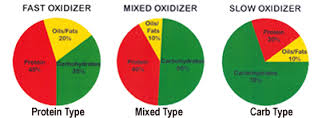
Metabolic Typing Diet
Why Nutrition Matters More When You Do HIIT
HIIT is demanding. It stresses your muscles, nervous system, and energy stores — which is great for results, if you support it properly.
Without the right nutrition:
- Energy crashes hit fast ⚡
- Fat loss stalls
- Recovery slows
- Motivation mysteriously disappears (usually around Wednesday)
With the right nutrition:
- Workouts feel stronger
- Fat loss becomes sustainable
- Recovery improves
- You stop Googling “why am I exhausted all the time?”

Nutrition for New HIIT Clients In London
The Best Nutrition Approach for New HIIT Clients
Forget extremes. New clients don’t need detoxes, starvation, or meal plans that look like punishment.
1. Prioritise Protein (Your Non‑Negotiable)
Protein supports muscle recovery, metabolism, and appetite control — which is critical when doing high‑intensity training.
Aim for:
- Lean meats, eggs, fish
- Greek yoghurt, cottage cheese
- Protein shakes if needed
Rule of thumb: include a palm-sized portion of protein at every main meal.
2. Eat Carbs Without Fear (Especially Around HIIT)
Carbs are not the enemy — poor timing is.
HIIT relies heavily on glycogen (stored carbs). Undereating carbs often leads to:
- Weak sessions
- Poor recovery
- Overeating later
Best carb sources for HIIT clients:
- Rice, potatoes,
- Fruit
- Whole grains
Pro tip: eat most of your carbs before and after training to support performance and recovery.

Nutrition for New HIIT Clients In London
3. Don’t Ignore Fats (Hormones Care)
Healthy fats support hormones, joints, and long‑term health.
Include:
- Olive oil
- Avocados
- Nuts & seeds
- Fatty fish
No need to drown your food in oil — just don’t avoid fats like they owe you money.
Nutrition Timing for HIIT Workouts
Pre‑Workout (1–2 hours before)
- Protein + carbs
- Example: chicken and rice, yoghurt and fruit, protein shake with oats
Post‑Workout (within 1–2 hours)
- Protein first
- Carbs to replenish energy
- Keep fats lower immediately post‑training
This improves recovery and helps reduce soreness — your stairs will thank you.
Common Nutrition Mistakes New HIIT Clients Make
❌ Eating too little because “HIIT burns loads of calories”
❌ Skipping meals and relying on caffeine
❌ Cutting carbs completely
❌ Being perfect Monday–Friday and unhinged on weekends
Consistency beats perfection. Every time.
Fat Loss Nutrition for New Personal Training Clients
For new clients focused on weight loss:
- Small calorie deficit
- High protein intake
- Consistent meals
- Flexible food choices
The goal isn’t fast weight loss — it’s keeping it off without hating your life.
Hydration & Recovery (The Boring Stuff That Works)
- Drink water throughout the day
- Add electrolytes if sweating heavily
- Prioritise sleep (yes, it matters more than supplements)
Recovery is where results actually happen. Training just sends the email.
Final Thoughts: Keep Nutrition Simple
The best nutrition plan for HIIT beginners is one you can actually stick to.
Focus on:
- Protein at every meal
- Carbs to fuel training
- Whole foods most of the time
- Flexibility, not food guilt
If you want help building a nutrition strategy that supports HIIT, fat loss, and real life — that’s exactly what good coaching is for.
Strong training starts in the kitchen. And no, coffee alone doesn’t count. ☕💪
