Top Rules You Need To know  Training for Over 40s Battersea

Top Rules You Need To know Training for Over 40s Battersea

Top Rules You Need To know

Fitness Training for Over 40s

To keep looking and feeling young

Weight training can be an effective way to maintain and improve physical fitness as we age,

even after the age of 40. Here are some tips for weight training after age 40:

  1. Consult with a doctor: It’s always a good idea to consult with a doctor before starting any new exercise program, especially if you have any medical conditions.
  2. Start slowly: Begin with lighter weights and fewer repetitions, and gradually increase the weight and intensity over time. This will help to prevent injury and allow your body to adapt to the new demands.
  3. Focus on form: Proper form is essential to getting the most out of your weight training, and it can also help to prevent injury. Consider working with a trainer to learn proper form and technique.
  4. Include a variety of exercises: Incorporate a variety of exercises to target different muscle groups and avoid overuse injuries. Focus on exercises that strengthen the major muscle groups, such as the chest, back, legs, and core.
  5. Allow for adequate recovery time: As we age, our bodies may require more time to recover from exercise. Make sure to allow for adequate recovery time between weight training sessions.
  6. Consider nutrition: Adequate nutrition is important for muscle growth and recovery. Consider working with a registered dietitian to ensure that you are getting the nutrients you need to support your weight training program.

Remember, weight training can be a great way to stay active and healthy as we age, but it’s important to approach it in a safe and sustainable way.

Top Rules You Need To know Fitness Training for Over 40s

Weight training is important as we age for several reasons:

  1. Muscle mass and strength: As we age, we naturally lose muscle mass and strength, which can lead to a decline in physical function and an increased risk of falls and fractures. Weight training can help to maintain and even increase muscle mass and strength, improving physical function and reducing the risk of falls and fractures.
  2. Bone health: Weight training has been shown to increase bone density, reducing the risk of osteoporosis and fractures.
  3. Metabolism: As we age, our metabolism tends to slow down, making it easier to gain weight and harder to lose weight. Weight training can help to increase muscle mass, which can boost metabolism and make it easier to maintain a healthy weight.
  4. Joint health: Weight training can help to strengthen the muscles around joints, reducing the risk of joint pain and injury.
  5. Mental health: Exercise, including weight training, has been shown to improve mood and reduce the risk of depression and anxiety, which can become more common as we age.

Overall, weight training is an important part of a healthy lifestyle as we age, helping to maintain physical function, prevent injury, and improve overall health and well-being

Top Rules You Need To know Fitness Training for Over 40s

Alcohol consumption can lower your t levels 

can have a negative impact on testosterone levels. Studies have shown that acute alcohol consumption can lower testosterone levels in both men and women. One study found that a single bout of heavy drinking (defined as consuming 5 or more drinks in a 2-hour period) significantly reduced testosterone levels in men for up to 24 hours after the drinking session.

Long-term heavy drinking can also have a negative impact on testosterone levels. Chronic alcohol abuse has been shown to reduce testosterone production in men, leading to symptoms such as decreased sex drive, erectile dysfunction, and infertility. In women, chronic alcohol consumption has been associated with menstrual irregularities and decreased fertility.

Moderate alcohol consumption (defined as up to 1 drink per day for women and up to 2 drinks per day for men) may not have as significant an impact on testosterone levels, but it is still important to consume alcohol in moderation and be aware of the potential negative effects on overall health and well-being

As we age, our bodies undergo a number of changes that can affect our overall health and well-being.

Regular exercise, including going to the gym, becomes even more important after the age of 40 for several reasons:

  1. Loss of muscle mass and strength: Starting in our 30s, we begin to lose muscle mass and strength. By the time we reach our 40s, this loss of muscle mass and strength can start to impact our physical function and increase our risk of falls and fractures. Regular exercise, including strength training at the gym, can help to maintain and even increase muscle mass and strength.
  2. Decreased metabolism: As we age, our metabolism tends to slow down, making it easier to gain weight and harder to lose weight. Regular exercise, including high-intensity interval training (HIIT) and strength training, can help to boost metabolism and maintain a healthy weight.
  3. Increased risk of chronic diseases: As we age, our risk of developing chronic diseases such as heart disease, diabetes, and certain cancers increases. Regular exercise, including cardio and strength training, can help to reduce the risk of these diseases.
  4. Bone health: As we age, our bones become more brittle and prone to fractures. Regular weight-bearing exercise, including strength training at the gym, can help to maintain and increase bone density, reducing the risk of osteoporosis and fractures.
  5. Mental health: Regular exercise has been shown to improve mood and reduce the risk of depression and anxiety, which can become more common as we age.

Overall, regular exercise and going to the gym can help to maintain physical function, prevent chronic diseases, improve mental health, and enhance overall quality of life as we age.

Maintaining a healthy lifestyle as we age is important for several reasons:

  1. Preventing chronic diseases: As we age, our risk of developing chronic diseases such as heart disease, diabetes, and certain cancers increases. Adopting a healthy lifestyle, including regular exercise, a balanced diet, not smoking, and limiting alcohol intake, can help to reduce the risk of these diseases.
  2. Maintaining physical function: As we age, we naturally lose muscle mass and strength, which can lead to a decline in physical function and an increased risk of falls and fractures. A healthy lifestyle that includes regular exercise, including strength training, can help to maintain and even increase muscle mass and strength, improving physical function and reducing the risk of falls and fractures.
  3. Improving mental health: Regular exercise and a healthy diet have been shown to improve mood and reduce the risk of depression and anxiety, which can become more common as we age.
  4. Enhancing cognitive function: A healthy lifestyle, including regular exercise and a balanced diet, has been associated with better cognitive function and a reduced risk of cognitive decline and dementia.
  5. Increasing longevity: Adopting a healthy lifestyle can help to increase longevity and improve overall quality of life as we age.

Overall, a healthy lifestyle that includes regular exercise, a balanced diet, not smoking, and limiting alcohol intake is important for maintaining physical function, preventing chronic diseases, improving mental health, and enhancing overall quality of life as we age

Top Rules You Need To know Fitness Training for Over 40s

Do wee need supplement as we age

Whether or not we need supplements as we age depends on our individual dietary needs and health status. While it is possible to get all of the nutrients we need from a healthy diet, some people may benefit from taking supplements to ensure they are getting enough of certain nutrients. Here are some factors to consider:

  1. Nutrient deficiencies: As we age, our bodies may have a harder time absorbing certain nutrients, such as vitamin B12 and vitamin D. If you are deficient in a particular nutrient, your healthcare provider may recommend a supplement.
  2. Restricted diets: Some people, particularly older adults, may have restricted diets due to medical conditions or medication use. In these cases, a supplement may be needed to ensure adequate nutrient intake.
  3. Age-related conditions: Some age-related conditions, such as osteoporosis or age-related macular degeneration, may benefit from specific nutrient supplements.

It’s important to note that taking excessive amounts of certain supplements can be harmful, so it’s important to talk to your healthcare provider before starting any supplement regimen. They can help determine if you have any nutrient deficiencies or if there are any supplements that may be beneficial for your individual needs.

Do we need to do less as we age

As we age, our bodies may require fewer calories than when we were younger, due to a decrease in muscle mass, a decrease in physical activity levels, and changes in metabolism. However, it’s important to note that calorie needs can vary widely among individuals and depend on factors such as height, weight, activity level, and overall health.

While it may be true that some people may require fewer calories as they age, it’s important to focus on the quality of the calories we consume, rather than just the quantity. A balanced, nutrient-dense diet that includes plenty of fruits, vegetables, whole grains, lean proteins, and healthy fats is important for maintaining overall health and preventing chronic diseases.

In addition to diet, regular exercise is also important for maintaining a healthy weight and overall health as we age. Aim for at least 150 minutes of moderate-intensity aerobic exercise per week, as well as strength training exercises at least twice a week to maintain muscle mass and strength.

Overall, while it’s true that our calorie needs may decrease as we age, it’s important to focus on a balanced, nutrient-dense diet and regular exercise to maintain overall health and well-being.

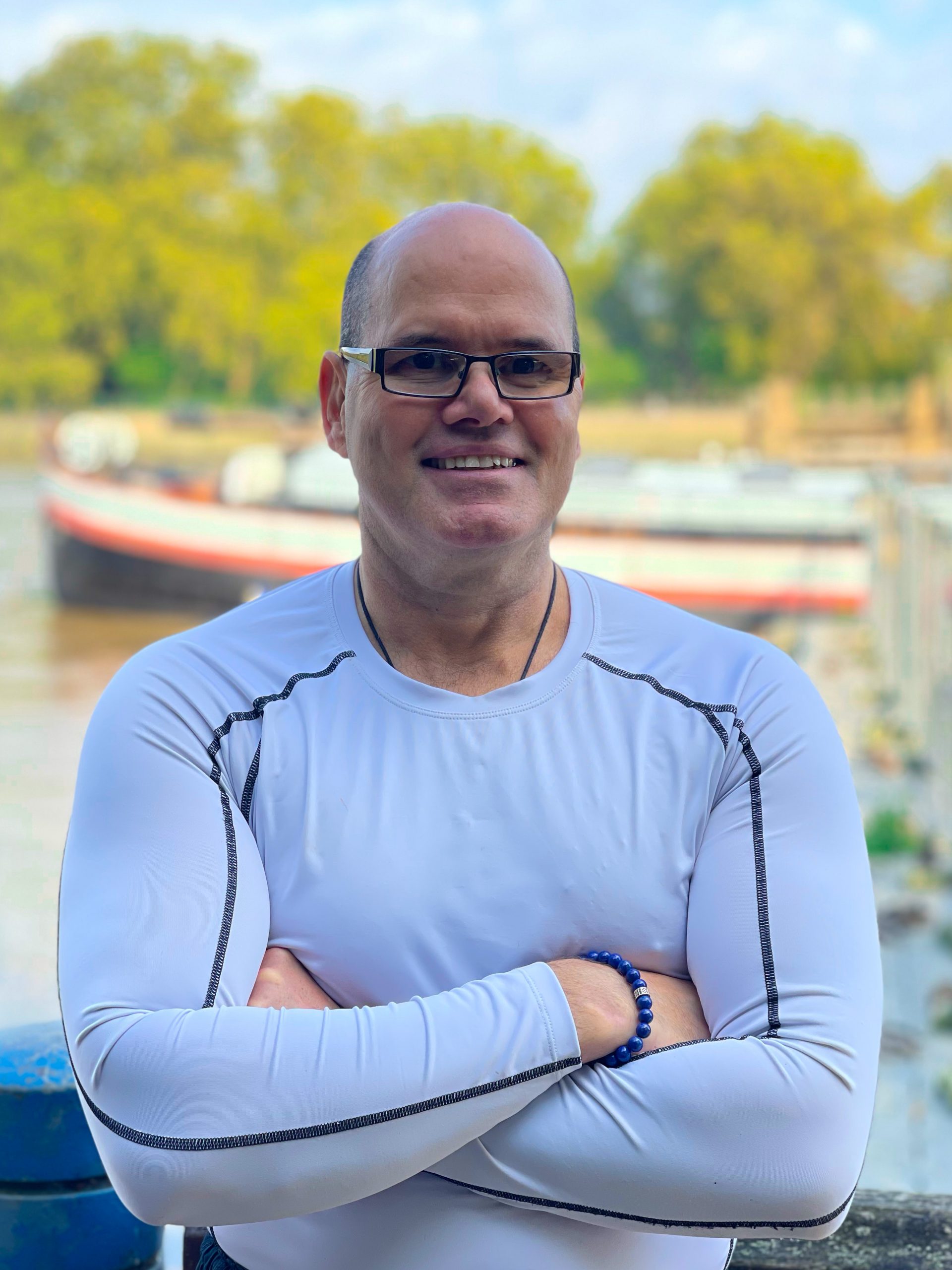
Who is Scott's Bryant? C.H.E.K Personal Trainer London

Scott Bryant? Personal Trainer  London

Scott has been working out over 30 years. I’ve been working out clients for the last 25 Scott is now 52 years old and still working out like he was 21 so if you’d like to keep feeling young and looking young you need consistently to exercise and get your diet right stay away from food devils and a regular exercise. Many people can’t do this on their own. Scott, unique holistic services he will coach you and teach you the right  exercise, the best diet to keep you looking and feeling younger as you

Muscle Atrophy, Personal trainer Battersea in London

Muscle Atrophy, Personal trainer Battersea in London

Muscle Atrophy,

Personal trainer London

How to stop it and keep it

Muscle Atrophy, Personal trainer London

Muscle atrophy, or the loss of muscle mass and strength, is a natural process that occurs as we age. However, there are several things that you can do to slow down or prevent muscle atrophy as you age:

  1. Exercise

  2. regularly: Engage in regular physical activity that includes both aerobic exercise and strength training. This can help to maintain and build muscle mass, as well as improve overall health and fitness.
  3. Eat a balanced diet: Eat a balanced diet that includes adequate protein, which is important for building and maintaining muscle mass. Additionally, make sure you are getting enough vitamins and minerals, as deficiencies can contribute to muscle weakness and atrophy.
  4. Stay hydrated: Drink plenty of water and fluids to help maintain muscle function and prevent dehydration, which can cause muscle weakness.
  5. Get enough sleep: Aim for 7-8 hours of sleep per night to help your body repair and build muscle tissue.
  6. Avoid prolonged periods of inactivity: Sitting or lying down for extended periods of time can contribute to muscle atrophy. Try to break up long periods of sitting with short bouts of activity, such as taking a short walk or doing some stretching exercises.
  7. Manage chronic conditions: Chronic conditions such as diabetes, heart disease, and arthritis can contribute to muscle atrophy. It’s important to manage these conditions through medication, lifestyle changes, and other treatments as recommended by your healthcare provider.
  8. Seek medical advice: If you are experiencing significant muscle weakness or atrophy, it’s important to seek medical advice from a healthcare provider who can evaluate your condition and recommend appropriate treatments or interventions

    To gain muscle mass, it’s important to engage in regular strength training or resistance exercises that challenge your muscles and cause them to adapt and grow. Here are some of the best exercises for building muscle:

    1. Squats: Squats are a compound exercise that work multiple muscle groups, including the legs, glutes, and core. They can be performed with body weight or with added weight, such as a barbell or dumbbells.
    2. Deadlifts: Deadlifts are another compound exercise that work multiple muscle groups, including the back, legs, and core. They can also be performed with body weight or with added weight.
    3. Bench Press: The bench press is a compound exercise that primarily targets the chest muscles, but also works the shoulders and triceps. It can be performed with a barbell or dumbbells.
    4. Pull-Ups/Chin-Ups: Pull-ups and chin-ups are bodyweight exercises that target the back and biceps. They can be modified to make them easier or more difficult, depending on your fitness level.
    5. Overhead Press: The overhead press is a compound exercise that primarily targets the shoulders, but also works the triceps and upper back. It can be performed with a barbell or dumbbells.
    6. Lunges: Lunges are a compound exercise that work the legs and glutes. They can be performed with body weight or with added weight.
    7. Rows: Rows are a compound exercise that work the back, biceps, and shoulders. They can be performed with a barbell, dumbbells, or a machine.

    It’s important to note that while these exercises are effective for building muscle, it’s also important to vary your workouts and include a mix of exercises that target different muscle groups. Additionally, it’s important to challenge yourself with progressively heavier weights or more difficult variations of these exercises over time to continue to see progress and avoid plateauing.

    Muscle Atrophy, Personal trainer London

    What diet are best keep strong

    Maintaining a healthy and balanced diet is important for overall health and strength. Here are some dietary recommendations for keeping strong:

    1. Adequate protein: Protein is essential for building and maintaining muscle mass. Aim to include a source of protein with each meal, such as lean meats, poultry, fish, eggs, dairy products, legumes, nuts, and seeds. The recommended daily intake of protein is 0.8 grams per kilogram of body weight, but this may vary depending on individual needs and activity level.
    2. Healthy fats: Healthy fats, such as those found in nuts, seeds, avocados, and fatty fish, are important for maintaining strong bones and muscles, as well as overall health. Aim to include sources of healthy fats in your diet.
    3. Complex carbohydrates: Complex carbohydrates, such as whole grains, fruits, and vegetables, provide the body with energy and are important for maintaining physical activity and exercise. Aim to include a variety of complex carbohydrates in your diet.
    4. Hydration: Staying hydrated is important for maintaining strength and preventing fatigue. Aim to drink plenty of water and fluids throughout the day, especially during physical activity or in hot weather.
    5. Vitamins and minerals: Adequate intake of vitamins and minerals, such as calcium, vitamin D, and magnesium, are important for maintaining strong bones and muscles. Aim to include a variety of nutrient-dense foods in your diet, such as leafy greens, dairy products, nuts, and whole grains.

    It’s important to note that individual needs may vary depending on factors such as age, gender, and activity level. Consulting a healthcare professional or registered dietitian can help you determine your individual dietary needs and create a personalized plan for maintaining strength and overall health.

    Testosterone

    is a male sex hormone that is important for maintaining muscle mass, bone density, and overall health. While there is no single food that can increase testosterone levels significantly on its own, there are certain foods that may help support healthy testosterone levels. Here are some examples:

    1. Tuna: Tuna is high in vitamin D, which is important for testosterone production. It’s also a good source of protein and omega-3 fatty acids, which can support overall health.
    2. Shellfish: Shellfish, such as oysters, are high in zinc, which is important for testosterone production. Zinc is also important for immune function and wound healing.
    3. Beef: Beef is high in protein and zinc, both of which are important for testosterone production. It’s also a good source of vitamin D and iron.
    4. Eggs: Eggs are a good source of protein and vitamin D, which are important for testosterone production. They’re also a good source of cholesterol, which is a precursor to testosterone.
    5. Leafy greens: Leafy greens, such as spinach and kale, are high in magnesium, which is important for testosterone production. They’re also a good source of vitamins and minerals that support overall health.

    It’s important to note that testosterone levels can be influenced by many factors, including age, genetics, and lifestyle factors such as exercise and sleep. While a healthy diet that includes these foods may support healthy testosterone levels, it’s important to consult a healthcare professional if you have concerns about low testosterone levels or other health issues.

    To prevent muscle wasting or muscle atrophy how many days week do need to exercise 

    , it’s important to engage in regular exercise or physical activity that challenges your muscles and encourages them to adapt and grow. The American College of Sports Medicine recommends that adults engage in strength training exercises for all major muscle groups at least 4 days per week.

    In addition to strength training, it’s also important to engage in regular aerobic exercise, such as walking, cycling, or swimming, for at least 150 minutes per week to maintain overall health and prevent muscle loss.

    It’s important to note that the specific amount and type of exercise needed to prevent muscle wasting may vary depending on factors such as age, health status, and individual needs. Consulting with a healthcare professional or certified personal trainer can help you determine the best exercise plan for your individual needs and goals.

    Supplements what ones are need to keep muscle  

    While there are many supplements on the market that claim to prevent muscle wasting, there is limited scientific evidence to support their effectiveness. It’s important to note that the best way to prevent muscle wasting is through regular exercise and a balanced diet that provides adequate nutrients and calories to support muscle growth and maintenance.

    That being said, there are a few supplements that may help support muscle health and prevent muscle wasting in certain populations:

    1. Creatine: Creatine is a naturally occurring amino acid that is involved in energy production in muscle cells. It has been shown to improve muscle strength and size in older adults and those with muscle wasting conditions.
    2. Omega-3 fatty acids: Omega-3 fatty acids, which are found in fatty fish and fish oil supplements, may help reduce inflammation and support muscle health.
    3. Vitamin D: Vitamin D is important for muscle and bone health, and deficiency has been linked to muscle wasting in older adults.
    4. Branched-chain amino acids (BCAAs): BCAAs, which include leucine, isoleucine, and valine, are essential amino acids that are involved in muscle protein synthesis. They may help reduce muscle breakdown and support muscle growth in certain populations, such as older adults and those with muscle wasting conditions.

    It’s important to note that supplements should be used under the guidance of a healthcare professional and in conjunction with a balanced diet and regular exercise. Supplements should not be used as a replacement for a healthy lifestyle or medical treatment.

    How much time to do need to keep exercise in gym 

    he amount of time you need to spend exercising in the gym can vary depending on your individual goals and fitness level. In general, the American College of Sports Medicine recommends that adults engage in at least 150 minutes of moderate-intensity aerobic exercise or 75 minutes of vigorous-intensity aerobic exercise per week, along with strength training exercises for all major muscle groups at least two days per week.

    For strength training exercises, it’s generally recommended to perform at least one set of 8-12 repetitions of each exercise, using a weight that is heavy enough to challenge your muscles but still allows you to maintain proper form.

    The length of each gym session can vary depending on your fitness level and the types of exercises you are doing. A typical gym session may last anywhere from 30 minutes to an hour or more, depending on the intensity and duration of your workout.

    It’s important to listen to your body and avoid overtraining, which can increase the risk of injury and hinder progress. It’s also important to vary your workouts and include a mix of cardiovascular exercise and strength training to support overall health and fitness. A certified personal trainer or healthcare professional can help you develop a safe and effective workout plan based on your individual needs and goals

    Who is Scott's Bryant? C.H.E.K Personal Trainer London

    Scott Bryant? Chek Personal Trainer  London

    Hi, if you suffered from muscle wastage from Eva bad diet, illness, or any other health complication then I can help you gain it back with a structured program on nutrition, exercise and lifestyle. If you’re interested, please live chat or give us a call


Gym,Park Bootcamp Online Home Personal Trainer London

Gym,Park Bootcamp Online Home Personal Trainer London

Gym, Park Bootcamp Online Home Personal Trainer

Personal Trainer in London – Gym, Park, Bootcamp, Online & Home Sessions with Scott Bryant

Want fitness your way? Whether you prefer the gym, fresh air in the park, high-energy bootcamps, convenient online coaching, or home personal training, Scott Bryant in London has you covered. Get expert, fully tailored sessions wherever you feel strongest—no cookie-cutter plans here. From weight loss to injury rehab, Scott’s holistic approach and 20+ years of experience deliver real, lasting results anytime, anywhere.

 We get you body and health you want.

Mobile personal trainer near me

Gym,Park Bootcamp Online Home Personal Trainer London

    1. Create a personalized workout plan: A gym personal trainer can design a workout plan that is tailored to your specific fitness goals, preferences, and fitness level. This plan can be adjusted as you progress to keep you challenged and motivated.
    2. Teach proper form and technique: A personal trainer can show you how to perform exercises with proper form and technique, which is essential for preventing injuries and maximizing results.
    3. Motivate and challenge you: A personal trainer can provide the accountability and encouragement you need to stay on track with your fitness goals. They can also challenge you with new exercises and routines to help you push past plateaus.
    4. Provide guidance on nutrition and lifestyle: A personal trainer can offer advice on healthy eating habits, as well as other lifestyle factors that can impact your fitness goals, such as sleep and stress management.
    5. Monitor progress and adjust the plan: A personal trainer can track your progress over time and adjust your workout plan as needed to ensure that you are making progress and reaching your goals.Gym Personal Trainer: A gym personal trainer is a fitness professional who works with clients in a gym or fitness center. They may create customized workout plans, provide guidance on proper form and technique, and help clients reach their fitness goals.A gym personal trainer can help you in a variety of ways, depending on your individual fitness goals and needs. Here are some of the ways a gym personal trainer can assist you:
  1. Park Personal Trainer: A park personal trainer is a fitness professional who works with clients in outdoor settings, such as parks or playgrounds. They may use natural elements like benches or trees to create workout routines and provide clients with fresh air and a change of scenery.

    Working out in a park can offer a number of benefits compared to indoor exercise. Here are some of the reasons why you might consider working out in a park:

    1. Fresh air and natural surroundings: Exercising outdoors in a park can provide you with fresh air and the opportunity to connect with nature, which can improve your overall well-being and reduce stress.
    2. Increased motivation and enjoyment: Some people find that exercising in a park is more enjoyable than working out indoors, which can help them stay motivated and consistent with their fitness routine.
    3. Variety of exercises: Parks often have a variety of equipment, such as benches, pull-up bars, and open spaces, which can be used for a wide range of exercises and workouts. You can also incorporate the natural environment, such as hills or stairs, into your routine.
    4. More space and less crowded: Outdoor spaces generally have more space than indoor gyms, which can allow for more freedom of movement and less crowding. This can be especially beneficial during times when indoor gyms are crowded or unavailable.
    5. Cost-effective: Many parks are free to use, so working out in a park can be a cost-effective alternative to a gym membership.

    Overall, working out in a park can provide a refreshing change of pace and a new environment to challenge your body and mind.

  1. Bootcamp Trainer: A bootcamp trainer typically leads group fitness classes that combine high-intensity interval training (HIIT) with strength exercises. These classes are usually held outdoors or in a gym and aim to provide a full-body workout in a fun and challenging setting.A bootcamp trainer is a fitness professional who specializes in leading group fitness classes that focus on high-intensity interval training (HIIT) and strength exercises. Here are some reasons why a bootcamp trainer might be beneficial:
    1. Motivation and accountability: Working out in a group setting with a bootcamp trainer can provide a sense of accountability and motivation that may be lacking in individual workouts. The trainer can also help keep you motivated and push you to work harder than you might on your own.
    2. High-intensity interval training (HIIT): HIIT workouts are designed to provide a full-body workout in a short amount of time by combining periods of high-intensity exercise with short periods of rest. These workouts can be very effective for improving cardiovascular health, increasing endurance, and burning calories.
    3. Strength training: In addition to HIIT, many bootcamp workouts include strength exercises, such as squats, lunges, and push-ups, which can help build muscle and improve overall strength.
    4. Variety of exercises: Bootcamp workouts often include a variety of exercises and equipment, such as kettlebells, resistance bands, and medicine balls, which can keep workouts interesting and challenging.
    5. Fun and social: Bootcamp workouts can be a fun and social way to exercise, as you can work out with a group of people and participate in partner exercises or team challenges.

    Overall, a bootcamp trainer can provide a challenging, effective, and fun workout that can help improve overall fitness and health.

Each type of personal trainer has its own unique approach and benefits, so it’s important to consider your individual fitness goals and preferences when choosing a trainer.

An online personal trainer can offer a number of benefits compared to traditional in-person training. Here are some reasons why you might consider working with an online personal trainer:

  1. Flexibility and convenience: With an online personal trainer, you can work out from anywhere and at any time that is convenient for you. This can be especially beneficial if you have a busy schedule or if you live in a remote area.
  2. Customized workout plans: An online personal trainer can create a customized workout plan based on your individual fitness goals, preferences, and fitness level. This plan can be adjusted as you progress to keep you challenged and motivated.
  3. Cost-effective: Online personal training can be more cost-effective than traditional in-person training, as there are no overhead costs associated with renting a physical space.
  4. More access to expertise: With online personal training, you have access to trainers from all over the world, which can provide you with a wider range of expertise and training styles.
  5. Accountability and motivation: An online personal trainer can provide accountability and motivation through regular check-ins and feedback on your progress.
  6. Access to nutritional advice: Many online personal trainers also provide nutritional advice and guidance, which can be essential for achieving your fitness goals.

Overall, an online personal trainer can provide a flexible, convenient, and cost-effective way to achieve your fitness goals, with access to expert advice and guidance tailored to your individual needs boot

If you’re looking for a private personal trainer in London, there are many options available. Here are some things to consider when looking for a private personal trainer in London:

  1. Credentials and experience: Look for a personal trainer who is certified by a reputable organization and has experience working with clients who have similar fitness goals to yours.
  2. Availability: Make sure that the personal trainer is available at times that are convenient for you.
  3. Location: Consider the location of the personal trainer, as it may be more convenient to work with someone who is located close to your home or workplace.
  4. Specializations: If you have specific fitness goals, such as weight loss or strength training, look for a personal trainer who specializes in these areas.
  5. Personality and communication: It’s important to work with a personal trainer who you feel comfortable with and who communicates effectively with you.
  6. Price: Private personal training sessions can vary in price depending on the trainer’s experience and location. Make sure that the cost is within your budget.

To find a private personal trainer in London, you can search online for trainers in your area or ask for recommendations from friends or colleagues who have worked with personal trainers in the past. You can also check with local gyms and fitness studios to see if they offer private training sessions or can recommend a trainer.

Holistic health is a comprehensive approach to healthcare that takes into account the physical, emotional, mental, and spiritual aspects of a person. It focuses on treating the whole person, rather than just their symptoms, and aims to promote overall wellness and balance in all areas of life.

Home personal trainer is a fitness professional who provides personalized training sessions in the comfort of a client’s home. Working with a home personal trainer can be a convenient and effective way to achieve your fitness goals, as it eliminates the need to travel to a gym or fitness studio.

Home personal trainers typically start by conducting an assessment of the client’s fitness level and goals, and then develop a personalized training plan that is tailored to the client’s needs and preferences. They may bring equipment and exercise mats to the client’s home, or may work with the equipment that the client already has available.

During training sessions, a home personal trainer will guide the client through a variety of exercises, provide feedback and corrections on form and technique, and offer motivation and encouragement. They may also provide nutritional advice and support to help clients achieve their fitness goals.

Working with a home personal trainer can be beneficial for individuals who prefer the privacy and convenience of training at home, or who have busy schedules that make it difficult to travel to a gym or fitness studio. It can also be helpful for individuals who are recovering from injury or have specific health concerns that require personalized attention.

When selecting a home personal trainer, it’s important to look for someone who is certified by a reputable organization and has experience working with clients who have similar fitness goals and needs. It’s also important to find someone who is a good fit for your personality and communication style, as this can help ensure a positive and effective training experience

Holistic health practitioners believe that all aspects of a person’s life are interconnected, and that addressing one area of health can have a positive impact on other areas. They use a variety of natural and traditional healing methods, such as herbal medicine, acupuncture, massage therapy, and nutritional counseling, to promote health and prevent illness.

The goal of holistic health is to help individuals achieve optimal health and well-being by addressing the root causes of illness and promoting self-healing. This can involve lifestyle changes, such as improving diet and exercise habits, reducing stress, and practicing meditation or mindfulness. Holistic health also emphasizes the importance of prevention and early intervention, rather than just treating symptoms after they arise.

Overall, holistic health is a holistic approach to healthcare that recognizes the interconnectedness of all aspects of a person’s life, and seeks to promote wellness and balance in all areas of life.

A pain personal trainer is a fitness professional who specializes in working with clients who experience chronic pain. Chronic pain can be caused by a variety of conditions, such as arthritis, fibromyalgia, or injuries, and can make it difficult for individuals to exercise safely and effectively.

A pain personal trainer has specialized knowledge and training in exercise and pain management, and can develop a personalized training plan that is tailored to the client’s needs and abilities. They work closely with clients to understand their pain levels, limitations, and goals, and use exercise and movement to help manage pain and improve overall fitness and quality of life.

Pain personal trainers may use a variety of techniques and approaches to help clients manage pain, such as:

  • Gentle and low-impact exercises that are less likely to exacerbate pain
  • Stretching and flexibility exercises to improve range of motion and reduce stiffness
  • Strength training to improve muscle tone and reduce joint stress
  • Cardiovascular exercise to improve overall fitness and endurance
  • Mind-body techniques, such as breathing exercises, meditation, or yoga, to reduce stress and promote relaxation

A pain personal trainer works closely with clients to monitor pain levels and adjust the training plan as needed. They also provide education and support to help clients better understand their pain and develop strategies to manage it outside of exercise sessions.

When selecting a pain personal trainer, it’s important to look for someone who has specialized training or certifications in pain management, as well as experience working with clients who have similar conditions and pain levels. It’s also important to find someone who is a good fit for your personality and communication style, as this can help ensure a positive and effective training experience.

Why Do We Get Injured So Easily In Gym And How To Not Get Injured London

Why Do We Get Injured So Easily In Gym And How To Not Get Injured London

 Why Do We Get Injured So Easily In Gym

London

Here are some reasons

Why Do We Get Injured So Easily In Gym And How To Not Get Injured London

There are several reasons why we may get injured easily in the gym:

  1. Lack of proper warm-up: If you jump right into your workout without warming up properly, your muscles and joints may not be prepared for the intensity of the workout, which increases the risk of injury.
  2. Incorrect form: If you perform exercises with incorrect form, it puts unnecessary strain on your joints and muscles, leading to injuries.
  3. Overtraining: Overdoing it in the gym can also increase the risk of injury. Your body needs time to recover after a workout, so make sure to give yourself adequate rest and recovery time.
  4. Lack of proper equipment: Using improper or worn-out equipment can also increase the risk of injury. Make sure to use equipment that is appropriate for your fitness level and properly maintained.

To prevent injuries in the gym, here are some tips:

  1. Warm up properly: Start with some light cardio, such as jogging or cycling, and do some dynamic stretching exercises to prepare your body for the workout.
  2. Use proper form: Make sure to use proper form and technique when performing exercises. If you’re unsure, ask a trainer or fitness professional for guidance.
  3. Start with lighter weights: If you’re new to a particular exercise, start with lighter weights and gradually increase the weight as you become more comfortable and confident.
  4. Take rest days: Make sure to give your body adequate rest and recovery time after workouts.
  5. Use proper equipment: Use equipment that is appropriate for your fitness level and properly maintained.

Remember, the key to preventing injuries in the gym is to listen to your body, take it slow, and gradually progress over time.

Bad posture can cause pain because it places additional stress on the muscles, joints, and other structures of the body, which can lead to overuse injuries or strains. Here are some examples of how bad posture can cause pain:

  1. Neck pain: Poor posture, such as slouching or craning your neck forward, can put a strain on the muscles in your neck, causing pain and stiffness.
  2. Back pain: Sitting or standing with a rounded or hunched back can place added pressure on the discs in your spine, leading to back pain and discomfort.
  3. Shoulder pain: If you spend a lot of time hunched over a desk or computer, your shoulders may become rounded and strained, leading to pain and discomfort.
  4. Headaches: Poor posture can also cause tension headaches by putting added strain on the muscles in your neck and shoulders.

To prevent pain caused by bad posture, try to maintain good posture throughout the day. Here are some tips:

  1. Sit up straight: Sit with your back straight and your shoulders relaxed, and keep your feet flat on the floor.
  2. Adjust your workstation: Make sure your computer monitor is at eye level, and adjust your chair and keyboard so that your arms are at a comfortable angle.
  3. Take breaks: Take frequent breaks throughout the day to stretch and move around, especially if you spend a lot of time sitting.
  4. Exercise regularly: Regular exercise, such as yoga or Pilates, can help improve your posture and reduce pain caused by poor posture.

Remember, good posture is not just about sitting up straight – it’s about maintaining a neutral alignment throughout your entire body. By paying attention to your posture and making small adjustments throughout the day, you can help prevent pain and discomfort caused by bad posture.

Weakness in certain muscles can cause pain in several ways:

  1. Compensation: When certain muscles are weak, other muscles may compensate for the weakness, leading to overuse and strain on those muscles, which can cause pain.
  2. Joint instability: Weakness in the muscles that support a joint can lead to instability in the joint, which can cause pain and increase the risk of injury.
  3. Poor posture: Weakness in the muscles that support good posture, such as the back and core muscles, can lead to poor posture, which can cause pain and discomfort.
  4. Decreased range of motion: Weakness in certain muscles can cause a decrease in range of motion, which can cause pain and stiffness.

To prevent pain caused by weakness, it’s important to work on strengthening weak muscles. Here are some tips:

  1. Exercise regularly: Regular exercise, such as resistance training or bodyweight exercises, can help strengthen weak muscles and improve overall muscle function.
  2. Stretch: Stretching can help improve flexibility and range of motion, which can help reduce pain caused by weakness.
  3. Correct imbalances: If you have muscle imbalances, where certain muscles are weaker than others, work to correct these imbalances by focusing on strengthening the weaker muscles.
  4. Seek guidance: If you’re unsure about how to properly strengthen weak muscles or if you have a pre-existing condition, seek guidance from a qualified healthcare professional, such as a physical therapist.

Remember, it’s important to listen to your body and work within your limits when it comes to exercise. Gradually increasing intensity and duration of exercise can help prevent injury and pain caused by weakness.

A bad workout program can give you pain in several ways:

  1. Overuse injuries: A workout program that focuses too much on certain muscle groups or exercises can lead to overuse injuries, such as tendinitis or muscle strains.
  2. Lack of proper rest and recovery: A workout program that doesn’t allow for proper rest and recovery time can lead to fatigue, which can increase the risk of injury and pain.
  3. Poor exercise selection: A workout program that includes exercises that are too advanced or inappropriate for your fitness level can lead to injury and pain.
  4. Incorrect form or technique: A workout program that doesn’t place enough emphasis on proper form and technique can increase the risk of injury and pain.

To prevent pain caused by a bad workout program, it’s important to choose a program that is appropriate for your fitness level and goals. Here are some tips:

  1. Gradual progression: Choose a program that allows for gradual progression over time, rather than one that jumps into high-intensity workouts right away.
  2. Balanced program: Choose a program that includes a balanced mix of exercises that work all major muscle groups, rather than one that focuses too heavily on certain muscle groups.
  3. Rest and recovery: Choose a program that includes adequate rest and recovery time, such as rest days or active recovery workouts.
  4. Proper form and technique: Choose a program that places a strong emphasis on proper form and technique, and seek guidance from a qualified trainer or fitness professional if you’re unsure.

Remember, a good workout program should be challenging but also safe and effective. By choosing a program that is appropriate for your fitness level, paying attention to form and technique, and allowing for proper rest and recovery time, you can prevent pain and injury caused by a bad workout program.

There are several signs of a bad workout program. Here are some to watch out for:

  1. Pain or discomfort: If your workout program consistently causes pain or discomfort, especially in the joints or muscles, it may be a sign that the program is not appropriate for your fitness level or needs.
  2. Plateauing: If you’re not seeing progress or improvement in your fitness level, strength, or endurance, despite consistent effort and adherence to the program, it may be a sign that the program is not challenging enough or is not properly structured.
  3. Lack of balance: If your workout program focuses too heavily on certain muscle groups or exercises, or neglects certain areas of the body, it may be a sign that the program is not balanced and could lead to overuse injuries or imbalances.
  4. Boredom or lack of motivation: If you consistently feel bored or unmotivated by your workout program, it may be a sign that the program is not enjoyable or challenging enough for you.
  5. Lack of progress tracking: If your workout program doesn’t include a way to track your progress, such as by recording your weights or reps, it may be a sign that the program is not focused on measurable progress or improvement.

If you notice any of these signs in your workout program, it may be time to re-evaluate and make some changes. Consider speaking with a qualified trainer or fitness professional to help you create a more appropriate and effective workout program that meets your needs and goals.

If you experience pain after a workout, there are several things you can do to help alleviate the pain and promote healing. Here are some tips:

  1. Rest: Take a break from your workouts to give your body time to rest and recover. Avoid any activities that aggravate the pain.
  2. Ice: Apply ice to the affected area for 15-20 minutes at a time, several times a day. This can help reduce inflammation and pain.
  3. Compression: Use compression to help reduce swelling and support the affected area. You can use an elastic bandage or compression sleeve.
  4. Elevation: Elevate the affected area above the level of your heart to help reduce swelling and promote circulation.
  5. Over-the-counter pain relievers: You can take over-the-counter pain relievers, such as ibuprofen or acetaminophen, to help reduce pain and inflammation. However, always follow the recommended dosage and consult with your doctor if you have any health conditions or are taking other medications.
  6. Stretching: Gentle stretching and range of motion exercises can help promote healing and prevent stiffness.

If the pain persists or worsens, it’s important to seek medical attention. You may have an injury that requires more specialized treatment, such as physical therapy or medication. Additionally, if you experience severe pain, swelling, or loss of function, seek medical attention immediately, as these may be signs of a more serious injury.

Who is Scott's Bryant Personal Trainer London ?

Scott has been helping injured gym goers over 25 years. He was in a corrective holistic system that looks at your body from the inside out to make sure you don’t get injured again. Scott designed you a bespoke program designed for your bodies needs. None of us look the same, so none of us should have the same program so if you’re looking for a system assistance to help you not to get injured add to stay in your sport  into excel in your sport. Scott can help you if you suffer with Lower Back Pain from working out in the gym. I would like to know why and get in touch with Scott today

C.H.E.K Practitioner Online Or Uk Or London

C.H.E.K Practitioner Online Or Uk Or London

C.H.E.K Practitioner Scott Bryant London

CHEK Clinic In London

Master C.H.E.K. Practitioner level 5

Paul Chek uk

C.H.E.K Practitioner London

Master C.H.E.K Practitioner Scott Bryant in London

Paul Chek Uk is a holistic health practitioner and founder of the C.H.E.K Institute, which stands for Corrective Holistic Exercise Kinesiology. The C.H.E.K Institute offers educational programs and certifications for health and fitness professionals who want to learn and apply his holistic approach to health and fitness.

Personal Trainer in Richmond, London: Transform Your Mind And Body

Personal Trainer in Richmond, London: Transform Your Mind And Body

A Paul Chek Practitioner is someone who has completed one of the C.H.E.K Institute’s certification programs and is trained in a wide range of health and wellness topics, including corrective exercise, nutrition, stress management, and lifestyle coaching. They use a holistic approach to identify and address the root causes of health issues and work with clients to develop personalized wellness programs to help them achieve their health goals.

What is the Chek method?

C.H.E.K (Corrective Holistic Exercise Kinesiology Institute) Practitioners look at the entire human being as a holistic entity. They are recognised as experts in their field, performing detailed assessments and client evaluations as a prerequisite to: Designing corrective or performance-enhancing exercise programs looking at you from inside out.

A CHEK Practitioner is signified by their level of training (Level I-IV) and there are also “Holistic Lifestyle Coaches” (HLC’s), a certification developed to teach how to integrate functional eating and lifestyle management practices into exercise and rehabilitation program for optimum results.

A C.H.E.K Practitioner is a personal trainer who has a much higher level of understanding about the systems in the body. Having undergone years of education and training, they take a holistic approach to improving your health, wellness and fitness l

What does a holistic lifestyle coach do?
Why Workout With C.H.E.K Program Strong Fitter Faster With No Pain.

A Holistic Health Coach is a trained professional who uses an integrative approach to both diet and lifestyle changes to 

A Holistic Health Coach is a trained professional who helps clients achieve optimal health and well-being by taking a holistic approach to their health. This approach considers the whole person, including their physical, emotional, mental, and spiritual aspects, and focuses on identifying and addressing the root causes of health issues.

Holistic Health Coaches work with clients to create a personalized wellness plan that takes into account their individual needs and goals. They may use a variety of tools and techniques, such as nutrition counseling, stress management techniques, exercise programs, and lifestyle coaching to help clients achieve optimal health and well-being.

Holistic Health Coaches may work with clients who have a range of health concerns, from chronic diseases such as diabetes and heart disease to mental health issues such as anxiety and depression. They may also work with clients who are simply looking to improve their overall health and well-being.

Overall, Holistic Health Coaches are focused on helping clients achieve long-term, sustainable health and wellness by addressing the underlying causes of health issues and creating a personalized plan that is tailored to their individual needs and goals.

C.H.E.K Practitioner Scott Bryant

C.H.E.K Practitioner Scott Bryant

Scott Bryant is a highly qualified certified a Master Paul C.H.E.K.Practitioner level 5 and Master personal trainer in london, sports massage Therapist with 26 years experience He specialises in nutrition and holistic lifestyle coaching and shamanic healing corrective exercise

he has also been interviewed on Southampton radio. he helped write DR.Viel’s Beauty Bible and did an article on Madonna yoga and fitness at age 50 in the Guardian newspaper and women magazine as well as being a speaker at some colleges.he has worked with movie stars and pop stars and golfers.

He runs the popular website Active Bryant Systems https://activebryantsystems.com which is for anybody that wants to get in shape and improve their body as well as increase their performance. Keep in contact with Scott his youtube channel is https://www.youtube.com/channel/UCfEcGlNssvF4BsNyL9-OH-Q Scott has gone on to study holistic healing energy healing as shaman practitioner and the use of therapeutic drumming and chakra healing and gut & nutrition health coaching to get to root cause of any pain. you may have.

Scott authored his first book,  HOLISTIC HEALTH For Proper Geezers And Classy Ladies Get The Body And Fitness You Want! in 2019

which details the holistic nature of true, long-lasting health and healing and wellbeing.

Personal Trainer Rehabilitation Specialist Near Me

Personal Trainer Rehabilitation Specialist Near Me

Discover Personal Trainer Corrective Exercise Rehabilitation Specialists Near You

Active Bryant Fitness Systems

C.H.E.K.Rehabilitation Pain

 Specialist Scott Bryant

Personal trainer rehabilitation specialist near me

Corrective Exercise Specialist London

Rehabilitation Specialist Personal trainer Battersea Scott Bryant is a rehabilitation specialist is a professional who specialises in designing and implementing corrective exercise programs for individuals who are recovering from injury or illness. They can work with a variety of clients, including those with chronic conditions, post-surgery patients, and athletes who need to return to full functionality after an injury.Here are some of the things that Scott Bryant personal trainer rehabilitation specialist can do:
  1. Design personalised exercise programs: They will assess your individual needs and create an exercise program that is tailored to your specific goals and limitations.
  2. Provide guidance and support: They will provide you with guidance and support throughout the rehabilitation process, helping you to stay motivated and on track.
  3. Monitor progress: They will monitor your progress and make adjustments to your exercise program as needed, based on your feedback and progress.
  4. Educate you on proper form and technique: They will teach you how to perform exercises safely and effectively, minimizing the risk of injury and maximizing the benefits of your workouts.
  5. Collaborate with other healthcare professionals: They may work closely with other healthcare professionals, such as physical therapists, to ensure that your rehabilitation program is comprehensive and effective.

Overall, a personal trainer rehabilitation specialist can help you to regain strength, improve mobility, and return to your normal activities after an injury or illness. If you’re looking for a personal trainer rehabilitation specialist near you, you may want to start by asking for referrals from your doctor, physical therapist, or other healthcare provider.

Personal trainer rehabilitation specialist near me

Personal Trainer Rehabilitation Specialist Near Me

Scott bryant rehabilitation specialist who specialises in Lower back pain

can help individuals who are experiencing back pain to manage their condition and improve their overall function and quality of life. Here are some of the things that a rehabilitation specialist for back pain can do:

  1. Conduct a thorough evaluation: The rehabilitation specialist will conduct a thorough evaluation of your back pain, including assessing your posture, range of motion, and strength. They may also review your medical history and any imaging studies (such as X-rays or MRI) to get a better understanding of the underlying cause of your back pain.
  2. Develop an individualized treatment plan: Based on the results of the evaluation, the rehabilitation specialist will develop an individualized treatment plan that may include exercises, stretches, manual therapy, and other modalities to help reduce pain and improve function.
  3. Teach proper lifting techniques: The specialist can teach you proper lifting techniques to prevent further injury to your back.
  4. Monitor your progress: The specialist will monitor your progress and make adjustments to your treatment plan as needed to ensure that you are making progress toward your goals.
  5. Coordinate care with other healthcare providers: If necessary, the specialist can coordinate care with other healthcare providers, such as a physical therapist or pain management specialist, to ensure that you are receiving comprehensive care.

Overall, a rehabilitation specialist for back pain can play an important role in helping individuals to manage their back pain and improve their overall function and quality of life. If you are experiencing back pain and are interested in working with a rehabilitation specialist, you may want to speak with your primary care physician or a pain management specialist for a referral.

Personal trainer rehabilitation specialist near me

Scott Bryant injuries corrective exercisespecialist who specialises in sports injuries

can help athletes recover from injuries and return to their sport safely and efficiently. Here are some of the things that a rehabilitation specialist for sports injuries can do:

  1. Conduct a thorough evaluation: The rehabilitation specialist will conduct a thorough evaluation of the athlete’s injury, including assessing range of motion, strength, and any muscle imbalances or weaknesses that may be contributing to the injury.
  2. Develop an individualized treatment plan: Based on the evaluation, the rehabilitation specialist will develop an individualized treatment plan that may include exercises, stretches, manual therapy, and other modalities to help reduce pain and improve function.
  3. Provide education and support: The specialist can provide education and support to help the athlete understand their injury and the rehabilitation process, as well as strategies for injury prevention in the future.
  4. Monitor progress and adjust the treatment plan: The specialist will monitor the athlete’s progress and adjust the treatment plan as needed to ensure that they are making progress toward their goals and safely returning to their sport.
  5. Coordinate care with other healthcare providers: The specialist may work closely with other healthcare providers, such as physical therapists, orthopedic surgeons, and primary care physicians, to ensure that the athlete is receiving comprehensive care.

Overall, a rehabilitation specialist for sports injuries can play an important role in helping athletes recover from injuries and safely return to their sport. If you are an athlete who has suffered a sports injury and are interested in working with a rehabilitation specialist, you may want to speak with your primary care physician or a sports medicine specialist for a referral.call Scott on 07841144878 or live chat on home page


Choosing Scott Bryant as a Rehabilitation Specialist for sports pain can be beneficial for several reasons, especially if he has the right qualifications and experience in treating sports-related injuries. While I don’t have specific information about Scott, I can outline why a specialist in sports rehabilitation, like Scott, could be the right choice for treating sports-related pain:

1. Expertise in Sports Injuries

  • A specialized rehabilitation expert understands the specific demands that sports place on the body. Whether it’s an injury caused by overuse, trauma, or improper technique, someone experienced in this field can assess your injury with a sports-focused approach.

2. Personalized Treatment Plans

  • Scott would likely be able to create a tailored rehabilitation plan that takes into account your specific sport, your injury, and your fitness goals. This personalized approach is key to ensuring a speedy and effective recovery.

3. Evidence-Based Techniques

  • Rehabilitation specialists typically use evidence-based methods, meaning their treatments are grounded in the latest research. Scott would likely be familiar with the most effective modalities, such as physical therapy, manual therapy, modalities for pain relief (e.g., dry needling, ultrasound therapy), and exercise regimens that speed up recovery and improve strength and mobility.

4. Injury Prevention

  • A rehabilitation specialist doesn’t just treat injuries—they also work on preventing them in the future. Scott would likely help you identify any weaknesses or imbalances in your body that could lead to injury down the line, and teach you techniques to avoid recurrence.

5. Holistic Approach

  • In sports rehab, it’s not just about the injury itself, but the whole body. Scott might take a holistic approach by evaluating your posture, flexibility, biomechanics, and movement patterns, addressing the root cause of the pain rather than just treating the symptoms.

6. Experience with Athletes

  • If Scott specializes in treating athletes, he would have firsthand experience in understanding the demands of various sports and how specific injuries affect performance. This could lead to more effective rehabilitation and recovery, helping you get back to your sport sooner and at a higher level of performance.

7. Communication & Support

  • A good rehabilitation specialist communicates well with their patients, explaining treatment options, progress, and expectations. If Scott is good at engaging with athletes, you’ll likely find the process much more collaborative, helping you feel empowered throughout your recovery.

8. Proven Track Record

  • If Scott has a proven track record with athletes in your sport or with similar types of injuries, it shows that he understands the nuances of sports rehabilitation and can achieve positive outcomes.

9. Advanced Tools and Technology

  • Some rehabilitation specialists, including Scott, may have access to advanced technology like motion analysis, high-frequency ultrasound, or cryotherapy that can enhance the healing process.

10. Faster Recovery

  • Sports rehabilitation specialists typically understand the urgency of getting athletes back in action. With Scott’s guidance, you may experience a faster, more efficient recovery process, allowing you to return to your sport sooner—without sacrificing long-term health.

If Scott has any of these qualities, working with him could lead to an effective recovery from your sports injury


If you’re considering seeing a Rehabilitation Specialist for sports pain in London, here are some frequently asked questions (FAQs) that can help guide your decision and set clear expectations:

1. What is a Rehabilitation Specialist for Sports Pain?

A Rehabilitation Specialist for sports pain is a healthcare professional trained to treat and rehabilitate sports-related injuries. They typically have expertise in physical therapy, sports medicine, biomechanics, and exercise rehabilitation. They help athletes recover from injuries, manage pain, and return to their sport safely and effectively.

2. What Types of Sports Injuries Can a Rehabilitation Specialist Treat?

  • Acute Injuries: Sprains, strains, fractures, and dislocations.
  • Chronic Injuries: Tendonitis, bursitis, stress fractures, and repetitive strain injuries.
  • Overuse Injuries: Tendon and ligament injuries caused by repetitive movement or overtraining.
  • Post-Surgery Rehabilitation: Helping you regain strength and mobility after surgery, like ACL reconstruction.
  • Soft Tissue Injuries: Muscle tears, ligament injuries, and joint sprains.

3. How Do I Know if I Need a Rehabilitation Specialist?

  • If you’ve recently experienced a sports injury that is affecting your ability to perform.
  • If you’ve been dealing with persistent pain or discomfort during or after physical activity.
  • If you’ve had a previous injury and need help with recovery or rehabilitation.
  • If you want to improve your performance by addressing any movement inefficiencies or muscle imbalances.

4. What Qualifications Should a Sports Rehabilitation Specialist Have?

  • Degree in Physiotherapy, Sports Medicine, or a related field.
  • Certified Specialist or Registered with Professional Bodies (e.g., HCPC, Chartered Society of Physiotherapy in the UK).
  • Advanced Training in Sports Rehabilitation or specific certifications in sports injury management.
  • Experience in Treating Athletes: Ideally, they should have experience working with athletes from your specific sport or activity level.

5. How Can a Rehabilitation Specialist Help Me Recover from a Sports Injury?

A rehabilitation specialist can:

  • Diagnose the nature and extent of the injury.
  • Provide manual therapy (e.g., massage, joint mobilizations) to reduce pain and improve mobility.
  • Develop a customized rehabilitation program that includes strengthening, stretching, and functional exercises to restore movement and prevent future injury.
  • Use pain management techniques like modalities (e.g., ice/heat therapy, ultrasound).
  • Track your progress and adjust treatment as necessary to ensure optimal recovery.

6. What Treatment Techniques Will Be Used?

Common techniques used by rehabilitation specialists include:

  • Physical Therapy (PT): Exercises and hands-on techniques to improve mobility, strength, and flexibility.
  • Sports Massage: Helps to relieve muscle tension and promote recovery.
  • Dry Needling or Acupuncture: Used to target muscle knots and release tension.
  • Kinesiology Taping: Supports muscles and joints while they heal.
  • Electrotherapy: TENS, ultrasound therapy, or laser therapy to reduce pain and inflammation.
  • Biomechanical Analysis: To assess posture, movement, and gait to identify potential injury causes.

7. How Long Will It Take to Recover from a Sports Injury?

Recovery time depends on the severity of the injury, your overall health, and how consistently you follow your rehabilitation plan. Mild injuries may take a few weeks, while more severe injuries can take months. Your rehabilitation specialist will give you an estimate based on your condition.

8. How Often Will I Need to See a Rehabilitation Specialist?

Initially, you may need to visit several times a week for intensive therapy. As your injury heals, the frequency may decrease to once or twice a week. Your specialist will recommend a schedule based on your specific needs.

9. Do I Need a Referral to See a Rehabilitation Specialist?

In the UK, you can self-refer to a physiotherapist or sports rehabilitation specialist, though in some cases, your GP might recommend one. It’s always a good idea to check with your insurance provider if you’re using private health insurance, as some plans require a GP referral.

10. How Much Does It Cost to See a Rehabilitation Specialist in London?

  • Initial Consultation: Can range from £50 to £150, depending on the specialist’s expertise and location.
  • Follow-up Appointments: Typically range from £40 to £100 per session.
  • If you’re using private health insurance, check your coverage for physiotherapy or sports injury treatment.

11. Is Sports Rehabilitation Covered by Health Insurance?

Many private health insurance plans in the UK cover physiotherapy or rehabilitation for sports injuries. Be sure to check your specific policy for details about coverage, required referrals, and any limits on the number of treatments allowed.

12. What Happens If I Don’t Seek Treatment for Sports Injuries?

  • Increased pain: An untreated injury may worsen over time.
  • Chronic injury: Without proper rehabilitation, a seemingly minor injury can develop into a chronic condition.
  • Longer recovery time: The longer you wait to seek help, the longer the recovery process may take.
  • Reduced performance: Persistent pain or improper recovery can hinder your athletic performance.

13. Can I Continue Playing Sports During Rehabilitation?

Depending on the injury, your rehabilitation specialist may recommend modifying or reducing your activity level during the recovery process. For some injuries, you may still be able to engage in low-impact or alternative activities to maintain fitness while healing.

14. How Can I Prevent Future Injuries?

A good rehabilitation specialist will not only treat your current injury but also help you:

  • Address any imbalances in strength, flexibility, and posture that could lead to injury.
  • Improve movement patterns to reduce stress on certain joints and tissues.
  • Use prevention strategies, such as warm-up exercises, mobility work, and proper footwear, to avoid future injuries.

15. How Do I Choose the Right Rehabilitation Specialist for My Sports Injury in London?

  • Research their experience with your specific injury or sport.
  • Check qualifications and certifications to ensure they’re trained and registered.
  • Read reviews or ask for referrals from other athletes.
  • Schedule an initial consultation to see if you’re comfortable with their approach and communication style.
  • Ask about treatment options and recovery timelines to make sure their approach aligns with your goals.

Choosing the right rehabilitation specialist is important to ensure a full and effective recovery from your sports injury, so take the time to find someone who is well-suited to your needs

Personal Trainer Rehabilitation Specialist Near Me

Master CHEK Practitioner level 5

Choosing Scott Bryant as a Personal Trainer and Rehabilitation Specialist in London can offer a range of unique advantages, especially if you’re dealing with sports injuries, pain, or looking to optimise your fitness and recovery. Here are several reasons why Scott Bryant might be the right choice for your rehabilitation and fitness goals:

1. Expertise in Sports Rehabilitation

Scott Bryant is known for his specialized approach to sports rehabilitation. His background in personal training and rehabilitation equips him with a deep understanding of how injuries impact the body and the most effective ways to rehabilitate. He works not just on pain management but also on improving movement patterns, strength, and overall function.

2. Holistic Approach to Injury Recovery

As both a personal trainer and rehabilitation specialist, Scott doesn’t focus solely on addressing the injury but looks at the entire body. This holistic approach means that he will assess your movement patterns, muscle imbalances, joint mobility, and posture to help you recover fully and prevent future injuries.

3. Personalized Programs Tailored to Your Needs

Scott Bryant is known for crafting customized rehabilitation and fitness plans based on individual needs. Whether you’re recovering from an injury, want to increase strength, or improve mobility, his programs are tailored to help you progress safely and efficiently. This personalized approach is particularly beneficial if you’re looking for a rehabilitation plan that complements your sport or specific activity.

4. Specialized Techniques for Faster Recovery

Scott incorporates a range of advanced techniques designed to aid in the recovery of sports injuries, including:

  • Sports massage and myofascial release to alleviate muscle tension.
  • Strength training to rebuild and protect weakened muscles.
  • Functional movement exercises to restore proper joint function and reduce future injury risk.
  • Postural alignment exercises to address imbalances that may have contributed to the injury.

These targeted techniques help expedite the recovery process and ensure long-term injury prevention.

5. Experience with a Wide Range of Sports Injuries

Whether you’re a professional athlete or someone who participates in recreational sports, Scott has the experience to work with a variety of injuries. He’s trained to treat common sports injuries such as ACL tears, rotator cuff injuries, shin splints, tendonitis, and more. His experience working with both amateur and elite athletes means that he understands the demands of different sports and can tailor his approach accordingly.

6. Use of Cutting-Edge Technology

Scott incorporates modern fitness and rehabilitation tools to enhance your recovery. This might include equipment such as foam rollers, kinesiology tape, and mobility tools as well as using techniques like trigger point therapy or neuromuscular electrical stimulation (NMES) when appropriate to aid recovery.

7. Proven Track Record

Scott Bryant has built a reputation in the fitness and rehabilitation industry in London due to his success in helping clients achieve lasting recovery. Testimonials from previous clients often highlight his ability to deliver significant improvements in pain management, functional movement, and overall fitness levels.

8. Long-Term Injury Prevention and Performance Enhancement

Beyond just rehabilitation, Scott works with clients to optimize performance and reduce the risk of future injuries. This includes:

  • Educating clients on proper warm-ups, cool-downs, and stretching routines.
  • Correcting movement patterns and posture that might lead to injury.
  • Providing strengthening exercises to improve the stability of joints and muscles.
  • Helping clients integrate recovery strategies into their routine, ensuring that performance and health go hand-in-hand.

9. Comprehensive Rehabilitation and Fitness Services

Scott offers a full spectrum of services:

  • Rehabilitation from injuries: Whether it’s a sports injury or a post-surgery recovery, Scott can provide a step-by-step plan to get you back to full health.
  • Personal training: Focusing on strength, mobility, and fitness training to improve overall well-being.
  • Postural alignment and corrective exercises: To address misalignments and imbalances that could lead to pain or injury.
  • Massage therapy: To help with muscle recovery, tension relief, and pain management.

10. Convenient Location and Flexible Options

  • Located in central London, Scott offers convenient access for those based in or visiting the city.
  • He also provides online consultations and virtual training sessions, making it possible to work with him from anywhere in the world. This flexibility can be helpful if you have a busy schedule or if you’re not in London full-time.

11. Great Client Support and Communication

One of the standout qualities of Scott Bryant is his ability to communicate effectively with clients. He takes the time to understand your goals and tailors his approach to your personal needs, whether you’re recovering from an injury or looking to enhance your athletic performance. His focus on clear communication and client support helps foster a strong client-trainer relationship.

12. Accessible for All Levels

Scott’s approach is effective for clients of all fitness levels—whether you’re a seasoned athlete or just beginning your fitness journey. His expertise in injury rehabilitation means that even if you’re dealing with chronic pain or recovery from a significant injury, he can guide you through the process with care and expertise.

13. Strong Reputation and Client Success

Scott has a strong reputation for producing positive results. Many of his clients, from both professional athletes to everyday fitness enthusiasts, report significant improvements in recovery, strength, mobility, and pain management. His client success stories often emphasize his professionalism, expert knowledge, and commitment to long-term health.

14. Recovery and Strength Training Combined

One of the key benefits of working with Scott is that he integrates both rehabilitation and strength training in a balanced manner. His rehabilitation programs not only help you heal but also help you build strength and prevent further injury, which is critical if you want to return to your sport or physical activity at a high level.


In Summary:

Choosing Scott Bryant as your Personal Trainer and Rehabilitation Specialist in London offers numerous benefits, from a tailored approach to your recovery and fitness to his deep expertise in injury rehabilitation and sports performance. Whether you’re dealing with a specific injury, aiming to prevent future injuries, or looking to enhance your athletic performance, Scott can provide a comprehensive, evidence-based approach that helps you achieve your goals.

His combination of personal training and rehabilitation expertise positions him as a great choice for anyone seeking effective, long-term recovery solutions


Scott Bryant is a highly experienced Master Paul Chek Practitioner level 5 Master Personal Trainer and Rehabilitation Specialist in London, and he has worked with a diverse range of clients, from everyday individuals to professional athletes. His extensive background in both fitness and injury rehabilitation makes him a strong candidate to help you, no matter what your specific goals are.

Who Has Scott Worked With?

1. Professional Athletes

Scott has experience working with elite athletes across various sports, including:

  • Footballers
  • Rugby players
  • Tennis players
  • Boxers
  • Dancers

His expertise in sports injuries, performance enhancement, and recovery means that he understands the unique demands placed on an athlete’s body. He’s helped these clients not only recover from injuries but also optimize their performance and reduce the risk of future injuries.

2. Recreational Athletes & Fitness Enthusiasts

Scott has also worked extensively with individuals who are passionate about fitness but not necessarily professional athletes. This includes people who engage in activities like:

  • Running
  • Cycling
  • Swimming
  • CrossFit
  • Weightlifting
  • Yoga and Pilates
  • Bodybuilding  

Whether you are training for a marathon or just looking to stay fit and healthy, Scott’s rehabilitation and training strategies can help you achieve your fitness goals, stay injury-free, and recover properly from strain or fatigue.

3. People Recovering from Injury or Surgery

One of Scott’s key strengths is helping people who are recovering from sports injuries or surgical procedures. He’s worked with clients who have undergone:

  • ACL repairs
  • Rotator cuff surgeries
  • Hip replacements
  • Knee surgeries
  • Lower back pain 

If you’re recovering from surgery, Scott can guide you through the process of rehabilitation, ensuring that your muscles, joints, and connective tissues heal optimally. His approach includes improving strength, mobility, and functionality through specific exercises tailored to your recovery stage.

4. People with Chronic Pain or Musculoskeletal Issues

Scott also works with clients who suffer from chronic pain or musculoskeletal problems such as:

  • Lower back pain
  • Knee pain
  • Shoulder issues (e.g., impingement or rotator cuff problems)
  • Tendonitis
  • Plantar fasciitis

His rehabilitation programs are designed to address the underlying causes of pain, improve posture, and restore proper movement patterns, all while helping clients avoid exacerbating their condition.

5. General Public Seeking Fitness and Injury Prevention

Even if you’re not currently dealing with an injury, Scott works with many people who are looking to:

  • Increase strength and muscle mass
  • Improve cardiovascular fitness
  • Lose weight
  • Enhance overall physical health and mobility

His personalized fitness plans are designed to prevent injuries by improving posture, alignment, and strength while helping clients maintain a high level of fitness and avoid the kinds of injuries that can arise from poor movement habits.


Personal Fitness Trainer  in  London

Balance is key to be out of pain.

How Can Scott Help You?

No matter your current fitness level or injury status, Scott can tailor his expertise to help you achieve your goals. Here are the ways in which he can specifically assist you:

1. Injury Rehabilitation

If you are recovering from a sports injury or an acute or chronic musculoskeletal condition, Scott can:

  • Assess your injury and provide a customized rehabilitation plan to address it.
  • Use manual therapy techniques such as myofascial release and sports massage to alleviate pain and promote healing.
  • Design a strengthening and mobility program that helps restore function to the injured area and prevent further issues.
  • Guide you through post-injury recovery, focusing on gradually increasing activity levels without risking reinjury.

2. Pain Management and Prevention

Scott’s rehabilitation approach includes:

  • Postural correction: Identifying any poor alignment or movement patterns that may contribute to your pain (such as rounded shoulders, hip imbalances, or tight hamstrings).
  • Functional movement training: Teaching you how to move in ways that reduce strain and minimize pain, both in the gym and in daily life.
  • Injury prevention exercises: Strengthening weak areas, improving joint stability, and enhancing mobility to prevent pain and injuries before they arise.

3. Sports Performance Enhancement

If your goal is to improve athletic performance, Scott can:

  • Assess your fitness to identify weaknesses or imbalances that might hinder your performance.
  • Develop a tailored strength and conditioning program focused on enhancing strength, speed, agility, and endurance for your specific sport.
  • Incorporate sport-specific drills to improve skill, power, and technique.
  • Work on flexibility and mobility to improve range of motion and reduce muscle stiffness, optimizing your athletic output.

4. Post-Surgery Rehabilitation

If you’ve had surgery (e.g., knee surgery, shoulder surgery, or hip replacement), Scott can:

  • Help you safely regain strength and mobility in the post-surgical area.
  • Design a recovery plan that progressively increases your movement and strength without compromising healing.
  • Focus on functional rehabilitation to ensure you can return to your sport or daily activities with confidence and without pain.

5. Chronic Pain Management

For those dealing with ongoing pain (such as lower back pain, shoulder pain, or joint discomfort), Scott can:

  • Address the root causes of your chronic pain through a combination of manual therapy, functional exercises, and lifestyle adjustments.
  • Use strengthening and stability exercises to alleviate stress on painful joints or muscles.
  • Help correct posture and movement patterns, which are often contributing factors in chronic pain.

6. General Fitness and Health Goals

For those who are simply looking to improve their overall fitness, Scott offers:

  • Customized fitness plans that incorporate strength training, cardio, mobility work, and flexibility exercises.
  • Weight management programs focused on building lean muscle, burning fat, and improving metabolism.
  • Lifestyle coaching, including advice on nutrition, sleep, and recovery to complement your fitness plan and ensure long-term success.

7. Maximizing Mobility and Flexibility

Whether you’re an athlete looking to enhance your range of motion or someone dealing with stiffness, Scott can:

  • Help improve your joint mobility and muscle flexibility through targeted stretching and mobility exercises.
  • Use advanced stretching techniques like PNF stretching and myofascial release to release tight muscles and increase flexibility.

Why Choose Scott Bryant?

  • Comprehensive Approach: Scott integrates both rehabilitation and personal training for a full-body approach to recovery and fitness.
  • Tailored Programs: He designs individual plans suited to your unique body, injury history, and fitness goals.
  • Experience: He’s worked with a wide range of clients—from professional athletes to people recovering from surgery or dealing with chronic pain.
  • Results-Oriented: His focus is on achieving lasting results, not just short-term fixes. He prioritizes your long-term health, strength, and performance.
  • Flexible and Convenient: Whether in-person in London or through online consultations, Scott can accommodate your schedule and needs.

If you’re looking to recover from an injury, optimize your performance, or improve your overall fitness while reducing the risk of future injuries, Scott Bryant’s expertise as a Personal Trainer and Rehabilitation Specialist can provide the tailored guidance and support you need. call Scott Bryant on 078144878 or live chat on web site.


0Shares