HOLISTIC HEALTH Book

HOLISTIC HEALTH Book

HOLISTIC HEALTH

New Book

For Proper Geezers And Classy Ladies

NEW Book Diet and Lifestyle London come out 2019 On Amazon.

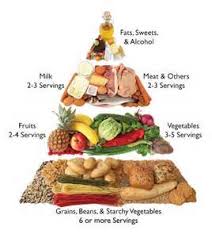
NEW BOOK first thing I do with a client is to look at your diet using a system called the metabolic typing diet. In this system you are considered to be one of three types:

Protein Type: eating protein gives you more clarity and energy, and makes you feel great.

Carbohydrate Type: when you eat lots of vegetables and less meat you feel better and more focused.

Mixed Type: you need to eat equal amounts of protein and carbohydrates to increase your focus and energy and feel good.

The most important thing with any diet is obviously to eat good quality and healthy foods. I therefore highly recommend organic or biodynamic foods to my clients: frozen if you’re on a tight budget but preferably fresh from the greengrocers.

Part Of My New Book Diet and Lifestyle

How many people realize that they are unnecessarily frightened of fats?If we don’t get enough fats inside our system our energy will be low, our skin will not look its best, our muscle mass won’t increase, and our hormone levels may be low. Fat is really, really important. A book called Cholesterol: The Myths will help you understand that cholesterol is not something to fear. The body needs cholesterol to keep inflammation and swelling down. And fat gives us energy.

The good fats are:

Beef  Lard, Butter Olive Oil Gee.

These are 5 different fats you can try with your meals to give you a good energy supply.

So with my clients, I coach you on diet and lifestyle using metabolic diet typing and get you to balance the vegetables, proteins, carbohydrates, and fats in your system to give you optimal energy.

New Book Diet and Lifestyle amazon.

New Book Diet and Lifestyle amazon.

I also teach clients that water is key to the body’s chemistry. 75 percent of the planet is water and 75

percent of our bodies is water. The last sign of dehydration of the body is thirst. If you are thirsty then the body is robbing the water from your feces in order to keep your body hydrated.

The next thing we need to look at with lifestyle is getting to bed on time. If you are not in bed by 10:30 pm you will lose the advantage of the physiological and neurological repair of the body when the natural healing processes occur during the night. So you need to make sure that you switch off computers and phones before bed so that you can enter into a deep sleep when you are in your bedroom.

Part Of My New Book Diet and Lifestyle

My New Book Diet and Lifestyle

Next with lifestyle comes exercise. I recommend to my clients at least 45 minutes of exercise four times a week to get the result you are looking for. You can do yoga, tai chi, weights, walking, anything in fact that you find fun and that you will always keep doing. But please note that some exercises do not give you the same benefit as others. If you’re looking to develop muscle mass with tai chi, then it’s not going to happen, nor will you get bigger and stronger with yoga. Similarly, if you’re looking to lose weight but are only going walking, then unless you change the speed and the tempo of your pace you will not lose weight – even over a prolonged period of time. So I recommend my clients to do a combination of tai chi, yoga and strength training.

Remember that as you are aging you are losing muscle. Also, your testosterone and other hormones are dropping. So weight or strength training for both males and females is very, very important. Muscles contain fewer calories than fat, so the more muscular you are, the leaner you will look and the younger you will feel. If you look at Olympic sprinters you will notice they have the best muscle mass and better-toned bodies. They are doing strength and cardiovascular training in the one hit of the sprint.

There is now new research into hip training that demonstrates a simultaneous increase in speed, strength and cardiovascular conditioning from ten-minute sessions. Personally, I do not agree with this type of training. A preferable sequence is to warm up and stretch the body, followed by strength and conditioning exercises, and then cool down and stretch. This gives the best benefit.

New Book Diet and Lifestyle amazon.As well as diet and exercise, rest is very important. I see many clients who are overtraining, overworking and under resting – this is why they are not getting the required results from their training programme.

So with your lifestyle programme, make sure you get to bed on time, eat according to your metabolic type, eat good fats, drink plenty of water, and spend time with friends doing what you enjoy most. And find a good Chek practitioner to help you.buy my new book in 2018

If need help with your diet and lifestyle live chat or email me if like the copy of my NEW Book out now!

Sciatica! Exercise Corrective Exercise in London

Sciatica! Exercise Corrective Exercise in London

Sciatica Exercise Specialist

Say Goodbye to Lower Back Pain & Sciatica – Naturally and Effectively

Tired of living with nagging lower back pain or sciatica that holds you back from living fully? Discover how Scott Bryant, London’s leading holistic personal trainer and CHEK practitioner, helps clients beat pain without surgery or endless painkillers.

✅ Corrective exercise for posture and spinal alignment
✅ Core reactivation and movement re-education
✅ Hands-on support tailored to your body
✅ Deep tissue work, mobility, and holistic healing methods

You don’t have to “just live with it.” Whether it’s a desk-job slump or an old injury flaring up, you can reclaim your movement and freedom—starting today

Battersea  in London 

No more lower back pain. 
Sciatica! Exercise Corrective Exercise in London

Sciatica! Exercise Corrective Exercise in London

Sciatica If you are suffering from Sciatica London and you are sitting at a desk all day, with a sedentary lifestyle. Corrective exercise could reduce the amount of time and pain you suffer. The duration of time will depend on how much damage there is and whether there is any nerve or spinal damage.

In my 18 years of using corrective exercise with my clients, I have found that corrective exercise is great at helping people with Sciatica and has enabled my clients to become pain-free!

Sciatica! Exercise Corrective Exercise in London

Sciatica! Exercise Corrective Exercise in London

If the symptoms of Sciatica are mild, it may go within 4-6 weeks. If the pain is acuter it may take 12-18 weeks to rebalance your posture, strengthen your core and correct your movement patterns.

If you are currently suffering from Sciatica Nerve pain, here are some quick tips to help!

sciatica exercise specialist in London 

1. Sciatica stretching will really help. But, it’s important to be properly assessed. Only stretch the muscles that are tight!

2. Sciatica strengthen the muscles that are weak, or that have completely switched off!

3. Sciatica massage therapy will help to ease Sciatica and can help to relieve the symptoms of tight muscles and increase your range of movement too.

4. Ergonomics! Another of my tips is to look at your home and work ergonomics. If you are sitting in the same position for too long this will definitely aggravate your sciatic nerve.

I do not recommend swimming or yoga for nerve pain simply because there’s not usually any assessments carried out before the exercise.

A corrective exercise program is designed to improve posture, strengthen your core and help with your movement patterns. By following a corrective exercise program you may find you become leaner, toned as well as becoming pain-free.

I’ve been helping people with Sciatica! and pain for many years so if you’re looking for a complete holistic approach and would like to become pain-free, contact me today!

Thanks!

Contact me today and take that first step towards a more fulfilling life.

Free Discovery Call 10  mins Call Scott now :07352316943

Lower Back Pain And Exercise In Gym Battersea

Lower Back Pain And Exercise In Gym Battersea

Lower Back Pain And Exercise In Gym

87%of lower back injury are caused in gym

when you have no exercise program.

Overview

Lower Back Pain And Exercise back pain is one of the most common reasons people take time off work stop going to the gym and stop their sport and don’t exercise Fortunately, there are many things you can do to heal from your lower back pain and get back in gym fast. and exercise you do at home exercise to get back to fitness.

Lower Back Pain And Exercise In Gym Battersea

Why Lower Back pain

Symptoms of lower back pain

Signs and symptoms of back pain may include:

  • Muscle ache
  • Neck pain
  • Pain when sitting
  • Stomach pain
  • Shooting or stabbing pain
  • Pain that radiates down your leg
  • Limited flexibility or range of motion of the back
  • Back pain at night

Lower Back Pain And Exercise In Gym BatterseaWhen to see a doctor about your lower back pain

You must see your Dr as soon as pain is 5 out of 1-10 scale of if you feel this is something he needs to look at and you are worried about it.

In rare cases, back pain can signal a serious medical problem. Seek immediate care if your back pain: get too bad don’t leave it

  • Causes new bowel or bladder problems
  • Is accompanied by fever
  • Follows a fall, blow to your back or other injuries
  • Nosebleeds must see your Dr

Contact a physiotherapist  if your back pain:

  • Is severe and doesn’t improve with rest
  • If have neck pain at the same time
  • if can”t sleep at night
  • Spreads down one or both legs, especially if the pain extends below the knee
  • Causes weakness, numbness or tingling in one or both legs
  • Is accompanied by unexplained weight loss
  • Can”t stop going to the loo

Also, see your doctor if you start having back pain for the first time after age 20, or if you have a history of overtraining in gym cancer, osteoporosis, steroid use, or drug or alcohol abuse overstress.

See us at ActiveBryantt Systems.

Causes can come in many ways

Back pain can come in many ways over work over training in gym bad fall or accident getting older no exercise bad lifestyle bad posture bad movement in the gym.

Back pain often develops without a specific cause that your doctor can identify with a test or imaging study. Conditions commonly linked to back pain include many your job how you sit at work :

  • Muscle or ligament strain. Repeated heavy lifting or a sudden awkward movement may strain back muscles and spinal ligaments. If you’re in poor physical condition, constant strain on your back may cause painful muscle spasms.
  • Bulging or ruptured disks. Disks act as cushions between the bones (vertebrae) in your spine. The soft material inside a disk can bulge or rupture and press on a nerve. However, you can have a bulging or ruptured disk without back pain. Disk disease is often found incidentally when you undergo spine X-rays for some other reason.
  • Arthritis. Osteoarthritis can affect the lower back. In some cases, arthritis in the spine can lead to a narrowing of the space around the spinal cord, a condition called spinal stenosis.
  • Skeletal irregularities. Back pain can occur if your spine curves abnormally. Scoliosis, a condition in which your spine curves to the side, also may lead to back pain, but generally only if the scoliosis is severe.
  • Osteoporosis. Your spine’s vertebrae can develop compression fractures if your bones become porous and brittle.
Lower Back Pain And Exercise In Gym Battersea

Why Lower Back pain

Risk

Anyone can develop back pain, even children and teens. Research has yet to prove what contributes to back pain. However, these factors might put you at greater risk of developing back pain as they age:

  • Age. Back pain is more common as you get older, starting at age 25 or 40.
  • Lack of exercise. Weak, unused muscles in your back might lead to back pain bad posture and a weak core. that helps keep your back strong.
  • Excess weight. Carrying too much weight puts extra stress on your back and.core posture lower legs
  • Diseases. Some types of arthritis and cancer can contribute to back pain.
  • Improper lifting. Using your back instead of your legs can lead to back pain using weightlifting belt.
  • Psychological conditions. People prone to depression and anxiety appear to have a greater risk of Lower back pain.
  • Smoking. This can keep your body from delivering enough nutrients to the disks in your back.
  • Water.not drinking enough water that your body needs

Prevention and how you can help your self with lower back pain.

You may be able to avoid back pain or prevent its recurrence by improving your physical condition and learning and practicing proper body mechanics by seeing Active Bryant systems or your coach…

To keep your back healthy and strong:

Exercise. Regular low-impact aerobic activities — those that don’t strain or jolt your back — can increase strength and endurance in your back and allow your muscles to function better. Walking and swimming are good choices. Talk with your

Lower Back Pain And Exercise In Gym BatterseaDiet and lifestyle. need to change just getting the bed on time and eating the right for you your body’s can be a big  help and take time off the gym

  • Build muscle strength and flexibility. Abdominal and back muscle exercises (core-strengthening exercises) help condition these muscles so that they work together like a natural corset for your back. Flexibility in your hips and upper legs aligns your pelvic bones to improve how your back feels. Your doctor or physical therapist can tell which exercises are right for you.
  • Maintain a healthy weight. Being overweight strains back muscles. If you’re overweight, trimming down can prevent back pain.
posture london

Posture London

Use proper body mechanics:

  • Stand right. Maintain a neutral pelvic position. If you must stand for long periods, place one foot on a low footstool to take some of the load off your lower back. Alternate feet. Good posture can reduce the stress on back muscles.
  • Sit right. Choose a seat with good lower back support, armrests and a swivel base. Consider placing a pillow or rolled towel in the small of your back to maintain its normal curve. Keep your knees and hips level. Change your position frequently, at least every half-hour.
  • Lift right. see a coach to help coach on heavy lifting, if possible, but if you must lift something heavy, let your legs do the work. Keep your back straight — no twisting — and bend only at the knees. Hold the load close to your body. Find a lifting partner if the object is heavy or awkward if can”t lift it don”t get some do fit for you.

Because back pain is so common, there is lots way you can help.like seeing a good physiotherapist see CHEK practitioner or coach help you get lower back pain-free if need more help come and live chat with us on the site we are happy to chat to about your needs and how we can help you with your lower back pain today.

Call 07841144878 OR LIVE CHAT TO DAY 

Exercises For Lower Back Pain For When At Work  Battersea

Exercises For Lower Back Pain For When At Work Battersea

Exercises for lower back pain

Battersea in London

Introduction:

Exercise When an episode of low back pain lasts for more than eight weeks, it is important for the patient to consider back pain exercises and active Bryant systems for treatment or exercise to help with pain.
Aims of Exercise is built muscles and endurance in them. at diet lifestyle. .The Exercise Regime need not to overload your body less is all more if you do too much. you will build you break down. what you’re trying to do. To achieve full recovery, it is important to maintain a regular regimen of exercises. This is extremely significant in order to restore the strength of your back and ensure a gradual return to everyday life.you will need to see your Active Bryant Systems  3 times week and do homework to make sure
It is recommended that you devise a schedule wherein you exercise for at least 30 to 40 minutes, once to thrice a day.but it all about how to stress you on how much you need to do or not do.numerous

Exercises For Lower Back Pain For When At Work Battersea

Lower back pain can be quite bothersome, but there are several tips and practices that can help alleviate discomfort and promote healing:

  1. Maintain good posture: Poor posture can strain your lower back. Be mindful of your posture while sitting, standing, and lifting heavy objects.
  2. Regular exercise: Strengthening exercises for the core muscles, such as yoga, pilates, or specific lower back exercises, can provide support to your lower back and reduce pain.
  3. Stretching: Incorporate gentle stretching exercises into your daily routine to improve flexibility and reduce stiffness in the lower back muscles.
  4. Heat and cold therapy: Apply heat packs or take warm baths to relax tense muscles and improve blood circulation. Cold packs can help reduce inflammation and numb the area, providing relief from pain.
  5. Proper lifting techniques: When lifting heavy objects, bend your knees and keep your back straight. Avoid lifting and twisting simultaneously, as this can strain the lower back.
  6. Supportive footwear: Wearing supportive shoes with good cushioning can help maintain proper alignment and reduce strain on your lower back, especially if you’re on your feet for extended periods.
  7. Maintain a healthy weight: Excess weight can put additional stress on your lower back. By maintaining a healthy weight through proper diet and exercise, you can reduce the strain on your back muscles and joints.
  8. Limit prolonged sitting: If your job requires long periods of sitting, take regular breaks to stand, stretch, and walk around to prevent stiffness and muscle fatigue.
  9. Invest in ergonomic furniture: Use chairs and desks that provide proper support for your lower back and promote good posture. Consider using a lumbar support cushion if needed.
  10. Stay hydrated: Drinking an adequate amount of water helps keep your spinal discs hydrated, which is essential for maintaining their cushioning effect and reducing the risk of back pain.
  11. Mind-body techniques: Practices such as mindfulness meditation, deep breathing exercises, and progressive muscle relaxation can help reduce stress and tension, which may contribute to lower back pain.
  12. Seek professional help: If your lower back pain persists despite self-care measures, consult a healthcare professional such as a physical therapist or chiropractor for personalized treatment and guidance.

Remember, it’s essential to listen to your body and avoid activities that exacerbate your lower back pain. Be patient with your recovery process, and don’t hesitate to seek professional help if needed.

 Your back needs to keep strong as you age London:

The back is made up of muscles, which help the body in performing all the crucial physical activities. The three main muscles that make up the back are the Latissimus dorsi, the Trapezius and the Rhomboids and Teres major. and thoracolumbar fascia.

The main functions of these muscles are to pull the arms back, down, towards the body and help rotate them inwardly. These functions get impaired with lower back pain and require a properly planned C.H.E.K. therapy to regain control.

 lower back pain at work

The Exercise Modalities:

There are five broad types of therapeutic modalities for C.H.EK therapy for the purpose of lower back pain. These include Flexibility Stability Strength Speed Power many personal trainers only do and speed and power.

Active physical therapy Passive physical therapy

Here we briefly explain each one of them.

 Physical Active Bryant Systems:Exercises for lower back pain Londontherapy is extremely important to rehabilitate the spine. To get effective results, a generalized back exercise program should include the following:

Stretching for back pain exercise:

Simple hamstring stretching Lats and Rhomboids glues is very important to avoid and cure lower back pain in daily life.

Strengthening for back pain exercise London: 

For this purpose, it is important to do 30-40 minutes of dynamic lumbar stabilization or other prescribed exercises.

Low impact aerobic conditioning can give you more pain if you did not have CHEK Assessment looking at your leg length low impact aerobics, such as walking bicycling or swimming should be done for 30-40 minutes at least 3 times a week. The ideal way is to do these on alternate days form the strengthening exercises.or can do them to together to save time.

Passive Active Bryant Systems therapy:

In cases where exercise is either too painful or otherwise not possible, the therapist may consider passive therapies. The main forms of passive therapy include:

Exercises for lower back pain London

  • Heat/ice packs
  • Massage
  • Take time off
  • Stretching

Other exercises you can do at home or with your Practitioner

There are various another stretching, weight-training and miscellaneous exercises that help alleviate lower back pain. A few of these include:

  • Deadlift
  • Swiss Ball Wall Squats
  • lower abs workout
  • Glutes stretch Single Knee to Chest Stretch
  • Swiss Ball Hip Flexor Stretch
  • Piriformis Stretch
  • Superman Lumbar stabilization exercises

Links for CHEK Practitioner for Pain Management

 Therapies for Pain Management

If you need more help with your lower back pain live chat or call today 07841144878 

Scott Bryant Chat Guardian About To Fitness Madonna At 50

Scott Bryant Chat Guardian About To Fitness Madonna At 50

She’s a style icon, a sex symbol

and the most successful female  “Madonna brought yoga much more into the mainstream,Madonna are 50 recording artist in the world. But as she approaches her 50th birthday, and on the eve of a new world tour, can Madonna – beset by media gossip – continue her remarkable talent for reinvention?

Madonna’s  favourite board game as a 10-year-old child was Monopoly. Her brother, Christopher, later recalled that every time they played she would have a tantrum if she failed to buy up the most expensive properties on the board. “If she didn’t get Park Place [Mayfair in the English version], she invariably stamped her feet and said, ‘But it’s mine’.”

It says much about Madonna’s single-minded precocity that, four decades later, she not only owns a £7.5m Georgian townhouse in Mayfair but that her estimated personal fortune of £160m would enable her to buy up much of Bond Street and Park Lane before passing Go.

From the very beginning, it seemed that Madonna knew exactly what she wanted. If she were denied it, she would simply stamp her foot and reiterate that unshakable childhood conviction that global fame was hers for the taking.

But now, on the brink of her 50th birthday and on the eve of a new 50-date world tour, the Madonna myth is in danger of unraveling. First, there were the persistent rumors of an estrangement from her husband of seven years, the British film director Guy Ritchie. Then gossip surfaced that Madonna had formed a ‘close emotional attachment’ with an American baseball star 18 years her junior, Alex Rodriguez, a man nicknamed ‘A-Rod’.

Shortly after the Ritchies issued a July statement insisting that they were ‘not planning on getting a divorce’, Madonna’s brother, Christopher Ciccone, chose to publish an excoriating memoir in which he painted his older sister as demanding, self-centered and monstrously egotistical.

Ciccone, a homosexual interior decorator, blamed the collapse of his relationship with Madonna on Guy Ritchie’s alleged homophobic tendencies and fondness for ill-judged witticisms about ‘poofters’.

He went on to claim that the Ritchies’ marriage was in such a state of crisis that they were seeking regular mediation from a Kabbalah rabbi. “Over the years,” Ciccone wrote, “my sister’s sense of loyalty and fairness has clearly been eroded by the adulation, the applause and the sense of entitlement.”

In recent weeks, the pressure on Madonna appears to have taken its toll. Rehearsals for her forthcoming Sticky & Sweet tour have reportedly been disrupted by frequent appointments with a doctor, a physiotherapist, and a chiropractor as she struggles to cure a recurring knee injury.

She is said to be suffering from anemia and has been pictured in the street looking gaunt and pale, her stringy frame accentuating the über-toned muscles that have become her trademark. She is the mother of three children, Lourdes, 11, Rocco, seven, and two-year-old David Banda whom she adopted in Malawi in 2006. This would all be more than enough for a woman half her age – let alone one who will be celebrating her half-century on 16 August.

“It’s difficult after 40, let alone 50, for a star to stay mainstream,” says James R Parish, a veteran entertainment reporter for Variety. “As she gets older, she is getting an even more severe look to her face and it’s going to be increasingly difficult for her to stay in front of the microphone. She’s trying to keep touring, but it will be a diminishing audience.

“It’s different with older male rock stars because, as with the Rolling Stones, the public tends to be more affectionate and forgiving. But with Madonna, there will come a point when the gap between her and her audience is too big to be bridged.

“Every movie role she has done has bombed, apart from Evita, so she doesn’t have anything to fall back on other than her bank balance.”

And yet she is still a global icon, a performer who emits astonishing statistics like flashing lights from a disco glitter ball: the world’s most successful female recording artist, according to Guinness World Records; the top-earning female singer, with an estimated worth of £200m; one of the best-selling pop stars of all time, having shifted more than 250 million albums and enjoyed number one singles than any other female recording artist in the UK. Last October, she signed a 10-year deal with the concert promoter Live Nation, worth £60m in combined touring and recording rights.

“The paradigm in the music business has shifted,” she said at the time, “and as an artist and a businesswoman, I have to move with that shift.”

Much of her success relies on this capacity for constant reinvention: from the New York street kid of the Desperately Seeking Susan era, wearing fishnets and fingerless gloves, to the airbrushed glamour of a reincarnated Marilyn Monroe, resplendent in pink satin and peroxide blonde for the ‘Material Girl’ video. More recently, she has restyled herself as a Seventies roller-disco queen, complete with Farrah Fawcett hair and Lycra leotards.

“She’s absolutely a style icon,” says Jane Bruton, the editor of Grazia magazine. “Right from the beginning, she really set trends and she’s the mistress of reinvention. What I like about her is that she’s not afraid to experiment and that means she is much longer-lasting than most celebrities. She’s been at the top for a long time and there are not that many people who have managed to maintain the public’s interest in that amount of time.”

Part of the reason we remain so intrigued is her talent for controversy. For much of Madonna’s career, she seemed to revel in shocking for the sake of it, deliberately egging on her critics with provocative sexual imagery like an over-excited adolescent mooning through the windows of a nursing home. The Roman Catholic church condemned her for burning a crucifix in the ‘Like A Prayer’ video and the Pope urged people to boycott the 1990 Blonde Ambition tour because of a scene involving simulated masturbation.

Yet through it all, she gave the impression that she was in control of her own sexuality. Madonna was, literally and figuratively, always on top – a rare feat in an industry that had historically relied on a casual exploitation of Barbie-doll sexiness and unthreatening girliness to shift records. This image of a strong, sexualized woman unafraid to display the traditionally male virtue of aggressive ambition burnt itself on to the consciousness of a generation of teenage girls. “I would have no problem if my daughter looked up to Madonna as a role model, make no mistake,” said Paul McKenzie, the editor of Touch urban music magazine. “I don’t think we’ll ever see another star of her magnitude, and that’s because she shows complete professionalism and dedication.”

McKenzie says that, when Madonna agreed to do a 20-minute live gig for the BBC 1Xtra radio station earlier this year, she insisted on a four-hour rehearsal – unheard of for such a short live performance. ‘She would run through each number, then she would stop and she would have picked up on every single thing that was out of place – lighting cues, props, everything that needed changing. It was unbelievable. She wasn’t being a diva, but she knew exactly what she wanted.

“No other woman has been as impressive at working the media, working her looks, the marketing, and the music. She’s done every single angle incredibly successfully and the only other people who have done that are maybe Elvis Presley and Michael Jackson. Madonna is a huge star who transcends time and race, which is why she’s still relevant.”

Her cultural muscle has been underlined by the very visible development of her physical strength. When, after the birth of her first child at the age of 38, Madonna discovered Ashtanga yoga in the late Nineties, it appeared that almost everyone followed suit. What had previously seemed a rather unglamorous hobby practiced by worthy hippies on Moroccan nudist retreats became the quintessential exercise du jour? Suddenly, it was fashionable for a woman to look physically powerful.

“Madonna brought yoga much more into the mainstream,” says Scott Bryant, a personal trainer and fitness coach in London  who has worked with celebrity clients. “When she started doing it, she was 100 percent a strong role model for the women I worked with – they really liked and admired her. Now, I get women saying they want to look like her, but not as muscular. Physically, Madonna understands the importance of maintaining her muscle mass especially because she’s almost 50, and if she carries on with her current regime, with serious strength training and running, she should still be looking good in her late sixties or seventies.”

But will she still be performing in her sixties? At an age when she should be claiming her free bus pass, will she be taking to the stage in a Las Vegas casino, a souped-up version of her younger self, swathed in ostrich feathers and diamanté? Or have her recent, highly publicised troubles left her inevitably frailer and less able to withstand another decade of life in the unrelenting spotlight?

&dsquo; At some point, she’s going to start looking like a mum trying to be down with the kids,” says McKenzie. “It’s about being graceful enough to know when to stop, and personally I don’t see her lasting another five years. She might be Superwoman, but even Madonna can’t defy age.”

Perhaps we shouldn’t underestimate her. If that Monopoly game is anything to go by, then Madonna might still be capable of stamping her foot and getting what she wants for years to come.

Source: 

Holistic Personal Fitness Training Battersea in London

Holistic Personal Fitness Training Battersea in London

Holistic Personal Fitness Training London

Holistic in London

What makes us holistic in 

Our

 Personal coaching sessions 

Holistic Personal Training London

Holistic personal trainers When we working with our clients. because to be holistic is looking at the body from the inside out. What I have been doing for the last 25 years in London is using a holistic approach utilising tai chi, meditation, yoga, chakra rebalancing, shamanism oils, healing, herbs mantras and Holistic, diet and lifestyle analysis.posture correction.

Holistic Personal Fitness Training Battersea in London

Holistic Personal Fitness Training Battersea in London

characterised by the belief that the parts of something are intimately interconnected and explicable only by reference to the whole. characterised by the treatment of the whole person, taking into account mental and social factors, rather than just the symptoms of a disease.

I use a very comprehensive corrective exercise assessment system with over 145 individual assessments that combined take up to 4 hours. As a Master CHEK practitioner based in London, I use functional assessments as well as therapies gleaned from ancient wisdom. I also use Peru  Shamanic practices to ascertain any blockages along the ancestral line which may be impacting the individuals’ current growth and healing.
During my 25 years of practice as a holistic personal trainer based in London, I have seen many people not reach their health and exercise goals We use many complementary with our clients and get results.

Holistic Personal Fitness Training Battersea in London

Holistic complementary therapies we use in our personal training sessions London 

  1. Mind body meditation. 
  2. Lifestyle coaching. 
  3. Chakra Healing.  
  4. Yoga exercise.
  5. Shaman haling session. 
  6. Mindfulness. 
  7. Naturopath.
  8. Shaman energy healing.

Holistic Personal Fitness Training Battersea in London

Therapeutic touch Given the high number of people not meeting their health and fitness goals (98%), it is my view that this is due to the vast majority of personal trainers taking a very narrow view of health and fitness. Given this narrow view and therefore limited understanding of the individual, more often than not the real cause of the issue with the individual is misdiagnosed or missed altogether.active bryant fitness systems we go deep on diet and lifestyle with 145 body Mind and exercise pain assessment and healing your whole bodyScott has been using holistic health techniques for many years with his clients, getting great success with weight loss, Back Pain, sports performance and corrective exercise. Scott believes you have to think outside the box and look at the body from holistic point of view to truly, get long-lasting results Scott will coach you on corrective, exercise or lifestyle, and how to use holistic techniques to keep pain-free into. Keep your life in balance, so the pain all the weight does a creep back. Call Scott today 07841144878 all live chat with him to get an appointment booked

0Shares

Download Your FREE eBook Subscribe below and get instant access.


“Struggling with Chronic Pain? Get Your Free Guide”

Posture and Pain: How Correct Alignment Relieves Back Pain, Improves Performance, and Protects Your Spine

“Check your email for the e-book (may take 1–2 minutes, check spam just in case"