by Scott Bryant | Mar 13, 2026 | online personal training
Naturally Boost Testosterone After 30: Strength, Nutrition & Lifestyle Tips
Many men over 30 experience a drop in testosterone, leading to lower energy, less muscle, and slower recovery. The good news? You can naturally restore testosterone levels through simple, science-backed lifestyle changes—no medication required.
Why Testosterone Declines and Why It Matters
Testosterone affects more than just muscle growth—it influences energy, mood, libido, and overall health. As men age, testosterone naturally declines, which can cause:
-
Reduced muscle mass and strength
-
Increased body fat
-
Fatigue and low motivation
-
Poor recovery after workouts
The right approach can reverse these effects naturally.
Top Lifestyle Changes to Naturally Increase Testosterone
1. Limit Alcohol
Regular alcohol consumption, especially beer, can lower testosterone. Cutting back improves hormonal balance and energy.
2. Prioritize Strength & Conditioning Training
Compound exercises stimulate testosterone production and build lean muscle. Focus on:
-
Squats
-
Deadlifts
-
Bent-over rows
-
Cable pull exercises
Consistency and progressive overload are key.
3. Eat a High-Protein Diet
Protein fuels muscle growth and hormone production. Include:
4. Sleep Well
Aim for 7–9 hours of quality sleep per night. Sleep is critical for recovery, energy, and testosterone regulation.
5. Smart Supplementation
Certain supplements support testosterone naturally:
Workout Strategy for Maximum Testosterone Boost
Stick to compound, full-body exercises rather than isolation moves. Your workouts should focus on progressive overload while allowing adequate recovery. Avoid endless cardio; your testosterone thrives on strength and intensity.
Do You Need Testosterone Replacement Therapy (TRT)?
Not if you follow the right approach. Proper training, nutrition, sleep, and lifestyle changes can naturally elevate testosterone without medication. The key is expert coaching tailored to your goals and body type.
FAQ – Men’s Health & Testosterone
Q: How soon can I see results naturally?
A: Improvements in energy, strength, and muscle tone typically appear within 8–12 weeks of consistent training and diet changes.
Q: Can I still drink alcohol occasionally?
A: Moderate, occasional drinking is fine, but regular or heavy drinking can reduce testosterone.
Q: What are the most effective exercises for testosterone?
A: Squats, deadlifts, bench press, bent-over rows, and cable pulls are top compound movements.
Q: How do I contact Scott Bryant for coaching in London?
A: Reach out directly to Scott Bryant, a personal trainer specializing in strength, men’s health, and natural testosterone optimization in London. [Insert phone number or contact link]
Take Control of Your Health Today
Don’t let low testosterone slow you down. Strength training, proper nutrition, quality sleep, and smart supplementation can restore energy, build lean muscle, and make you feel younger. Partner with a knowledgeable coach like Scott Bryant in London and start seeing results—naturally.

by Scott Bryant | Mar 12, 2026 | online personal training
Sexy and Muscular for Women: Strength Training That Burns Fat, Builds Strong Legs and Tight Glutes London
Many women want to burn fat, build strength, and create a toned, athletic body without getting bulky. The right strength and conditioning program can help you develop strong legs, tight glutes, better posture, and a confident physique at any age. With the right training strategy, women can become stronger, leaner, and more powerful while improving overall health and fitness
The idea that lifting weights will make women bulky is one of the biggest fitness myths.
A properly designed strength and conditioning program helps women:
The result is a strong, athletic, sexy physique that looks and feels amazing.
Why Strength Training Is the Secret to Fat Loss
Cardio alone rarely creates the body most women want.
Strength training helps by:
1. Increasing metabolism
Muscle burns more calories even at rest.
2. Improving body composition
You lose fat while building lean muscle.
3. Strengthening the entire body
You become stronger in everyday life.
4. Protecting joints and posture
How to Build Strong Legs and Tight Glutes
Strong legs and glutes are essential for both appearance and health.
Key exercises include:
-
Squats
-
Hip thrusts
-
Romanian deadlifts
-
Step-ups
-
Walking lunges
These exercises help develop the gluteus maximus, which creates the lifted, toned shape most women want.
Benefits include:
Improve Posture and Confidence
Many women struggle with posture due to:
-
Sitting too much
-
Weak back muscles
-
Poor core strength
A strength program strengthens:
This leads to:
Can Women Get Muscular Without Getting Bulky?
Yes.
Women naturally have lower testosterone levels, which makes large muscle growth very difficult.
Instead, strength training typically creates:
-
Lean muscle
-
Firm, toned legs
-
Tight glutes
-
A defined waistline
The result is athletic, not bulky.
The Benefits of Training at Any Age
You can build strength and improve your body at any age.
Strength training helps:
Whether you are 30, 40, 50 or beyond, the right program can transform your body.
What Do You Get When Working With Scott?
When you train with Scott Bryant, you receive:
✔ A personalized strength and conditioning program
✔ Professional posture assessment
✔ Expert coaching and technique correction
✔ Fat-loss strategies that work
✔ A proven system designed for women
The goal is simple: help you become stronger, leaner, and more confident.
Frequently Asked Questions
Will strength training make me bulky?
No. Most women develop lean muscle and a toned body, not bulky muscles.
How long before I see results?
Many women notice changes in strength and posture within a few weeks, with visible body changes after consistent training.
Is this program suitable for beginners?
Yes. Programs are adjusted for all fitness levels and ages.
Can strength training help with back pain?
Yes. Strengthening the core, glutes, and back muscles often improves posture and reduces pain.
How to Contact and Book Your Assessment
Ready to start your transformation?
Book your personal strength and conditioning assessment with Scott Bryant today.
Email: activebryant@gmail.com
During your consultation you will receive:
Take the first step toward becoming stronger, leaner, and more confident.

by Scott Bryant | Mar 10, 2026 | online personal training
How Football Players Can Prevent Injuries: Posture, Strength, Diet and Smart Training London
Football is one of the most physically demanding sports in the world. Sprinting, sudden changes in direction, tackling, and constant movement place huge stress on muscles and joints.
Because of this, injuries such as hamstring strains, ankle sprains, and knee problems are extremely common. However, many football injuries can be prevented with the right approach to training and recovery.
Players who focus on posture, strength training, nutrition, and avoiding overtraining can dramatically reduce injury risk while also improving performance on the pitch.
-
Get a personalised injury-prevention plan—start training smarter now.
-
Work with a coach who keeps footballers strong, fit, and injury-free.

Why Football Injuries Happen
Why Football Injuries Happen
Most football injuries occur when the body is placed under stress it cannot properly handle.
Common causes include:
• Poor posture and movement mechanics
• Weak stabilising muscles
• Muscle imbalances
• Fatigue from excessive training
• Poor recovery habits
• Lack of proper nutrition
When muscles become fatigued or weak, the body relies more on ligaments and joints, which increases the risk of injury.
The Importance of Good Posture in Football
The Importance of Good Posture in Football
Posture is often overlooked in football training, but it plays a major role in performance and injury prevention.
Poor posture can lead to:
• Tight hip flexors
• Weak glutes
• Lower back pain
• Reduced sprint efficiency
• Increased hamstring strain
Many football players develop poor posture from sitting for long periods or from muscle imbalances caused by repetitive movements.
Improving posture helps athletes move more efficiently and reduces unnecessary stress on the body.
Exercises that improve posture include:
• Glute bridges
• Romanian deadlifts
• Planks
• Face pulls
• Hip mobility drills
Strong glutes, a stable core, and good hip mobility all contribute to better posture and safer movement patterns.
keep strong for football
Strength training is one of the most effective ways to reduce football injuries.
Strong muscles help absorb force during sprinting, jumping, and tackling. They also stabilise joints and protect ligaments.
Important muscle groups footballers should train include:
Glutes – responsible for sprint power and hip stability.
Hamstrings – crucial for deceleration and sprint control.
Core muscles – provide balance and stability.
Calves – important for sprinting, jumping, and explosive movement.
Key strength exercises for football players include:
• Squats
• Lunges
• Deadlifts
• Nordic hamstring curls
• Glute bridges
• Core stability exercises
Regular strength training helps players develop power while reducing the likelihood of muscle strains and joint injuries.
⚽ Football-specific
-
Play harder, recover faster, stay on the pitch.
-
Train like a footballer—not just a gym-goer.
-
Stay match-fit all season—start today.
The Role of fats

Nutrition plays a major role in recovery and injury prevention.
Nutrition plays a major role in recovery and injury prevention.
Healthy fats are essential for athletes because they support hormone production, reduce inflammation, and help maintain joint health.
Some players make the mistake of cutting fats too low in their diet, which can negatively affect recovery and performance.
Good sources of healthy fats include:
• Avocados
• Olive oil
• Nuts and seeds
• Oily fish such as salmon and mackerel
• Eggs
These foods help support muscle repair and long-term joint health.

Training hard is important, but training too much without proper recovery can increase injury risk.
Training hard is important, but training too much without proper recovery can increase injury risk.
Overtraining occurs when the body does not have enough time to recover between intense sessions.
This can lead to:
• Chronic fatigue
• Reduced performance
• Muscle soreness
• Increased injury risk
• Poor sleep and recovery
Listening to the body and including rest days is essential for long-term athletic development.
The Importance of Recovery
Recovery is one of the most overlooked parts of training, yet it is essential for injury prevention.
Professional footballers treat recovery as seriously as training.
Effective recovery habits include:
• Getting 7–9 hours of sleep per night
• Staying hydrated
• Mobility and stretching routines
• Foam rolling
• Light recovery sessions
Proper recovery allows muscles to repair, rebuild, and become stronger.
Without adequate recovery, the body eventually breaks down and injuries become more likely.
Quick Injury Prevention Tips
Football players can reduce injury risk by following these simple principles:
• Maintain good posture and movement mechanics
• Strengthen key muscle groups such as glutes, hamstrings, and core
• Eat a balanced diet that includes healthy fats
• Avoid excessive training without proper recovery
• Prioritise sleep and hydration
Small habits practiced consistently can make a huge difference over time.
Frequently Asked Questions
What is the most common football injury?
Hamstring strains, ankle sprains, and knee ligament injuries are among the most common injuries in football due to the explosive nature of the sport.
How can football players prevent injuries?
Players can reduce injury risk by combining strength training, proper warm-ups, good nutrition, and adequate recovery.
Do football players need strength training?
Yes. Strength training improves speed, power, stability, and helps protect muscles and joints from injury.
What should football players eat for recovery?
A balanced diet including protein, carbohydrates, and healthy fats helps support muscle repair and energy levels.
Can overtraining cause injuries?
Yes. When the body is constantly fatigued and does not recover properly, coordination decreases and injury risk increases.
Final Thoughts
Football is a demanding sport, but injuries are not inevitable.
By focusing on posture, strength training, proper nutrition, and recovery, players can stay healthier, perform better, and enjoy a longer playing career.
Training smarter, not just harder, is the real key to staying injury free on the pitch.
by Scott Bryant | Mar 6, 2026 | online personal training
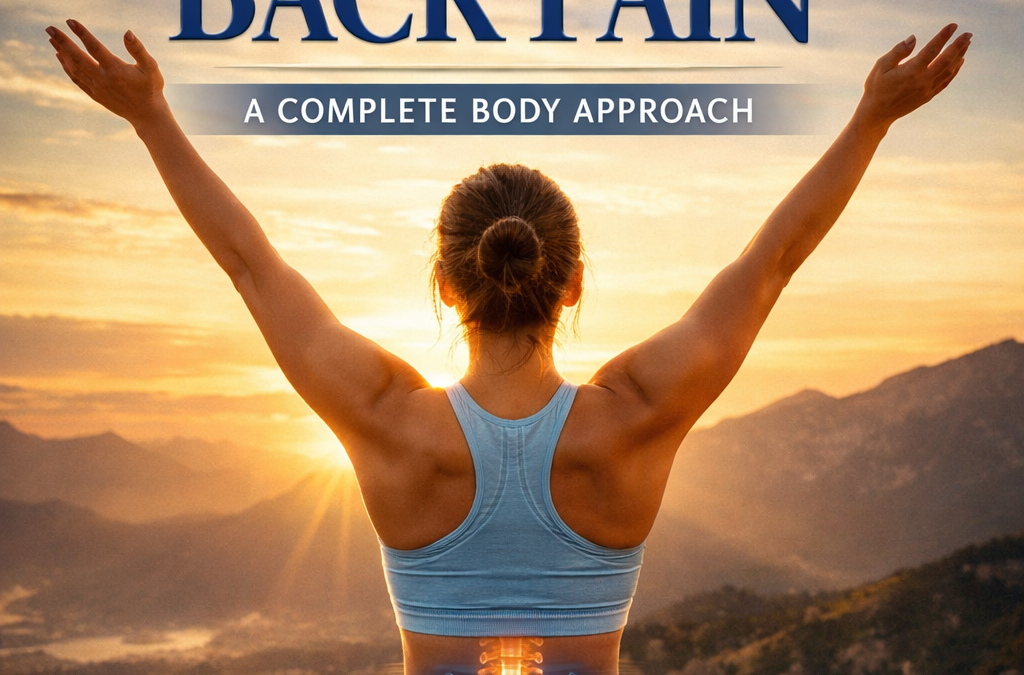
Posture and Pain: How Correct Alignment Relieves Back Pain, Improves Performance, and Protects Your Spine London
Quick Summary: How I Can Help You Improve Your Posture
Poor posture is one of the biggest hidden causes of back pain, neck pain, shoulder injuries, and reduced athletic performance. Modern lifestyles — long hours at desks, constant phone use, and lack of corrective exercise — are creating widespread postural problems for both athletes and everyday workers.
If you are struggling with pain, poor movement, or reduced performance, a structured posture and corrective exercise programme can make a dramatic difference.
What you get when you work with me
- A full postural and movement assessment
- Identification of muscle imbalances and alignment issues
- A personalised corrective exercise programme
- Strength and mobility training to restore proper posture
- Coaching to improve sports performance
- Strategies to reduce pain from desk work and phone use
The goal is simple: reduce pain, improve posture, and help your body perform the way it was designed to.
Why Posture Is One of the Most Important Factors in Physical Health
Posture is often misunderstood as simply standing up straight, but in reality it refers to how your spine, joints, and muscles align during movement and under load.
Good posture allows the body to distribute stress evenly throughout the muscles and joints. When posture is poor, certain areas of the body absorb too much stress, which can eventually lead to pain and injury.
Your spine has natural curves that help it absorb shock and distribute weight effectively. When posture is correct, the muscles surrounding the spine support this structure and protect the joints.
However, when posture becomes compromised, the load shifts away from muscles and onto the spinal joints, discs, and ligaments.
Over time, this can contribute to:
- Chronic lower back pain
- Neck stiffness and headaches
- Shoulder pain or impingement
- Reduced mobility
- Poor movement mechanics
- Increased risk of injury
Many people live with these problems for years without realising that postural alignment is a major contributing factor.
The Modern Posture Problem: Phones, Desks, and Technology
Modern lifestyles have dramatically changed how we use our bodies.
Many people now spend most of their day:
- Sitting at a desk
- Working on laptops
- Looking down at smartphones
- Driving
- Watching screens
This leads to a common posture pattern known as forward head posture and rounded shoulders.
When the head moves forward from its natural position, the muscles of the neck and upper back must work much harder to support it.
The human head weighs roughly 4.5 to 5 kilograms, but when it moves forward even a few centimetres, the load on the neck increases significantly.
In extreme cases, the neck may experience the equivalent of 20–25 kilograms of force.
This repeated strain contributes to:
- Neck pain
- Upper back tightness
- Shoulder dysfunction
- Tension headaches
- Reduced spinal mobility
Constant phone use is particularly problematic because it encourages people to spend long periods looking down, which reinforces poor posture patterns.
Over time, the body adapts to these positions, making poor posture the new normal.
The Connection Between Poor Posture and Back Pain
Back pain is one of the most common health complaints worldwide, and poor posture is often a major factor.
When the spine is misaligned, the body compensates in several ways.
Poor posture can cause
- Uneven joint loading
- Muscle imbalances
- Reduced core stability
- Restricted mobility
- Increased stress on spinal discs
For example, when the pelvis tilts too far forward or backward, the natural curvature of the lower spine becomes altered.
This can lead to excessive pressure on the lumbar joints and surrounding structures.
Over time, the muscles that should support the spine become weak or inhibited, while other muscles become tight and overworked.
This imbalance creates a cycle where the body becomes increasingly inefficient at supporting itself.
Correcting posture helps restore proper load distribution so that the spine and surrounding muscles function together as they were designed to.
How Posture Affects Athletic Performance
Posture is not only important for preventing pain — it also plays a huge role in athletic performance.
Athletes rely on efficient movement patterns to generate power, speed, and stability. Poor posture disrupts these patterns and can significantly limit performance.
When posture is compromised, muscles cannot generate force as effectively because they are working from poor alignment.
This can lead to:
- Reduced strength
- Slower sprinting speed
- Limited mobility
- Poor balance
- Increased injury risk
Improving posture often allows athletes to move more efficiently and produce more power.
Posture benefits athletes in different sports
Tennis players rely heavily on spinal rotation and shoulder mechanics. Good posture improves rotational power and allows for stronger serves and groundstrokes.
Footballers benefit from proper pelvic alignment, which improves sprinting mechanics, agility, and balance when changing direction.
Golfers depend on thoracic spine mobility and proper posture for an efficient swing. Poor posture can limit rotation and reduce power.
Bodybuilders rely on posture for both performance and presentation. Rounded shoulders or forward head posture can reduce the visual width of the upper body and affect stage presence.
Correct posture allows muscles to work together efficiently, improving both performance and aesthetics.
Posture and Physique: Why It Matters for Bodybuilders
In physique sports, posture can completely change how the body appears on stage.
Even athletes with excellent muscle development can appear smaller or less balanced if their posture is poor.
Common posture issues that affect stage appearance include:
- Forward head posture
- Rounded shoulders
- Collapsed chest
- Poor scapular positioning
These problems can reduce the appearance of upper body width and symmetry.
When posture improves, athletes often notice:
- A broader upper body
- Better shoulder positioning
- Improved chest presentation
- A more confident stage presence
Corrective exercise can play a major role in helping physique athletes display their physique at its best.
Winged Scapula: A Common Posture Issue in Women
Many women experience a condition called winged scapula, where the shoulder blade protrudes away from the rib cage instead of lying flat against it.
This problem is often related to:
- Poor posture
- Weak upper back muscles
- Weak serratus anterior muscles
- Lack of upper body strength training
- Long periods of desk work
The serratus anterior muscle plays an essential role in stabilising the shoulder blade during pushing movements.
When this muscle is weak, the scapula may move improperly, which can lead to shoulder instability and reduced strength.
Winged scapula can cause
- Difficulty performing press-ups
- Weak pushing movements
- Shoulder discomfort
- Reduced upper body strength
- Poor shoulder mechanics
Fortunately, targeted corrective exercise can dramatically improve scapular stability and restore proper movement patterns.
The Role of Corrective Exercise in Improving Posture
Corrective exercise focuses on identifying and addressing the root causes of poor posture rather than simply treating symptoms.
A well-designed programme typically focuses on three key areas.
1. Mobility
Restricted joints often force the body into poor positions.
Mobility training may include exercises that improve movement in the:
- Thoracic spine
- Shoulders
- Hips
Improving mobility allows the body to move through a full range of motion.
2. Muscle Activation
Certain muscles become weak or inactive when posture deteriorates.
Commonly underactive muscles include:
- Glutes
- Deep core stabilisers
- Lower trapezius
- Serratus anterior
- Deep neck flexors
Activation exercises help restore proper muscle engagement.
3. Strength Development
Strength training reinforces good posture by building the muscles that support the spine and joints.
Important areas include:
- Upper back strength
- Posterior chain development
- Core stability
- Shoulder stabilisation
Over time, these exercises help the body maintain good posture naturally.
Why Exercise Is Essential for Good Posture
One of the biggest myths about posture is that it can be corrected simply by trying to sit or stand straighter.
In reality, posture depends on muscular strength, endurance, and coordination.
If the muscles responsible for maintaining posture are weak, the body will naturally fall back into poor alignment.
Key muscles that support posture include:
- Glutes
- Core stabilisers
- Upper back muscles
- Deep neck flexors
- Serratus anterior
Regular exercise strengthens these muscles and helps maintain proper spinal alignment.
Without exercise, posture tends to deteriorate over time.
Daily Habits That Help Improve Posture
In addition to structured training, small lifestyle changes can make a big difference.
Practical strategies include
- Raising screens to eye level
- Avoiding long periods looking down at phones
- Taking movement breaks every 30–45 minutes
- Strengthening the upper back
- Stretching the chest and hip flexors
- Performing regular mobility exercises
Consistency is more important than perfection.
Small improvements practiced daily can lead to major long-term benefits.
Frequently Asked Questions About Posture
Can poor posture really cause back pain?
Yes. When posture is poor, stress shifts onto spinal joints and surrounding tissues, which can lead to pain and inflammation over time.
How long does it take to correct posture?
Many people begin noticing improvements within four to six weeks when following a structured corrective exercise programme.
Can posture affect sports performance?
Absolutely. Good posture allows muscles to generate force more efficiently, improving strength, speed, and coordination.
Is forward head posture reversible?
In most cases, yes. With targeted mobility work, strengthening exercises, and improved habits, posture can improve significantly.
Why do many women struggle with winged scapula?
This often occurs due to weak serratus anterior muscles combined with poor posture and limited upper body strength training.
Final Thoughts: Posture Is the Foundation of Pain-Free Movement
Posture is one of the most overlooked aspects of physical health and performance.
When alignment is correct, the body can move efficiently and distribute load properly across muscles and joints.
When posture breaks down, the body compensates in ways that eventually lead to pain, stiffness, and reduced performance.
The good news is that posture can improve dramatically with the right combination of:
- Corrective exercise
- Strength training
- Mobility work
- Better daily habits
Improving posture not only helps reduce pain but can also enhance athletic performance and overall quality of life.
How to Get in Touch
If you are experiencing:
A structured posture and corrective exercise programme can help restore proper movement and relieve pain.
Whether you are an office worker sitting all day, an athlete looking to improve performance, or someone who simply wants to move and feel better, improving posture is one of the most effective steps you can take.
Reach out today to start improving your posture, reduce pain, and get your body functioning at its best.
by Scott Bryant | Mar 5, 2026 | online personal training
Say Goodbye to Back Pain and Stubborn Weight: Your Complete Guide to a Pain-Free, London
Healthier Life“Struggling with back pain or stubborn weight? Discover pain-friendly workouts, nutrition tips, and expert guidance for lasting relief.”
If you’re tired of waking up with back pain, struggling to lose weight, or feeling trapped in a cycle of discomfort and frustration, you’re not alone. Millions face these challenges every day—but the good news? You don’t have to accept it as “just part of getting older.”
In this blog, we’ll break down why back pain and weight issues are connected, the most effective ways to relieve chronic pain, and actionable steps to finally reach your health goals.
Understanding the Link Between Back Pain and Weight Gain
Excess weight puts extra stress on your spine, hips, and joints, which can worsen back pain over time. But pain can also keep you from moving—leading to a vicious cycle of inactivity, muscle weakness, and more weight gain.
Here’s the truth: the solution isn’t just “move more” or “eat less.” It’s a strategic approach that strengthens your body, improves posture, and targets weight loss safely without worsening your pain.
3 Key Strategies to Reduce Pain and Lose Weight
1. Strengthen Your Core and Stabilize Your Spine
A strong core acts like a natural brace for your back. Focusing on low-impact exercises like planks, bridges, and resistance band routines can help reduce back strain while improving overall mobility.
2. Move Smarter, Not Harder
Traditional cardio can aggravate pain. Instead, try pain-friendly movements like swimming, recumbent cycling, or walking with proper posture. These get your heart rate up without hurting your back.
3. Nutrition That Supports Recovery and Fat Loss
Eating to fuel your body matters. Anti-inflammatory foods like leafy greens, berries, lean proteins, and healthy fats can reduce pain and support weight loss simultaneously. Avoid crash diets—they’ll only slow your metabolism and make pain worse.
Why Most People Fail at Pain Relief and Weight Loss
The biggest mistake? Going it alone. Many try generic workouts or diets that don’t account for their back pain, leading to frustration, injuries, or stalled progress.
That’s where a personalized program makes all the difference. With expert guidance, you can:
-
Relieve back pain and improve posture
-
Lose weight safely and sustainably
-
Build strength, mobility, and confidence
Success Stories That Speak for Themselves
Take Jane, a client who struggled with chronic lower back pain and 25 pounds of stubborn weight. After 12 weeks of customized training and nutrition guidance, she lost 20 pounds, strengthened her core, and is now pain-free enough to play with her kids again.
Stories like Jane’s aren’t rare—they’re the norm when you combine smart exercise, proper nutrition, and expert coaching.
Ready to Take the First Step?
If you’re done letting back pain and weight hold you back, the solution is closer than you think. Schedule a free consultation today, and we’ll create a custom plan designed just for you—one that targets pain relief, fat loss, and long-term health.
Click here to start your journey to a pain-free, stronger, and healthier you.
Most Frequently Asked Questions (FAQs)
-
What exercises are safe for lower back pain?
-
How quickly can I expect pain relief with exercise and nutrition?
-
Do I need a personal trainer for back pain and weight loss?
-
Which foods help reduce inflammation and support fat loss?
-
How often should I exercise if I have back pain?
-
Will weight loss alone reduce my back pain?
-
“Top 5 Stretches to Relieve Lower Back Pain at Home”
-
“Anti-Inflammatory Meal Plan for Weight Loss and Pain Reduction”
-
“Beginner-Friendly Core Strengthening Exercises for Back Pain”
-
“The Truth About Sitting, Posture, and Chronic Pain”
-
“How to Track Progress Without Straining Your Back”
-
“Success Stories: How Clients Lost Weight and Reduced Pain Safely”
-
“Mistakes That Make Back Pain Worse During Workouts”
Book Your Pain & Posture Assessment in Battersea
Ready to feel better, stand taller, and move pain-free?
➡️ Serious About Results? Book Your Consultation (£150)
In-person sessions in Battersea | Serving South West & Central London
Call: 07352 316 943
by Scott Bryant | Feb 21, 2026 | online personal training
Football Injury: Prevention Near Me and Rehabilitation in Battersea
In football, injuries aren’t just part of the game—they can be career-defining. A sprained ankle, hamstring strain, or persistent knee issue can sideline even the fittest players for weeks. That’s where a holistic approach to recovery and prevention comes in, combining kinesiology, nutrition, lifestyle habits, and corrective exercise.
Football demands explosive movements, sudden changes of direction, and sustained endurance. Over time, these stressors can lead to muscular imbalances, joint restrictions, and chronic inflammation. Traditional rehab often focuses only on the injured area, neglecting the wider system that caused the problem in the first place.
How Scott Helps Footballers Recover Faster
Scott Bryant, a personal trainer and specialist in football rehab in Battersea, brings a unique, integrative approach. His clients often recover faster and come back stronger thanks to a combination of:
1. Kinesiology for Faster Healing
Scott evaluates movement patterns, muscle imbalances, and compensations that could cause injuries. Targeted interventions restore proper function, so you don’t just recover—you return fitter and more resilient.
2. Nutrition That Accelerates Recovery
Scott provides nutrition guidance tailored to footballers, from anti-inflammatory foods to muscle-repairing protein strategies. Recovery isn’t just what happens in the gym—it happens on your plate too.
3. Lifestyle Optimisation
Sleep, stress management, and recovery routines are all part of Scott’s program. Simple tweaks—like improved sleep cycles or active recovery days—can dramatically reduce downtime.
4. Corrective Exercise to Prevent Recurrence
Rehab alone isn’t enough. Scott implements corrective exercises that strengthen stabilising muscles, improve joint mobility, and reinforce proper movement mechanics—so injuries are less likely to come back.
Results You Can Expect
- Faster recovery from sprains, strains, and joint injuries
- Improved strength, flexibility, and movement efficiency
- Reduced risk of recurring injuries
- Enhanced on-pitch performance and endurance
- Practical lifestyle and nutrition strategies that support long-term fitness
FAQs
Q: How soon can I start?
A: Scott offers same-week assessments in Battersea. The sooner you begin, the faster your recovery and performance improvements.
Q: Is this suitable for all levels?
A: Absolutely—whether you play weekend league football, semi-professional, or are returning from a professional career, the program is tailored to your level.
Q: How long until I see results?
A: Many players notice improvements in movement quality and pain reduction within 1–2 sessions. Full recovery and performance gains depend on injury type, but most clients see major progress within weeks.
Q: Do I need special equipment?
A: No—most rehab and corrective exercises are bodyweight or minimal equipment based, though optional tools can enhance recovery.
When to Book
Don’t wait for an injury to get worse. In Battersea, slots with Scott fill quickly. The earlier you start, the faster you’ll be back on the pitch and performing at your best.
Book Your Assessment with Scott Now
Related Blogs