Diet, Lifestyle, And Nutrition Exercise Tips Battersea

Diet, Lifestyle, And Nutrition Exercise Tips Battersea

10 Days Diet, Lifestyle, and Nutrition Exercise

Diet Tips for a Healthier, Balanced Life Battersea 

There are so many fad diets out there I can't even keep up. I've tried a few myself, some have worked (to an extent) and some not at all.

There are so many fad diets out there I can’t even keep up. I’ve tried a few myself, some have worked (to an extent) and some not at all.

1. Eat a Balanced Diet Battersea 

  • Why It’s Important: A balanced diet ensures your body gets the essential nutrients it needs to function properly. This includes a mix of proteins, carbohydrates, healthy fats, vitamins, and minerals.
  • Tip: Fill half your plate with fruits and vegetables, a quarter with lean protein, and a quarter with whole grains. Incorporate healthy fats like avocados, nuts, and olive oil coconut, oils into your meals.

10 Diet, Lifestyle, And Nutrition Exercise Tips

2. Stay Hydrated

  • Why It’s Important: Proper hydration is crucial for digestion, circulation, temperature regulation, and overall health.
  • Tip: Aim to drink at least 8 glasses (about 2 liters) of water per day. but this depends on your hight and body weight. 0.33 you pounds in body weight. You can increase your intake by carrying a water bottle, eating water-rich foods like cucumbers and watermelon, and setting reminders to drink throughout the day.

3. Prioritize Whole Foods

  • Why It’s Important: Whole foods are minimally processed and retain more of their natural nutrients compared to processed foods, which often contain added sugars, unhealthy fats, and artificial ingredients.
  • Tip: Focus on eating whole foods like fruits, vegetables, whole grains, lean proteins, and healthy fats. Avoid or limit processed foods, sugary snacks, and fast food.have them only as treat 

4. Practice Portion Control

  • Why It’s Important: Overeating, even healthy foods, can lead to weight gain and digestive issues. Portion control helps manage calorie intake and maintain a healthy weight.
  • Tip: Use smaller plates and bowls to help control portions. Pay attention to hunger and fullness cues, and avoid eating directly from large packages.all use palm size of your hands.

5. Incorporate Regular Exercise

  • Why It’s Important: Regular physical activity improves cardiovascular health, builds strength, boosts mood, and helps manage weight.
  • Tip: Aim for at least 150 minutes of moderate aerobic activity or 75 minutes of vigorous activity per week, combined with strength training exercises at least 4 times  a week.
10 Diet, Lifestyle, And Nutrition Exercise Tips

women sleep for fat loss

6. Get Enough Sleep

  • Why It’s Important: Adequate sleep is essential for overall health, affecting everything from brain function and mood to metabolism and immune system strength.
  • Tip: Aim for 7-9 hours of quality sleep per night. Establish a regular sleep routine, avoid screens before bedtime, and create a restful sleep environment.

7. Manage Stress Effectively

  • Why It’s Important: Chronic stress can lead to health issues like heart disease, depression, and weight gain. Managing stress promotes overall well-being.
  • Tip: Practice stress management techniques such as deep breathing, meditation, yoga, or spending time in nature. Regular physical activity and maintaining social connections also help reduce stress.

8. Eat Mindfully

  • Why It’s Important: Mindful eating encourages better food choices, improves digestion, and prevents overeating by helping you tune into your body’s hunger and fullness signals.
  • Tip: Eat slowly, savor each bite, and avoid distractions like TV or smartphones while eating. Focus on how your food tastes, smells, and feels.

9. Plan Your Meals and Snacks

  • Why It’s Important: Meal planning helps ensure you have healthy options readily available, reducing the temptation to opt for less nutritious foods.
  • Tip: Plan your meals and snacks for the week, focusing on balanced nutrition. Prepare and portion meals in advance to make healthy eating more convenient.

10 Diet, Lifestyle, And Nutrition Exercise Tips

10. Limit Sugar and Salt Intake

  • Why It’s Important: Excessive sugar and salt intake can lead to health problems like obesity, high blood pressure, and heart disease.
  • Tip: Reduce your consumption of sugary drinks, desserts, and processed snacks. Season foods with herbs and spices instead of salt, and choose whole foods over processed ones to naturally reduce sugar and salt intake.sea salt is better for you with over 40 minerals.

By incorporating these tips into your daily routine, you can create a healthier, more balanced lifestyle that supports your overall well-being.

Nutrition is essential when paired with an exercise program because it directly impacts your performance, recovery, and overall health. Here’s why nutrition is a must with any exercise program:

1. Provides Energy for Workouts Battersea 

  • Fuel for Exercise: Carbohydrates, proteins, and fats provide the energy needed to power through workouts. Carbohydrates are particularly important as they are the body’s primary energy source during exercise, especially high-intensity activities.
  • Improves Performance: Proper nutrition ensures that your body has enough energy to sustain performance, allowing you to work out harder and longer.

10 Diet, Lifestyle, And Nutrition Exercise Tips

2. Supports Muscle Growth and Repair

  • Protein for Recovery: Exercise, especially strength training, causes small tears in muscle fibers. Protein is crucial for repairing and rebuilding these muscles, leading to growth and increased strength.
  • Aids in Recovery: Adequate nutrition, including post-workout protein and carbohydrates, helps speed up recovery, reducing muscle soreness and fatigue.

3. Maintains Immune Function

  • Nutrient-Rich Diet: Vitamins and minerals, particularly those found in fruits and vegetables, support immune function. A strong immune system helps you recover from exercise stress and reduces the risk of illness. D3 with k can help keep your immune system strong.
  • Prevents Overtraining Syndrome: Proper nutrition helps balance the stress of exercise, preventing overtraining, which can weaken the immune system and lead to injury or illness.

4. Supports Weight Management

  • Caloric Balance: Nutrition helps manage caloric intake, dose not work for heath.which is crucial for weight management. To lose weight, you need to create a calorie deficit, while gaining muscle requires a caloric surplus.
  • Healthy Metabolism: Eating a balanced diet with regular meals keeps your metabolism functioning efficiently, supporting weight management goals.

5. Optimizes Body Composition

  • Fat Loss and Muscle Gain: Proper nutrition helps reduce body fat while preserving lean muscle mass. This improves body composition, leading to a leaner and more toned physique.
  • Nutrient Timing: Eating the right nutrients at the right times, such as pre- and post-workout meals, can enhance fat loss and muscle gain.

6. Enhances Overall Health

  • Prevents Deficiencies: A balanced diet ensures you get all the essential nutrients, preventing deficiencies that can affect health and performance.
  • Reduces Chronic Disease Risk: Proper nutrition lowers the risk of chronic diseases such as heart disease, diabetes, and obesity, which can be exacerbated by poor diet and lack of exercise.

7. Improves Mental Focus and Mood

  • Brain Health: Nutrients like omega-3 fatty acids, vitamins, and minerals support brain function, improving focus, concentration, and mood during workouts.
  • Prevents Mood Swings: Balanced blood sugar levels from a nutritious diet help maintain stable energy and mood, making it easier to stay motivated and committed to your exercise routine.

8. Hydration and Electrolyte Balance

  • Prevents Dehydration: Proper hydration is essential for maintaining energy levels, preventing cramps, and regulating body temperature during exercise.
  • Electrolyte Balance: Consuming enough electrolytes, especially during intense or prolonged exercise, helps maintain fluid balance and prevents dehydration-related issues like fatigue and dizziness.

9. Maximizes Long-Term Results

  • Sustained Progress: Good nutrition supports consistent progress in your fitness journey, helping you achieve and maintain your goals over the long term.
  • Prevents Plateaus: Proper nutrition can help you avoid performance plateaus by ensuring your body has all the resources it needs to keep improving.

10. Supports Overall Lifestyle Balance

  • Healthy Habits: Combining exercise with good nutrition encourages a holistic approach to health, promoting overall well-being and making it easier to stick to a healthy lifestyle.
  • Longevity: A balanced diet combined with regular exercise contributes to a longer, healthier life, reducing the risk of age-related diseases and maintaining physical function as you age.

Conclusion

Nutrition and exercise are interconnected and mutually supportive. While exercise provides the stimulus for fitness improvements, nutrition supplies the building blocks and energy needed to achieve those improvements. Proper nutrition ensures that your body can perform at its best, recover effectively, and progress towards your health and fitness goals. Without proper nutrition, your exercise efforts may not yield the results you’re aiming for, making it a critical component of any fitness program.

Breathing Patterns And Your Exercise Program London

Breathing Patterns And Your Exercise Program London

Optimize Your Workouts: The Importance of Breathing Patterns

️ Breathing Patterns & Your Exercise Program – London’s Holistic Fitness Coach Explains

Did you know your breathing pattern can make or break your workout? In London, Scott Bryant — holistic personal trainer and CHEK practitioner — helps clients optimise their breath for better strength, posture, energy, and fat loss.

✅ Reduce stress & boost recovery
✅ Improve core activation & posture
✅ Unlock power during lifts & cardio
✅ Enhance focus and endurance
✅ Perfect for beginners to elite athletes

Whether you’re doing squats, yoga, or kettlebell swings, how you breathe changes everything.

in Your Exercise Program

London

Breathing Patterns And Your Exercise Program

Releasing Diaphragm  to help with pattern Breathing disorders

Scott has found breathing pattern disorders in all of his clients. Scott himself even had a breathing pattern disorder. Until It was released on his Chek Practitioner level three course in San Diego Scott suffered from panic attacks Anxiety Tight muscles Scott was told this amazing technique to release the diaphragm and to teach his clients how to breathe again we breathe in and out 25,000 times A day There’s many things that can cause an inverted breathing pattern Sugar Stress and anxiety Medical drugs Not knowing how to relax Many Yoga students Are taught how to breathe diaphragmatically But they never  Diaphragms never get released So Scott has found With 18 years of experience of working with all different types of clients That nearly all of them come with a breathing issue So this is the first thing Scott addresses with all his Client is breathing As soon as your breathing is normal, you’re not hyperventilating anymore So stress reduction is huge pain reduction is huge brain Fog reduction Is huge It takes about 35,000 repetitions  To correct an inverted Breathing as well as Regular releasing and tell You can keep it to the diet But you will see your exercise Dramatically improve And have a lot less pain or no pain in some cases.

Breathing patterns have a profound impact on overall health, affecting everything from stress levels and pain perception to metabolic function and weight management. Here’s a detailed look at how breath influences these aspects and how poor breathing patterns can lead to pain, stress, and weight gain:

The Importance of Proper Breathing Patterns

  1. Oxygen Delivery and Energy Production:
    • Proper breathing ensures that oxygen is efficiently delivered to tissues and cells, which is crucial for energy production.
    • Inadequate oxygenation due to shallow or improper breathing can lead to fatigue and decreased physical performance.
  2. Nervous System Regulation:
    • Breathing is closely linked to the autonomic nervous system, which controls the body’s stress response.
    • Deep, diaphragmatic breathing activates the parasympathetic nervous system (rest-and-digest mode), reducing stress and promoting relaxation.
    • Shallow, chest breathing can trigger the sympathetic nervous system (fight-or-flight mode), increasing stress levels and anxiety.
  3. Pain Perception:
    • Chronic stress from poor breathing patterns can increase muscle tension and pain perception.
    • Proper breathing techniques can help manage pain by reducing stress and promoting relaxation.

How Poor Breathing Patterns Cause Pain and Stress

  1. Muscle Tension and Posture:
    • Shallow breathing often involves the upper chest and shoulders rather than the diaphragm, leading to increased tension in the neck, shoulders, and upper back.
    • This can result in poor posture, which further exacerbates muscle pain and discomfort.
  2. Chronic Stress Response:
    • Continuous shallow breathing keeps the body in a state of chronic low-grade stress.
    • This can lead to elevated cortisol levels, which are associated with increased pain sensitivity, inflammation, and various stress-related disorders.

Impact on Weight Gain

  1. Cortisol and Fat Storage:
    • Chronic stress from improper breathing patterns leads to elevated cortisol levels.
    • High cortisol is linked to increased appetite, cravings for high-calorie foods, and abdominal fat storage.
  2. Metabolic Dysfunction:
    • Poor breathing can affect the body’s ability to utilize oxygen efficiently, impacting metabolic processes.
    • This can lead to reduced energy expenditure and increased fat storage.

Strategies for Improving Breathing Patterns

  1. Diaphragmatic Breathing:
    • Practice deep breathing techniques that engage the diaphragm. This involves inhaling deeply through the nose, allowing the abdomen to rise, and exhaling fully.
    • Aim for slow, controlled breaths to promote relaxation and efficient oxygen exchange.
  2. Mindfulness and Relaxation Techniques:
    • Incorporate mindfulness practices such as meditation, yoga, or tai chi to improve breathing awareness and reduce stress.
    • These practices encourage deep, rhythmic breathing and help reset the body’s stress response.
  3. Breathing Exercises:
    • Perform specific breathing exercises like the 4-7-8 technique (inhale for 4 seconds, hold for 7 seconds, exhale for 8 seconds) to promote relaxation and reduce stress.
    • Regular practice of these exercises can reprogram your breathing patterns for better health outcomes.
  4. Postural Awareness:
    • Maintain good posture to facilitate proper breathing mechanics.
    • Avoid slumping or hunching, which can restrict the diaphragm and promote shallow breathing.

Conclusion

Breathing properly is a fundamental aspect of health that affects physical, emotional, and metabolic well-being. By understanding the impact of breathing patterns on stress, pain, and weight gain, and by incorporating techniques to improve breathing, you can enhance overall health and reduce negative outcomes associated with poor breathing habits.

Shamanic Energy Medicine Healing: Empower Yourself to Heal

Shaman Practitioner

If you’re looking for a truly holistic check, Personal Trainer in London Then Scott can definitely help you If you want to breed better move better Have less pain, no anxiety And feel great again, send Scott an email or Live Chat On Web Site
7 Ways To Improve Your Health Without Exercise Detox

7 Ways To Improve Your Health Without Exercise Detox

6 Ways to Improve Your Health Without Exercise: Expert Advice

With over 33 years of exercise. and lifestyle experience I decided to write this blog on seven ways to improve your health without exercise and detoxify your body I’ve been using these techniques for all of my life detoxing and saunas Epson salt baths Massage as well as stretching these seven things you can do can dramatically improve your health and keep you away from the doctor give them a try
1.Epsom salt baths are often touted for their potential health benefits, particularly for relaxation, muscle soreness relief, and detoxification. Here’s how they work and some guidelines on when and how to use them:
  1. Relaxation: Epsom salt baths are known for their calming effect on the body. The magnesium sulfate in Epsom salt can help promote relaxation by increasing serotonin levels in the brain, which can improve mood and reduce stress.
  2. Muscle soreness relief: The magnesium in Epsom salt can also help relieve muscle soreness and tension. Magnesium is essential for muscle function, and soaking in an Epsom salt bath may help replenish magnesium levels in the body, reducing muscle cramps and soreness.
  3. Detoxification: While there’s limited scientific evidence to support the claim that Epsom salt baths detoxify the body, proponents suggest that the salts draw toxins out of the body through the skin. However, the skin is not a major detoxification organ, and the body primarily relies on the liver and kidneys to eliminate toxins.

Here’s how to take an Epsom salt bath effectively:

  • Dissolve the salts: Add 1-2 cups of Epsom salt to a warm bath and allow it to dissolve completely. The water should be comfortably warm but not too hot, as hot water can be drying to the skin.
  • Soak for 15-20 minutes: Soak in the Epsom salt bath for about 15-20 minutes to allow your body to absorb the magnesium and enjoy the relaxation benefits.
  • Hydrate: Drink plenty of water before and after the bath to stay hydrated, as soaking in hot water can cause dehydration.
  • Frequency: You can take Epsom salt baths a few times a week or as needed for relaxation and muscle soreness relief. However, it’s essential to listen to your body and not overdo it, as excessive magnesium absorption can have adverse effects.
  • Consult a healthcare professional: If you have any underlying health conditions or concerns, it’s always a good idea to consult with a healthcare professional before incorporating Epsom salt baths into your routine.

While Epsom salt baths can be a relaxing and enjoyable way to unwind, they may not be suitable for everyone. It’s essential to consider your individual health needs and consult with a healthcare professional if you have any questions or concerns.

2.Why and how massage can help the body heal and recover after exercise and how it can help with sports performance:

Massage therapy can play a significant role in promoting healing and recovery after exercise, as well as enhancing sports performance, for several reasons:

  1. Improved circulation: Massage helps to increase blood flow to the muscles, which delivers oxygen and nutrients essential for muscle repair and recovery. Enhanced circulation also helps to remove metabolic waste products such as lactic acid, reducing muscle soreness and fatigue.
  2. Reduced muscle tension: Intense exercise can cause muscle fibers to become tight and tense, leading to discomfort and decreased range of motion. Massage helps to release muscle tension by applying pressure to specific areas, promoting relaxation and flexibility.
  3. Faster recovery: By increasing blood flow and reducing muscle tension, massage accelerates the recovery process after exercise. This can help athletes return to training or competition more quickly and effectively.
  4. Prevention of injury: Regular massage therapy can help identify and address areas of muscle tightness or imbalance before they develop into more significant issues. By maintaining optimal muscle function and flexibility, athletes can reduce their risk of injury during training and competition.
  5. Stress reduction: Physical activity, particularly intense training or competition, can place significant stress on the body and mind. Massage therapy promotes relaxation and reduces stress hormones such as cortisol, helping athletes to recover both physically and mentally.
  6. Enhanced sports performance: When muscles are relaxed, flexible, and properly recovered, athletes can perform at their best. Massage therapy can improve range of motion, agility, and overall mobility, contributing to better sports performance.

Overall, massage therapy can be a valuable tool for athletes looking to optimize their training, recovery, and performance. It’s essential to work with a qualified massage therapist who understands the specific needs and goals of athletes and can tailor treatment accordingly. Additionally, incorporating massage into a comprehensive training and recovery plan that includes proper nutrition, hydration, and rest will maximise its benefits for overall athletic performance.

3.How and why stretching can help your body regain flexibility:

Stretching is an essential component of maintaining and improving flexibility, and it offers several benefits for the body:

  1. Increased muscle length: When you stretch regularly, you gradually lengthen the muscle fibers, which leads to improved flexibility. This increased muscle length allows for greater range of motion in the joints, enhancing overall mobility and reducing the risk of injury during physical activity.
  2. Improved circulation: Stretching helps to increase blood flow to the muscles, delivering oxygen and nutrients necessary for tissue repair and recovery. Enhanced circulation also aids in the removal of metabolic waste products, such as lactic acid, which can accumulate during exercise and contribute to muscle soreness and fatigue.
  3. Enhanced joint health: Stretching promotes the lubrication of the joints and helps to maintain their range of motion. By regularly moving through a full range of motion, you can prevent stiffness and reduce the risk of joint pain and degenerative conditions, such as arthritis, as you age.
  4. Reduced muscle tension: Stretching can help alleviate muscle tightness and tension, which often result from prolonged periods of sitting, repetitive movements, or intense physical activity. By lengthening the muscles and releasing built-up tension, stretching promotes relaxation and improves overall muscle function.
  5. Improved posture: Tight muscles can contribute to poor posture, leading to discomfort and musculoskeletal imbalances. Regular stretching can help to lengthen tight muscles, correct muscular imbalances, and promote proper alignment of the spine and joints, leading to improved posture and reduced risk of pain and injury.
  6. Enhanced athletic performance: Flexibility is essential for optimal athletic performance, as it allows athletes to move more efficiently and effectively. By incorporating stretching into their training regimen, athletes can improve agility, speed, and power, ultimately enhancing their overall athletic performance.

To effectively regain flexibility through stretching, it’s essential to incorporate a variety of stretching techniques, including static, dynamic, and proprioceptive neuromuscular facilitation (PNF) stretches, into your routine. Additionally, consistency is key—regular stretching over time will gradually improve flexibility and mobility throughout the body. However, it’s important to stretch safely and avoid overstretching, which can lead to injury. Always warm up before stretching, and never force a stretch beyond your comfortable range of motion. If you have any underlying health conditions or concerns, consult with a healthcare professional or a qualified fitness trainer before beginning a stretching program.

4.How fasting can help help your body and mind detox:

Fasting is often touted as a method for “detoxifying” the body, but it’s essential to understand how fasting affects the body’s natural detoxification processes and its potential benefits for both the body and mind:

  1. Autophagy: Fasting triggers a process called autophagy, which is the body’s way of cleaning out damaged cells and regenerating new, healthy cells. During fasting, cells undergo a process of self-cleansing, breaking down and recycling old or damaged cellular components. This can help remove toxins and waste products from the body, supporting overall cellular health and function.
  2. Reduced inflammation: Fasting has been shown to reduce markers of inflammation in the body. Chronic inflammation is linked to various health issues, including cardiovascular disease, diabetes, and autoimmune conditions. By reducing inflammation, fasting may support overall health and potentially contribute to a “detox” effect by promoting a more balanced immune response.
  3. Improved insulin sensitivity: Fasting can help regulate blood sugar levels and improve insulin sensitivity. Insulin resistance is associated with metabolic disorders such as type 2 diabetes and obesity. By optimizing insulin function, fasting may support metabolic health and reduce the risk of related health conditions.
  4. Enhanced cognitive function: Some research suggests that fasting may have cognitive benefits, such as improved focus, concentration, and mental clarity. Fasting may also stimulate the production of brain-derived neurotrophic factor (BDNF), a protein that supports the growth and maintenance of neurons. These cognitive benefits may contribute to a sense of mental detoxification or clarity during fasting periods.
  5. Promotion of healthy eating habits: Fasting can help reset eating patterns and promote mindfulness around food choices. By taking a break from regular eating patterns, individuals may become more aware of their hunger cues, reduce emotional eating, and make healthier food choices overall. This shift in eating habits can support long-term health and well-being.

While fasting may offer potential benefits for detoxification, it’s essential to approach fasting with caution and to consider individual health needs and goals. Fasting may not be suitable for everyone, particularly those with certain medical conditions or nutritional needs. It’s crucial to consult with a healthcare professional before starting any fasting regimen, especially if you have underlying health concerns or are taking medications. Additionally, fasting should be approached mindfully and with a focus on overall health and well-being, rather than solely as a means of detoxification.

5.How exercise helps with lymphatic systems:

Exercise plays a crucial role in supporting the lymphatic system, the network of vessels and organs responsible for carrying lymph fluid, immune cells, and waste products throughout the body. Here’s how exercise benefits the lymphatic system:

  1. Increased lymphatic flow: Unlike the cardiovascular system, which has the heart to pump blood throughout the body, the lymphatic system relies on muscle contractions and movement to propel lymph fluid. Exercise, particularly activities that involve rhythmic muscle contractions, such as walking, running, or cycling, helps to stimulate lymphatic flow, promoting the circulation of lymph fluid throughout the body.
  2. Enhanced lymphatic drainage: The lymphatic system plays a vital role in removing waste products, toxins, and excess fluid from tissues. Regular exercise helps to facilitate lymphatic drainage by encouraging the movement of lymph fluid through the lymphatic vessels and promoting the elimination of waste products from the body. This can help reduce swelling, inflammation, and fluid retention, particularly in areas prone to lymphatic congestion, such as the legs and feet.
  3. Improved immune function: The lymphatic system is closely intertwined with the immune system, as it helps to transport immune cells and antibodies throughout the body to fight infection and disease. Exercise has been shown to have immunomodulatory effects, enhancing immune function and promoting the production and circulation of immune cells within the lymphatic system. Regular physical activity can help support a robust immune response and reduce the risk of illness and infection.
  4. Reduced risk of lymphedema: Lymphedema is a condition characterized by swelling and fluid retention, often occurring as a result of damage to or obstruction of the lymphatic vessels. Exercise, particularly gentle, low-impact activities such as swimming or yoga, can help improve lymphatic circulation and reduce the risk of lymphedema by promoting the movement of lymph fluid and preventing fluid buildup in affected areas.
  5. Stress reduction: Chronic stress can impair lymphatic function and compromise immune health. Exercise has been shown to reduce stress hormones such as cortisol and promote relaxation, which can have beneficial effects on lymphatic function and overall immune function. By incorporating regular exercise into your routine, you can support a healthy lymphatic system and enhance your body’s ability to fight infection, reduce inflammation, and maintain optimal health and well-being.

6.How and why cold showers can help with body and mind:

Cold showers can offer various benefits for both the body and mind, primarily through their effects on circulation, stress response, and mood regulation. Here’s how and why cold showers can be beneficial:

  1. Improved circulation: Cold water immersion causes vasoconstriction, which is the narrowing of blood vessels. When you expose your body to cold water, blood vessels near the skin’s surface constrict, shunting blood away from the periphery and towards vital organs. This process, known as the cold-induced vasoconstriction reflex, helps to improve overall circulation by enhancing blood flow to essential organs such as the heart and brain. Improved circulation can have numerous health benefits, including better cardiovascular function and enhanced nutrient delivery to tissues.
  2. Reduced inflammation: Cold showers can help reduce inflammation in the body by decreasing blood flow to inflamed tissues. Cold water immersion activates the body’s natural anti-inflammatory response, which can alleviate symptoms of inflammation-related conditions such as muscle soreness, joint pain, and swelling. Cold therapy is often used by athletes and individuals recovering from injuries to speed up the healing process and reduce pain and inflammation.
  3. Stress relief: Cold showers can act as a form of stress exposure therapy, helping to increase resilience to stress over time. The shock of cold water triggers the release of stress hormones such as adrenaline and cortisol, activating the body’s fight-or-flight response. Regular exposure to cold water can desensitize the body’s stress response, making individuals more resilient to stressors in their daily lives. Additionally, the invigorating sensation of cold water can promote alertness and mental clarity, helping to alleviate feelings of fatigue and lethargy.
  4. Enhanced mood and energy: Cold showers have been shown to have mood-boosting effects, thanks to the release of endorphins and other feel-good neurotransmitters in response to the shock of cold water. Many people report feeling more energized, alert, and mentally focused after taking a cold shower. Cold water immersion can also stimulate the sympathetic nervous system, increasing heart rate and metabolic rate, which can contribute to a feeling of increased vitality and energy.
  5. Improved skin and hair health: Cold water can help tighten the pores and constrict blood vessels in the skin, leading to a smoother, more toned complexion. Cold showers can also help seal the hair cuticle, making hair appear shinier and less prone to breakage. Additionally, cold water can soothe itching and irritation, making it beneficial for individuals with certain skin conditions such as eczema or dermatitis.

While cold showers can offer numerous benefits, it’s important to listen to your body and gradually acclimate to cold water exposure, especially if you’re not accustomed to it. Start with brief exposures to cold water and gradually increase the duration and intensity over time as your tolerance builds. If you have any underlying health conditions or concerns, consult with a healthcare professional before incorporating cold showers into your routine.

7.Saunas have been used for centuries as a form of therapy to promote relaxation, detoxification, and overall well-being. Here are some ways in which using saunas can help you heal, detoxify, and provide other benefits:

  1. Detoxification: Sweating is one of the body’s natural mechanisms for eliminating toxins, and saunas promote sweating by raising the body’s core temperature. As you sweat in a sauna, your body releases toxins such as heavy metals, environmental pollutants, and metabolic waste products through the skin. This process can help support the body’s detoxification pathways and promote overall health and well-being.
  2. Improved circulation: The heat from a sauna causes blood vessels to dilate, increasing blood flow to the skin’s surface. This enhanced circulation helps to deliver oxygen and nutrients to tissues throughout the body while flushing out metabolic waste products. Improved circulation can promote faster healing, reduce inflammation, and alleviate muscle tension and soreness.
  3. Relaxation and stress relief: Saunas are known for their relaxing and stress-relieving effects. The heat from a sauna helps to relax muscles, soothe tension, and calm the nervous system, promoting a state of deep relaxation and mental clarity. Sauna sessions can help reduce stress hormones such as cortisol and increase the production of endorphins, the body’s natural feel-good chemicals, leading to feelings of euphoria and well-being.
  4. Muscle recovery and pain relief: Saunas can help promote muscle recovery and alleviate pain and stiffness after intense physical activity. The heat from a sauna helps to relax muscles and improve circulation, which can speed up the repair process and reduce muscle soreness. Sauna therapy is often used by athletes and individuals recovering from injuries to accelerate healing and improve overall performance.
  5. Enhanced immune function: Regular sauna use has been shown to have immunomodulatory effects, meaning it can help regulate and strengthen the immune system. The heat stress induced by saunas activates the body’s natural defense mechanisms, stimulating the production of white blood cells and antibodies that help fight off infections and illness. Sauna therapy may help reduce the frequency and severity of respiratory infections, improve immune function, and promote overall health and resilience.
  6. Skin health: Saunas can benefit the skin by promoting circulation, opening pores, and promoting the removal of dead skin cells and impurities. Regular sauna use can help improve skin tone, texture, and elasticity, leading to a healthier, more radiant complexion. Additionally, the heat from a sauna can stimulate the production of collagen, a protein that helps maintain skin firmness and elasticity, reducing the appearance of wrinkles and fine lines.

Overall, saunas can offer numerous benefits for physical and mental health, including detoxification, relaxation, pain relief, and immune support. However, it’s essential to use saunas safely and to listen to your body’s cues. Start with shorter sauna sessions and gradually increase the duration and temperature as your tolerance builds. If you have any underlying health conditions or concerns, consult with a healthcare professional before incorporating sauna therapy into your routine.

0Shares

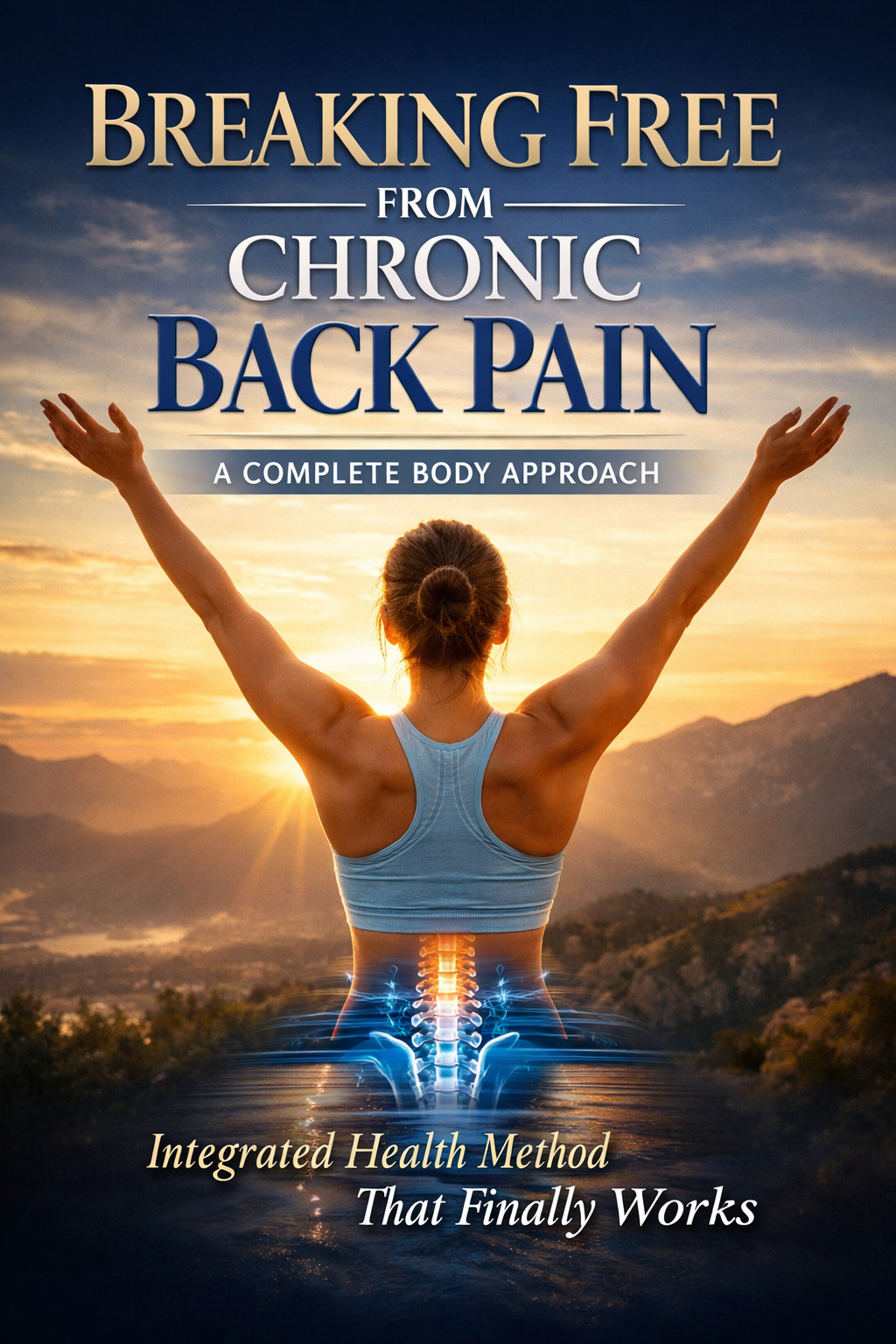
Download Your FREE eBook Subscribe below and get instant access.


“Struggling with Chronic Pain? Get Your Free Guide”

Posture and Pain: How Correct Alignment Relieves Back Pain, Improves Performance, and Protects Your Spine

“Check your email for the e-book (may take 1–2 minutes, check spam just in case"