Build Strength, Confidence & Fitness with the Best Men’s Personal Trainer in Battersea Train smarter, lift stronger, and achieve the body you’ve always wanted with expert men’s personal training in Battersea. Scott Bryant designs bespoke strength, conditioning, and nutrition plans to help you build muscle, burn fat, and boost confidence – fast and sustainably.
Fitness Tips for those over 40!
Men private training In Battersea
Men private training Scott Bryant is an exceptional men’s personal trainer in Battersea, offering a unique, holistic approach to health, fitness, and well-being. He understands the challenges many men face—balancing busy lives, poor eating and drinking habits, and inconsistent workout routines—and provides personalised solutions that work.why some men can lose weight.
Why Men Should Train with Scott Bryant
1. Tailored Approach for Men
Scott meets you where you are, designing workout programs to suit your fitness level and goals. Whether you’re a beginner or a seasoned athlete, he customizes training to help you improve posture, build strength, and reach your peak potential.
2. Work Smarter, Not Just Harder
While many men want to work out intensely, Scott emphasizes that effective training isn’t just about working hard—it’s about training smart. He analyses your body from the inside out, addressing nutrition, hydration, stress, and recovery to optimise your results.
3. Faster Results for Men over 40 years old
Thanks to hormonal advantages and more muscle mass, men’s bodies often respond faster to training. Scott leverages this to help you see tangible results quickly while ensuring sustainability through proper technique and a balanced approach.
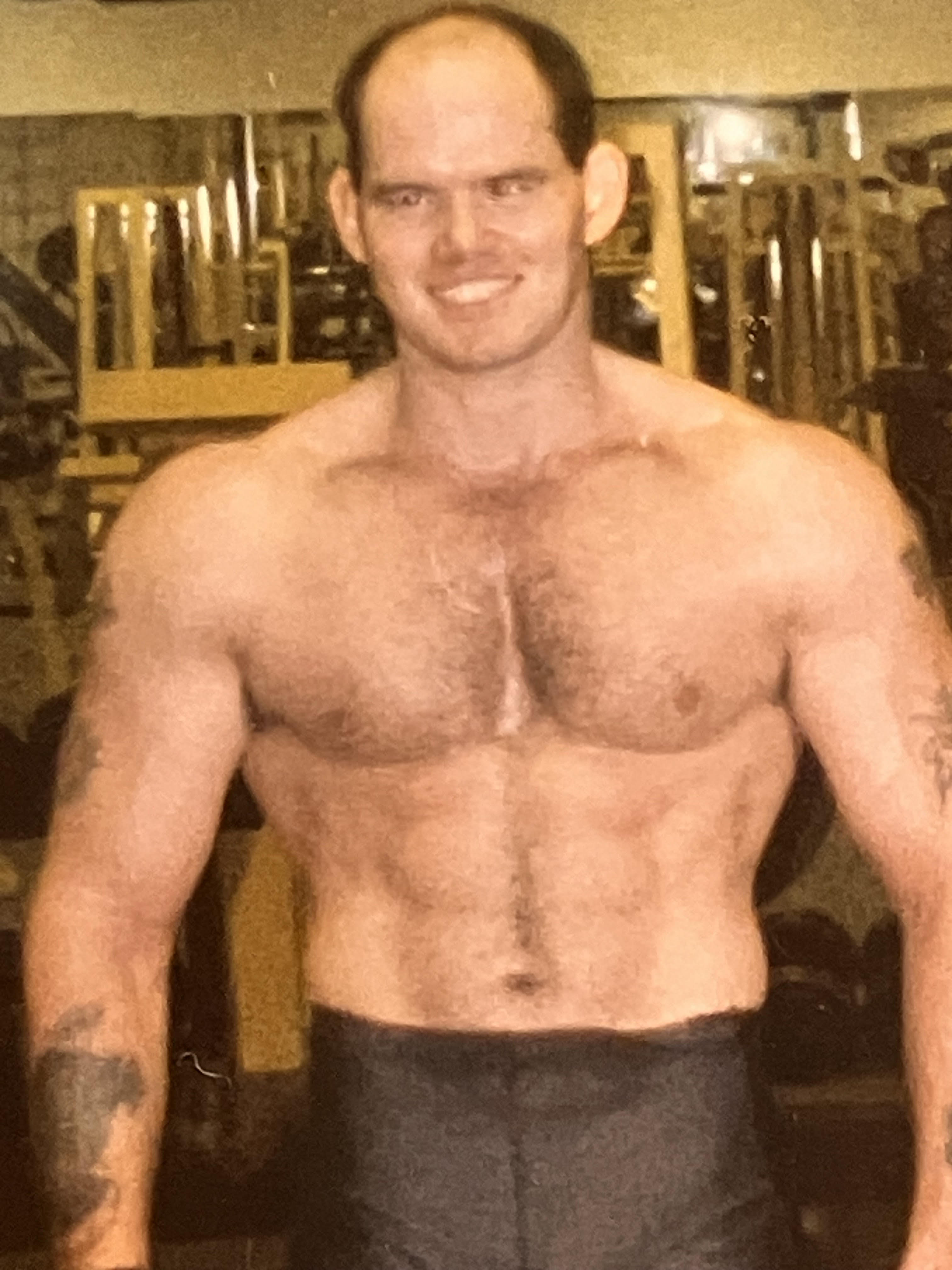
age 49 doing life of his life
Areas Scott Can Help With Men Strength and Muscle Building
Scott designs programs for men who want to increase muscle mass, improve strength, or focus on bodybuilding. His years of training ensure you use proper form and avoid injury.
Men Sports-Specific Training
Whether you’re into golf, tennis, or other sports, Scott enhances your performance by improving flexibility, strength, and endurance. He also helps prevent sports-related injuries.
For men dealing with poor posture, back pain, or other issues, Scott’s expertise in corrective exercise ensures you move better, feel better, and build a body that supports your daily activities and sports.
Slowing Down Aging
Scott helps men over 40 regain vitality, strength, and energy through targeted exercise, lifestyle coaching, and stress management. His holistic approach helps combat the natural aging process.
Scott Bryant age 19 is Essex boys gym.
Scott’s Credentials and Experience
35 Years of Fitness Experience Scott has been dedicated to training for decades, bringing unmatched expertise to his clients.
London’s First Master Paul Chek Practitioner As the first Master CHEK Practitioner level 5 in London, Scott is a leader in holistic health and fitness. His training with the Paul Chek Institute gives him the tools to assess and address all aspects of your health—physical, mental, and emotional.
Holistic Lifestyle Coaching Scott looks at your entire lifestyle, including diet, sleep, and habits, ensuring your transformation is well-rounded and lasting.
Why Scott Stands Out
Empathy and Understanding: Scott knows men often neglect their health due to busy schedules and bad habits, but he helps you reset and refocus.
Passion for Helping Others: Scott loves helping men regain their strength, fitness, and confidence, no matter their starting point.
Personalized Coaching: He creates a supportive environment where you can achieve your goals without judgment.
What Scott give you in your man personal sessions.
Focus on tissue regeneration to prevent re-injury.
In-home gym and workout program design.
Various in-depth assessments for a total overview of the client.
Guaranteed resultsthat are extra.ordinary.
Free gift upon sign-up.
No gym Membership
No joining fee
No Bs
Scott will take you.out when you reach your health goals.
And so much more!
Posted on Google
Carly Foot
Trustindex verifies that the original source of the review is Google.
I can’t put into words how grateful I am. When I first came to you, I felt stuck, heavy, and unsure if I’d ever feel like myself again. You didn’t just help me with my healing — you held space for me, listened without judgment, and guided me with such kindness and care. Slowly, day by day, I started to feel lighter, stronger, and more at peace. You have truly helped heal parts of me I thought were broken forever. Thank you for your gift, your patience, and for being exactly what I needed. I recommend you to anyone looking for real, gentle, and meaningful support. Thank you again Scott 😃
Posted on Google
Bada Oluwaseyi Micheal
Trustindex verifies that the original source of the review is Google.
I’ve been training with Scott Bryant for a few months, and the results have been amazing! He’s incredibly knowledgeable, tailors workouts to my goals, and keeps every session challenging but fun. His guidance on nutrition and strength training is top-notch. If you’re looking for a professional personal trainer in London who actually gets results, I highly recommend Scott!
Posted on Google
Roberto Viel
Trustindex verifies that the original source of the review is Google.
I have know Scott for many years and he has been my personal fitness trainer. I admire his dedication, knowledge and commitment. With his guidance and teaching I have improved my posture, my fitness and gained better muscles definition, without any injuries.
I like his holistic approach to fitness.
I highly recommend Scott
Posted on Google
Francis Yemoh
Trustindex verifies that the original source of the review is Google.
Highly recommended – professional, holistic and deeply insightful
Scott is a rare kind of practitioner, combining deep expertise in posture correction and movement with a genuinely holistic approach that considers physical, emotional, and energetic wellbeing.
I came to him for support with chronic postural imbalances and muscular tension, and left with a much clearer understanding of the root causes, plus a practical path forward. His insights into diet, stress, and lifestyle were equally valuable.
Scott is generous with his knowledge, honest in his guidance, and clearly committed to long-term results. I’m looking forward to working with him again in the future as my circumstances and journey evolve.
If you’re ready to take ownership of your health and want someone who can support the process from multiple angles, Scott is a powerful ally.
Posted on Google
Asmeninis Treneris Karolis
Trustindex verifies that the original source of the review is Google.
This is a true holistic coach and most importantly a true person, who is more than just a trainer, but a compassionate friend.
Posted on Google
Jonne Tanskanen
Trustindex verifies that the original source of the review is Google.
Superbly insightful and inspiring personality, very grateful for Scott’s openness in sharing his vast knowledge and expertise. Would highly recommend Scott’s services for anybody who is serious about improving their health and vitality.
Posted on Google
Nisha Srivastava
Trustindex verifies that the original source of the review is Google.
"My partner bought Scotts book for me. A little gem of a treasure that can fit in any woman's handbag. Some key information especially for women, menopause and training. Scott is truly passionate about what he does and I can see form his clients testimonials that his training and coaching definitely works. "
Posted on Google
Yalçın Aksu
Trustindex verifies that the original source of the review is Google.
I have experienced a real transformation with Scott. His technical approaches, combined with great performance training and targeted posture correction, have relieved my chronic back pain. Personalized sessions and expert guidance provide guaranteed solutions. Highly recommended to anyone looking to improve their fitness in a great environment!
Posted on Google
P L
Trustindex verifies that the original source of the review is Google.
River of knowledge this guy has, within the first 15 mins of talking to Scott he was able to ascertain my back pain along with liftsyle challenges. Having spent thousands of pounds for the last 27 years he was already treating me and advising. A Genuine practitioner who purely wants people to get back to better health. Got my back to peak health.
Whether you want to get stronger, improve your sports performance, or simply feel like yourself again, Scott Bryant is the expert who can help. His holistic, personalized approach ensures that every man can achieve his goals while enjoying the process.
Start your journey to better health with Scott Bryant in Battersea today! live chat with Scott on web site
Elite personal training in Battersea focused on real results — strength, fat loss, pain-free movement, and confidence that lasts.
in Battersea: Transform Your Fitness Journey
You will get extraordinary heath results with Scott Bryant.
we do deep coaching assessment
A Coaching personal trainer in Battersea, like Scott Bryant, can be an invaluable asset in improving your health, fitness, and overall wellness. With 26 years of experience in coaching, lifestyle guidance, and pain management, a skilled trainer like Scott can help transform your approach to health. Here’s how:
1. Personalised coaching Fitness Plans
Scott can design tailored exercise programs based on your individual goals, whether that’s improving strength, flexibility, posture, or managing pain. For those dealing with shoulder or lower back pain, he can recommend specific exercises to target weak areas, improve mobility, and build supportive strength.
2. Pain Management coaching and Rehabilitation
With expertise in addressing physical discomfort, Scott can help identify the root causes of chronic pain and introduce safe, controlled exercises that alleviate discomfort over time. His experience in rehabilitative techniques ensures that you build strength without risking further injury.
3. Lifestyle Coaching
Scott’s approach goes beyond workouts. He integrates lifestyle coaching to optimize your daily habits, from improving sleep quality to managing stress effectively. This holistic approach ensures long-term success.
4. Nutrition Coaching
Diet plays a critical role in achieving fitness goals. Scott can guide you through balanced meal planning to complement your training, whether you’re aiming for weight loss, increased energy, or muscle recovery.
5. Sports Coaching Expertise
For sports enthusiasts, Scott’s knowledge can help improve performance, prevent injuries, and create a well-rounded training plan to reach your potential in your chosen sport.
6. Motivation and Accountability Coaching
Having a coach trainer with decades of experience like Scott provides both inspiration and accountability. His guidance ensures you stay consistent and committed to your goals.
Investing in a trainer like Scott Bryant can help you develop a sustainable approach to health, combining exercise, nutrition, and lifestyle adjustments to achieve lasting results. Whether you’re dealing with pain, looking to improve fitness, or seeking overall wellness, his comprehensive coaching can help you thrive.
Scott Bryant’s choice to study with the Paul Chek Institute reflects his commitment to offering the most comprehensive and effective approach to health, fitness, and wellness. The Paul Chek Institute is renowned globally for its in-depth, holistic methodology, making it one of the most advanced and respected fitness training programs in the world. Here’s why Scott chose this path and why it stands out:
Scotts CHEK QUALIFCATION
Why Scott Studied with the Paul Chek Institute to be come great coach
A Holistic Approach to Wellness The Paul Chek Institute emphasises not just physical fitness but also mental, emotional, and spiritual health. Scott’s dedication to helping clients achieve total wellness aligns with this philosophy, ensuring he can offer solutions that address the root causes of pain, stress, or dysfunction.
Comprehensive Training The CHEK system dives deep into areas like biomechanics, nutrition, stress management, and corrective exercise, equipping Scott with the tools to design programs that go beyond traditional training. This expertise allows him to help clients with pain management, posture correction, and performance enhancement.
Specialization in Corrective Exercise and Pain Management Scott’s focus on helping clients with issues like lower back pain or shoulder discomfort is directly supported by the CHEK program’s emphasis on rehabilitation and corrective techniques. The CHEK Institute’s teachings ensure he can design safe and effective plans tailored to individual needs.
Commitment to Excellence By choosing one of the most rigorous and prestigious certifications in the world, Scott demonstrates his dedication to being the best in his field. This investment reflects his passion for lifelong learning and providing top-tier service to his clients.
Coach Scott Bryant with Paul Chek.
Why the Paul Chek Institute Stands Out
Holistic Integration The CHEK approach integrates movement, nutrition, lifestyle, and mindset. Unlike conventional programs, it teaches trainers to address the whole person, ensuring lasting results rather than temporary fixes.
Science-Based and Practical Application The program combines cutting-edge scientific research with practical techniques, enabling trainers to apply knowledge effectively. Graduates are well-equipped to handle complex client challenges, from chronic pain to athletic performance optimization.
Focus on Individualized Programs CHEK-certified professionals learn to assess clients thoroughly, including posture, muscle imbalances, and lifestyle factors. This allows for deeply personalized plans tailored to each individual’s unique needs.
Global Recognition and Credibility The CHEK Institute is regarded as the gold standard in advanced fitness education. Graduates like Scott are recognized worldwide as leaders in their field, setting them apart from other trainers.
What This Means for You
By studying with the Paul Chek Institute, Scott Bryant ensures that his clients benefit from the most comprehensive and effective strategies in fitness, health, and wellness. Whether you’re dealing with pain, looking to enhance performance, or striving for a healthier lifestyle, Scott’s CHEK training ensures you’re in expert hands.
Choosing Scott Bryant as your personal trainer and coach in Battersea can be a life-changing decision for your health, fitness, and overall wellness. Here are compelling reasons why Scott stands out as an exceptional choice:
1. Over 26 Years of Expertise Coaching in Battersea
With more than two decades of experience, Scott brings a wealth of knowledge in fitness, lifestyle coaching, and pain management. His deep understanding of the body and mind ensures he can craft tailored solutions for your unique goals.
2. Certified by Paul Chek Institute
Scott’s training with the renowned Paul Chek Institute sets him apart from traditional trainers. He offers a holistic approach that goes beyond basic fitness, addressing posture, pain, nutrition, stress, and overall lifestyle to help you achieve lasting results.
3. Specialized Pain Management
If you’re dealing with shoulder, back, or other chronic pain, Scott’s expertise in corrective exercises and rehabilitation can help alleviate discomfort and prevent future injuries. His personalized plans focus on restoring balance and functionality.
4. Tailored Fitness Programs
Scott creates bespoke exercise routines that align with your fitness level, goals, and limitations. Whether your aim is weight loss, strength building, or improving posture, he ensures every session is designed specifically for you.
5. Holistic Lifestyle Coaching
Scott’s coaching goes beyond workouts. He integrates elements of nutrition, sleep optimization, stress reduction, and mental well-being into his programs, ensuring you achieve not just fitness but overall wellness.
6. Sports Performance Coaching
For athletes or sports enthusiasts, Scott can help improve your performance through targeted training, injury prevention, and recovery techniques. His programs enhance strength, agility, and endurance specific to your sport.
7. Accountability and Motivation
Working with Scott ensures you stay motivated and consistent. His supportive yet disciplined approach keeps you on track, helping you overcome challenges and celebrate achievements.
8. Local Expertise coaching in Battersea
Based in Battersea, Scott understands the unique needs of the community. Whether you prefer training at home, outdoors, or in a gym, he offers flexible options to suit your lifestyle.
CHEK Practitioner.a
Why Choose Scott?
Scott Bryant isn’t just a personal trainer—he’s a coach who transforms lives through a holistic and personalized approach. His combination of expertise, passion, and commitment to your success makes him the ideal choice for anyone looking to improve their fitness, manage pain, or enhance their overall quality of life.
Invest in your health and wellness today by choosing Scott as your trusted guide.
Here are 10 of the most frequently asked questions (FAQs) about personal training and coaching in Battersea, along with answers tailored to help you understand the benefits and services offered by trainers like Scott Bryant:
1. What is a personal trainer coaching , and how can they help me?
A personal trainer is a fitness professional who creates tailored exercise plans based on your goals, fitness level, and any limitations. They provide guidance, motivation, and accountability to help you achieve results safely and effectively.
2. How is Scott Bryant different from other personal trainers in Battersea?
Scott stands out because of his 26+ years of experience, certification from the Paul Chek Institute, and holistic approach. He focuses on more than just fitness, incorporating pain management, nutrition, and lifestyle coaching for comprehensive wellness.
3. Can a personal trainer coaching help with pain management?
Yes, especially a trainer like Scott, who specializes in corrective exercise and rehabilitation. He can design programs to alleviate pain, improve posture, and strengthen areas of weakness to prevent future injuries.
4. Do I need to be fit to work with a personal trainer?
No! Personal training is for everyone, regardless of your current fitness level. Scott works with beginners, experienced athletes, and those recovering from injuries to create programs that match their needs and goals.
5. What are the benefits of holistic coaching?
Holistic coaching goes beyond workouts by addressing nutrition, stress, sleep, and mental well-being. This approach ensures lasting results and improved overall quality of life. Scott’s training from the Paul Chek Institute emphasizes this comprehensive perspective.
6. How many sessions will I need to see results?
Results vary depending on your goals, consistency, and starting point. Many clients notice improvements in energy, strength, and posture within 4–6 weeks, while long-term goals like weight loss or pain management may take a few months.
7. Can Scott help with weight loss?
Absolutely. Scott combines personalized exercise plans with tailored nutrition guidance to help you lose weight in a sustainable and healthy way, ensuring long-term success.
8. Where will the training sessions take place?
Training can be done at your home, outdoors in Battersea’s parks, online or in a local gym, depending on your preference and goals. Scott offers flexible options to suit your lifestyle.
9. How much does personal training with Scott cost?
Pricing varies based on the frequency and type of sessions. Contact Scott for specific packages and to discuss how he can tailor his services to your budget and needs.
10. What should I expect during my first session?
Your first session typically includes an in-depth consultation where Scott assesses your fitness level, posture, lifestyle, and goals. He’ll then create a personalized plan to address your needs and set you on the path to success.
If you have specific questions about how coaching can work for you, Scott would be happy to provide personalized answers and guidance!
Scott Bryant’s coaching is unique because it combines holistic wellness, deep expertise, and a personalized approach, making him an excellent choice for those seeking more than just a standard personal trainer. Here’s what sets him apart and why he’s a great fit for your health and wellness journey:
1. 26+ Years of Experience
With over two decades of experience, Scott has honed his skills to work with a wide range of clients, from beginners to athletes, and those recovering from injuries. His longevity in the field speaks to his expertise, reliability, and commitment to his craft.
2. Certification from the Paul Chek Institute
Scott’s certification from the world-renowned Paul Chek Institute makes his approach unique. The CHEK system focuses on holistic health, addressing not just physical fitness but also posture, nutrition, stress management, and overall lifestyle. This goes far beyond what traditional trainers offer.
3. Expertise in Pain Management and Rehabilitation
If you’re dealing with chronic pain, poor posture, or injuries, Scott’s focus on corrective exercise and rehabilitation makes him an ideal choice. He designs safe, effective programs to help you reduce pain and improve mobility, addressing the root causes of discomfort.
4. Holistic Lifestyle Coaching
Scott doesn’t just help you exercise—he helps you live better. He integrates fitness, diet, stress reduction, and even sleep optimization into his coaching, offering a well-rounded approach to achieving lasting wellness.
5. Tailored, Client-Centered Programs
Every individual is unique, and Scott’s training reflects that. He takes the time to understand your specific goals, challenges, and lifestyle, creating a program that is completely personalized to you.
6. Focus on Long-Term Coaching Results
Scott emphasizes sustainability and long-term success over quick fixes. His coaching equips you with the knowledge, habits, and routines needed to maintain your health and fitness for years to come.
7. Comprehensive Sports Coaching
For athletes or sports enthusiasts, Scott’s programs can enhance performance, improve strength, and prevent injuries. His knowledge of biomechanics and functional movement is particularly valuable for those looking to excel in their chosen sport.
8. Accountability and Motivation
Scott is not just a trainer but a coach who inspires and motivates. His supportive yet disciplined approach ensures you stay consistent and focused on your goals, even when challenges arise.
9. Flexible Training Options
Whether you prefer working out at home, in a gym, or outdoors in Battersea, Scott offers flexible options to suit your schedule and preferences.
10. A Reputation for Excellence
Scott’s dedication to his clients and passion for holistic health has earned him a reputation as one of the most trusted and effective coaches in Battersea. His clients consistently praise him for his professionalism, knowledge, and ability to deliver results.
Battersea coaching Personal Trainer
Why Choose Scott Bryant?
Scott’s coaching is a unique blend of expertise, personalization, and a holistic perspective that makes him an outstanding choice for anyone serious about improving their health, fitness, and overall well-being. Whether you’re looking to manage pain, lose weight, boost performance, or simply lead a healthier life, Scott’s approach ensures you’ll not only reach your goals but exceed them.get in touch today on live chat or give Scott live chat on home page
Achieve Optimal Health with a Functional Fitness Personal Trainer in Battersea”
Functional Fitness Personal Trainer in Battersea – Move Better, Live Stronger
Looking for real-world strength and pain-free movement? Scott Bryant is a leading functional fitness personal trainer in Battersea, specializing in posture correction, injury prevention, and mobility-based training. Using CHEK methodology and years of hands-on experience, Scott helps you build a strong, stable, and functional body that performs well—both in the gym and in everyday life.
26 years of helping clients become more functional.
functional Fitness Battersea focuses on improving movement patterns used in daily activities or sports, enhancing overall strength, mobility, and coordination. Unlike traditional fitness programs that isolate muscle groups, functional fitness emphasizes exercises that mimic real-life movements, engaging multiple muscle groups and improving balance, stability, and flexibility.
How Functional Fitness Battersea Helps:
Improves Sports Performance:
Enhanced Strength and Power: Exercises like squats, deadlifts, and kettlebell swings develop the muscles used in athletic movements.
Injury Prevention: Strengthening stabilizing muscles and improving joint mobility reduces the risk of sports-related injuries.
Better Coordination and Agility: Functional exercises improve body awareness, reaction time, and efficiency of movement.
Increased Endurance: Combining cardio and resistance training in functional workouts builds stamina for sustained performance.
Relieves Pain:
Corrects Imbalances: Focuses on aligning posture and strengthening weak areas, such as the shoulders or lower back.
Promotes Mobility: Improves the range of motion in stiff joints and muscles, which is essential for reducing discomfort.
Builds Core Stability: A strong core supports the spine, alleviating lower back pain and improving posture.
Why It’s Essential for Any Exercise Program: Functional fitness provides a foundation for all other physical activities. Without addressing core stability, mobility, and balance first, other forms of exercise could lead to compensatory movements or injuries. For someone with pain issues, functional fitness ensures that the exercise program is safe, effective, and tailored to their needs.
Functional Fitness Battersea focuses on improving movement patterns used in daily activities or sports, enhancing overall strength, mobility, and coordination. Unlike traditional fitness programs that isolate muscle groups, functional fitness emphasizes exercises that mimic real-life movements, engaging multiple muscle groups and improving balance, stability, and flexibility.
How Functional Fitness Helps:
Improves Sports Performance:
Enhanced Strength and Power: Exercises like squats, deadlifts, and kettlebell swings develop the muscles used in athletic movements.
Injury Prevention: Strengthening stabilizing muscles and improving joint mobility reduces the risk of sports-related injuries.
Better Coordination and Agility: Functional exercises improve body awareness, reaction time, and efficiency of movement.
Increased Endurance: Combining cardio and resistance training in functional workouts builds stamina for sustained performance.
Relieves Pain:
Corrects Imbalances: Focuses on aligning posture and strengthening weak areas, such as the shoulders or lower back.
Promotes Mobility: Improves the range of motion in stiff joints and muscles, which is essential for reducing discomfort.
Builds Core Stability: A strong core supports the spine, alleviating lower back pain and improving posture.
Why It’s Essential for Any Exercise Program: Functional fitness provides a foundation for all other physical activities. Without addressing core stability, mobility, and balance first, other forms of exercise could lead to compensatory movements or injuries. For someone with pain issues, functional fitness ensures that the exercise program is safe, effective, and tailored to their needs.
Why Scott Bryant in Battersea is Your Best Choice as your :
Specialization in Pain Management: Scott’s expertise as a personal trainer includes addressing chronic pain issues through tailored exercise programs. He understands how to correct movement patterns to alleviate pain.
Holistic Approach: Scott integrates functional fitness with techniques such as stretching, strengthening, and possibly mindfulness practices to ensure both physical and mental well-being.
Custom Programs: Scott evaluates individual needs and creates a personalized plan based on your pain points, fitness goals, and lifestyle.
Proven Results: With experience helping clients improve posture, manage pain, and achieve athletic goals, Scott’s track record makes him a reliable choice.
Would you like more details on how Scott can structure a program for your specific needs?
The best exercises for functional fitness focus on improving strength, mobility, balance, and coordination by mimicking real-life movements. These exercises engage multiple muscle groups, improve stability, and enhance overall performance. Here’s a breakdown of some of the top functional fitness exercises:
Core Conditioning Personal Trainer
Core and Stability
Plank Variations:
Standard Plank, Side Plank, and Plank with Shoulder Taps.
Benefits: Strengthens the core, improves posture, and stabilizes the spine.
Bird Dog:
Opposite arm and leg extension while balancing on hands and knees.
Benefits: Enhances core stability, balance, and spinal alignment.
Lower Body Strength and Mobility
Squats:
Variations: Bodyweight Squats, Goblet Squats, or Bulgarian Split Squats.
Benefits: Builds lower body strength and mimics movements like sitting and standing.
Lunges:
Variations: Forward, Reverse, or Lateral Lunges.
Benefits: Improves balance, hip mobility, and single-leg strength.
Deadlifts:
Variations: Romanian Deadlifts, Single-Leg Deadlifts.
Benefits: Develops posterior chain muscles (glutes, hamstrings, lower back) and teaches proper hinge mechanics.
Upper Body Strength
Push-Ups:
Variations: Standard, Incline, or Decline Push-Ups.
Benefits: Strengthens the chest, shoulders, triceps, and core.
Pull-Ups or Rows:
Variations: TRX Rows, Dumbbell Rows, or Pull-Ups.
Benefits: Builds upper back strength and improves posture.
Full-Body Movements
Kettlebell Swings:
Benefits: Enhances hip power, cardiovascular endurance, and coordination.
Medicine Ball Slams:
Benefits: Improves explosive power, core strength, and full-body coordination.
Farmer’s Carry:
Holding weights in each hand while walking.
Benefits: Builds grip strength, core stability, and endurance.
Dynamic and Functional Movements
Step-Ups:
Using a box or bench, step up with alternating legs.
Benefits: Mimics climbing movements, improving leg strength and balance.
Rotational Exercises:
Examples: Russian Twists, Woodchoppers, or Medicine Ball Rotations.
Benefits: Strengthens the obliques and improves rotational strength for sports like tennis or golf.
Getting to core Battersea.
Balance and Flexibility
Single-Leg Balance Work:
Examples: Single-Leg Deadlifts or Stability Ball Leg Work.
Benefits: Enhances proprioception and corrects imbalances.
Yoga-Inspired Flows:
Examples: Downward Dog to Cobra, Warrior Poses.
Benefits: Improves flexibility, balance, and body control.
Why These Exercises Work
These movements closely align with everyday activities or sports movements.
They build strength and improve the body’s ability to perform tasks efficiently and without injury.
Functional exercises can be scaled for any fitness level or tailored to address specific needs, like pain relief or performance enhancement.
Would you like suggestions on how to structure a functional fitness workout based on your goals
Here are 10 frequently asked questions (FAQs) about Functional Fitness, along with concise answers:
1. What is functional fitness?
Functional fitness focuses on exercises that improve the ability to perform daily tasks or sports-specific movements. It emphasizes strength, flexibility, and balance through compound, multi-joint exercises.
2. How is functional fitness different from traditional strength training?
Traditional strength training often isolates specific muscles (e.g., bicep curls), while functional fitness trains multiple muscles and joints simultaneously, mimicking real-life movements like squatting, lifting, or twisting.
3. Who can benefit from functional fitness?
Anyone can benefit—whether you’re an athlete looking to improve performance, someone recovering from an injury, or just aiming to maintain mobility and strength as you age.
4. What are the key benefits of functional fitness?
Improves balance, coordination, and agility.
Builds core stability and overall strength.
Enhances mobility and flexibility.
Reduces risk of injury.
Helps manage pain (e.g., back, shoulder, or knee).
Increases performance in sports and daily activities.
5. Can functional fitness help with pain management?
Yes, functional fitness can alleviate pain by correcting muscle imbalances, improving posture, and strengthening supporting muscles, especially around areas like the back, shoulders, and knees.
6. What are some common functional fitness exercises?
Planks and rotational movements (e.g., woodchoppers).
Step-ups and balance drills.
7. Do I need special equipment for functional fitness?
No, many functional exercises use body weight. However, equipment like kettlebells, resistance bands, dumbbells, medicine balls, and TRX suspension trainers can add variety and challenge.
8. How often should I do functional fitness workouts?
For beginners, 2–3 sessions per week is ideal. As fitness improves, you can increase frequency to 4–5 sessions, ensuring rest and recovery between intense workouts.
9. Can functional fitness improve sports performance?
Yes! It enhances strength, power, flexibility, and coordination, all crucial for athletic movements like jumping, sprinting, or rotational motions in sports like golf, tennis, or soccer.
10. Is functional fitness suitable for older adults or beginners?
Absolutely. Functional fitness can be tailored to any fitness level, focusing on safe, low-impact movements for beginners or older adults while still improving mobility, balance, and strength.
Would you like to dive deeper into any of these topics or get help designing a functional fitness plan?
Why Scott Bryant is Your Best Choice:
Specialization in Pain Management: Scott’s expertise as a personal trainer includes addressing chronic pain issues through tailored exercise programs. He understands how to correct movement patterns to alleviate pain.
Holistic Approach: Scott integrates functional fitness with techniques such as stretching, strengthening, and possibly mindfulness practices to ensure both physical and mental well-being.
Custom Programs: Scott evaluates individual needs and creates a personalized plan based on your pain points, fitness goals, and lifestyle.
Proven Results: With experience helping clients improve posture, manage pain, and achieve athletic goals, Scott’s track record makes him a reliable choice.
Would you like more details on how Scott can structure a program for your specific needs?
Achieve Your Best Self with a Battersea Abs Results Personal Trainer
Top Battersea Personal Trainer – Achieve Your Fitness Goals with Scott Bryant
If you’re ready to break through plateaus and finally see the results you deserve, it’s time to train smarter — not just harder. Scott Bryant, one of Battersea’s most experienced personal trainers, blends 27+ years of expertise with holistic, science-backed methods to help you transform your body, health, and mindset.
✅ 1-on-1 coaching tailored to your unique goals ✅ Posture correction, injury rehab, and fat loss solutions ✅ Nutrition, stress, and lifestyle support for complete well-being ✅ Gym, home, or outdoor sessions — Battersea and beyond
This is not cookie-cutter fitness. It’s precision coaching for lasting change.
Why Work With Scott Bryant in Battersea?
Scott Bryant isn’t just a trainer — he’s a Master Paul CHEK Practitioner (Level 5), gut health specialist, pain management expert, and published author. His approach addresses the mind, body, and spirit, ensuring results that last a lifetime.
Posted on Google
Carly Foot
Trustindex verifies that the original source of the review is Google.
I can’t put into words how grateful I am. When I first came to you, I felt stuck, heavy, and unsure if I’d ever feel like myself again. You didn’t just help me with my healing — you held space for me, listened without judgment, and guided me with such kindness and care. Slowly, day by day, I started to feel lighter, stronger, and more at peace. You have truly helped heal parts of me I thought were broken forever. Thank you for your gift, your patience, and for being exactly what I needed. I recommend you to anyone looking for real, gentle, and meaningful support. Thank you again Scott 😃
Posted on Google
Bada Oluwaseyi Micheal
Trustindex verifies that the original source of the review is Google.
I’ve been training with Scott Bryant for a few months, and the results have been amazing! He’s incredibly knowledgeable, tailors workouts to my goals, and keeps every session challenging but fun. His guidance on nutrition and strength training is top-notch. If you’re looking for a professional personal trainer in London who actually gets results, I highly recommend Scott!
Posted on Google
Roberto Viel
Trustindex verifies that the original source of the review is Google.
I have know Scott for many years and he has been my personal fitness trainer. I admire his dedication, knowledge and commitment. With his guidance and teaching I have improved my posture, my fitness and gained better muscles definition, without any injuries.
I like his holistic approach to fitness.
I highly recommend Scott
Posted on Google
Francis Yemoh
Trustindex verifies that the original source of the review is Google.
Highly recommended – professional, holistic and deeply insightful
Scott is a rare kind of practitioner, combining deep expertise in posture correction and movement with a genuinely holistic approach that considers physical, emotional, and energetic wellbeing.
I came to him for support with chronic postural imbalances and muscular tension, and left with a much clearer understanding of the root causes, plus a practical path forward. His insights into diet, stress, and lifestyle were equally valuable.
Scott is generous with his knowledge, honest in his guidance, and clearly committed to long-term results. I’m looking forward to working with him again in the future as my circumstances and journey evolve.
If you’re ready to take ownership of your health and want someone who can support the process from multiple angles, Scott is a powerful ally.
Posted on Google
Asmeninis Treneris Karolis
Trustindex verifies that the original source of the review is Google.
This is a true holistic coach and most importantly a true person, who is more than just a trainer, but a compassionate friend.
Posted on Google
Jonne Tanskanen
Trustindex verifies that the original source of the review is Google.
Superbly insightful and inspiring personality, very grateful for Scott’s openness in sharing his vast knowledge and expertise. Would highly recommend Scott’s services for anybody who is serious about improving their health and vitality.
Posted on Google
Nisha Srivastava
Trustindex verifies that the original source of the review is Google.
"My partner bought Scotts book for me. A little gem of a treasure that can fit in any woman's handbag. Some key information especially for women, menopause and training. Scott is truly passionate about what he does and I can see form his clients testimonials that his training and coaching definitely works. "
Posted on Google
Yalçın Aksu
Trustindex verifies that the original source of the review is Google.
I have experienced a real transformation with Scott. His technical approaches, combined with great performance training and targeted posture correction, have relieved my chronic back pain. Personalized sessions and expert guidance provide guaranteed solutions. Highly recommended to anyone looking to improve their fitness in a great environment!
Posted on Google
P L
Trustindex verifies that the original source of the review is Google.
River of knowledge this guy has, within the first 15 mins of talking to Scott he was able to ascertain my back pain along with liftsyle challenges. Having spent thousands of pounds for the last 27 years he was already treating me and advising. A Genuine practitioner who purely wants people to get back to better health. Got my back to peak health.
Healing from inside out Battersea
1. Holistic Expertise Beyond Fitness & Weight Loss
Scott goes far deeper than “burn calories and lift weights.” He looks at nutrition, gut health, mindset, and posture to create total-body transformation.
Gut Health Specialist – Improve digestion, energy, and overall well-being.
Mind-Body Integration – Coaching to develop focus, motivation, and mental resilience.
2. Paul Chek Master Practitioner – Level 5 London.
One of only a handful in the UK, Scott has completed 6 years of advanced study in San Diego, USA with the world-renowned CHEK Institute.
Biomechanics & Functional Movement – For optimal strength and injury prevention.
Comprehensive Assessments – Posture, nutrition, stress, and lifestyle analysis.
Elite Knowledge – Combining science and holistic health principles.
3. Experience With High-Profile Clients
From movie stars to athletes, Scott has trained:
Saudi princes
Fashion designers & photographers
Singers & performers
Golfers, tennis players & skiers
Plastic surgeons to the stars
His ability to adapt training to demanding lifestyles makes him a trusted choice for high-achieving clients.
Click on book to buy now
4. Published Author & Global Educator
Written 3 books on health, fitness, and personal growth.
4 million 3,000+ YouTube videos sharing expert advice.
International client base with online and in-person training.
Shamanic Energy Healing: Empower Yourself to Heal. with Scott Bryant London
5. Always Learning – Always Improving
Scott continues to expand his expertise, currently training as a Master Shaman to integrate deeper mind-body healing into his work. He’s read over 1,000 books and completed 44 specialist courses to give clients the best possible results.
Frequently Asked Questions – Battersea Personal Trainer
1. What does a personal trainer in Battersea do? A Battersea personal trainer designs a fully tailored training programme based on your goals — whether that’s fat loss, muscle gain, improved posture, or injury rehabilitation. They also provide nutrition coaching, accountability, and motivation to keep you progressing.
2. How is Scott Bryant different from other personal trainers? Scott is a Master CHEK Practitioner Level 5 with 26+ years of experience. Unlike most trainers, his approach is holistic — combining fitness, gut health, posture correction, stress management, and mindset coaching for long-lasting results.
3. Can a personal trainer help me lose fat quickly? Yes, but the focus is on sustainable fat loss. Scott uses a proven combination of resistance training, cardiovascular fitness, and personalised nutrition to help you lose body fat while maintaining muscle.
4. Can I work with a personal trainer if I have back pain or injuries? Absolutely. Scott specialises in corrective exercise and pain management, helping clients train safely while improving mobility, posture, and strength without aggravating injuries.
5. Do I need a gym membership to work with you? No. Scott offers in-home sessions, outdoor training in Battersea Park, private gym sessions, and online coaching for clients worldwide.
6. How often should I train with a personal trainer? Most clients train 2–4 times per week depending on their goals, schedule, and budget. Scott will recommend a frequency that fits your lifestyle and maximises results.
7. How long will it take to see results? Most clients see noticeable results within 4–8 weeks of consistent training and following a tailored nutrition plan.
8. What qualifications does Scott have?
Master C.H.E.K. Practitioner Level 5
Advanced Nutrition and Gut Health Certifications
26+ years of coaching experience
Author of three health and fitness books
Trainer to high-profile clients, including athletes and celebrities
9. Can a personal trainer help with strength and performance? Yes. Scott also works as a strength coach, helping clients lift more, move better, and build functional power for sports and everyday life.
10. How do I get started? Book a free 15-minute consultation with Scott to discuss your goals, challenges, and how his tailored coaching can help you achieve your best self.
Scott Bryant is the Active Bryant Fitness Systems Battersea
Why Choose Scott Bryant?
27+ years of experience in personal training & holistic health
Elite qualifications – Master CHEK Practitioner Level 5
Expertise in gut health, posture, and pain management
Proven results with clients worldwide
Call Scott today 07352316943 to book your free 10-minute consultation and start your transformation.
Nutrition and Exercise Coaching in Battersea for Fat Loss, Strength & Lifestyle Change
How does nutrition and exercise coaching work? It combines personalised training, nutrition guidance, and lifestyle changes…
Private Nutrition Diet and Weight Loss
Weight Loss Personal trainer London near me
Best personal training Battersea
we get strong from inside out.
Using Personal trainer Scott Bryant and
Active Bryant Fitness Systems in Battersea
Posted on Google
Carly Foot
Trustindex verifies that the original source of the review is Google.
I can’t put into words how grateful I am. When I first came to you, I felt stuck, heavy, and unsure if I’d ever feel like myself again. You didn’t just help me with my healing — you held space for me, listened without judgment, and guided me with such kindness and care. Slowly, day by day, I started to feel lighter, stronger, and more at peace. You have truly helped heal parts of me I thought were broken forever. Thank you for your gift, your patience, and for being exactly what I needed. I recommend you to anyone looking for real, gentle, and meaningful support. Thank you again Scott 😃
Posted on Google
Bada Oluwaseyi Micheal
Trustindex verifies that the original source of the review is Google.
I’ve been training with Scott Bryant for a few months, and the results have been amazing! He’s incredibly knowledgeable, tailors workouts to my goals, and keeps every session challenging but fun. His guidance on nutrition and strength training is top-notch. If you’re looking for a professional personal trainer in London who actually gets results, I highly recommend Scott!
Posted on Google
Roberto Viel
Trustindex verifies that the original source of the review is Google.
I have know Scott for many years and he has been my personal fitness trainer. I admire his dedication, knowledge and commitment. With his guidance and teaching I have improved my posture, my fitness and gained better muscles definition, without any injuries.
I like his holistic approach to fitness.
I highly recommend Scott
Posted on Google
Francis Yemoh
Trustindex verifies that the original source of the review is Google.
Highly recommended – professional, holistic and deeply insightful
Scott is a rare kind of practitioner, combining deep expertise in posture correction and movement with a genuinely holistic approach that considers physical, emotional, and energetic wellbeing.
I came to him for support with chronic postural imbalances and muscular tension, and left with a much clearer understanding of the root causes, plus a practical path forward. His insights into diet, stress, and lifestyle were equally valuable.
Scott is generous with his knowledge, honest in his guidance, and clearly committed to long-term results. I’m looking forward to working with him again in the future as my circumstances and journey evolve.
If you’re ready to take ownership of your health and want someone who can support the process from multiple angles, Scott is a powerful ally.
Posted on Google
Asmeninis Treneris Karolis
Trustindex verifies that the original source of the review is Google.
This is a true holistic coach and most importantly a true person, who is more than just a trainer, but a compassionate friend.
Posted on Google
Jonne Tanskanen
Trustindex verifies that the original source of the review is Google.
Superbly insightful and inspiring personality, very grateful for Scott’s openness in sharing his vast knowledge and expertise. Would highly recommend Scott’s services for anybody who is serious about improving their health and vitality.
Posted on Google
Nisha Srivastava
Trustindex verifies that the original source of the review is Google.
"My partner bought Scotts book for me. A little gem of a treasure that can fit in any woman's handbag. Some key information especially for women, menopause and training. Scott is truly passionate about what he does and I can see form his clients testimonials that his training and coaching definitely works. "
Posted on Google
Yalçın Aksu
Trustindex verifies that the original source of the review is Google.
I have experienced a real transformation with Scott. His technical approaches, combined with great performance training and targeted posture correction, have relieved my chronic back pain. Personalized sessions and expert guidance provide guaranteed solutions. Highly recommended to anyone looking to improve their fitness in a great environment!
Posted on Google
P L
Trustindex verifies that the original source of the review is Google.
River of knowledge this guy has, within the first 15 mins of talking to Scott he was able to ascertain my back pain along with liftsyle challenges. Having spent thousands of pounds for the last 27 years he was already treating me and advising. A Genuine practitioner who purely wants people to get back to better health. Got my back to peak health.
Nutrition personal training Battersea and nutrition coaching offers a unique, proven approach to achieving fat loss, managing pain, and improving overall well-being. Here’s why you might consider working with Scott Bryant as your personal trainer and nutrition coach:
How a Nutrition Diet Fat Loss Personal Trainer in Battersea Can Help You
Customised Workouts
Scott creates personalised fitness plans tailored to your specific goals, whether you’re aiming for fat loss, muscle building, or improving mobility.
He ensures the workouts are safe and effective, especially if you’re dealing with lower back pain or other limitations.
Scott’s methods focus on sustainable weight loss, avoiding fad diets or extreme measures. This ensures long-term results instead of temporary fixes.
Pain Management During Workouts
For clients with lower back pain, Scott incorporates exercises and stretches to strengthen the core and improve posture, helping alleviate pain while promoting fat loss.
Flexible Training Locations
Train at home, in a Battersea park, or in a gym—wherever you feel most comfortable. This flexibility ensures you can maintain consistency.
Long-Standing Experience
With over 26 years of experience, Scott has helped numerous clients overcome obesity, lose fat, and improve their fitness levels.
Outdoor training in Battersea Park
Local gyms or studios
Personal Trainer Ultimate Guide to Elite Fitness
How Nutrition Coaching Can Get You Results Battersea
Personalized Nutrition Plans
Scott designs meal plans based on your lifestyle, preferences, and health conditions. These plans emphasize whole, nutrient-dense foods to support fat loss and energy levels.
Education and Empowerment
Nutrition coaching isn’t just about following a diet—it’s about learning how food impacts your body and how to make better choices for life-long results.
Addressing Emotional Eating
Many people struggle with obesity due to emotional or stress-related eating. Scott helps you identify triggers and develop strategies to overcome them.
Balancing Macronutrients
He guides you on balancing protein, fats, and carbohydrates to optimize metabolism, build lean muscle, and maintain steady energy levels.
Lifestyle Integration
By integrating dietary changes with your daily routine, Scott ensures your nutrition plan is easy to follow and supports your overall goals.
Why Use Active Bryant Fitness Systems as Your Personal Trainer in Battersea?
Holistic Approach
Active Bryant Fitness Systems combines fitness, nutrition, and lifestyle coaching to address every aspect of your health for lasting results.
Support for Lower Back Pain
With a specialized focus on pain management, Scott helps clients with lower back pain through tailored exercises and functional movements to improve mobility and reduce discomfort.
Convenient Options
Train in-person (at home, park, or gym) or online—whatever works best for your schedule. This flexibility ensures you can stay consistent even with a busy lifestyle.
Experience and Proven Results
Over 26 years of experience helping clients with obesity and pain management means Scott has the expertise to tackle even the most challenging cases.
Encouraging Accountability
Scott ensures you stay on track with regular check-ins, progress tracking, and ongoing motivation.
Safe and Effective Training
His methods are rooted in safety, especially for those with injuries or health concerns. You’ll work out confidently, knowing the exercises are designed for your body’s needs.
Positive Community Atmosphere
Whether training at Battersea Park or online, Scott fosters a supportive and welcoming environment that makes fitness enjoyable.
Track Record of Success
Many of Scott’s clients have achieved incredible transformations in weight, strength, and confidence using his tailored systems.
Scott Bryant brings over 26 years of experience in fitness, nutrition, and holistic health, making him highly qualified to help clients with fat loss, nutrition, and pain management. Here’s a summary of his qualifications and expertise:
1. Professional Training Expertise
Certified Personal Trainer: Scott is a qualified personal trainer with decades of experience helping clients achieve fat loss, improve fitness, and build strength.
Specialist in Pain Management: He has advanced knowledge in designing exercise programs tailored for individuals with chronic pain, including lower back pain, ensuring safe and effective workouts.
2. Holistic Nutrition Knowledge
Nutrition Coaching Expertise: Scott provides personalized nutrition guidance, focusing on whole foods, balanced macronutrients, and sustainable eating habits for fat loss and overall health.
Experience with Obesity Management: He has successfully worked with clients to address obesity through practical and realistic diet plans combined with lifestyle changes.
3. Pain and Posture Specialist Battersea
Corrective Exercise Techniques: Scott incorporates corrective exercises and postural training to help clients alleviate lower back pain and other chronic conditions.
Focus on Functional Movement: His training systems aim to improve core strength, flexibility, and overall mobility, addressing the root causes of pain rather than just the symptoms.
4. Holistic and Shamanic Healing Background Battersea
Shamanic Practices: Scott integrates spiritual healing techniques, such as energy balancing and stress relief, to support emotional and physical well-being alongside fitness and nutrition plans.
Mind-Body Connection: By addressing emotional and mental barriers to fat loss and health, he provides a comprehensive approach to long-term transformation.
5. Long-Term Client Success
26+ Years of Experience: Scott’s decades of working with clients of all ages and fitness levels have given him a deep understanding of how to achieve results in a sustainable way.
Proven Track Record: Many of his clients have achieved significant transformations, including weight loss, pain relief, and improved energy levels.
6. Personalized Approach
Tailored Programs: Scott customizes every fitness and nutrition plan to meet the unique needs, goals, and limitations of his clients.
Flexible Training Locations: His ability to work in-home, at the gym, in Battersea Park, or online ensures convenience and accessibility.
Comprehensive Knowledge: Combining physical fitness, nutrition, and holistic health expertise.
Practical, Sustainable Solutions: Focused on real-life results that last.
Compassionate and Supportive: Scott’s empathetic approach ensures clients feel motivated and supported throughout their journey.
If you’re looking for a professional with a well-rounded skill set to help you lose fat, improve nutrition, and manage pain effectively, Scott Bryant offers both the qualifications and the experience to guide you toward your goals.
Here are 14 frequently asked questions about fat loss personal training in Battersea, designed to help you understand how it works and what to expect:
1. How does a personal trainer help with fat loss?
Personal trainers create customized workout plans tailored to your fitness level and goals, ensuring you burn fat effectively while building lean muscle.
2. What types of exercises are best for fat loss?
A mix of cardio, strength training, and high-intensity interval training (HIIT) is most effective for fat loss. Personal trainers ensure you’re performing these exercises safely and efficiently.
3. How long does it take to see results?
Fat loss results can vary, but with consistent training and proper nutrition, noticeable changes often occur within 4-8 weeks.
4. Can I still lose fat if I have injuries or pain (e.g., lower back pain)?
Yes! A skilled personal trainer in Battersea, like Scott Bryant, can modify exercises and include corrective movements to avoid aggravating injuries while helping you lose fat.
5. Is nutrition included in personal training programs?
Many trainers offer nutrition coaching, helping you optimize your diet for fat loss by balancing macronutrients, portion sizes, and food choices.
6. Do I need to go to the gym, or can I train at home or outdoors?
In Battersea, you can train in various locations, including at home, outdoors in parks, or in a gym, depending on your preferences and convenience.
7. How often should I train per week to lose fat?
Most people see results with 3-5 sessions per week, depending on their goals and availability. A personal trainer will customize the frequency for you.
8. Do I need to use heavy weights for fat loss?
Not necessarily. While resistance training helps build lean muscle, which boosts metabolism, bodyweight exercises and lighter weights with high repetitions can also be effective.
9. Can personal training help me with emotional eating or food cravings?
Yes. Trainers like Scott Bryant combine fitness with mindset coaching and nutrition advice, helping you identify triggers and develop healthier habits.
10. What if I don’t like intense workouts?
Personal training sessions are designed around your preferences and fitness level. Your trainer can adjust the intensity to keep workouts enjoyable and effective.
11. Can personal training help with hormonal weight gain?
Yes. A trainer with expertise in nutrition and holistic health can address lifestyle factors like stress, sleep, and diet to support fat loss related to hormonal imbalances.
12. How do I stay motivated during a fat loss program?
A personal trainer keeps you motivated through regular progress tracking, positive reinforcement, and adjusting your program to keep it engaging and challenging.
13. Are fat loss results sustainable?
With the right combination of exercise, nutrition, and lifestyle habits, fat loss can be maintained long-term. Trainers focus on building a sustainable routine for clients.
14. How is training with Scott Bryant different from other trainers?
Scott offers a holistic approach, combining fitness, nutrition coaching, and pain management to ensure you achieve fat loss goals while improving overall well-being. His 26+ years of experience and personalized methods make him a trusted choice in Battersea.
Posted on Google
Carly Foot
Trustindex verifies that the original source of the review is Google.
I can’t put into words how grateful I am. When I first came to you, I felt stuck, heavy, and unsure if I’d ever feel like myself again. You didn’t just help me with my healing — you held space for me, listened without judgment, and guided me with such kindness and care. Slowly, day by day, I started to feel lighter, stronger, and more at peace. You have truly helped heal parts of me I thought were broken forever. Thank you for your gift, your patience, and for being exactly what I needed. I recommend you to anyone looking for real, gentle, and meaningful support. Thank you again Scott 😃
Posted on Google
Bada Oluwaseyi Micheal
Trustindex verifies that the original source of the review is Google.
I’ve been training with Scott Bryant for a few months, and the results have been amazing! He’s incredibly knowledgeable, tailors workouts to my goals, and keeps every session challenging but fun. His guidance on nutrition and strength training is top-notch. If you’re looking for a professional personal trainer in London who actually gets results, I highly recommend Scott!
Posted on Google
Roberto Viel
Trustindex verifies that the original source of the review is Google.
I have know Scott for many years and he has been my personal fitness trainer. I admire his dedication, knowledge and commitment. With his guidance and teaching I have improved my posture, my fitness and gained better muscles definition, without any injuries.
I like his holistic approach to fitness.
I highly recommend Scott
Posted on Google
Francis Yemoh
Trustindex verifies that the original source of the review is Google.
Highly recommended – professional, holistic and deeply insightful
Scott is a rare kind of practitioner, combining deep expertise in posture correction and movement with a genuinely holistic approach that considers physical, emotional, and energetic wellbeing.
I came to him for support with chronic postural imbalances and muscular tension, and left with a much clearer understanding of the root causes, plus a practical path forward. His insights into diet, stress, and lifestyle were equally valuable.
Scott is generous with his knowledge, honest in his guidance, and clearly committed to long-term results. I’m looking forward to working with him again in the future as my circumstances and journey evolve.
If you’re ready to take ownership of your health and want someone who can support the process from multiple angles, Scott is a powerful ally.
Posted on Google
Asmeninis Treneris Karolis
Trustindex verifies that the original source of the review is Google.
This is a true holistic coach and most importantly a true person, who is more than just a trainer, but a compassionate friend.
Posted on Google
Jonne Tanskanen
Trustindex verifies that the original source of the review is Google.
Superbly insightful and inspiring personality, very grateful for Scott’s openness in sharing his vast knowledge and expertise. Would highly recommend Scott’s services for anybody who is serious about improving their health and vitality.
Posted on Google
Nisha Srivastava
Trustindex verifies that the original source of the review is Google.
"My partner bought Scotts book for me. A little gem of a treasure that can fit in any woman's handbag. Some key information especially for women, menopause and training. Scott is truly passionate about what he does and I can see form his clients testimonials that his training and coaching definitely works. "
Posted on Google
Yalçın Aksu
Trustindex verifies that the original source of the review is Google.
I have experienced a real transformation with Scott. His technical approaches, combined with great performance training and targeted posture correction, have relieved my chronic back pain. Personalized sessions and expert guidance provide guaranteed solutions. Highly recommended to anyone looking to improve their fitness in a great environment!
Posted on Google
P L
Trustindex verifies that the original source of the review is Google.
River of knowledge this guy has, within the first 15 mins of talking to Scott he was able to ascertain my back pain along with liftsyle challenges. Having spent thousands of pounds for the last 27 years he was already treating me and advising. A Genuine practitioner who purely wants people to get back to better health. Got my back to peak health.
Consistency: Scott provides structure, helping you stick to a program that delivers results.
Guidance: With a combination of expert fitness and nutrition coaching, you’ll know exactly what to do and why.
Accountability: Scott keeps you motivated and accountable, ensuring you stay committed to your goals.
Pain-Free Progress: If you’re in pain, Scott will help you progress safely, ensuring your workouts don’t exacerbate your condition.
Holistic Health: Beyond fat loss, Scott’s programs enhance your overall well-being, energy levels, and quality of life.
If you’re in Battersea and looking for a comprehensive system that works, Active Bryant Fitness Systems with Scott Bryant offers the expertise and support needed to achieve your fitness, fat loss, and health goals. Whether in the gym, at home, in the park, or online, you’ll get a program tailored to you.
Yes, Scott Bryant offers a money-back guarantee as part of his commitment to client satisfaction and results. This guarantee demonstrates his confidence in his expertise and the effectiveness of his programs. Here’s how it generally works:
How the Money-Back Guarantee Works
Clear Goals and Expectations:
Scott works with you to establish clear, measurable goals at the start of your program (e.g., fat loss targets, improved fitness, reduced pain).
Commitment from Both Parties:
You commit to following the agreed plan, including attending sessions, sticking to the nutrition guidelines, and actively participating in the process.
Time Frame:
The guarantee usually applies within a specific period (e.g., 30 or 90 days) depending on the program.
Results-Based Guarantee:
If you have adhered to the program but fail to see the promised results, Scott will refund your investment.
100% Personal Training Satisfaction Guarantee Battersea
Why This Guarantee Matters
Builds Trust: It shows Scott’s confidence in his methods and dedication to your success.
Accountability: Both Scott and the client are motivated to give 100% effort.
Risk-Free Commitment: You can feel assured that your investment is protected if results aren’t achieved.
If you’re considering working with Scott Bryant, you can discuss the details of his money-back guarantee during an initial consultation to ensure you fully understand how it applies to your program. This approach reflects his integrity and client-focused philosophy.
Book Your Free Strategy Call – Personal Trainer London
9 Rights Power of Shamanic Spiritual Healing in London
“Discover the 9 Rights of Shamanic Spiritual Healing in London. Transform energy, restore balance & connect with deeper spiritual wisdom.”
Shaman Practitioner London
A shaman is a spiritual healer London who works as an intermediary between the physical and spiritual worlds, often drawing on ancient traditions, rituals, and practices to heal individuals, connect them with their higher selves, and promote harmony with nature. Shamans are found in various cultures around the world, each with its unique practices, but many share the belief that illness can originate from disruptions in the spirit or energy fields of a person, not just physical or psychological sources.
Key Aspects of Shamanic Healing
Soul Retrieval
What it is:Soul retrieval is a practice to reclaim lost parts of a person’s soul or essence. In shamanic belief, trauma or significant emotional experiences can cause “soul loss,” where fragments of the soul dissociate as a protective mechanism.
How it helps: A shaman can guide the person in retrieving these lost soul fragments to restore wholeness, peace, and emotional balance. People often feel a greater sense of completeness and strength after a soul retrieval session.
Illumination
What it is: The illumination process, particularly in Andean shamanism, involves cleansing and healing the energy field (also called the “luminous body”) around a person. The shaman clears the dense energy stored from past traumas and transforms it into light.
How it helps: By releasing negative energy imprints, illumination can remove emotional burdens, increase clarity, and elevate one’s energy. It is believed to help people let go of past traumas and move forward more freely.
Entity Removal
What it is: “Entities” refer to negative or harmful energies, spirits, or attachments that can influence a person’s physical or emotional health. Some shamanic practices aim to identify and remove these entities.
How to identify an entity: Symptoms of entity attachment may include feeling a heavy presence, experiencing sudden mood swings or fears, fatigue, and emotional imbalance. A shaman may perform a ritual to release these energies from a person’s energy field.
How to Recognize a Good Shaman
Finding a genuine shaman can be challenging, but there are some characteristics of an experienced and compassionate practitioner:
Credentials and Training: Good shamans often have years of training and mentorship under recognized teachers or lineages.
Authenticity and Respect: They respect the traditions they practice and exhibit genuine humility.
Intuitive Presence: A good shaman can listen deeply, act with compassion, and offer guidance that resonates.
Focus on Empowerment: They help you learn and grow through your own experiences rather than relying solely on them for healing.
Reputation: Word-of-mouth recommendations are often a reliable way to find a good shaman, as they tend to come from those who have felt positive, genuine results.
the 4 winds society
The Four Winds
The Four Winds, or “Four Directions,” are central to many shamanic practices, particularly in indigenous Andean spirituality. They represent different elements, qualities, and symbolic energies and are used to create sacred space or guide healing rituals. Each direction (North, South, East, and West) is associated with specific qualities, animals, or powers that are called upon to bring balance, healing, and connection to the spirit world.
What a Shaman Can Help With
Shamans can help with a wide range of issues:
Emotional and Spiritual Healing: Addressing trauma, grief, and inner conflicts.
Physical Health: By alleviating energetic blockages, they may support the body’s healing processes.
Life Purpose and Guidance: Providing insights into personal growth and life direction.
Energetic Cleansing: Removing negative energy and attachments to create a sense of peace and balance.
Connection with Spirit: Helping individuals connect with their own spirituality, guides, or nature.
Working with a shaman can be a transformative experience, helping people reconnect with their authentic selves and bring more meaning, peace, and purpose to their lives
Working with Scott Bryant as your shaman could offer a unique blend of expertise in both fitness and spiritual healing—particularly if you’re seeking a holistic approach that integrates physical, emotional, and spiritual well-being. Here’s how he might stand out:
1. Integrated Healing Approach
Scott’s background in personal training and pain management may add a practical dimension to his shamanic work, blending body awareness with spiritual healing. This approach could help you address emotional, physical, and energetic blockages in a well-rounded way.
2. Support for Emotional and Physical Health
Shamans typically help address spiritual and emotional pain, while personal trainers address physical needs. Scott’s expertise in both areas allows him to provide a balanced approach, helping you work through physical issues that may also be emotionally or energetically rooted.
3. Experience with Pain Management
If you are dealing with chronic pain or injury (e.g., shoulder or lower back pain), Scott’s knowledge of pain management could add another layer of support, where he can intuitively blend physical and energetic techniques to alleviate your symptoms.
4. Guidance in Transformational Practices
With practices like illumination and soul retrieval, Scott can help guide you through releasing old emotional wounds or traumas, clearing negative energies, and inviting greater clarity and purpose into your life.
5. Entity and Energy Clearing Expertise
Scott could assist with energy clearing and entity removal if you feel impacted by negative energies or influences. This skill is valuable for those who feel “stuck” or drained and need support in clearing spiritual blocks.
6. Connection to Nature’s Wisdom
Shamans often work in tune with natural energies, and if Scott incorporates the Four Winds approach or similar practices, he may help you connect to nature’s healing wisdom. This connection can foster balance, grounding, and renewal.
7. Personalized, Compassionate Support
A good shaman meets clients where they are and customizes the healing journey accordingly. Scott’s work likely reflects a personalized approach, tailoring sessions to suit your needs, goals, and comfort level.
8. Holistic Guidance for Self-Discovery
Beyond healing, a shaman like Scott can offer insight and tools for personal growth and self-awareness, helping you navigate challenges and transitions with greater understanding and resilience.
9. Long-Term Well-Being
By addressing both physical and energetic health, Scott may provide tools for long-term wellness that you can carry into daily life—whether through breathing practices, meditation, or exercises designed to keep your mind, body, and spirit in harmony.
10. Commitment to Ethical and Authentic Practices
Choosing a reputable shaman is crucial, and Scott’s commitment to maintaining integrity and authenticity in his work could give you confidence that you’re in caring, respectful hands.
Whether you’re seeking spiritual healing, pain management, or guidance in personal growth, Scott Bryant’s multi-dimensional approach can be beneficial in creating a pathway toward whole-being health.
Shamanic Energy Medicine Healing: Empower Yourself to Heal. London
Working with Scott Bryant as your shaman could offer a unique blend of expertise in both fitness and spiritual healing—particularly if you’re seeking a holistic approach that integrates physical, emotional, and spiritual well-being. Here’s how he might stand out:
1. Integrated Healing Approach
Scott’s background in personal training and pain management may add a practical dimension to his shamanic work, blending body awareness with spiritual healing. This approach could help you address emotional, physical, and energetic blockages in a well-rounded way.
2. Support for Emotional and Physical Health
Shamans typically help address spiritual and emotional pain, while personal trainers address physical needs. Scott’s expertise in both areas allows him to provide a balanced approach, helping you work through physical issues that may also be emotionally or energetically rooted.
3. Experience with Pain Management
If you are dealing with chronic pain or injury (e.g., shoulder or lower back pain), Scott’s knowledge of pain management could add another layer of support, where he can intuitively blend physical and energetic techniques to alleviate your symptoms.
4. Guidance in Transformational Practices
With practices like illumination and soul retrieval, Scott can help guide you through releasing old emotional wounds or traumas, clearing negative energies, and inviting greater clarity and purpose into your life.
5. Entity and Energy Clearing Expertise
Scott could assist with energy clearing and entity removal if you feel impacted by negative energies or influences. This skill is valuable for those who feel “stuck” or drained and need support in clearing spiritual blocks.
6. Connection to Nature’s Wisdom
Shamans often work in tune with natural energies, and if Scott incorporates the Four Winds approach or similar practices, he may help you connect to nature’s healing wisdom. This connection can foster balance, grounding, and renewal.
7. Personalized, Compassionate Support
A good shaman meets clients where they are and customizes the healing journey accordingly. Scott’s work likely reflects a personalized approach, tailoring sessions to suit your needs, goals, and comfort level.
8. Holistic Guidance for Self-Discovery
Beyond healing, a shaman like Scott can offer insight and tools for personal growth and self-awareness, helping you navigate challenges and transitions with greater understanding and resilience.
9. Long-Term Well-Being
By addressing both physical and energetic health, Scott may provide tools for long-term wellness that you can carry into daily life—whether through breathing practices, meditation, or exercises designed to keep your mind, body, and spirit in harmony.
10. Commitment to Ethical and Authentic Practices
Choosing a reputable shaman is crucial, and Scott’s commitment to maintaining integrity and authenticity in his work could give you confidence that you’re in caring, respectful hands.
Whether you’re seeking spiritual healing, pain management, or guidance in personal growth, Scott Bryant’s multi-dimensional approach can be beneficial in creating a pathway toward whole-being health. Call Scott at 07841144878 to book in for your shaman healing session.


 Fitness Tips for those over 40!