
by Scott Bryant | Oct 15, 2021 | online personal training, personal trainer
Personal trainer for weight loss
Battersea In London
Weightloss
Are you located within London and seeking a personal trainer who will aid you in losing stubborn
Weight Lose: fat? Our holistic London C.H.E.K certified trainer Scott has been working with clients for 25 years, and knows how to help all clients lose weight to achieve the body of their dreams.

Are you located within London and seeking a personal trainer who will aid you in losing stubborn fat? Our holistic London C.H.E.K certified trainer Scott has been working with clients for 21 years, and knows how to help all clients lose weight to achieve the body of their dreams.
In this blog, we will take a hard look at why weight loss is so hard to achieve and why a C.H.E.K certified approach is the sustainable solution for you.
Why weight loss is hard?Stubborn fat can be very difficult to lose, and even harder to keep off. We have all been there, sticking to a strict diet for a few weeks only to notice no scale movement. It can feel disheartening to see all of your hard work not paying off. So why is weight loss so hard?
We now know it takes burning 3,500 calories to lose one pound of fat. This adds up quickly when your goal is to lose multiple kilograms. It takes time in a prolonged calorie deficit in order to be able to achieve goals like these. But, we all know this is easier said than done.So why is it so hard to stick to a calorie deficit?
Your body works against you.Your body has biological processes that work when your brain perceives a food shortage. Decreases in production of a hormone leptin, which is the hormone that tells your brain when you are full, means your brain cannot recognise hunger signals as effectively. Increases in the opposite hormone, ghrelin, which signals hunger and appetite, means your body starts to crave more food and cannot work out as effectively when it is full.
A rapid decrease in calories, as well as being in a long-term calorie deficit, both have impacts on your metabolism. Your metabolism is the mechanism by which your body breaks down the calories within food. When calories are decreased, your metabolism reacts by beginning to slow down. If the drop in calories is very rapid, like by 700 or more, your metabolism may slow down significantly in order to preserve energy. This is one of those pesky bio mechanisms that are in place for when there are food shortages, preserving what the brain deems to be precious energy.
We know that these processes are birthed from years ago in our primitive years. These survival mechanisms allowed us to survive periods of immense food shortages. However, we do not suffer through the same challenges in the modern era. Now, we often place ourselves in self-imposed deficits in order to cut weight, but your brain does not see it this way. This is why you need to be aware of these biological processes, and work with a qualified C.H.E.K professional in order to achieve your goals facing these challenges.
Weight loss isn’t quick.Unfortunately, any sustainable weight loss is not a quick fix. As stated before, drastic calorie deficits can wreak havoc on your body and ultimately cause your weight to plateau.
Fad diets and quick fixes that are marketed within the fitness industry may help you drop weight in the short-term, but the majority of this is just water weight. The loss of this is unsustainable, as the moment you return to maintenance calories your body will begin to stack the weight on again.
We know that weight loss is never quick, so we endeavour to provide you with a holistic solution that will allow you to enjoy as much food freedom and live freely whilst achieving the body of your dreams.
Why you should work with a -cC.H.E.K professional:
C.H.E.K professionals are experts in the corrective exercise and utilise the knowledge of Paul Chek, a holistic healing professional with over 25 years of experience. To be C.H.E.K certified, personal trainers need to strongly believe in the holistic health ethos.
CHEK professionals understand there is more to life than exercising rigorously and following a super strict, 1200 calorie diet. C.H.E.K professionals will teach you how the human body works, and offer a flexible, holistic approach to achieving your weight loss goals. They have committed to
years of training and must be re-certified every two years. This means they are at the forefront of industry knowledge, always.
Scott is a master Paul C.H.E.K certified practitioner and has achieved level four certification. He is also certified as a C.H.E.K lifestyle coach, meaning he can mentor wellness and offer lifestyle coaching alongside his personal training endeavours. Scott is a prime example of the industry’s best. If you are based in London and seeking advice to lose weight in London, contact Scott today.

by Scott Bryant | Mar 21, 2018 | personal trainer
Lower Back Pain And Exercise In Gym
87%of lower back injury are caused in gym
when you have no exercise program.
Overview
Lower Back Pain And Exercise back pain is one of the most common reasons people take time off work stop going to the gym and stop their sport and don’t exercise Fortunately, there are many things you can do to heal from your lower back pain and get back in gym fast. and exercise you do at home exercise to get back to fitness.
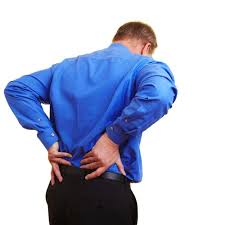
Why Lower Back pain
Symptoms of lower back pain
Signs and symptoms of back pain may include:
- Muscle ache
- Neck pain
- Pain when sitting
- Stomach pain
- Shooting or stabbing pain
- Pain that radiates down your leg
- Limited flexibility or range of motion of the back
- Back pain at night
 When to see a doctor about your lower back pain
You must see your Dr as soon as pain is 5 out of 1-10 scale of if you feel this is something he needs to look at and you are worried about it.
In rare cases, back pain can signal a serious medical problem. Seek immediate care if your back pain: get too bad don’t leave it
- Causes new bowel or bladder problems
- Is accompanied by fever
- Follows a fall, blow to your back or other injuries
- Nosebleeds must see your Dr
Contact a physiotherapist if your back pain:
- Is severe and doesn’t improve with rest
- If have neck pain at the same time
- if can”t sleep at night
- Spreads down one or both legs, especially if the pain extends below the knee
- Causes weakness, numbness or tingling in one or both legs
- Is accompanied by unexplained weight loss
- Can”t stop going to the loo
Also, see your doctor if you start having back pain for the first time after age 20, or if you have a history of overtraining in gym cancer, osteoporosis, steroid use, or drug or alcohol abuse overstress.
See us at ActiveBryantt Systems.
Causes can come in many ways
Back pain can come in many ways over work over training in gym bad fall or accident getting older no exercise bad lifestyle bad posture bad movement in the gym.
Back pain often develops without a specific cause that your doctor can identify with a test or imaging study. Conditions commonly linked to back pain include many your job how you sit at work :
- Muscle or ligament strain. Repeated heavy lifting or a sudden awkward movement may strain back muscles and spinal ligaments. If you’re in poor physical condition, constant strain on your back may cause painful muscle spasms.
- Bulging or ruptured disks. Disks act as cushions between the bones (vertebrae) in your spine. The soft material inside a disk can bulge or rupture and press on a nerve. However, you can have a bulging or ruptured disk without back pain. Disk disease is often found incidentally when you undergo spine X-rays for some other reason.
- Arthritis. Osteoarthritis can affect the lower back. In some cases, arthritis in the spine can lead to a narrowing of the space around the spinal cord, a condition called spinal stenosis.
- Skeletal irregularities. Back pain can occur if your spine curves abnormally. Scoliosis, a condition in which your spine curves to the side, also may lead to back pain, but generally only if the scoliosis is severe.
- Osteoporosis. Your spine’s vertebrae can develop compression fractures if your bones become porous and brittle.
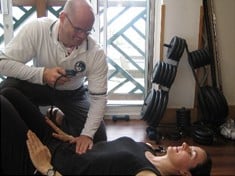
Why Lower Back pain
Risk
Anyone can develop back pain, even children and teens. Research has yet to prove what contributes to back pain. However, these factors might put you at greater risk of developing back pain as they age:
- Age. Back pain is more common as you get older, starting at age 25 or 40.
- Lack of exercise. Weak, unused muscles in your back might lead to back pain bad posture and a weak core. that helps keep your back strong.
- Excess weight. Carrying too much weight puts extra stress on your back and.core posture lower legs
- Diseases. Some types of arthritis and cancer can contribute to back pain.
- Improper lifting. Using your back instead of your legs can lead to back pain using weightlifting belt.
- Psychological conditions. People prone to depression and anxiety appear to have a greater risk of Lower back pain.
- Smoking. This can keep your body from delivering enough nutrients to the disks in your back.
- Water.not drinking enough water that your body needs
Prevention and how you can help your self with lower back pain.
You may be able to avoid back pain or prevent its recurrence by improving your physical condition and learning and practicing proper body mechanics by seeing Active Bryant systems or your coach…
To keep your back healthy and strong:
Exercise. Regular low-impact aerobic activities — those that don’t strain or jolt your back — can increase strength and endurance in your back and allow your muscles to function better. Walking and swimming are good choices. Talk with your
 Diet and lifestyle. need to change just getting the bed on time and eating the right for you your body’s can be a big help and take time off the gym
- Build muscle strength and flexibility. Abdominal and back muscle exercises (core-strengthening exercises) help condition these muscles so that they work together like a natural corset for your back. Flexibility in your hips and upper legs aligns your pelvic bones to improve how your back feels. Your doctor or physical therapist can tell which exercises are right for you.
- Maintain a healthy weight. Being overweight strains back muscles. If you’re overweight, trimming down can prevent back pain.

Posture London
Use proper body mechanics:
- Stand right. Maintain a neutral pelvic position. If you must stand for long periods, place one foot on a low footstool to take some of the load off your lower back. Alternate feet. Good posture can reduce the stress on back muscles.
- Sit right. Choose a seat with good lower back support, armrests and a swivel base. Consider placing a pillow or rolled towel in the small of your back to maintain its normal curve. Keep your knees and hips level. Change your position frequently, at least every half-hour.
- Lift right. see a coach to help coach on heavy lifting, if possible, but if you must lift something heavy, let your legs do the work. Keep your back straight — no twisting — and bend only at the knees. Hold the load close to your body. Find a lifting partner if the object is heavy or awkward if can”t lift it don”t get some do fit for you.
Because back pain is so common, there is lots way you can help.like seeing a good physiotherapist see CHEK practitioner or coach help you get lower back pain-free if need more help come and live chat with us on the site we are happy to chat to about your needs and how we can help you with your lower back pain today.
Call 07841144878 OR LIVE CHAT TO DAY
by Scott Bryant | Dec 6, 2017 | personal trainer
Finding Personal Trainer Battersea
Finding a Personal Trainer in Battersea shouldn’t feel overwhelming.
With thousands of trainers to choose from, discover how to find one who actually listens, understands your body, and gets real results—without the guesswork.

Finding Personal Fitness Trainer Battersea in London
Finding Personal Trainer Battersea I have studied many different courses, but my advice is to look for a Personal Trainer who specializes in the area you need. If you have back pain, obesity, diabetes, arthritis, or ME, you will need to look for a specialized Personal Trainer in London.

Lose up to 14 lbs with our coaching in Battersea.
You will need to think about how many times a week you would like to train. Also, what time of the day you would like to train and where you would like to train. Some clients want to train in a gym, some enjoy training outdoors and some clients prefer to train in the comfort of their own home. Make sure you check with the Personal Trainer as some may not cater for this and will only train you in a gym. I can cover all of these options.
Another thing you might want to consider is whether you are looking for short or long-term training? Are you preparing for a special event, like a wedding or a holiday? If so, shorter-term training may suit you fine. Or, are you suffering from back pain? In that case, long-term personal training with a specialist would be much more appropriate.
To get real change in the body can take up to a year and I have found that, unfortunately, quick fixes do not last. I try to educate all my clients about this!
Have a think about how much experience you are looking for in your trainer. Obviously, the more experience and expertise the Personal Trainer has, the more money you will have to pay. Be careful because if you are looking a quick fix trainer in London, there are plenty of them around too. If you decide to go down this route, remember it might cost you a lot more in the long run. So, it’s very important to think of the specific issue you may have.
Here are 8 top tips for finding a Personal Trainer in London:
- Go by recommendation
- Check seceded stories
- Check Google Personal Trainer reviews
- Ask around at the gyms!
- Look at the professional training sites
- Check magazines, papers, and gum tree!
- Ask at your park or friends
- google listing site to find personal a trainer in London

Finding Personal Fitness Trainer Battersea in London
1.Compare the best personal trainers in London thanks to our UK directory. Find a London personal trainer that has
2.To achieve your personal health and fitness goals hire a Personal Trainer in London, the UK at Top Local Trainer. Our trainer will help to maintain your fitness.
Here’s our edit of London’s best fitness masters to whip you into shape in no …. lady, Hollie Grant is everything you look for in a personal trainer.
Fightway Fitness – Get Fit the Right Way! Mobile personal training in London. Boxing, Kickboxing, and Muay Thai with Sports Science. Get fit, lose weight and tone …
5.www.movingtolondon.net/find-personal-trainer-in-london/23 Jun 2014 – There are lots of reasons to consider hiring a personal trainer to help you achieve your fitness goals. A gym membership can prove to be a big …
6.https://fitfasttrainers.co.uk/
Find out how our personal trainers in London can work to your timetable and show you how to radically improve your lifestyle using your local environment.
FAQs – Finding a Personal Trainer in Battersea
How do I choose the right personal trainer in Battersea?
With so many personal trainers in Battersea, the key is looking beyond qualifications alone. The right trainer should understand your goals, assess how your body moves, and create a plan that fits your lifestyle—not just hand you a generic workout.
Why are there so many personal trainers in Battersea?
Battersea is a fitness hotspot with a mix of gyms, studios, and outdoor training spaces, which attracts thousands of trainers. However, high numbers don’t always mean high quality—experience, approach, and personalisation matter far more.
What should I look for in a Battersea personal trainer?
Look for a trainer who offers an initial assessment, asks about your health history, adapts training around injuries or pain, and focuses on long-term results rather than quick fixes.
Is a local personal trainer in Battersea better than a large gym trainer?
A local Battersea personal trainer often provides a more personalised, flexible experience. You’re not just another time slot—you get tailored programming, consistent coaching, and a stronger trainer-client relationship.
How much does a personal trainer in Battersea cost?
Prices vary depending on experience, session length, and level of personalisation. While cheaper options exist, investing in an experienced personal trainer often leads to better results, fewer injuries, and greater long-term value.
Can a personal trainer help with pain or injuries?
Yes—many experienced personal trainers specialise in training around pain, mobility issues, and postural problems. A good trainer will work alongside your body, not against it, helping you move better as well as get fitter.
Do I need a personal trainer if I already go to the gym?
Absolutely. A personal trainer helps ensure you’re training correctly, progressing safely, and not wasting time guessing what to do. Think of it as upgrading from wandering to having a map.
How quickly will I see results with a personal trainer?
Most people notice improvements in strength, confidence, and energy within a few weeks. Visible changes depend on consistency, lifestyle, and goals—but personalised coaching always accelerates progress.
Is outdoor personal training available in Battersea?
Yes, Battersea is ideal for outdoor personal training thanks to Battersea Park and nearby green spaces. Outdoor sessions offer variety, fresh air, and a motivating environment without the crowded gym feel.
Why work with a personal trainer based specifically in Battersea?
A Battersea-based personal trainer understands the local area, your schedule, and the best training environments—making sessions more convenient, consistent, and enjoyable.
Finding the right Personal Trainer for you in London can be stressful and time-consuming, so personal recommendations from work colleagues, friends or family can save a lot of time! Most trainers will also do taster sessions to see how you get on. I think this is really important too!
The most important advice I can give though is if you do have pain and the trainer is not using physical therapy tests to assess you, then they are just guessing and could possibly hurt, rather than help you.
If you have read this blog and would like more information then please get in touch today!
Thank you.
live chat now on home page

by Scott Bryant | Jan 14, 2017 | online personal training
Sports : Corrective Exercise Fitness Specialist
Golf, Running & Rehab Specialist – Sports Corrective Exercise in London
Scott Bryant is London’s go-to sports corrective exercise specialist for golfers, runners, and anyone recovering from injury. Whether you’re improving your golf swing, reducing running-related injuries, or rebuilding after surgery, Scott’s bespoke programs focus on posture, core stability, and functional strength. With CHEK-based assessments and rehab strategies, you’ll move better, recover faster, and perform at your best—on the green, the track, or in everyday life.
CHEK Personal Trainer in London
Corrective Exercise Back Pain Posture Specialist
Scott Bryant Master Paul C.H.E.K Practitioner level 5 in London
Corrective Exercise Specialist London

Posture and fat loss with CHEK exercise systems
Sports Corrective Exercise in London
Best sports corrective exercise lower back pain posture fitness specialist in London a nutshell, a personal trainer helps a person get into better physical shape. A corrective exercise specialist on the other hand, works to correct muscle imbalances to improve performance. Most corrective exercise specialists double as personal trainers,
CHEK Paul Practitioner have 6-year Master and a minimum of 10,000hours practical experience, making them the most qualified health professionals to prescribe exercise. Personal Trainers just do online courses do not do 6 years of study.
Sports Corrective Exercise is beneficial for a wide range of sports and physical activities. It focuses on improving movement efficiency, addressing muscle imbalances, enhancing flexibility, and preventing injuries. Here are some sports that can particularly benefit from corrective exercise:
1. Running and Endurance Sports
- Improves gait mechanics and reduces the risk of overuse injuries like shin splints, plantar fasciitis, and IT band syndrome.
- Enhances stability and strength in the core and lower limbs.
2. Weightlifting and Powerlifting
- Addresses imbalances and mobility issues that can lead to poor form or injuries, especially in the shoulders, hips, and lower back.
- Improves range of motion for exercises like squats, deadlifts, and overhead presses.
- Enhances rotational mobility and core stability, which are critical for an efficient and powerful swing.
- Reduces the risk of lower back pain and shoulder injuries.
4. Tennis and Racket Sports
- Improves shoulder stability, elbow health, and rotational mechanics.
- Helps prevent common issues like tennis elbow and shoulder impingements.
5. Football (Soccer)
- Strengthens the lower body and improves hip mobility for better agility and kicking mechanics.
- Reduces the risk of hamstring strains, ACL injuries, and groin issues.
6. Martial Arts and Combat Sports
- Focuses on joint stability, core strength, and flexibility for better striking, grappling, and movement.
- Reduces the risk of injuries to the knees, shoulders, and spine.
7. Swimming
- Addresses shoulder mobility and stability to reduce overuse injuries like swimmer’s shoulder.
- Improves core stability for efficient strokes and turns.
8. Cycling
- Improves hip and knee alignment for efficient pedaling and reduced strain on the lower back.
- Addresses tightness in the hips and quads from prolonged sitting.
9. Basketball
- Enhances ankle stability and lower body strength to prevent sprains and improve jumping mechanics.
- Improves shoulder and core stability for better shooting and passing.
10. General Fitness and Recreational Activities
- Corrective exercises can benefit anyone engaged in physical activity by addressing movement deficiencies and reducing the risk of injury.
The goal of Sports Corrective Exercise is to create a solid foundation of functional movement that enhances performance and minimises downtime due to injuries.

Balance is the keys to keeping pain free
Corrective exercise for sports and pain in London Scott has been helping his clients for over 26 years using the Paul Chek holistic corrective exercise system. what makes his system so unique to be able to really use the system to get awesome results. takes up to 6 years of study with C.H.E.K Institute in San Diego unfortunately many Personal trainers and coaches only do level one or level two when there’s actually five levels that takes about six years of constant study assessments program design in which truly improve posture sports performance strength, and condition and to reduce or eliminate pain so unless your corrective exercise specialist is actually certified by Paul CHEK the C.H.E.K Institute like Scott Bryant you’re likely not to get the result that you’re looking for and waste your money. many personal trainers can talk to talk but can’t walk the walk online study courses that don’t really work when you need one-to-one palpation and understanding of your unique history we’ve got over 26 years experience working with all different types of athletes office workers, celebrities, and photographers to help reduce their pain and get them back to sports or health and fitness per read more below about Corrective exercise Scott blog.

Hear some of Scott assessment of 150 of them
Corrective exercise in London, or anywhere else for that matter, can be highly beneficial for addressing lower back pain and improving posture. Here are several reasons why:
- Targeted Approach: Corrective exercise programs are often personalized to address specific issues, such as muscular imbalances, weakness, or poor movement patterns contributing to lower back pain or posture problems. A qualified corrective exercise specialist can assess your individual needs and design a tailored program to address them effectively.
- Muscular Strengthening: Many cases of lower back pain and poor posture are associated with weak or underactive muscles, particularly those in the core, back, and hip areas. Corrective exercises can target these muscles to improve strength, stability, and support for the spine, reducing strain and discomfort.
- Flexibility and Mobility: Tightness and limited mobility in certain muscles and joints can contribute to lower back pain and postural issues. Corrective exercises often include stretching and mobility drills to improve flexibility in key areas, such as the hips, hamstrings, and thoracic spine, promoting better movement patterns and alignment.
- Alignment and Postural Awareness: Corrective exercises focus on correcting faulty movement patterns and promoting proper alignment of the spine and joints. By increasing awareness of posture and teaching proper movement mechanics, these exercises can help individuals maintain a more neutral spine position during daily activities, reducing strain on the lower back and improving overall posture.
- Pain Reduction and Prevention: Through targeted strengthening, stretching, and alignment techniques, corrective exercise programs can help alleviate existing lower back pain and prevent future episodes by addressing underlying biomechanical issues and promoting optimal spinal health.
- Functional Movement Patterns: Corrective exercises often mimic real-life movements and activities to improve functional strength, stability, and coordination. By training the body to move more efficiently and safely, individuals can reduce the risk of injury and discomfort during daily tasks and recreational activities.
Overall, corrective exercise programs offer a holistic approach to addressing lower back pain and posture problems by targeting underlying causes, improving muscular balance and function, and promoting optimal movement patterns and alignment. Working with a qualified corrective exercise specialist in London can provide you with personalized guidance and support to achieve lasting relief and improved physical well-being.
 Corrective Exercise for golf
Sports Corrective exercise programs in London:
Corrective exercise London cam help with pain posture and sports performance:
can indeed be instrumental in addressing pain and enhancing sports performance. Here’s how:
- Pain Management: Corrective exercises are designed to address underlying muscular imbalances, weaknesses, and movement dysfunctions that may contribute to pain or discomfort. By targeting specific areas of the body and improving alignment, stability, and mobility, corrective exercises can help alleviate pain and reduce the risk of injury.
- Injury Rehabilitation: If you’re recovering from an injury, corrective exercise programs can play a crucial role in the rehabilitation process. These programs focus on restoring proper movement patterns, strength, and flexibility in the affected area, helping you regain function and mobility while minimizing the risk of re-injury.
- Muscular Balance and Function: Corrective exercises aim to correct muscle imbalances and asymmetries that can develop due to repetitive movements, poor posture, or previous injuries. By strengthening weak muscles, stretching tight muscles, and improving overall muscular balance, these exercises promote optimal function and performance in sports and daily activities.
- Enhanced Movement Efficiency: Corrective exercises emphasize proper movement mechanics and alignment, which can improve movement efficiency and reduce the risk of overuse injuries. By teaching the body to move more effectively and efficiently, athletes can optimize their performance and minimize wasted energy during training and competition.
- Preventive Maintenance: Even if you’re not currently experiencing pain or injury, corrective exercise programs can serve as preventive maintenance to help identify and address potential issues before they develop into more significant problems. By proactively addressing muscular imbalances, movement dysfunctions, and postural issues, athletes can reduce the risk of future injuries and maintain long-term musculoskeletal health.
- Sports-Specific Training: Corrective exercises can be tailored to address the specific demands of your sport, focusing on movements and muscle groups that are essential for optimal performance. Whether you’re a runner, cyclist, soccer player, or weightlifter, a customized corrective exercise program can help you address weaknesses, improve biomechanics, and enhance your overall athletic performance.
Overall, corrective exercise programs in London offer a comprehensive approach to addressing pain, improving movement quality, and optimizing sports performance. By working with a qualified corrective exercise specialist, you can receive personalized guidance and support to achieve your fitness and athletic goals safely and effectively.

Scott client show how good her balance is with the weight in her hand.
Corrective exercise how long will take for feel betters:
The time it takes to feel better from corrective exercise can vary depending on several factors, including the severity of your condition, your adherence to the exercise program, and your body’s response to treatment. Here are some considerations:
- Severity of the Condition: If you’re dealing with a mild or moderate issue, such as muscular tightness or minor discomfort, you may start to feel better relatively quickly, sometimes within a few sessions or weeks of beginning a corrective exercise program. However, if you’re dealing with a more chronic or severe condition, such as a long-standing injury or significant movement dysfunction, it may take longer to see improvement.
- Consistency and Adherence: Consistency is key when it comes to corrective exercise. To see meaningful results, it’s essential to adhere to your exercise program consistently and perform the prescribed exercises as directed by your corrective exercise specialist. Skipping sessions or neglecting your exercises can slow down your progress and delay the time it takes to feel better.
- Individual Response: Everyone’s body responds differently to corrective exercise. Some people may experience rapid improvements and notice a significant reduction in pain or discomfort early on, while others may progress more gradually over time. Factors such as age, overall health, and lifestyle habits can also influence how quickly you respond to treatment.
- Additional Therapies: In some cases, combining corrective exercise with other complementary therapies, such as manual therapy, massage, or chiropractic care, may enhance the effectiveness of treatment and accelerate your recovery. Your corrective exercise specialist may recommend additional interventions based on your individual needs and preferences.
- Long-Term Commitment: Corrective exercise is often part of a broader rehabilitation or wellness program aimed at addressing underlying issues and promoting long-term musculoskeletal health. While you may start to feel better relatively quickly, it’s essential to continue with your exercises and incorporate them into your regular routine to maintain your progress and prevent future recurrences.
Ultimately, the time it takes to feel better from corrective exercise can vary from person to person. It’s essential to be patient, consistent, and committed to your treatment plan, and to communicate regularly with your corrective exercise specialist to track your progress and make any necessary adjustments along the way.
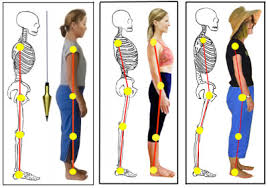
Your body move at best with good posture
We are very specialised at designing corrective exercises personalised pain programs because of the experience of 25 years of continuous studying, so we can deliver very specific online corrective exercise programs. and one to one session in the gym or home.

Some of Tool use by Mater C.H.E.K. Practitioner level 5 London.
Sports Corrective Exercise is beneficial for a wide range of sports and physical activities. It focuses on improving movement efficiency, addressing muscle imbalances, enhancing flexibility, and preventing injuries. Here are some sports that can particularly benefit from corrective exercise:
1. Running and Endurance Sports
- Improves gait mechanics and reduces the risk of overuse injuries like shin splints, plantar fasciitis, and IT band syndrome.
- Enhances stability and strength in the core and lower limbs.
2. Weightlifting and Powerlifting
- Addresses imbalances and mobility issues that can lead to poor form or injuries, especially in the shoulders, hips, and lower back.
- Improves range of motion for exercises like squats, deadlifts, and overhead presses.
3. Golf
- Enhances rotational mobility and core stability, which are critical for an efficient and powerful swing.
- Reduces the risk of lower back pain and shoulder injuries.
4. Tennis and Racket Sports
- Improves shoulder stability, elbow health, and rotational mechanics.
- Helps prevent common issues like tennis elbow and shoulder impingements.
5. Football (Soccer)
- Strengthens the lower body and improves hip mobility for better agility and kicking mechanics.
- Reduces the risk of hamstring strains, ACL injuries, and groin issues.
6. Martial Arts and Combat Sports
- Focuses on joint stability, core strength, and flexibility for better striking, grappling, and movement.
- Reduces the risk of injuries to the knees, shoulders, and spine.
7. Swimming
- Addresses shoulder mobility and stability to reduce overuse injuries like swimmer’s shoulder.
- Improves core stability for efficient strokes and turns.
8. Cycling
- Improves hip and knee alignment for efficient pedaling and reduced strain on the lower back.
- Addresses tightness in the hips and quads from prolonged sitting.
9. Basketball
- Enhances ankle stability and lower body strength to prevent sprains and improve jumping mechanics.
- Improves shoulder and core stability for better shooting and passing.
10. General Fitness and Recreational Activities
- Corrective exercises can benefit anyone engaged in physical activity by addressing movement deficiencies and reducing the risk of injury.
The goal of Sports Corrective Exercise is to create a solid foundation of functional movement that enhances performance and minimizes downtime due to injuries.
Choosing Scott Bryant as your Corrective Exercise Specialist for back pain, posture improvement, and sports performance comes with several benefits due to his expertise and specialized approach. Here’s why Scott could be a great choice:
1. Expertise in Back Pain Relief
Scott specializes in addressing back pain caused by poor posture, muscle imbalances, or sports-related injuries. His approach targets:
- Strengthening weak muscles and releasing tight ones.
- Improving spinal alignment and stability.
- Using safe, effective exercises tailored to your pain level and fitness goals.
2. Focus on Posture Correction
Posture is crucial for pain relief and sports performance. Scott’s corrective techniques emphasize:
- Analyzing and correcting postural deviations like forward head posture, rounded shoulders, or anterior pelvic tilt.
- Restoring proper movement patterns to prevent further strain or injury.
3. Tailored Approach for Athletes
Scott’s sports-specific corrective programs enhance athletic performance by:
- Addressing the unique physical demands of your sport.
- Reducing injury risk through improved mobility, strength, and balance.
- Enhancing overall movement efficiency for peak performance.
4. Holistic and Science-Based Techniques
Scott’s method blends:
- Evidence-based corrective exercises.
- Holistic elements like nutrition advice, stress management, and lifestyle coaching.
This comprehensive approach improves not just your physical fitness but your overall well-being.
5. Personalized and Professional Care
Scott provides one-on-one attention to design a program that’s specific to your needs. Whether your goal is pain relief, better posture, or excelling in a sport, his tailored plans ensure results.
6. Proven Experience
With years of experience as a specialist, Scott has worked with individuals from different fitness levels and sports backgrounds. His expertise helps clients:
- Recover from injuries faster.
- Build long-term resilience against pain or discomfort.
By working with Scott, you’ll receive a professional, individualised program designed to address your specific needs, whether they’re related to back pain, posture improvement, or sports performance. Would you like help setting up a consultation with him?
Scott has been helping Clients with different types of pain and injury, skiing injuries sports, injuries as well as helping golfers to hit the ball for longer and reduce the handicap Scott study with the Paul C.H.E.K Institute and did a six year study study program which most of personal trainers never complete They stop at exercise coach or level one or level two simply because Paul Chek demands the best from your students I’ve asked many other students why they finished early and didn’t complete the whole of their studying how many have said it’s because of Price because it goes too deep what I found completing the whole program of six years enable me to work with more complex clients from this from spine herniation sciatica and any other lower back complaints I’ll do 150 assessments with all my clients to get to the root of the pain or the problem you may be suffering I use specialised designs in which to measure and remeasure to make sure you you keep improving with your corrective exercise program. This can take some time it’s not a quick fix I’ve helped photographers, movie, stars, sports athletes photographers photographers, bankers, lawyers, solicitors to name quite a few using corrective holistic exercise can help anyone get pain- as long as they keep to the program Which guarantees results every time.

SCOTT DOING IT BAND TEST
Many people will have a forward head posture, rounded shoulders and misaligned hips, along with core muscle that has stopped working and inverted breathing and bad movement patterns.and lower back pain.neck knee and shoulder pain all can come from bad posture and bad exercise programs.
So, a really good corrective e may take 6 months to a year for you to change. At Active Bryant Systems, we pride ourselves on designing a very up to date, cutting edge online program to make sure that your goals and dreams are achieved.

Corrective Exercise Specialist Personal Trainer London
If you are suffering from:
herniated disks, sciatica, lower or upper back pain, anterior pelvic tilt, knee pain, or shoulder pain. We at active Bryant systems can help you with our holistic, corrective, exercise program, which is guaranteed to make you feel fitter, healthier and stronger as you age.and get back to any spots you love to do.
The spine is a loading system, so if you have a problem with your spine and it is causing your knee pain or lower back pain. Corrective exercise can really help to correct the muscle structure as well as move the skeletal structure to get you out of pain and into the optimal performance.
In my opinion, no one should be regularly training, without first going through a corrective exercise program consisting of flexibility, stability, strength, speed, then power. Most trainers today will go straight to speed and power first, which can, unfortunately, lead to injury and pain.
So if you don’t want your body to break down early and would like to train right through to old age, then corrective exercise can help you, regardless of whether you are male or female, young or old!

70KG client Dr to the stars.
What you get from us is:
- 4-hour full posture core muscle movement assessment.
- Posture and core correction exercise.
- 20 days holistic diet and lifestyle assessment.
- Sports massage for the spot that hurts.
- Energy healing session.
- Function lab testing if needed.
- Referrals to other professionals.
- We help wit pain fast.
- And so much more.
Here are some more of Scott blogs you will like.
- Runners Need Strength Fitness Training Battersea in London
- Women’s Personal Fitness Training in Battersea London
- 7 Best Ways Maximise Gym Workout Performance Fast Battersea
- 10 % Body Fat Reduction Programme Personal Trainer London
- Personal Trainer London Health And Exercise Videos

Scott Releasing The Body.

Your master C.H.E.K Practitioner level 5
Please understand that corrective exercise won’t take 6 weeks. It’s more like 6 months. Also, Scott may ask you to do stuff at home, as well as in the gym, for you to get your results.
If you are willing to commit to a twice exercise program, then give Scott a call or an email today!
Scott has been a corrective exercise specialist for 27 years helping clients to overcome pain improve their sports performance become fitter and stronger using A very holistic system to rebalance muscles strength and core improve posture and alignment Scott does 150 assessments and he even looks at your nutrition over 10 days so if you’re looking for a very unique system working with a caring honest compassionate person then get in touch with Scott today you can learn more about Scott in his book holistic health Proper geezers and classy ladies get the body and fitness you want live chat on the the site.


