Parasites, fungus, or leaky gut stopping your fitness goals? London C.H.E.K practitioner offers testing, cleansing & holistic health programs.
When people think about obstacles to fitness, they usually think about lack of motivation, poor diet, or busy schedules. But one hidden enemy could be sabotaging your health goals: parasites.
Parasites in the human body aren’t a new phenomenon. In fact, they’re nature’s “garbage collectors.” When we don’t take care of our gut health, the body becomes vulnerable to fungus overgrowth, parasites, and leaky gut syndrome. After 20+ years in the health and fitness industry here in London, I’ve seen how parasites can quietly drain energy, cause inflammation, and stop people from achieving their fitness dreams.
How Parasites Impact Your Health and Fitness
Parasites and fungal overgrowth don’t just live in your digestive system; they can affect your entire body. Common symptoms include:
Some clients even report lower back pain linked to leaky gut syndrome caused by parasites. Left unchecked, these issues can make exercise harder, recovery slower, and weight loss almost impossible.
Why Your Doctor Might Miss the Signs
Conventional medicine often overlooks parasites unless they’re obvious. Many doctors focus on quick prescriptions instead of holistic solutions. Some medications may even drive parasites deeper into the body, making symptoms worse.
For example, there have been cases where parasites were only discovered after advanced scans—sometimes even in the brain. Shocking, yes—but also a reminder of how important proper testing is.
Common Parasites That Disrupt Fitness Goals
Through lab testing, I’ve seen clients suffering from multiple parasites at once, including:
Too much alcohol, processed foods, and sugar all increase the risk of harmful parasites thriving in the gut. This imbalance weakens the immune system and sabotages your training progress.
Why a Holistic Approach Works Better
When clients come to me, I don’t just give a one-size-fits-all plan. As a C.H.E.K Practitioner in London, I use lab testing and holistic health strategies to uncover the root cause of symptoms.
Instead of quick fixes, I may spend weeks assessing your lifestyle, nutrition, movement, stress, and sleep before designing a program that helps the body heal naturally. This approach often includes parasite cleansing, gut repair, and tailored fitness plans—so your energy and performance can finally bounce back.
Are Parasites Stopping Your Fitness Dreams?
If you’re dealing with:
Bad skin or body odour
Unexplained fatigue or mood swings
Sleep problems
Persistent digestive issues
Cravings or bloating
…it could be a sign of parasites or leaky gut syndrome holding you back.
Frequently Asked Questions About Parasites and Fitness
1. Can parasites really stop me from losing weight?
Yes. Parasites and fungal overgrowth can interfere with nutrient absorption, cause cravings for sugar and processed foods, and trigger inflammation. All of this makes fat loss much harder and exercise recovery slower. Many people in London who “can’t lose weight” despite trying everything often discover parasites or leaky gut are the missing piece.
2. What is leaky gut syndrome, and how does it affect my training?
Leaky gut syndrome happens when the intestinal lining becomes damaged and allows toxins, parasites, and undigested food particles to pass into the bloodstream. This can lead to fatigue, joint pain, autoimmune responses, and reduced performance in the gym.
3. How do I know if I have parasites?
Common signs include bloating, gas, constipation, acne, cravings, chronic fatigue, bad breath, skin rashes, and even back pain. However, the only way to know for sure is through specialized lab testing. Standard GP tests often miss parasites, which is why holistic practitioners look deeper.
4. Can I get parasites from pets or food?
Absolutely. Parasites like Toxoplasma can come from cats, while contaminated food, undercooked meat, or unclean water can introduce others such as Giardia or hookworm. London’s fast-paced lifestyle often means eating on the go, which increases the risk if food hygiene is poor.
5. Do I need medication, or are natural approaches effective?
Medication can sometimes help but often only suppresses symptoms or drives parasites deeper. Natural parasite-cleansing protocols, dietary changes, and lifestyle improvements are highly effective in restoring balance—especially when supervised by an experienced practitioner.
Take Action Today
If you’re based in London and struggling with stubborn health or fitness issues, parasites and leaky gut could be holding you back. I offer tailored parasite-cleansing programs and holistic health coaching to get you back on track.
Contact me today to learn more about my parasite and gut health protocols.
Take Action Today
If you’re serious about your health and fitness in London and suspect parasites may be affecting you, don’t ignore the signs. I can help you get the right lab testing, create a parasite-cleansing program, and rebuild your gut health so you can achieve your fitness goals.
Contact me today to find out more about my parasite and leaky gut protocols.
Exercise When an episode of low back pain lasts for more than eight weeks, it is important for the patient to consider back pain exercises and active Bryant systems for treatment or exercise to help with pain.
Aims of Exercise is built muscles and endurance in them. at diet lifestyle. .The Exercise Regime need not to overload your body less is all more if you do too much. you will build you break down. what you’re trying to do. To achieve full recovery, it is important to maintain a regular regimen of exercises. This is extremely significant in order to restore the strength of your back and ensure a gradual return to everyday life.you will need to see your Active Bryant Systems 3 times week and do homework to make sure
It is recommended that you devise a schedule wherein you exercise for at least 30 to 40 minutes, once to thrice a day.but it all about how to stress you on how much you need to do or not do.numerous
Lower back pain can be quite bothersome, but there are several tips and practices that can help alleviate discomfort and promote healing:
Maintain good posture: Poor posture can strain your lower back. Be mindful of your posture while sitting, standing, and lifting heavy objects.
Regular exercise: Strengthening exercises for the core muscles, such as yoga, pilates, or specific lower back exercises, can provide support to your lower back and reduce pain.
Stretching: Incorporate gentle stretching exercises into your daily routine to improve flexibility and reduce stiffness in the lower back muscles.
Heat and cold therapy: Apply heat packs or take warm baths to relax tense muscles and improve blood circulation. Cold packs can help reduce inflammation and numb the area, providing relief from pain.
Proper lifting techniques: When lifting heavy objects, bend your knees and keep your back straight. Avoid lifting and twisting simultaneously, as this can strain the lower back.
Supportive footwear: Wearing supportive shoes with good cushioning can help maintain proper alignment and reduce strain on your lower back, especially if you’re on your feet for extended periods.
Maintain a healthy weight: Excess weight can put additional stress on your lower back. By maintaining a healthy weight through proper diet and exercise, you can reduce the strain on your back muscles and joints.
Limit prolonged sitting: If your job requires long periods of sitting, take regular breaks to stand, stretch, and walk around to prevent stiffness and muscle fatigue.
Invest in ergonomic furniture: Use chairs and desks that provide proper support for your lower back and promote good posture. Consider using a lumbar support cushion if needed.
Stay hydrated: Drinking an adequate amount of water helps keep your spinal discs hydrated, which is essential for maintaining their cushioning effect and reducing the risk of back pain.
Mind-body techniques: Practices such as mindfulness meditation, deep breathing exercises, and progressive muscle relaxation can help reduce stress and tension, which may contribute to lower back pain.
Seek professional help: If your lower back pain persists despite self-care measures, consult a healthcare professional such as a physical therapist or chiropractor for personalized treatment and guidance.
Remember, it’s essential to listen to your body and avoid activities that exacerbate your lower back pain. Be patient with your recovery process, and don’t hesitate to seek professional help if needed.
Your back needs to keep strong as you age London:
The back is made up of muscles, which help the body in performing all the crucial physical activities. The three main muscles that make up the back are the Latissimus dorsi, the Trapezius and the Rhomboids and Teres major. and thoracolumbar fascia.
The main functions of these muscles are to pull the arms back, down, towards the body and help rotate them inwardly. These functions get impaired with lower back pain and require a properly planned C.H.E.K. therapy to regain control.
The Exercise Modalities:
There are five broad types of therapeutic modalities for C.H.EK therapy for the purpose of lower back pain. These include Flexibility Stability Strength Speed Power many personal trainers only do and speed and power.
Active physical therapy Passive physical therapy
Here we briefly explain each one of them.
Physical Active Bryant Systems:therapy is extremely important to rehabilitate the spine. To get effective results, a generalized back exercise program should include the following:
Stretching for back pain exercise:
Simple hamstring stretching Lats and Rhomboids glues is very important to avoid and cure lower back pain in daily life.
Strengthening for back pain exercise London:
For this purpose, it is important to do 30-40 minutes of dynamic lumbar stabilization or other prescribed exercises.
Low impact aerobic conditioning can give you more pain if you did not have CHEK Assessment looking at your leg length low impact aerobics, such as walking bicycling or swimming should be done for 30-40 minutes at least 3 times a week. The ideal way is to do these on alternate days form the strengthening exercises.or can do them to together to save time.
Passive Active Bryant Systems therapy:
In cases where exercise is either too painful or otherwise not possible, the therapist may consider passive therapies. The main forms of passive therapy include:
deliver a workout program to you electronically means that you can access your workout on your mobile devices at any time and in any location, which is great for those that travel frequently or do not want to be restricted by gym opening times.
Upon signup you will receive a 21 comprehensive questionnaire to help me understand your goals, circumstances and preferences and Health issues you may have
Online Battersea Home and gym Training program
I and I will create your training program after we did full body Assessment
your for you within 10 days and
Then we do one Hour coaching call to let you know how to do your new program we will do This ever 4 -8 weeks
and send it to you via email and will Do flower up call make sure you have all you need and are happy with your one line program
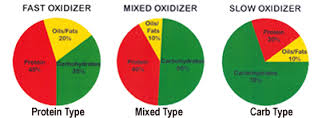
Scott will send you on line testTo do to determine you metabolic profile
diet plan and Coaching time to make sure your getting in right
which you will also have access to any time
Exercise video library
In the members area you will find my exercise video library which includes instructional videos for each exercise in your training program and Video on different heath and exercise subjects On what we use to help clients for last 20 years
24/7 support
As a member you will have 24/7 support with me your Master CHEKpractitioner Scott Bryant
4-8 Week review
Every 4-8 weeks we will review your workout. We will then discuss your thoughts on your training plan to make sure the next 4 week phase is accurate and going to keep getting you results.
At Active Bryant Systems we offer the best online health coaching training with your personal training packages to keep you motivated! There are video instructions on how to do your exercises correctly and fitness programs that you can download to your phone, mac, or pc. To get the best online personal training all you need to do is to book a personal training package of your choice. If you are training with Scott one to one, he will do a full assessment of your exercise, diet .and lifestyle, along with assessing your posture, core strength and hormones using Paul Cheks’ 4 Doctors’ system. He will add this all to a specially designed program that you can use anywhere at any time, whether you are at home, in the gym, or at work…
The software systems are easy to use and all you need is your log-in details from Scott. This system can be used all over the world, all you need is a phone, mac, pc, or iPad! If you cant visit Scott in Battersea he can still train with you online to reach your health fitness goals and get the best results. Send Scott an email or chat live with him on his home page to book your one to one consultation – face to face, online, or in person just click the link below. Scott likes to give the best service possible, therefore he can only take on 5 more clients for his online health coaching personal training system to make sure everyone receives a five-star service. Contact Scott today for your individual login and personalised training program that you can do anytime, anywhere in the world!
Lose Body Fat with Lifestyle Change (Not Just Diets & Gym Sessions)
Trying to reduce body fat can feel like running on a treadmill that never switches off. You eat less, train more… and still nothing changes. Sound familiar?
Here’s the truth most people don’t want to hear: fat loss isn’t just about diet or exercise alone. If that were the case, everyone with a gym membership would have abs. The real driver? Lifestyle and hormones.
I’ve been working as a personal trainer in London for over 27 years, helping clients reduce body fat by fixing the whole system, not just smashing workouts and cutting calories.
Below are my top fat-loss tips that actually work.
1. Go to Bed on Time (Yes, It Matters More Than You Think)
If you want to lose body fat, sleep is non-negotiable.
Going to bed too late increases cortisol, your main stress hormone. Elevated cortisol tells your body to store fat, especially around the belly. Not ideal.
Aim to be in bed by 10pm.
This is especially important if you do shift work. Shift patterns push your body against its natural rhythm—humans are designed to sleep when it’s dark and be awake when it’s light. Consistently fighting that rhythm can seriously slow fat loss and recovery.
No amount of burpees will outwork poor sleep. Sorry. 😄
2. Drink More Water (Most People Don’t Drink Enough)
Hydration plays a huge role in fat loss, energy levels, and hormone balance.
A simple guideline: 0.33 × your body weight (kg) = daily water intake (litres)
Drinking enough water helps the body flush toxins, improves digestion, and keeps your metabolism running smoothly. Dehydration, on the other hand, makes fat loss harder and cravings louder.
If your energy crashes mid-afternoon, it’s probably not a coffee problem—it’s a water problem.
3. Reduce Sugar Intake (Including the Sneaky Stuff)
Sugar is everywhere. And no, it’s not just the obvious chocolate bars.
Reducing sugar intake helps stabilise blood sugar, improve insulin sensitivity, and make fat loss far more achievable. Cutting back on alcohol alone can make a noticeable difference to body fat—especially around the waist.
How Do i Reduce Body Fat Personal Trainer London
4. Ease Up on the Coffee
I know. This one hurts.
From my own experience (and with many clients), too much coffee is linked to belly fat. Excess caffeine overstimulates the nervous system, raises cortisol, and can contribute to adrenal fatigue over time.
Coffee also acts as a toxin, meaning your body has to work harder to detoxify and recover. One or two cups? Fine. Five or six a day? Your hormones are waving a white flag.
Fat loss loves balance—not over-stimulation.
5. Increase Your Intake of Healthy Fats
This one surprises a lot of people.
Eating the right fats helps you lose body fat—not gain it.
Good fat sources include:
Butter & ghee
Avocados
Olive oil & avocado oil
Coconut oil
Healthy fats:
Provide steady energy for training
Support hormone production
Help control appetite
Reduce overeating
We’re not talking processed junk fats from sugar and refined foods. We’re talking real, nutrient-dense fats your body actually understands.
Why Work with a Personal Trainer in London?
If you’re doing “all the right things” but still not seeing results, it’s time for a smarter approach.
A personal trainer in London can:
Keep you accountable
Create a progressive, enjoyable training plan
Address lifestyle, stress, sleep, and nutrition
Help you lose body fat safely and sustainably
Fat loss should be challenging—but it shouldn’t be miserable or confusing.
Ready to Reduce Body Fat the Right Way?
If you want to lose body fat in a fun, safe, and healthy way, I’d love to help.
How Much Does a Private Personal Training Cost in London?
The short answer? It depends — but here’s what you need to know.
In London, private personal training sessions typically range from £50 to £150 per hour, depending on:
✅ Trainer Experience & Credentials
– Beginner-level: £40–£60/hour – Advanced / Specialist (like CHEK Practitioners or rehab experts): £80–£180/hour
✅ Session Type
– 1-on-1 private training: Higher cost, fully personalised – Online coaching: Usually more affordable (£30–£180/hour) – Packages: Discounts when you book blocks of 10+ sessions
Best cost of private personal trainer Battersea
12 week personal training program cost
UK Personal training Battersea
Cost Of Private Personal Trainer Battersea
Personal training Battersea price
Cost If you are looking for a high cost Personal Trainer in London you are probably looking at £50 £80-£135 £150 to- £210 per hour. Remember you get what you pay for, just as you do with the cost of a new car, watch, or new clothes.
If you are looking for a trainer with very good knowledge and 26 years experience, then you need to look no further! But, when looking for a lower cost Personal Trainer the average cost is around £50 per hour. This is what I was charging over 18 years ago! When you add up your gym fees, insurance, travel, time and equipment costs and then deduct your tax and national insurance you can see why Personal Trainers cost as much as they do.
So, the Personal Trainer costs will vary from trainer to trainer depending on their circumstances. I believe if you are paying £40-50 per hour for a Personal Trainer then you are. But this depends on your reason for hiring a Personal Trainer in the first place.
If you can afford to pay more then I really recommend you do. You should always consider the Personal Trainers qualifications and experience too.
Personal Trainer costs in London vary so much because of the rent that trainers have to pay in London now with many rates doubling over the past few years. But in all honesty the more you pay the better the service you should be getting.
Cost Of Private Personal Trainer Battersea
My top tips for getting a good trainer are:
1. Look at their fees, packages and what they can offer you
2. How long have they been in the industry?
3. Who did they study with? Are they still continuing to update their skills?
4. Always check their testimonials and even ask their current clients for a recommendation.
Remember you usually get what you pay for and try to avoid hiring a Personal Trainer in London just because they are the cheapest. Shop around!
If you would like to chat more about the costs of Personal Training in London then you can talk to my live though my website. I don’t advertise my costs on my website but I do love to do good deals for my clients to make sure that you are happy with what you are paying.
If you are suffering with back pain, neck pain, knee pain, or adrenal fatigue then live chat, email or call me today and I’ll book you in for a consultation!


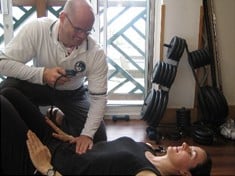
 therapy is extremely important to rehabilitate the spine. To get effective results, a generalized back exercise program should include the following: