“Unlock Your Potential with Online 1-to-1 Fitness Training in London”
Get fit with online one-to-one personal training. Weight loss, strength, posture & holistic health – guided by expert trainer Scott Bryant.
1-on-1 personal training near me
Scott Bryant, Master Paul C.H.E.K. level 5 Practitioner, PT
26 years of personal training experience
“Your online fitness expert”
Online 1-to-1 Fitness I lost 3 stone with Scott on line coaching.
Online 1-to-1 fitness training provides fitness instruction, guidance, and coaching through digital platforms such as websites, mobile apps, or virtual sessions. This method has become increasingly popular due to its convenience, accessibility, and flexibility. However, like any form of training, online fitness programs have both advantages and disadvantages.
Advantages of 1-to-1 Online Fitness Training:
Convenience: Participants can access workouts and training programsanytime, fitting them into their schedule.
Cost-Effective: Online training can be moreaffordable than in-person sessions, as it eliminates the need for physical space and equipment
Variety of Programs: There’s a wide range of online fitness programs catering to different goals, skill levels, and preferences.
Accessibility:Online trainingallows individuals to connect with fitness professionals and resources regardless of geographical location.
Flexibility: Users can choose the type of workout, duration, and intensity based on their preferences and goals.
Disadvantages of 1-to-1 Online Fitness Training:
Lack of Personalization: Online programs may not be as personalized as in-person training, potentially leading to less effective results.
Limited Supervision: Without direct supervision, there’s a risk of improper form, which can contribute toposture issues and pain.
Technology Hurdles: Technical issues or a lack of suitable equipment may hinder the effectiveness of online training.
Isolation: Some individuals may miss the social aspect and motivation of in-person group classes.
Concerns Regarding Posture, Pain, and Weight Loss Coaching:
Posture and Pain:
Inadequate Form Correction: Without a trainer physically present, correcting form issues that may contribute to poor posture and pain can be challenging
Overreliance on Screens: Prolonged screen time during online workouts may contribute to poor posture and discomfort.
Weight Loss Coaching and Pain:
Online 1-to-1 Fitness Training with Scott Bryant
Intensity and Individual Differences: Onlineweight loss coachingmay not account for individual differences, potentially leading to workouts that are too intense for some, causing pain or injury.
Lack of Personalized Guidance: Addressing pain during weight loss coaching requires personalized adjustments, which may be challenging in a virtual setting.
Tips for a Positive Online Fitness Experience:
Choose Reputable Platforms: Opt for well-established and reputable online fitness platforms with certified trainers.
Start Slow: Begin with programs suitable for your fitness level to reduce the risk of injury.
Seek Professional Advice: If you experience pain or discomfort, consult a fitness professional or healthcare provider for guidance.
Focus on Form: Pay careful attention to proper form during exercises and seek feedback when possible.
Combine with In-Person Sessions: Consider combining online training with occasional in-person sessions for more personalised guidance.
Whileonlinefitness training offers numerous benefits, individuals should be mindful of potential drawbacks and proactively address posture, pain, and weight loss coaching concerns.
Some reasons why online personal training might not be suitable or effective for everyone:
Lack of Personalization:
Individual Differences: Online trainers may find it challenging to tailor workouts to individual needs and limitations, potentially leading to less effective results.
Inability to Physically Interact: Correcting form is crucial for preventing injuries, but online trainers can’t physically interact with clients to make immediate adjustments.
Potential for Miscommunication:
Difficulty in Communication: Clear communication is essential for effective training. Misunderstandings can occur when relying solely on digital communication methods.
Technology Barriers:
Equipment and Connectivity Issues: Some individuals may lack access to proper equipment or face connectivity problems, hindering the success of online training.
Accountability Challenges:
Lack of Face-to-Face Interaction: For some, the absence of in-person accountability may lead to decreased motivation and adherence to the training program.
Risk of Injury:
Unsupervised Workouts: Without direct supervision, there’s an increased risk of performing exercises incorrectly, potentially leading to injuries.
Inability to Adapt in Real Time:
Immediate Feedback: Online trainers may struggle to provide real-time feedback, making it challenging to adjust workouts on the fly based on the client’s responses and needs.
Emphasis on Aesthetics Over Health:
Focus on Appearance: Some online programs may prioritize aesthetics over holistic health, potentially leading to unhealthy practices to achieve certain physical appearances.
Psychological Factors:
Isolation and Lack of Support: Some individuals may miss the social and emotional support of in-person training, potentially impacting their mental well-being.
Limited Hands-On Instruction:
Hands-On Techniques: Certain training methods or exercises may require hands-on instruction, which is not possible in an online setting.
It’s crucial to recognise that the effectiveness of online personal training can vary depending on the individual’s preferences, goals, and learning style. While online training can offer flexibility and convenience, those seeking a more personalized, hands-on experience may find traditional, in-person training more suitable. Before committing to an online program, individuals should carefully consider their specific needs, preferences, and the support level required to achieve their fitness goals safely and effectively.
The cost of hiring an online personal trainer can vary widely depending on several factors, including the trainer’s experience, the level of personalization in the training program, and the frequency of interaction. Here are some general guidelines to help you estimate the cost:
Conclusion:
Would you like more detailed information on how to choose a personal trainer or any specific tips on getting the best value for your investment?
Online Personal Fitness Training in London, UK:
Whatever your fitness needs are, my online personal training London can provide the bestexercise programto help you achieve your fitness weight loss and strength goals online. Whether you want to lose weight, look and feel younger, build muscle and strength, prepare for an event, or just increase general health, I have 26 years of experience as a master C.H.E.K Practitioner (level 5), changing people’s lives for the better. Our online fitness training plan was established in 1997 and has helped many people worldwide achieve their fitness and health dreams andgoals.with our Online Personal Fitness Training Packages.
40-80 live personal fitness training sessions for the best results in London,UK.
Online Personal Training 1-to-1
I am a qualified Master CHEK Practitioner to level 5.Corrective ExerciseHolistic Kinesiology is a 6-year study program, which is, above all, our major advantage. Looking at your actual needs, we do over 150 assessments. We don’t guess we assess your needs and your fitness goals.
A master Paul CHEK Practitioner, level 5 inCorrective ExerciseHolisticKinesiology can only be attained by a minimum of six years of full-time study, and passed by Paul CHEK himself, so you can rest assured that you will be working with the best in London, UK.
My different programs are below:
Muscle Building or Weight Gain / Tennis or Golf, Lower Back Pain & Posture:
Online fitness and nutrition lab testing programs are customised to help you maximise your potential and goals.
Be lower back pain-free for triathlons, golf swings, and handicaps.
All my online training sessions are live 1-to-1 with 26 years of expertise as a master Paul C.H.E.K Practitioner in London, UK.
Frequently asked questions About online one-to-one fitness training Guaranteed results:
Can we do online fitness training anywhere in the world?
Yes, now there’s really no excuse not to exercise. Depending on where you are in the world And the time difference This is the only thing that would stop Scott training you. Let’s say if you wanted to train 4 am but in the morning UK time But it’s 4 pm where you are.
Do I get a diet and lifestyle program and online fitness program?
Yes, Scott will send you all the documents in PDF format or in the post For you to fill out is 10 days diet and lifestyle assessment and Scott will send your fitness program.
Do I need to come and have an fitness assessment For online fitness training:
Yes, it would be highly beneficial if you are in London To book in with Scott so he could do an assessment And see exactly what you can and can’t do and design your corrective exercise weight loss program around your needs.
Do I need equipment for online fitness training?
Scott may have to recommend some equipment like a medicine ball TRX or Swiss ball And light dumbbells to help with your online Weight loss fitness training.
Is your online fitness training cheaper? Than one-to-one fitness training:
No, because you’re paying for my time, and my skill Scott Time.
Can I do online fitness training with my friend?
No Scott is skilled at watching his clients online not make mistakes and get the exercise perfect If your friend is involved, this will take attention away from you so Scott wouldn’t be able to guarantee you the result That you may be looking for.
How quickly can I see results?
Scott clients normally improve quite quickly. With the CHEK exercise program. But with diet and lifestyle habit changes This is down to you But Clients can Lose up to 9 lbs bodyweight in 10 days Provided you stick to coaching advice.
Do you offer deals and fitness packages?
Yes, we do If you do a block booking and pay up front You can get discount But if you decide to pay by direct debit Everybody has to book 3 months upfront With no discount but you will get free gift booking .
Here is some quick links to my other services that you may be interested in
Online 1-to-1 Fitness Training Trainer Scott Bryant
Scott might make a great personal fitness trainer and online coach for several reasons. Here are a few possibilities:
Expertise: Scott might have a strong background in fitness, with certifications, education, or experience that make him knowledgeable about exercise science, nutrition, and effective training methods.
Passion: He might be deeply passionate about health and fitness, with a genuine desire to help others achieve their goals and improve their overall well-being.
Communication Skills: Scott might excel at communicating complex fitness concepts in a clear and understandable manner, making him effective at coaching clients remotely through online platforms.
Accessibility: Online coaching allows Scott to reach a wider audience beyond his local area, providing his expertise to individuals who may not have access to in-person trainers or who prefer the convenience of remote coaching.
Customization: As a personal trainer, Scott may be skilled at tailoring workout programs and nutritional guidance to meet the specific needs, goals, and preferences of each client, even from a distance.
Accountability: Through regular check-ins, progress tracking, and goal setting, Scott can help clients stay accountable to their fitness journey, motivating them to stay on track and make consistent progress.
Of course, these are just a few possibilities, and there could be many other reasons why Scott would excel as a personal fitness trainer and online coach!
Hi! I hope you enjoy reading our blog about online fitness training. We’re dedicated to ensuring you will get a personally tailored program, regular updates, and an online nutrition and lifestyle coaching program accessible anywhere in the world. If you are in London, you can come for a full assessment to make sure we’re getting everything right in helping to improve your posture, strength, and endurance. For all of your online fitness training needs, call or send an email to book your online fitness sessions with Scott Bryant! live chat on website.
Goals Certainly! Achieving fat loss and fitness goals requires a combination of consistent effort, a balanced approach, and a commitment to healthy habits. Here are 20 ways to help you achieve your fat loss fitness goals in 2024:
Set Clear Goals: Define specific, measurable, achievable, relevant, and time-bound (SMART) goals for your fat loss and fitness journey.
Create a Realistic Plan: Develop a realistic and sustainable fitness plan that includes both exercise and nutrition components.
Prioritize Nutrition: Focus on a well-balanced diet that includes lean proteins, whole grains, fruits, vegetables, and healthy fats. Limit processed foods and added sugars.
Stay Hydrated: Drink an adequate amount of water throughout the day to support metabolism and overall health.
Practice Portion Control: Be mindful of portion sizes to avoid overeating, and consider using smaller plates to help control portions.
Include Protein in Every Meal:Protein helps with muscle repair and satiety. Include lean protein sources in each meal.
Plan Meals and Snacks: Prepare and plan your meals and snacks ahead of time to avoid making unhealthy food choices on the go.
High-Intensity Interval Training (HIIT): Incorporate HIIT workouts into your routine for efficient calorie burning and improved cardiovascular health.
Strength Training: Include resistance training to build muscle, boost metabolism, and improve overall body composition.
Cardiovascular Exercise: Incorporate regular cardio workouts to burn calories and improve cardiovascular health.
Consistent Exercise Routine: Stick to a consistent exercise routine, scheduling workouts at times that fit your lifestyle.
Get Enough Sleep: Aim for 7-9 hours of quality sleep each night to support recovery and overall well-being.
Manage Stress: Practice stress management techniques such as meditation, yoga, or deep breathing to prevent stress-related weight gain.
Track Your Progress: Keep a journal or use fitness apps to track your workouts, nutrition, and progress.
Celebrate Small Wins: Acknowledge and celebrate your achievements along the way, no matter how small.
Find a Workout Buddy: Having a workout partner can provide motivation and accountability.
Limit Alcohol Intake: Alcoholic beverages can contribute to excess calorie intake. Limit your alcohol consumption to support your fitness goals.
Incorporate Whole Foods: Choose whole, nutrient-dense foods over processed alternatives to nourish your body properly.
Stay Consistent: Consistency is key. Stick to your plan even on days when motivation is low.
Seek Professional Guidance: Consider consulting with a fitness professional or nutritionist to tailor a plan specifically to your needs and goals.
Remember, it’s essential to approach your fitness journey holistically and make sustainable lifestyle changes rather than opting for quick fixes. Always consult with healthcare or fitness professionals before making significant changes to your diet or exercise routine, especially if you have underlying health conditions.
Best online Personal Trainer
Hope you enjoyed the blog post As the New Year approaches 90% won’t succeed in their New Year goals but if you’d like to book with Scott who can guarantee you goal setting success whether it’s to lose weight be healthier, sleep better get stronger look younger than Scott can definitely help you with his 100% money back guarantee of success in 2024 If you’d like to know more, please send Scott an email or live chat on the homepage of the website. Scott is always happy to talk to Client about their dreams and goals for 2024 don’t delay call or live chat today
Aging, Hormones, & Your Aging Body: From age 30 upwards, your body begins to decline.Hormone levelsdrop in men, and women also experience hormonal changes. Additionally, exercise slows down along with a decline in diet and lifestyle changes.
Men will suffer fromandropause as they get older, losing muscle and testosterone, while womenwill go through femalemenopause from age30 and up. This can’t be entirely avoided, but the symptoms can be lessened with diet, lifestyle, and exercise changes. When a man’s testosterone decreases and a woman’s testosterone goes up, this is a great time to start strength training tokeep looking young.Madonna is proof of this.
Strength conditioning training and regular exercise will make a huge difference in reducing pain and inflammation and maintaining hormone levels as the aging process starts. Once the aging process takes hold, I can work with you to slow it down. With the right program design, I’ll help you look 10 to 20 years younger as you lose excess body fat. This is key to keeping your strength, muscles, ligaments, tendons, and joints strong as you age.
If you don’t use it, you lose it! The more lean muscle you have, the longer you will live, and the more the body can fight disease.
So, if you want to learn about Active Bryant Fitness Systems and how to keep strong, fit, and healthy as you age, get in touch today! Live chat, email, or call- Scott will be happy to discuss with you how, from ages 30 to 90, you can benefit from the strength and conditioning exercise program to dramatically slow down the aging process. Read more below.
Why yoga may not be the best exercise as you age:
Those who do yoga do it because they are hypermobile in their body, making exercise very easy for them. However, the people who should be doing yoga are anybody who’s chronically tight in their muscles. With 25 years of experience as a coach practitioner, I found that some people are less tight in the body than others, so yoga is not suited to everybody. The other thing with yoga is that the positions get easy over time, and the body ceases to improve. The body adapts to the poses very fast because you only use your body weight. The body needs more stimulus with strength and conditioning training to keep improving your body as it ages.
Yes, Madonna was known for doing yoga in her 50s, but she combined it with strength, conditioning, and cardiovascular training. So, to keep muscle tone, flexibility, strength, and stability, you need an Active Bryant Fitness program that combines it all.
High-intensity interval training (HIIT): is it good for the aging person?
Yes and no- if you have excellent conditioning where you are and train four times a week, this type of exercise may be a good way for you to go, but what I found in my 25 years of experience with corrective exercise is that most people have posture misalignment from sitting at an office desk, all day, eight hours a day. Also, people tend to have very weak cores, muscles, movement, and alignment issues, so doing high-intensity interval training (HIIT) can cause muscular pain, injury, lower back problems, sprains, and strains because it can be very damaging to somebody with low strength endurance and poor alignment.
Running and cardiovascular training are beneficial for aging and fat loss:
Science says that interval sprinting, not marathon running, can significantly improve growth hormones in the body, but running for a long duration can cause heart issues. The human genome hasn’t changed for 200,000 years, which is why running as we age could cause many problems. We are innately designed as hunter-gatherers. Would you run after a rabbit for 2 to 3 hours for dinner? No, because it wouldn’t be an ineffective way to get food. And you need to conserve energy and strength. This is why, as we age, we need to keep muscle strength, speed, and power.
This is why the Beckhams are doing a strength and conditioning program… to slow down the aging process and then keep the body functioning at its optimum. In my 25 years of experience, I’ve worked with clients from ages 11 to 83. There’s no excuse not to exercise! Doing the proper exercise and having a specially designed program for your unique needs can be hard to find because many trainers, PTs, and coaches do not thoroughly study the human body’s kinesiology, hormones, posture, and lifestyle.
However, with Active Bryant Systems, everyone gets a bespoke program every four weeks to feel and see the difference. We do movement, nutritional, hormonal, physical, mental, emotional, and spiritual assessments to keep your body in peak condition at all times. You must keep changing your program. Otherwise, your body will cease to improve or change. Let Scott help you get smart as you age and start strength and conditioning the right way today!
Here is some 10 top tips to keep you young.
Here are the 10 top tips to keep you young:
Maintain a Healthy Diet:
Include a variety of fruits, vegetables, whole grains, lean proteins, and healthy fats in your diet.
Limit processed foods, sugar, and excessive intake Crbohydrates.
Stay Hydrated:
Drink plenty of water to keep your skin hydrated and support overall bodily functions keeps you looking younger.
Regular Exercise:
Engage in a mix of cardiovascular exercises, strength training, and flexibility exercises and relax with some meditation.
Aim for at least 150 minutes of moderate-intensity exercise per week.
Adequate Sleep:
Ensure you get 7-9 hours of quality sleep each night to support cellular repair and overall well-being.
Sun Protection:
Wear a hat use organic non- toxic skin creams.
Stress Management:
Practice stress-reducing techniques such as meditation, yoga, deep breathing, or mindfulness to lower stress levels.
Quit Smoking:
If you smoke, quitting can have significant benefits for your overall health and slow down the aging process.
Limit Alcohol Intake:
Consume alcohol in moderation, as excessive alcohol intake can accelerate the aging process.
Regular Health Check-Ups:
Schedule regular check-ups with your healthcare pt coach provider to monitor and manage any potential health issues.
Maintain Social Connections:
Stay socially active and maintain strong connections with family and friends. Social engagement has been linked to better mental and emotional well-beingRemember that while everyone ages differently, these tips can contribute to a healthier and more vibrant life. It’s important to consult with healthcare fitness professionals in Battersea, London, for personalised advice based on your individual health needs.
Scott Bryant is 53, so he knows exactly what you need to keep you strong and fit as you age. He has over 25 years of Personal Fitness training and strength and conditioning experience while helping clients get pain-free, fitter, faster, and stronger. Scott strives to help all clients understand exercise on a much deeper level and to help them see all the misinformation in the fitness industry.
Scott works with clients of all types to design an individualised program for each client’s unique needs. So, if you’re looking for help, get in touch today! Call now on 07841144878 or live chat with him!
with Scott bryant Master CHEK Practitioner.in Battersea
Scott Bryant is a highly qualified Personal Trainer in the Battersea area. He has studied at San Diego, California’s best C.H.E.K Institute. To be a master Chek Practitioner, it takes up to 6 years as you have to be passed by Paul C.H.E.K. himself. Scott has been a personal trainer in Battersea for over 26 years, helping all different types of clients achieve their dreams and goals using a holistic system all the way from California.
Scott cares deeply about getting the results for his clients, looking at the body as a system of systems using nutrition, diet, lifestyle coaching, and 150 assessments. Before you can start with Scott, he makes sure he covers any underlying health issues you may have, likediabetes, arthritis, obesity, adrenal fatigue, infection, and lower back pain, to name but a few. If it were just as easy as going to the gym and following a simple diet to lose weight, everybody would be in shape.
However, it’s clearly not that simple because calorie counting or getting injections to lose fat do not work in the long run because you’re not addressing the underlying causes of diet and lifestyle sabotaging patterns, limited self-belief, and lack of education.
Scott sees it as his job to educate you on diet, lifestyle, exercise, movement, thinking, and breathing. He offers a bespoke program that is all about you and your unique needs. None of his clients follow the same program because we all have different situations.
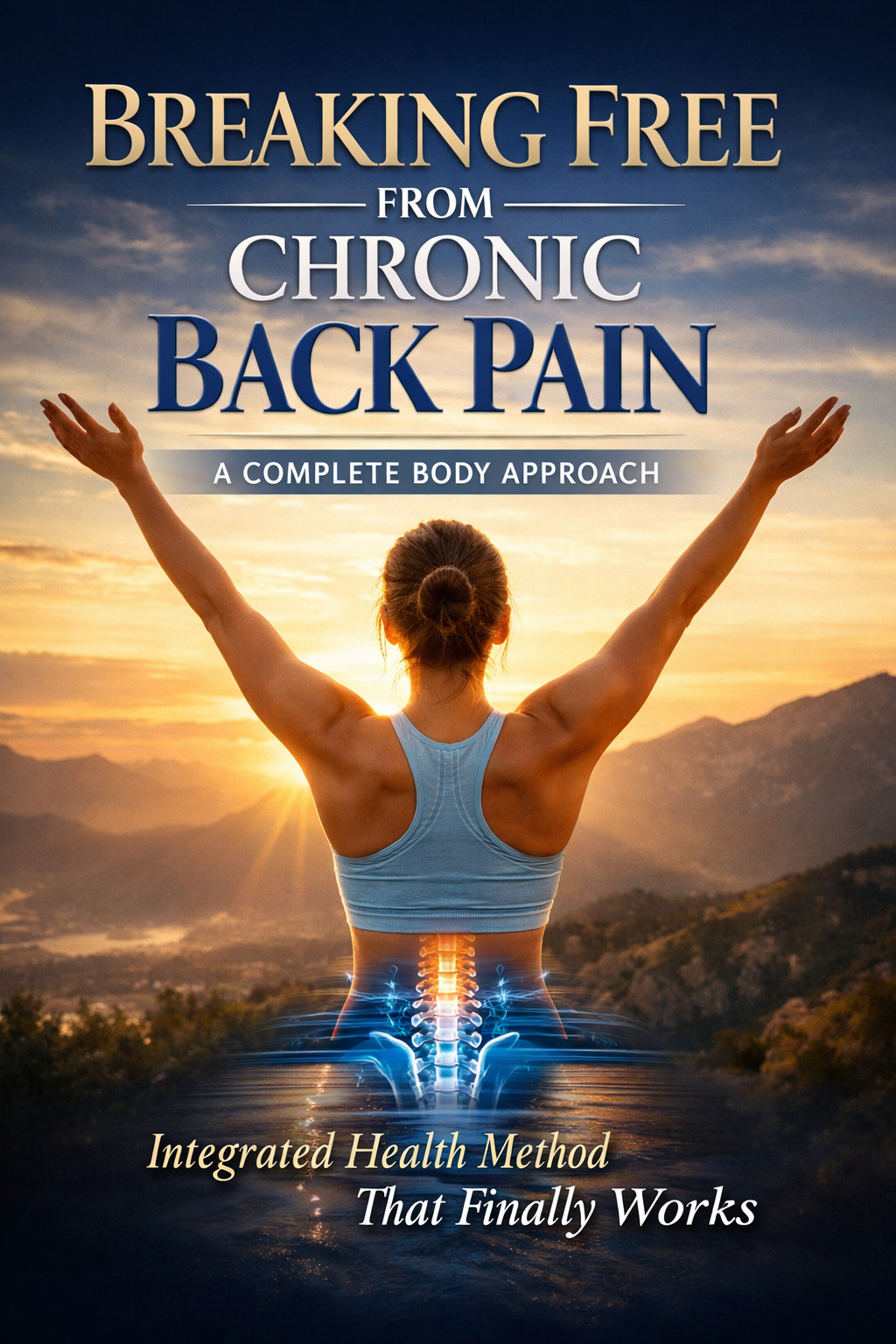
Many of Scott’s clients have posture imbalances, invertedbreathingpatterns, forward head posture, fatigue, andlower back pain. Whatever your health issues, Scott educates and coaches you on what you need to overcome to regain your health.
Scott, master CHEK personal trainer in Battersea, does his job with passion, care, love, and understanding for your needs, goals, and dreams. Scott is a sought-afterPersonal Trainer in Battersea because of his advanced education level and guaranteed results.
So, if you’re looking for a caring, compassionate, and understandingfitness professionalwho will give you the truth about health and well-being, you should contact Scott today! Scott has worked with over 300 clients from all different backgrounds, including a Saudi princess, doctors, movie stars, golfers, tennisplayers, boxers, dancers, etc.! He is also a book author, YouTuber, blogger, and public speaker and presenter. He has presented at the Hurlingham Club in London, been on the radio and Breeze FM in Southampton, and been featured in the Guardian paper.
Scott is committed to giving any new client a five-star service, so get in touch today if you’re truly looking for a life-changing experience. Live chat online, send an email, or Call Scott ASAP! 07841144878
Discover Certified Uk Master C.H.E.K PractitionerLevel 5
UK, In London, USA, CHEK Practitioner in Battersea”
“How a CHEK Practitioner Helps Reduce Back Pain”
Online“Book Your CHEK Assessment”
Find a CHEK Practitioner
Scott Bryant Master Paul CHEK practitioner level 5
Master uk C.H.E.K Practitioner level 5 Scott Bryant in London uk
Take Personal Training to its highest level! To be a Personal Trainer, it takes 1-2 weeks to be qualified, but to be a Master C.H.E.K Practitioner, it takes up to 6 years before anyone can call themselves or be certified. They have to be certified by Paul Chek himself! C.H.E.K Training requires you to excel in many courses, coaching levels, and conditioning practices. The C.H.E.K Institute is very thorough in its approvals, ensuring that not just anybody gets their certificates. Many prospects give up on the early pieces of training because of the amount you have to learn, read, and practice. So when you decide to book with me, a Chek Practitioner as your fitness trainer, you get
“Why Choose a CHEK Practitioner?”
Holistic approach (posture, nutrition, lifestyle)
Pain relief & rehab focus
Personalised guidance & accountability
, exercise, and lifestyle coaching… an expensive value unlike any other.
Trustindex verifies that the original source of the review is Google.
I’ve been training with Scott Bryant for a few months, and the results have been amazing! He’s incredibly knowledgeable, tailors workouts to my goals, and keeps every session challenging but fun. His guidance on nutrition and strength training is top-notch. If you’re looking for a professional personal trainer in London who actually gets results, I highly recommend Scott!
Posted on
Roberto Viel
Trustindex verifies that the original source of the review is Google.
I have know Scott for many years and he has been my personal fitness trainer. I admire his dedication, knowledge and commitment. With his guidance and teaching I have improved my posture, my fitness and gained better muscles definition, without any injuries.
I like his holistic approach to fitness.
I highly recommend Scott
Posted on
Francis Yemoh
Trustindex verifies that the original source of the review is Google.
Highly recommended – professional, holistic and deeply insightful
Scott is a rare kind of practitioner, combining deep expertise in posture correction and movement with a genuinely holistic approach that considers physical, emotional, and energetic wellbeing.
I came to him for support with chronic postural imbalances and muscular tension, and left with a much clearer understanding of the root causes, plus a practical path forward. His insights into diet, stress, and lifestyle were equally valuable.
Scott is generous with his knowledge, honest in his guidance, and clearly committed to long-term results. I’m looking forward to working with him again in the future as my circumstances and journey evolve.
If you’re ready to take ownership of your health and want someone who can support the process from multiple angles, Scott is a powerful ally.
Posted on
Asmeninis Treneris Karolis
Trustindex verifies that the original source of the review is Google.
This is a true holistic coach and most importantly a true person, who is more than just a trainer, but a compassionate friend.
Posted on
Jonne Tanskanen
Trustindex verifies that the original source of the review is Google.
Superbly insightful and inspiring personality, very grateful for Scott’s openness in sharing his vast knowledge and expertise. Would highly recommend Scott’s services for anybody who is serious about improving their health and vitality.
Posted on
Nisha Srivastava
Trustindex verifies that the original source of the review is Google.
"My partner bought Scotts book for me. A little gem of a treasure that can fit in any woman's handbag. Some key information especially for women, menopause and training. Scott is truly passionate about what he does and I can see form his clients testimonials that his training and coaching definitely works. "
Posted on
Yalçın Aksu
Trustindex verifies that the original source of the review is Google.
I have experienced a real transformation with Scott. His technical approaches, combined with great performance training and targeted posture correction, have relieved my chronic back pain. Personalized sessions and expert guidance provide guaranteed solutions. Highly recommended to anyone looking to improve their fitness in a great environment!
Posted on
P L
Trustindex verifies that the original source of the review is Google.
River of knowledge this guy has, within the first 15 mins of talking to Scott he was able to ascertain my back pain along with liftsyle challenges. Having spent thousands of pounds for the last 27 years he was already treating me and advising. A Genuine practitioner who purely wants people to get back to better health. Got my back to peak health.
Posted on
Samuel Cricelli
Trustindex verifies that the original source of the review is Google.
Scott has been very kind enough to take time out of his busy schedule to chat with me about the CHEK system and ways to improve my business. I’m very thankful for his advice.
CHEK practitioner assessment tools
Uk Personal Trainers usually complete one study course:
only, so they don’t understand diet, lifestyle, human anatomy, physiology, and elastic health to the platinum level that a Chek Practitioner does. Paul Chek is world-famous in the fitness industry for helping complex clients recover from pain, injuries, and diseases.
Paul has worked with Danny Way, the Denver Broncos, Chicago Bulls, Chuck Norris, Anthony Robbins, and Load Hamilton, to name but a few. He’s established a successful 40-year career, founding the C.H.E.K Institute in 1989. Paul prides himself in working with the best in the world to ensure he can offer only the best and most productive help.
Scott heard about Paul Chek in 2003:
so when Paul presented a seminar in Brighton, Scott really found his life purpose. He decided to study everything that Paul Chek had to offer. In 2013, Scott Bryant became a master practitioner, one of only four in London! So if you’re looking for the best of the best and you’ve tried physios, doctors, and osteopaths, and nothing has worked, Scott prides himself on guaranteeing results for his clients that nobody else has been able to achieve.
Scott Bryant doing some of chek assessment.
The UK C.H.E.K Practitioner system is customised:
and individualised for each person looking at their specific needs for diet, lifestyle, exercise, movement, thinking and breathing, and any underlying health issues.Scott has been privileged to work with pop stars, movie stars, photographers, lawyers, golfers, tennis players, bodybuilders, plastic surgeons, and everyone in between in his 25-year career. Thus, if you’re looking for the gold standard in Personal Training, you’ve come to the right place! Scott is very selective with who he works as he only wants to work with those willing to invest the time, effort, and money in getting their health back or improving their sports performance.
Buy Scott book and get free workout program.
Scott has read over 100 books, completed over 40 courses:
and has worked with over 300 clients, so if you’re fed up with not getting the results that you deserve and you’re looking for a different, unique approach to getting your health and your sports performance back, then get in touch with Scott Bryant, Master Chek Practitioner in the UK today!
What is a Chek Practitioner?
Scott is a back pain specialist
A C.H.E.K Practitioner is a personal trainer with a much higher level of understanding about the systems in the body.
After years of education and training, they take a holistic approach to improving your health, wellness, and fitness levels.
What does Chek stand for?
Corrective, Holistic, Exercise, Kinesiology. In layman’s terms, it’s the comprehensive study of human development.
What is Chek certification?
A CHEK Practitioner is signified by their level of training (Level I-IV), and there are also “Holistic Lifestyle Coaches” (HLCs), a certification developed to teach how to integrate functional eating and lifestyle management practices into exercise and rehabilitation programs for optimum results.
What is corrective, holistic, exercise, & kinesiology?
(CHEK) practitioners identify the signs and symptoms of disorders that may impede successful rehabilitation from pain or illness, and they then work with a network of appropriate professionals to attain a solution.
What is holistic lifestyle coaching?
A holistic health coach takes a whole-person approach, considering not just your physical health but also your mental and emotional well-being. These coaches work with you to identify underlying issues and help you create a plan to achieve your goals and find overall balance and fulfillment in your life.
What is the difference between a life coach and a lifestyle coach?
In short, a wellness coach approach considers a wider, more holistic look at the overall health and well-being of the client than a life coach’s approach, which focuses on specific elements of a person’s life.
“Unlock Your Health Potential with One-to-One Nutrition Coaching in Battersea, London”
One-to-One Nutrition Coaching – Online & In Battersea, London
Ready to fuel your body the right way? Scott Bryant offers 1-to-1 nutrition coaching both online and in Battersea, London, tailored to your unique metabolism, goals, and lifestyle. Whether you’re aiming for fat loss, better digestion, or more energy, Scott blends holistic nutrition with real-world coaching to help you feel and perform at your best—inside and out.
Trustindex verifies that the original source of the review is Google.
I’ve been training with Scott Bryant for a few months, and the results have been amazing! He’s incredibly knowledgeable, tailors workouts to my goals, and keeps every session challenging but fun. His guidance on nutrition and strength training is top-notch. If you’re looking for a professional personal trainer in London who actually gets results, I highly recommend Scott!
Posted on
Roberto Viel
Trustindex verifies that the original source of the review is Google.
I have know Scott for many years and he has been my personal fitness trainer. I admire his dedication, knowledge and commitment. With his guidance and teaching I have improved my posture, my fitness and gained better muscles definition, without any injuries.
I like his holistic approach to fitness.
I highly recommend Scott
Posted on
Francis Yemoh
Trustindex verifies that the original source of the review is Google.
Highly recommended – professional, holistic and deeply insightful
Scott is a rare kind of practitioner, combining deep expertise in posture correction and movement with a genuinely holistic approach that considers physical, emotional, and energetic wellbeing.
I came to him for support with chronic postural imbalances and muscular tension, and left with a much clearer understanding of the root causes, plus a practical path forward. His insights into diet, stress, and lifestyle were equally valuable.
Scott is generous with his knowledge, honest in his guidance, and clearly committed to long-term results. I’m looking forward to working with him again in the future as my circumstances and journey evolve.
If you’re ready to take ownership of your health and want someone who can support the process from multiple angles, Scott is a powerful ally.
Posted on
Asmeninis Treneris Karolis
Trustindex verifies that the original source of the review is Google.
This is a true holistic coach and most importantly a true person, who is more than just a trainer, but a compassionate friend.
Posted on
Jonne Tanskanen
Trustindex verifies that the original source of the review is Google.
Superbly insightful and inspiring personality, very grateful for Scott’s openness in sharing his vast knowledge and expertise. Would highly recommend Scott’s services for anybody who is serious about improving their health and vitality.
Posted on
Nisha Srivastava
Trustindex verifies that the original source of the review is Google.
"My partner bought Scotts book for me. A little gem of a treasure that can fit in any woman's handbag. Some key information especially for women, menopause and training. Scott is truly passionate about what he does and I can see form his clients testimonials that his training and coaching definitely works. "
Posted on
Yalçın Aksu
Trustindex verifies that the original source of the review is Google.
I have experienced a real transformation with Scott. His technical approaches, combined with great performance training and targeted posture correction, have relieved my chronic back pain. Personalized sessions and expert guidance provide guaranteed solutions. Highly recommended to anyone looking to improve their fitness in a great environment!
Posted on
P L
Trustindex verifies that the original source of the review is Google.
River of knowledge this guy has, within the first 15 mins of talking to Scott he was able to ascertain my back pain along with liftsyle challenges. Having spent thousands of pounds for the last 27 years he was already treating me and advising. A Genuine practitioner who purely wants people to get back to better health. Got my back to peak health.
Posted on
Samuel Cricelli
Trustindex verifies that the original source of the review is Google.
Scott has been very kind enough to take time out of his busy schedule to chat with me about the CHEK system and ways to improve my business. I’m very thankful for his advice.
One-to-One Nutrition Coaching in Battersea & Online Across London
Have you tried multiple diets to lose weight… and nothing worked? Tried exercising more, eating less, cutting carbs, cutting joy — and the scale still laughs at you?
Maybe you’ve been told:
“It’s just calories”
“Eat less, move more”
“That medical condition makes weight loss impossible”
Yet here you are — stressed, tired, confused, and stuck in a loop of reading articles and books that all contradict each other. Fun times.
You’re not broken. You’re just drowning in misinformation.
Why One-to-One Nutrition Coaching Matters
Many people in Battersea and across London need one-to-one nutrition coaching because the media has turned nutrition into a circus. And to be fair, your average doctor spends around two days studying nutrition during a six-year medical degree. That’s not a criticism — it’s just reality.
Real results don’t come from generic meal plans. They come from personalised, holistic nutrition coaching.
Active Bryant Fitness Systems – Nutrition Coaching That Actually Makes Sense
At Active Bryant Fitness Systems, I’ve been helping clients for over 26 years understand:
Why fats are not the enemy
Why no two people should eat the same diet
Why genetics, hormones, stress, sleep, and lifestyle matter
Why weight gain or weight loss resistance is rarely “just willpower”
We don’t all look the same — so why would we eat the same?
What Makes My Nutrition Coaching Different?
✔ One-to-one nutrition coaching in Battersea ✔ Online nutrition coaching across London and the UK ✔ In-depth holistic analysis of your diet, lifestyle, stress, sleep, and energy ✔ 10-day structured coaching process to ensure real understanding and long-term success ✔ Coaching tailored for people with medical conditions, thyroid issues, stress-related weight gain, and chronic fatigue
This isn’t a quick fix. It’s a why-this-finally-works approach.
About Scott Bryant
I’m Scott Bryant, a three-time book author and Master C.H.E.K Practitioner, trained through the C.H.E.K Institute in San Diego, California.
6 years of advanced study
Personally assessed and passed by Paul C.H.E.K himself
The first Master C.H.E.K Practitioner in Battersea, London
In other words — this isn’t guesswork. It’s a system.
Ready for Nutrition Coaching That’s Built Around You?
If you’re done with:
Conflicting advice
Yo-yo dieting
Feeling blamed for something that isn’t your fault
Then one-to-one nutrition coaching in Battersea or online nutrition coaching in London might be exactly what you need.
Your body isn’t the problem. The plan just needs to finally make sense.
(And yes — it can.)
One-to-One Nutrition Coaching Online Best Results Battersea in London
Why is there so much miss informationonlinein the media and in Books about one-to-one nutritional coaching it’s because he’s a gazillion books written on diet so many are completely confused on on diet many authors of these books are overweight out of shape still writing a book on nutrition
With active Bryant fitness systems, one-to-one, nutritional coaching uses holistic approach to get to the root cause of why are you can’t lose weight why are you gaining fat on your workout program is the optimum amount of energy in the gym or for work or one-to-one nutritional coaching is not the only thing you need in which to get your body in shape
One-to-One Nutrition Coaching Online Best Results
Combining exercise and nutritional coaching will help your body be in its best shape of your life Many people make the mistake of doing one or the other change on a diet with no exercise or too much exercise I’m not changing the diet and we’re back to Bryant fitness systems one-to-one nutritional coaching Battersea we do not only look at nutrition will look at your health of your hormones as weather is balance seen your gut biome and help you to balance your nervous system to sympathetic to parasympathetic or from parasympathetic to sympathetic dominance, which this enables you to lose weight and keep it off
Buy Scotts book and get free workout program
Holistic Health in London By Scott Book.
Holistic Health for Proper Geezers and Classy Ladies is a guide to achieving a healthier lifestyle and optimal fitness
Scott Bryant guides you through the challenges of weight loss, detoxification and even tackles persistent back pain. Scott has over 19 years’ experience and offers a holistic approach to health and fitness coaching.
A highly-qualified Master C.H.E.K. (Corrective, Holistic, Exercise, Kinesiology) Practitioner, Scott advises on nutrition, lifestyle and introduces us to healing practices such as Shamanism and therapeutic drumming. His practice also helps the reader to identify and resolve the internal conflicts within the body which, if ignored, can manifest into pain and disease.
This book gives practical advice to help the reader achieve a healthier more positive lifestyle.
With Active Bryant, Fitness Systems, one-to-one, nutrition, online and holistic diet to lifestyle coaching. We guarantee you results or your money back!
7. Learn while sleep, exercise and diet a number one for losing weight.
8 And lots more
Most frequent ask questions About one-to-one nutritional coaching online:
How fast will I see results with One-to-one nutritional coaching:
Straightaway in the first 10 days you should lose 8 to 14 lbs Body fat Provided you stick to the coaching.
Do you do Testing for one-to-one nutritional coaching?
Yes, Lab testing is available As well as a nutritional Test will be done So we can guarantee you weight loss results.
Do I have to stay on the diet forever?
Scott will educate you about Food, and Individual Dietary type is Once you know this Every time you go away from it You will see your body put on weight It’s easy to do an easy to understand It’s not complicated
Can I do one-to-one nutritional coaching? With Without exercise:
Yes, you can but the results may be much slower Without the exercise component If you’re serious about losing weight.
Do I have to Calorie count:
There’s no calorie counting This never works in the long run you learn about Food proportions Fats oils carbohydrates And proteins and balancing these out.
How long do I need to do this for to get optimum results?
Scott likes Clients to book in for A minimum of 10 sessions To guarantee Your results
One-to-One Nutrition Coaching Online and in Battersea
Activebryant fitness systems.One-to-onenutritionalcoaching.Battersea.in London Wehavebeenhelpingclientsforover26years. Scott is master C.H.E.K. practitioner level 5Thisishowwecanguaranteeyouthebestresultoflosingweight and learn what food and diet is right for yourbodytogetmoreenergy, feelingstrongerandhavingAbundanthealthifyou’dliketoknowmore,pleasecontactScotttodayviaemail.One-to-One Nutrition Coaching live chat web site or
Book Your Free 10 Minutes Strategy Call – Personal Trainer Battersea
Call Scott On: 07352316943 or live chat on website