Personal Fitness Trainer London

Personal Fitness Trainer London

Personal Fitness Trainer London

Best personal fitness trainer London

Personal fitness trainer London. can play a crucial role in helping you achieve various fitness goals, including fat loss, strength maintenance, back pain prevention, muscle building, anti-aging, sports performance improvement, posture correction, and core strength development. Let’s break down each of these aspects and address some related concerns:

Fat Loss and Strength Maintenance London:

    • A good personal trainer can design a customized workout program tailored to your goals and fitness level.
    • They can create a structured exercise routine that combines cardiovascular workouts and resistance training, both of which are essential for fat loss and muscle maintenance.
    • Personal trainers can also monitor your progress and make necessary adjustments to ensure you’re on the right track.
Personal Fitness Trainer London

we help with back pain London.

Preventing Back Pain London:

    • Personal trainers can teach you proper exercise form and technique, reducing the risk of injury, especially in the lower back.
    • They can create specific exercises that target the core and back muscles to improve stability and support for your spine.
    • A well-structured exercise program can also address muscle imbalances and posture issues that contribute to back pain.
Personal Fitness Trainer London

we get you stronger in London.

Building Muscle and Anti-Aging London :

    • Personal trainers can design strength training programs that progressively challenge your muscles, leading to muscle growth and improved overall physique.
    • Strength training helps maintain bone density and can combat the muscle loss associated with aging.
    • By incorporating a variety of exercises and techniques, personal trainers can keep your workouts engaging and effective.
  1. Sports Performance Improvement (e.g., Golf, Tennis):
    • Personal trainers with expertise in sports-specific training can tailor workouts to improve your performance in activities like golf and tennis.
    • They can focus on developing the specific muscles, movements, and endurance required for your chosen sport.
    • Agility, balance, and coordination can also be enhanced through targeted training.
  2. Posture and Core Strength Battersea:
    • Personal trainers can identify and address posture issues, creating exercises to strengthen the core muscles that support proper alignment.
    • Improved posture and core strength can reduce the risk of back pain and improve overall body stability.
  3. Qualification of Personal Trainers:
    • It’s essential to choose a certified personal trainer with the appropriate credentials and experience.
    • Look for certifications from reputable organisations like C.H.E.K ACE, NASM, ACSM, or NSCA.
    • Check for reviews, client testimonials, and ask about their education and experience in the field.
  4. Diet and Lifestyle London :
    • While personal trainers can guide your exercise regimen, diet and lifestyle play a significant role in weight loss.
    • Consider working with a registered dietitian or nutritionist in conjunction with a personal trainer for a holistic approach to health.
  5. Choosing the Best Personal Trainer London :
    • Look for trainers who align with your goals and have a history of success in achieving similar objectives.
    • Schedule a consultation to discuss your goals, expectations, and their training approach.
    • Ensure they can provide references or client testimonials.
  6. Cost of Personal Training London £100-£135 :
    • Personal training rates can vary widely based on location, trainer experience, and the services offered.
    • Higher-quality trainers may charge more, but the investment in your health and fitness can be worth it.
  7. In-Person vs. Online Training:
    • In-person training allows for immediate feedback, hands-on guidance, and a more personalized experience.
    • Online training can be more flexible but may require more self-discipline and motivation.
    • The choice between them depends on your preferences, schedule, and budget.

Ultimately, the success of your fitness journey depends on your commitment, the expertise of your personal trainer, and the synergy between your goals and their training approach. Choose a trainer who can provide the guidance and support you need to reach your specific objectives.

A personal trainer session London typically involves a combination of activities and elements aimed at helping you achieve your fitness goals. The specific content of a personal training session can vary based on your goals, fitness level, and the trainer’s approach. However, here’s a general outline of what you can expect during a typical personal training session:

Assessment and Goal Setting:

    • Your session may start with a brief discussion about your fitness goals, any health concerns or limitations, and your previous exercise experience.
  1. Warm-Up:
    • A warm-up is crucial to prepare your body for exercise. It usually includes light cardiovascular activity (e.g., jogging, jumping jacks) and dynamic stretching to increase blood flow and flexibility.
  2. Main Workout Component:
    • The majority of the session is dedicated to the main workout. This can include:
      • Strength training exercises using free weights, resistance bands, or machines to target specific muscle groups.
      • Cardiovascular exercises like running, cycling, or using cardio equipment to improve endurance and burn calories.
      • Functional training exercises that mimic real-life movements to enhance overall fitness and coordination.
      • Sports-specific drills if your goal is to improve in a particular sport.
  3. Cool Down and Stretching:
    • After the main workout, you’ll engage in a cool-down period to lower your heart rate gradually.
    • Static stretching may be incorporated to improve flexibility and reduce muscle tension.
  4. Nutrition and Lifestyle Guidance:
    • Some personal trainers may provide brief nutritional advice or lifestyle tips to support your fitness goals.
  5. Progress Tracking:
    • Your trainer may record your workout data, such as the number of repetitions, weights lifted, or distance covered, to track your progress over time.
  6. Feedback and Coaching:
    • Throughout the session, your trainer will provide feedback on your form and technique, ensuring you perform exercises safely and effectively.
    • They may also offer motivation and encouragement to help you push through challenges.
  7. Homework and Recommendations:
    • Your trainer may suggest exercises or activities for you to do on your own between sessions to reinforce your progress.
  8. Discussion and Planning:
    • At the end of the session, you may discuss your performance, any concerns or questions you have, and your plan for future sessions.
  9. Personalized Training Plan:
    • Your trainer will continue to design a personalized training plan tailored to your goals, adjusting it as needed based on your progress.

The content and structure of each session can vary, but the overarching goal is to provide guidance, motivation, and expertise to help you achieve your fitness objectives safely and effectively. Communication with your trainer is essential, as it allows them to tailor each session to your needs and make adjustments as you progress.

The best exercises for fat loss are those that elevate your heart rate, burn calories, and increase your metabolism. A combination of cardiovascular exercises and strength training can be highly effective for fat loss. Here are some of the best exercises for fat loss:

Personal Trainer Fitness London

we get you faster for your sports.

Cardiovascular Exercises:

    • Running: Running at a steady pace or incorporating intervals (sprinting followed by walking or jogging) can burn a significant number of calories.
    • Cycling: Riding a bike, whether outdoors or on a stationary bike, is an excellent way to burn calories and improve cardiovascular fitness.
    • Swimming: Swimming provides a full-body workout while being gentle on the joints. It can help you shed fat and improve endurance.
    • Jumping Rope: Jumping rope is a high-intensity, calorie-burning exercise that also enhances coordination and agility.
    • High-Intensity Interval Training (HIIT): HIIT workouts involve short bursts of intense exercise followed by brief rest periods. They are highly effective for fat loss and can be customized with various exercises like burpees, jumping jacks, or kettlebell swings.
  1. Strength Training Exercises:
    • Compound Movements: Exercises like squats, deadlifts, bench presses, and pull-ups engage multiple muscle groups and boost metabolism.
    • Bodyweight Exercises: Moves like push-ups, planks, lunges, and squats are effective for building muscle and burning calories.
    • Kettlebell or Dumbbell Workouts: Incorporating weights into your routine can help build muscle and increase calorie expenditure both during and after your workout.
    • Circuit Training: Combine strength exercises with short bursts of cardio to create an efficient fat-burning workout.
  2. Functional Training:
    • Exercises that mimic real-life movements, such as kettlebell swings, medicine ball throws, or battle ropes, can challenge your muscles and elevate your heart rate.
  3. Interval Training:
    • In addition to HIIT, other interval-based workouts, such as Tabata or ladder workouts, can be effective for fat loss.
  4. Group Fitness Classes:
    • Classes like spinning, aerobics, Zumba, or CrossFit can provide structured workouts that promote fat loss while keeping you motivated through group dynamics.
  5. Yoga and Pilates:
    • While not typically considered high-intensity, these activities can help with overall body toning, flexibility, and stress reduction, which can indirectly support fat loss.

Remember that the key to fat loss is consistency and a balanced approach. It’s crucial to combine these exercises with a healthy diet to create a caloric deficit, which is the foundation of fat loss. Additionally, adequate sleep and stress management play essential roles in your overall ability to shed body fat.

Always consult with a healthcare professional or fitness expert before starting a new exercise routine, especially if you have any underlying health conditions or concerns. They can provide guidance tailored to your specific needs and goals.

Hormones can indeed influence your ability to lose fat, as they play a significant role in regulating various aspects of your metabolism, appetite, and fat storage. Several hormones can impact fat loss:

  1. Insulin: Insulin is a hormone released by the pancreas in response to increased blood sugar levels after eating. It helps transport glucose into cells for energy or storage. Elevated insulin levels, often seen in conditions like insulin resistance or type 2 diabetes, can make it more challenging to lose fat. Managing blood sugar through diet and exercise is essential in such cases.
  2. Leptin: Leptin is a hormone produced by fat cells that helps regulate appetite and metabolism. It signals to your brain that you are full and can reduce hunger. Leptin resistance, where the brain doesn’t respond to leptin signals properly, can lead to overeating and weight gain.
  3. Ghrelin: Ghrelin is known as the “hunger hormone” because it stimulates appetite. When ghrelin levels are high, you may feel hungrier, making it more difficult to control your calorie intake.
  4. Cortisol: Cortisol, the stress hormone, can lead to fat storage in the abdominal area when chronically elevated. High stress levels can affect your eating habits and make it harder to maintain a healthy diet.
  5. Thyroid Hormones: Thyroid hormones, particularly T3 and T4, play a crucial role in regulating metabolism. An underactive thyroid (hypothyroidism) can slow down metabolism and make it harder to lose weight.
  6. Sex Hormones: Hormones like estrogen and testosterone can influence body composition. For example, imbalances in sex hormones can lead to fat storage in certain areas of the body.

While hormones can affect fat loss, they are not the sole determinants of weight management. Lifestyle factors, including diet, exercise, sleep, and stress management, can have a profound impact on hormone levels and overall fat loss success. Here are some strategies to optimize hormone balance and support fat loss:

  1. Balanced Diet: Focus on a balanced diet that includes lean proteins, whole grains, fruits, vegetables, and healthy fats. Avoid excessive sugar and processed foods that can disrupt insulin and leptin levels.
  2. Regular Exercise: Incorporate both cardiovascular and strength-training exercises into your routine to boost metabolism and support fat loss. Exercise can also help regulate hormones and improve insulin sensitivity.
  3. Stress Management: Practice stress-reduction techniques such as meditation, yoga, deep breathing, or mindfulness to lower cortisol levels and manage stress-related eating.
  4. Adequate Sleep: Aim for 7-9 hours of quality sleep per night to help regulate hormones and support overall health.
  5. Consult a Healthcare Professional: If you suspect a hormone imbalance is affecting your ability to lose fat, consult with a healthcare provider. They can perform hormone tests and recommend appropriate treatments or lifestyle adjustments.

Remember that fat loss is a complex process influenced by multiple factors, including genetics and individual physiology. It’s essential to focus on a holistic approach to health and weight management rather than fixating solely on hormones.

Here some of Scott top blogs.

  1. 9 Health Fitness Tips For Sleep Diet And Lifestyle London
  2. Transform Your Body with Our Weight Loss Training Program
  3. 7 Best Ways Maximise Gym Workout Performance Fast Battersea
  4. 10 Kettlebell Fat Loss Exercise:For Home Program Battersea in London
  5. Walking Your Way To Peak Health And Fitness London
Personal Fitness Trainer London

you want weight loss pain andPersonal Trainer Londonposture. health

Call Scott know more how he can help you on 07841144878

Personal Fitness Trainer One-Day Workshop: London

Personal Fitness Trainer One-Day Workshop: London

Personal Fitness Trainer One-Day Workshop: London

With Scott Bryant

One-Day Personal Trainer Workshop: London

Personal Trainer One-Day workshop London

Scott Bryant 26 years in fitness training and he is master chek practitioner in London.

Awhat they should and shouldn’t stretch. You will also learn about the best Posture rebalancing exercises and how to energise and rebalance the chakra system. Scott has 23 years of experience in the fitness industry, studied with the best in the world, has written three different books and recorded 250 podcasts, and is a YouTuber with over 8,600 subscribers. Scott has helped over 300 clients overcome back pain, lose weight, and become the optimal version of themselves. In this one-day seminar, you will learn all the tricks and techniques Scott has used over the years, and you will get a free copy of his book and a program designed for your body’s unique needs. This one-day workshop will take place when Scott has a minimum of 10 confirmed bookings and will be held on Sundays at our London location.

Why should you choose to come to Scott’s one-day seminar?

Scott has a wealth of knowledge with 25 years in the personal fitness trainer industry, and he has studied with the best in the world, Paul Chek, Charles Poliquin, and Gary Gray. Scott has also read over 930 books and delivered hundreds of personal training sessions. In the past 25 years, Scott has been featured on Breeze FM radio, in the Guardian newspaper, and chatted about in Madonna, Yoga Woman’s, and Golfers Magazines. Scott is a book author, 3 of which are self-published.

Scott will help you to understand that while flexibility is needed, not everybody needs the same posture, performance, and alignment to overcome pain and achieve optimum performance. Additionally, he will show you some exercises that are guaranteed to improve posture and performance.

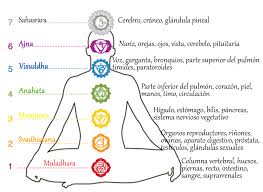
 Scott will show you how to rebalance and realign your client’s energy systems, chakras, to balance the body and mind.

tips for health back and 10 fat loss secrets now

Read Scott ebook it free.

What are the chakra systems? The Chakras are part of esoteric ideas and concepts about physiology and psychic centers that emerged across Indian traditions.[22][28] The belief that human life simultaneously exists in two parallel dimensions, one “physical body” (sthula sarira) and the other “psychological, emotional, mind, non-physical” is called the “subtle body” (sukshma sarira).[29][note 1] This subtle body is energy, while the physical body is mass. The psyche or mind plane corresponds to and interacts with the body plane, and the belief holds that the body and the mind mutually affect each other.[5] The subtle body consists of nadi (energy channels) connected by nodes of psychic energy called chakra.[3] The belief grew into extensive elaboration, with some suggesting 88,000 chakras throughout the subtle body. The number of major chakras varies between traditions but typically ranges between four and seven.[3][4] Nyingmapa Vajrayana Buddhist teachings mention eight chakras, and there is a complete yogic system for each of them.

The important chakras are stated in Hindu and Buddhist texts to be arranged in a column along the spinal cord, from its base to the top of the head, connected by vertical channels.[5][6] The tantric traditions sought to master them, awaken and energize them through various breathing exercises or

Personal Trainer one-day workshop LondonWith Scott Bryant

Chakra healing

with the assistance of a teacher. These chakras were also symbolically mapped to specific human physiological capacity, seed syllables (bija), sounds, subtle elements (tanmatra), and in some cases, deities, colors, and other motifs.[3][5][31]

Belief in the chakra system of Hinduism and Buddhism differs from the historic Chinese system of meridians in acupuncture.[6] Unlike the latter, the chakra relates to the subtle body, wherein it has a position but no definite nervous node or precise physical connection. The tantric systems envision it as continually present, highly relevant, and a means to psychic and emotional energy. It is useful in yogic rituals and meditative discovery of radiant inner energy (prana flows) and mind-body connections.[6][32] The meditation is aided by extensive symbology, mantras, diagrams, and models (deity and mandala). The practitioner proceeds step by step from perceptible models to increasingly abstract models where deity and external mandala are abandoned, and inner self and internal mandalas are awakened.[33][34]

These ideas are not unique to Hindu and Buddhist traditions. Similar and overlapping concepts emerged in other cultures in the East and the West, and these are variously called by other names such as subtle body, spirit body, esoteric anatomy, sidereal body, and etheric body.[35][36][30] According to Geoffrey Samuel and Jay Johnston, professors of religious studies known for their studies on Yoga and esoteric traditions:

Ideas and practices involving so-called ‘subtle bodies’ have existed for many centuries in many parts of the world. (…) Virtually all human cultures known to us have some kind of concept of mind, spirit, or soul as distinct from the physical body if only to explain experiences such as sleep and dreaming. (…) An important subset of subtle-body practices found particularly in Indian and Tibetan Tantric traditions and in similar Chinese practices involves the idea of an internal ‘subtle physiology’ of the body (or rather of the body-mind complex) made up of channels through which substances of some kind flow, and points of intersection at which these channels come together. In the Indian tradition, the channels are known as nadi and the points of intersection as cakra.

— Geoffrey Samuel and Jay Johnston, Religion and the Subtle Body in Asia and the West: Between Mind and Body[37]


1. A free copy of Scott’s book.
2. free 10 page take home manual.
3. Skills that you can use straight away.
4. free Personally design you a bespoke program.
5. Guest speakers.
7. Learn how to balance you.
8 Learn why one exercise may be all you need.
9.Ask scott any thing about health and fitness.
sports massage

chek practitioner

The seminar is only open to personal trainers, coaches, and exercise professionals who have an open mind and are ready to learn something new that will enhance their Personal Trainer business and help their clients. It costs £250 for the one-day workshop in London.

If you have any questions about Scott’s one-day seminar, please contact him via the Live Chat on the website or email him. Scott is more than happy to talk to you about the benefits of his unique one-day seminar! Call Scott on 07841144878 to book or live chat on home page


Core Strength Personal Fitness Trainer Battersea In London

Core Strength Personal Fitness Trainer Battersea In London

Core Strength Personal Trainer Battersea | CHEK Practitioner

Core Fitness in London

Core Body Mind Fitness

Core Abs Posture and pain Marylebone/Baker St,

Core strength Personal Fitness Trainer Battersea In London

Press up on Swiss ball great for the core Core Strength

Core strength Personal Fitness Trainer Battersea core is where movement begins and ends we are only as strong as our core areas we load our body to weigh in gym workout if have weak core you get lower back pain. And injury in the neck shoulder or lower back knees and ankles so we must do core conditioning in our work, but not just abdominal crunches it more complexes we have inner and outer units of the core So we must work with them in the correct way, but many personal trainer and physio don’t have the in-depth knowledge to know how to work out the core for balance. And speed, power and strength. They think just push your abs out or pull in many gym goers don’t not know how to activate their cores in their workout or in the lift they are doing.

Core strength is crucial for managing back pain and improving posture because your core muscles form the foundation for almost every movement you make. Strengthening these muscles provides support to your spine, enhances stability, and reduces stress on the lower back. Here’s a breakdown of why core strength matters and how Swiss ball exercises are especially beneficial:


Why Core Strength Is Important for Back Pain and Posture

  1. Supports the Spine
    • Core muscles, including the transverse abdominis, obliques, and multifidus, act like a natural corset for your spine. When these muscles are weak, the spine is less supported, leading to poor posture and potential injury.
  2. Reduces Pressure on the Lower Back
    • A weak core forces the lower back to compensate during movement, increasing the risk of pain and injuries such as disc herniation or muscle strain.
  3. Improves Postural Alignment
    • Poor posture often stems from an imbalance between weak core muscles and tight back muscles. Strengthening the core helps you maintain a neutral spine and prevents slouching or overextension.
  4. Facilitates Functional Movements
    • A strong core enhances balance, stability, and body control, making daily activities (e.g., lifting, bending, or twisting) easier and safer.
  5. Prevents Recurrence of Pain
    • For those with a history of back pain, building core strength reduces the likelihood of recurrence by improving overall movement mechanics.

Why Swiss Ball Exercises Are a Must for Core Strength

Swiss balls, also known as stability balls, are an excellent tool for core training due to their ability to engage multiple muscles simultaneously. Here’s why they are so effective:

  1. Promotes Instability for Greater Engagement
    • The unstable surface of a Swiss ball forces your core muscles to work harder to maintain balance, improving strength and coordination.
  2. Enhances Muscle Activation
    • Swiss ball exercises target deep stabilizing muscles like the transverse abdominis and multifidus, which are often neglected in traditional workouts.
  3. Improves Posture
    • Using a Swiss ball challenges your body to maintain proper alignment during exercises, reinforcing good postural habits.
  4. Reduces Stress on the Spine
    • Many Swiss ball exercises are low impact, making them ideal for individuals with existing back pain.
  5. Versatility
    • Swiss balls can be used for a variety of exercises, from planks to bridges to dynamic movements, all of which strengthen the core.

Effective Swiss Ball Exercises for Core Strength

  1. Swiss Ball Plank
    • Place your forearms on the ball and hold a plank position.
    • Engages deep core muscles and improves stability.
  2. Swiss Ball Rollouts
    • Kneel on the floor with your hands on the ball. Slowly roll the ball forward and then back while keeping your core tight.
    • Targets the transverse abdominis and improves spinal stability.
  3. Swiss Ball Bridges
    • Lie on your back with your feet on the ball and lift your hips off the floor into a bridge position.
    • Strengthens the glutes, hamstrings, and core.
  4. Swiss Ball Bird Dog
    • Kneel on the floor and rest your stomach on the ball. Extend one arm and the opposite leg simultaneously.
    • Improves balance and coordination while targeting the back and core.
  5. Swiss Ball V-Pass
    • Lie on your back and hold the ball between your hands. Pass the ball to your feet and back while keeping your core engaged.
    • Engages the rectus abdominis for a full core workout.

Additional Tips

  • Consistency is key: Aim for 2–3 sessions per week to see significant improvements.
  • Work with a trainer: A personal trainer in London with expertise in back pain and core strength can guide you in performing these exercises correctly.
  • Focus on form: Proper technique ensures maximum benefit and prevents injury.
  • Combine with flexibility training: Stretching exercises, like yoga, complement core strengthening by reducing muscle tension and improving mobility.

Would you like guidance on integrating these exercises into a tailored program?

Core Strong Personal Fitness Trainer Battersea In London

Swiss ball big bang exercise. works the body in multiple planes of movement

Pack abs:

 does not mane strong core it means you have lower body fat  of 15% you just look on the beach and in the gym. But many will have lower back pain or some type of pain because of the bad design workout program and over training many will say I can do 100 and reps and Im strong when they are not they are weak for over training a fast twitch fibre in the core or abs are not meant to be trained for 100 reps they need power and strength.

Core Strong Personal Fitness Trainer Battersea In London

Core Strength Balance and stability on top of Swiss ball

 Workout core Strength session

.need to done at the end of your program.because you need to keep the body strong for your workout doing abs workout at the Strat of your program is backward your core abs support all of your body so your abs work out need to be at  and of your workout. 

Core Strong Personal Fitness Trainer Battersea In London

Core Strength Workout:

Posture and pain Marylebone/Baker St,What are the best abs core workout .? using the Swiss ball is one of the best way to train your core.but in it need to be with right ball many gyms have cheap ball that are not pumped up or looked after but can do 100 of exercise on Swiss ball in the gym this one of many was you can train your core. 

Core Strong Personal Fitness Trainer Battersea In London

the plank is one of the worst execs for your back and core.

Strength Abs workout mistakes:

not having professional design workout program over training  your abs and core not doing the the right set and reps to make sure you workout your core in the right way to keep strong and not get. injured 75 % of people have a dis herniation.so doing the plank is not a go exercise as core exercise you need to have balance program to make sure your body is workout  equally for posture and core strength. 

Core Strong Personal Fitness Trainer Battersea In London

Workout equipment

:you can use to work your abs 1.Swiss balls 2.TRX 3.wobble board 4. dumbbells with Swiss ball 5.medicine balls 6.kettlebells Body weight exercise are all great ways to train the core and get your body stronger and lower your chances of lover back pan and injury and have 6 pack ABS.

Read some of my other blogs on

Battersea Personal Trainer

Core abs master in London

Why work with Core Scott Bryant ?

Workout Core Abs Posture and pain Marylebone/Baker St, is an effective workout for burning fat and helping you to achieve your fitness goals. It makes the perfect addition to any program. If you’re based in London and looking for a personal trainer to help tailor your core workout to your needs, Scott is the man for you. With over 22 years of personal training experience, Scott’s holistic approach to fitness will guarantee you long-term results. A master certified level four CHEK, practitioner Scott has the knowledge to help you make realistic lifestyle changes to help you achieve your goal. Want to get the body of your dreams? Contact Scott now to make your dreams a reality.

0Shares

Download Your FREE eBook Subscribe below and get instant access.


“Struggling with Chronic Pain? Get Your Free Guide”

Posture and Pain: How Correct Alignment Relieves Back Pain, Improves Performance, and Protects Your Spine

“Check your email for the e-book (may take 1–2 minutes, check spam just in case"