by Scott Bryant | Mar 25, 2024 | personal trainer
Chi Gong) And Tai Chi Are Both Ancient Chinese
Qigong (Chi Gong) and Tai Chi are both ancient Chinese practices that involve slow, deliberate movements, focused breathing, and mindfulness, but they have distinct differences in terms of their origins, purpose, and practice:
Origins:
-
Qigong (Chi Gong): Qigong, also spelled Chi Gong, is a holistic system of coordinated body postures, movement, breathing, and meditation. It has roots in ancient Chinese philosophy, traditional Chinese medicine (TCM), martial arts, and Taoist practices. Qigong dates back thousands of years and has been practiced for health maintenance, healing, meditation, and martial arts training.Tai Chi: Tai Chi, also known as Tai Chi Chuan or Taijiquan, is a Chinese martial art that originated as a form of self-defense. It is characterized by slow, flowing movements and shifting body weight, often performed in a series of choreographed routines called forms or “sets.” Tai Chi has its roots in Taoist philosophy and martial arts traditions, and it also incorporates principles of traditional Chinese medicine and qigong.
- Purpose:
- Qigong (Chi Gong): The primary purpose of qigong is to cultivate and balance the flow of qi (vital energy) within the body, promoting health, vitality, and inner harmony. Qigong exercises typically focus on the coordination of movement, breath, and intention to facilitate the circulation of qi and enhance overall well-being. Qigong practices may vary widely in their emphasis, ranging from gentle exercises for relaxation and stress reduction to more dynamic movements for martial arts training.
- Tai Chi: While Tai Chi shares some similarities with qigong in terms of its slow, deliberate movements and emphasis on mindful breathing, its primary purpose is martial arts training. Tai Chi forms were originally developed as sequences of defensive and offensive techniques for combat. However, Tai Chi has also been widely practiced for its health benefits, including improved balance, flexibility, strength, and relaxation. Many people practice Tai Chi primarily for its physical and mental health benefits rather than its martial applications.
- Practice:
- Qigong (Chi Gong): Qigong practices typically consist of a series of simple movements, postures, and breathing exercises performed in a relaxed, meditative state. Qigong exercises can be practiced standing, sitting, or lying down, making them accessible to people of all ages and fitness levels. Qigong routines may be static (holding postures) or dynamic (moving through a sequence of postures), and they may be practiced individually or in groups.
- Tai Chi: Tai Chi practice involves learning and performing specific sequences of movements, known as forms, which are performed slowly and continuously with focused attention and controlled breathing. Tai Chi forms are typically practiced in a flowing, circular manner, with smooth transitions between postures. In addition to solo practice, Tai Chi may also involve partner exercises (pushing hands) and applications of martial techniques.
In summary, while both qigong and Tai Chi share similarities in terms of their slow, deliberate movements, mindful breathing, and holistic approach to health, they have distinct origins, purposes, and practices. Qigong is primarily focused on cultivating and balancing qi for health and vitality, while Tai Chi combines martial arts training with health-promoting exercises. Both practices offer numerous physical, mental, and emotional benefits and can be adapted to suit individual preferences and goals
Qigong, an ancient Chinese practice, offers numerous benefits for both the body and mind:
- Physical Health: Qigong involves gentle movements, deep breathing, and focused attention, which can enhance physical health in various ways:
- Improved Flexibility and Balance: The slow, deliberate movements of Qigong can help improve flexibility and balance, reducing the risk of falls and injuries.
- Enhanced Circulation: The flowing movements and deep breathing of Qigong can improve blood circulation, delivering oxygen and nutrients to tissues and organs more efficiently.
- Strengthened Immune System: Regular practice of Qigong has been associated with a boost in the immune system, helping the body defend against illnesses and infections.
- Pain Reduction: Some studies suggest that Qigong can help alleviate chronic pain, such as arthritis or back pain, by promoting relaxation and reducing tension in the body.
- Mental Well-being:
- Stress Reduction: Qigong incorporates mindfulness and relaxation techniques that can reduce stress levels by calming the mind and promoting a sense of inner peace.
- Improved Mental Clarity and Focus: The meditative aspect of Qigong can enhance mental clarity and focus, helping individuals better manage daily tasks and challenges.
- Emotional Regulation: Practicing Qigong regularly can help regulate emotions and promote emotional balance, reducing feelings of anxiety, depression, and mood swings.
- Better Sleep: Qigong’s relaxation techniques and deep breathing exercises can improve sleep quality, helping individuals achieve deeper and more restful sleep.
- Energy Cultivation: Qigong aims to balance the flow of energy (qi or chi) throughout the body’s meridian system. By practicing Qigong, individuals can cultivate and regulate their energy levels, leading to a greater sense of vitality and well-being.
- Mind-Body Connection: Qigong emphasizes the connection between the mind and body, fostering a deeper awareness of how thoughts, emotions, and physical sensations influence one another. This increased mind-body connection can lead to greater self-awareness and self-regulation.
Overall, Qigong offers a holistic approach to health and well-being, integrating physical movement, breath control, mindfulness, and energy cultivation to promote harmony and vitality in both body and mind.
Qigong can be practiced in various settings, and you can choose the one that best suits your preferences and needs. Here are some common places where you can practice Qigong:
- Parks and Outdoor Spaces: Many people enjoy practicing Qigong in natural environments such as parks, gardens, or near bodies of water. Outdoor settings can enhance the experience by allowing you to connect with nature while practicing the gentle movements and deep breathing of Qigong.
- Community Centers: Some community centers offer Qigong classes or workshops led by experienced instructors. These classes provide a supportive environment where you can learn and practice Qigong alongside others who share similar interests.
- Yoga Studios and Wellness Centers: Many yoga studios and wellness centers offer Qigong classes as part of their holistic wellness programs. These classes may be offered as standalone sessions or as part of a broader curriculum that includes other mind-body practices.
- Online Platforms: With the increasing availability of online resources, you can also learn and practice Qigong from the comfort of your own home. There are numerous websites, streaming platforms, and mobile apps that offer guided Qigong videos and tutorials, allowing you to practice at your own pace and convenience.
- Personal Practice: Once you’ve learned the basics of Qigong, you can incorporate it into your daily routine as a form of self-care and meditation. You can practice Qigong in any quiet and comfortable space where you won’t be disturbed, such as your living room, bedroom, or dedicated meditation area.
- Retreat Centers and Workshops: If you’re interested in delving deeper into Qigong practice, you may consider attending residential retreats or workshops led by experienced Qigong masters or teachers. These immersive experiences offer intensive training and opportunities for personal growth in a supportive retreat setting.
Regardless of where you choose to practice Qigong, it’s important to approach it with an open mind and a spirit of curiosity and exploration. Find a setting and style of practice that resonates with you, and don’t hesitate to seek guidance from qualified instructors or practitioners along the way.
Qigong can be practiced by individuals of all ages, fitness levels, and backgrounds. It is a gentle and low-impact form of exercise that can be adapted to accommodate various physical abilities and health conditions. Here are some examples of who can benefit from practicing Qigong:
- Adults: Qigong is widely practiced by adults of all ages as a holistic approach to health and well-being. Whether you’re looking to reduce stress, improve flexibility, or enhance your overall vitality, Qigong offers gentle movements and relaxation techniques that can be easily incorporated into your daily routine.
- Seniors: Qigong is particularly well-suited for older adults due to its gentle nature and focus on balance, flexibility, and mental clarity. Regular practice of Qigong can help seniors maintain mobility, reduce joint stiffness, and improve overall quality of life.
- Individuals with Chronic Conditions: People living with chronic health conditions such as arthritis, fibromyalgia, or cardiovascular disease can benefit from practicing Qigong. The gentle movements and mindful breathing techniques of Qigong can help alleviate pain, reduce inflammation, and improve overall physical and mental well-being.
- Rehabilitation Patients: Qigong can be used as a complementary therapy for individuals recovering from injuries or surgeries. The gentle movements and mindful breathing of Qigong can aid in rehabilitation by promoting flexibility, strength, and range of motion while reducing stress and anxiety.
- Athletes and Fitness Enthusiasts: Athletes and fitness enthusiasts often incorporate Qigong into their training routines to improve performance, prevent injuries, and enhance recovery. Qigong can help athletes develop greater body awareness, balance, and mental focus, leading to improved athletic performance and overall well-being.
- Children and Teens: Although less common, Qigong can also be practiced by children and teenagers. Qigong can help children develop body awareness, emotional regulation, and mindfulness skills, promoting overall health and well-being during crucial developmental stages.
- Stressed Individuals: In today’s fast-paced world, many people experience high levels of stress and anxiety. Qigong offers simple yet effective techniques for stress reduction, relaxation, and emotional balance, making it accessible to anyone seeking relief from the pressures of daily life.
Overall, Qigong is a versatile practice that can be adapted to meet the needs and goals of virtually anyone, regardless of age, fitness level, or health status. It offers a gentle and accessible pathway to improved physical, mental, and emotional well-being for people from all walks of life.

by Scott Bryant | Mar 22, 2024 | personal trainer
Discover the Power of Fit and Functional
Training in London
Keep Strong Functional Exercise
Functional training with corrective exercise is an absolute must for any absolute beginner or anybody that has an injury or has pain as we age, our body loses certain functions and certain muscles start to atrophy and shutdown. This is why Fit functionally strong. Training is so important if you have an injury and say you’ve been doing bodybuilding training. It’s not really built for function it’s built for posing off muscles on stage Let’s say you do a sitdown job eight hours a day in this type of scenario, you would definitely need Fit functional training for eight hours. A day will make hamstrings tighter glutes weaker increase the chances of lower back pain and neck pain. This is where corrective exercise and functional pain can give you huge benefits to keep you pain-free and keep you functioning normal. Specially if you’re going through the aging process of 30 to 60 I’ve been doing functional training and corrective exercise with my clients for over 25 years, and in that time, I’ve seen a pattern of people that do jobs or don’t do functional exercises in their workout programs. They are setting themselves up for injury and problems later on in their exercise programs, 100% important for work for functional strength and functional exercises like the push the pull rotation, squat lunge, walk and throw and bend and rotate if these elements are missing in your fit functional training in the gym injury or aches and pains will occur. so it’s really important for you to look up for your thick functional training program that it has these elements in it unfortunately today 95% of people don’t even have a program at 95% say it’s in their head if the body is more complex in a car engine. How can they say it’s in their head this is fundamentally what’s wrong is that people keep doing the same movement the same exercise and still getting the same results no results.
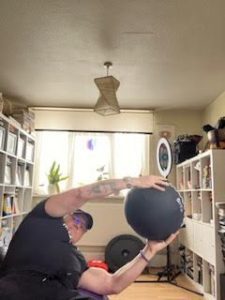
Can you get strong with functional training?
Yes, 100%. Of course you can. But it’s about the program design the coach how many times you’re working out what exercises are you doing and do you understand the exercises needed for functional training like the squat the cable pull the lunge the dead lift Upright, Row unless you understand that me and physiology really ineptly you need to see a good coach look at design you a functional fitness strength program.
Why Wall Balls work so well for fitness
Is functional training, the same as strength training:
Yes, functional training will increase your strength for every day movement and life. Where is if you’re doing power training, it may not cross over into opening the door or carrying the box around the home, but this could be argued saying that strong men are super strong, but if they’re not got a corrective stretching program, they may not be able to scratch their own back, because of muscles are too tight, but with a functional strength training program, this should be a functional stretching program to keep the bodies kinesiology in balance.

theengineroomlondon.
CrossFit and functional training:
In my opinion, CrossFit should be banned many people get injured from CrossFit. Many peoples bodies can’t handle their high-powered exercises when 72% of people have a disc herniation in their spine that they don’t know about with CrossFit. There’s no real assessment to see whether your body is ready for that type of exercise. functional fitness strength training is assessed to make sure that your body can handle different functional movement patterns. If you’re weak in one of them movement patterns, you concentrate on the moving pattern, strengthening it as you get stronger then this is incorporated into your functional stretch training program.
How long does it take to see results from functional staff training?
8 to 12 weeks, depending on the program design, the coach, how much you push yourself how regular you are in the gym and who’s done your program design
is a squat of functional exercise:
The squat is probably the most functional exercise, you could ever do for Building strength and slowing down the aging process. Many people avoid squats in the gym because they’re very hard to do. but if you combine squatting with lunging always lunging first because it’s the more demanding exercise, you can build, stronger, legs, stronger, knees, stronger, glutes, and slow down the aging process. Probably my favourite functional exercise is squat, but remember it’s hard work because the quad muscle and hamstrings are one of the biggest muscles in the body.
When starting any functional strength training program,
you can start with bodyweight and resistance bands or TRX
But then you must include Olympic bars, dumbbells, cable, machines kettle, bells, Swiss balls, which to have a good foundation of functional training.
Here some more of Scott blogs on fitness training diet lifestyle.
- 9 Health Fitness Tips For Sleep Diet And Lifestyle London
- Core Strengthening Exercises for Beginners Core Exercise
- 10 Kettlebell Fat Loss Exercise:For Home Program Battersea in London
- Squats One Of The Most Best Longevity Exercise Must Do
- Walking Your Way To Peak Health And Fitness London

Best online Personal Trainer Scott Bryant
I hope you enjoyed my blog if you’re looking for functional fitness strength, training or program design and get in touch with Scott today you can Live chat on website or send Scott an email or call Scott on (07841) 144878. Scott would be happy to chat with you for 15 minutes to get you booked infor your functional fitness consultation

by Scott Bryant | Mar 15, 2024 | personal trainer
The Gut Microbiome:
Unlocking the
Secrets to Your Health
Gut microbiome refers to the vast community of microorganisms, including bacteria, fungi, viruses, and other microbes, that inhabit the digestive tract, primarily the large intestine. This complex ecosystem plays a crucial role in various aspects of human health.
Importance for Health:
- Digestion and Nutrient Absorption: Gut bacteria aid in the breakdown of certain carbohydrates, fibers, and other components of food that our bodies cannot digest on their own. They also produce essential vitamins such as vitamin K and certain B vitamins.
- Immune Function: The gut microbiome interacts closely with the immune system, influencing its development and function. A healthy gut microbiome helps regulate immune responses and defends against harmful pathogens.
- Metabolism and Weight Regulation: Some studies suggest that the composition of the gut microbiome may influence metabolism and weight regulation. Certain bacteria may affect how energy is extracted from food and stored in the body.
- Mental Health: Emerging research indicates a strong connection between the gut microbiome and mental health. The gut-brain axis is the communication network between the gut and the brain, and it appears that the gut microbiome plays a role in regulating mood, stress response, and cognitive function.
- Disease Prevention: An imbalance in the gut microbiome, known as dysbiosis, has been linked to various health conditions, including inflammatory bowel diseases (IBD), irritable bowel syndrome (IBS), obesity, diabetes, and even certain neurological disorders.
The gut microbiome has been linked to many illnesses due to its intricate involvement in various physiological processes and its interactions with the immune system. Here are some ways in which disruptions in the gut microbiome can contribute to the development or exacerbation of illnesses:
-
Inflammatory Bowel Diseases (IBD):
Conditions like Crohn’s disease and ulcerative colitis involve chronic inflammation of the digestive tract. Dysbiosis, or an imbalance in the gut microbiome, is often observed in individuals with IBD. Certain bacterial species may contribute to inflammation, while others may have protective effects. Imbalances in the gut microbiome can exacerbate inflammation and contribute to the progression of these diseases.

- Irritable Bowel Syndrome (IBS): IBS is a functional gastrointestinal disorder characterized by symptoms such as abdominal pain, bloating, and altered bowel habits. Changes in the gut microbiome composition and function have been observed in individuals with IBS. While the exact role of the gut microbiome in IBS is not fully understood, dysbiosis is thought to contribute to symptoms and disease pathogenesis.
- Obesity and Metabolic Syndrome: The gut microbiome plays a role in energy extraction from food, metabolism, and fat storage. Imbalances in the gut microbiome have been associated with obesity and metabolic syndrome. Certain bacterial species may promote weight gain and metabolic dysfunction, while others may have protective effects against obesity.
- Type 2 Diabetes: Dysbiosis in the gut microbiome has been linked to insulin resistance and impaired glucose metabolism, both of which are key factors in the development of type 2 diabetes. Alterations in the gut microbiome composition may influence inflammation, gut barrier function, and metabolic processes involved in glucose homeostasis.
- Autoimmune Diseases: Some autoimmune diseases, such as rheumatoid arthritis, multiple sclerosis, and lupus, have been associated with dysbiosis in the gut microbiome. Changes in the gut microbiome composition may influence immune system function and contribute to the development or progression of autoimmune diseases by altering immune responses and inflammation.
- Mental Health Disorders: Emerging research suggests a bidirectional relationship between the gut microbiome and mental health disorders such as depression, anxiety, and autism spectrum disorders. The gut-brain axis, a communication pathway between the gut and the brain, plays a crucial role in regulating mood, stress response, and cognitive function. Dysbiosis in the gut microbiome may disrupt this axis and contribute to the development or exacerbation of mental health disorders.
Overall, disruptions in the gut microbiome can have far-reaching effects on health, contributing to the development or progression of various illnesses. Understanding the complex interactions between the gut microbiome, host physiology, and disease pathogenesis is essential for developing strategies to promote gut health and prevent or manage associated illnesses.
The gut-brain axis is a bidirectional communication
system between the gut and the brain, and the gut microbiome plays a crucial role in modulating this axis. Here’s how the gut microbiome can affect the mind:
- Neurotransmitter Production: Gut bacteria can produce neurotransmitters such as serotonin, dopamine, and gamma-aminobutyric acid (GABA), which are chemicals that regulate mood, behavior, and cognitive function. These neurotransmitters produced in the gut can influence brain function and contribute to emotional well-being.
- Immune System Modulation: The gut microbiome interacts closely with the immune system, and dysbiosis in the gut microbiome can lead to chronic inflammation. Inflammatory cytokines produced in response to dysbiosis can cross the blood-brain barrier and affect brain function, leading to symptoms of depression, anxiety, and other mental health disorders.
- Vagus Nerve Communication: The vagus nerve serves as a major communication pathway between the gut and the brain. Signals from the gut microbiome, such as microbial metabolites and inflammatory molecules, can travel along the vagus nerve to the brainstem and influence brain function, including mood and behavior.
- Gut Hormone Regulation: The gut microbiome can influence the production and release of gut hormones such as ghrelin, leptin, and peptide YY, which regulate appetite, food intake, and energy balance. Dysregulation of these hormones due to gut dysbiosis may contribute to mood disturbances and eating behaviors associated with mental health disorders.
- Stress Response: The gut microbiome can modulate the body’s stress response through the production of stress hormones such as cortisol and the activation of the hypothalamic-pituitary-adrenal (HPA) axis. Dysbiosis in the gut microbiome may lead to abnormal stress responses, increasing susceptibility to stress-related mental health disorders such as anxiety and depression.
- Neuroinflammation: Dysbiosis in the gut microbiome can trigger systemic inflammation, including neuroinflammation in the brain. Chronic neuroinflammation has been implicated in the pathogenesis of various neurodegenerative diseases and mental health disorders.
- Microbial Metabolites: Gut bacteria produce various metabolites, such as short-chain fatty acids (SCFAs), neurotransmitter precursors, and microbial toxins, that can influence brain function and behavior. These microbial metabolites can have neuroprotective or neurotoxic effects, depending on the composition of the gut microbiome and the balance of metabolite production.
Overall, the gut microbiome exerts significant influence over brain function and mental health through multiple pathways, including neurotransmitter production, immune modulation, vagus nerve communication, hormone regulation, stress response, neuroinflammation, and production of microbial metabolites. Maintaining a healthy gut microbiome through diet, lifestyle interventions, and probiotic supplementation may help support mental well-being and reduce the risk of mental health disorders.
Exercise has been shown:
to have a significant impact on the composition and diversity of the gut microbiome, leading to various beneficial effects on gut health and overall well-being. Here’s how exercise influences the gut microbiome:
- Increased Microbial Diversity: Regular exercise has been associated with greater microbial diversity in the gut, meaning a wider variety of beneficial bacteria are present. Higher microbial diversity is generally considered a marker of gut health and is associated with reduced risk of various diseases.
- Changes in Microbial Composition: Exercise can lead to shifts in the relative abundance of specific bacterial taxa in the gut. Some studies have found that exercise is associated with an increase in beneficial bacteria such as Bifidobacteria and Akkermansia muciniphila, which are known to promote gut health and metabolic function.
- Reduced Inflammation: Exercise has anti-inflammatory effects throughout the body, including in the gut. Regular physical activity has been shown to decrease markers of inflammation in the gut mucosa and reduce the risk of inflammatory bowel diseases (IBD) such as Crohn’s disease and ulcerative colitis.
- Improved Gut Barrier Function: Exercise may help strengthen the integrity of the gut barrier, which is essential for preventing the leakage of harmful substances from the gut into the bloodstream (leaky gut). By maintaining gut barrier function, exercise can reduce the risk of systemic inflammation and metabolic disorders.
- Enhanced Gut Motility: Physical activity stimulates gut motility, promoting more regular bowel movements and helping to prevent constipation. Improved gut motility can contribute to better digestion and absorption of nutrients, as well as the elimination of waste products and toxins from the body.
- Modulation of Gut Hormones: Exercise influences the production and release of gut hormones such as ghrelin and peptide YY, which regulate appetite, satiety, and energy balance. These hormonal changes may indirectly affect the composition and function of the gut microbiome.
- Impact on Metabolic Health: Regular exercise is associated with improved metabolic health, including better insulin sensitivity, glucose regulation, and lipid metabolism. These metabolic benefits may, in turn, influence the gut microbiome composition and function.
Overall, exercise plays a crucial role in promoting a healthy gut microbiome and gut function. Incorporating regular physical activity into your routine can have numerous benefits for gut health, including increased microbial diversity, reduced inflammation, improved gut barrier function, enhanced gut motility, and better metabolic health. Combining exercise with a balanced diet rich in fiber and whole foods can further support optimal gut microbiome health and overall well-being.

Healing the Gut Microbiome:
There are several strategies to support and heal the gut microbiome:
- Diet: Consuming a diverse range of fiber-rich fruits, vegetables, whole grains, and legumes can promote a healthy gut microbiome. Fermented foods like yogurt, kefir, sauerkraut, kimchi, and kombucha are also beneficial as they contain probiotics, live bacteria that confer health benefits when consumed.
- Probiotics and Prebiotics: Probiotics are live bacteria or yeasts that can be taken as supplements to restore and maintain a healthy balance of gut microbes. Prebiotics are dietary fibers that serve as food for beneficial gut bacteria, helping them thrive.
- Avoiding Certain Foods: Processed foods high in sugar, refined carbohydrates, and artificial additives can disrupt the gut microbiome. Limiting intake of these foods can support gut health.
- Managing Stress: Chronic stress can negatively impact the gut microbiome. Practicing stress-reduction techniques such as mindfulness, meditation, yoga, and regular exercise may help promote a healthy gut.
- Avoiding Antibiotics Unless Necessary: Antibiotics can disrupt the balance of gut bacteria, so they should only be used when medically necessary. If antibiotics are prescribed, it’s essential to follow up with probiotic supplementation and dietary measures to restore gut health.
In conclusion, maintaining a healthy gut microbiome is essential for overall health and well-being. By supporting and healing the gut microbiome through dietary and lifestyle interventions, individuals can potentially improve digestion, strengthen immunity, regulate metabolism, support mental health, and reduce the risk of various diseases
I hope you enjoyed my gut biome Blog, here’s some other, you might like to read
- Core Strengthening Exercises for Beginners Core Exercise
- 9 Health Fitness Tips For Sleep Diet And Lifestyle London
- Walking Your Way To Peak Health And Fitness London
- Home Gym Design with Personal Fitness Trainer in London, UK
- Press Up Push Pattern And Chest Development Big Chest
Best online Personal Trainer Scott Bryant
Big thank you for reading my blog post. If you’re looking for help with your gut biome, exercise, hormones or diet and style. Don’t hesitate to get in touch with Scott and book. Your free consultation for 15 minutes. Scott is happy to talk to you online or over the phoneor just live chat on the homepage. Speak to you soon thank you

by Scott Bryant | Mar 14, 2024 | personal trainer
Transform Your Body and mind Weight loss
“Find a body transformation coach near you. Get tailored fitness, nutrition & lifestyle coaching to achieve lasting results & a stronger, leaner body.”
Best body transformation coach near Battersea, London
Weight loss training program transform your body today
Weight loss Creating a weight loss training program that focuses on transforming the body can indeed help alleviate back pain, especially if it incorporates elements such as corrective exercises, massage, and detoxification. Here’s how each component can contribute to relieving back pain and enhancing overall wellness:

Find a Personal Trainer London
-
- Incorporating a well-rounded exercise routine that includes cardiovascular exercises, strength training, and flexibility exercises can help in weight loss and muscle strengthening. Excess weight can put strain on the back muscles and spine, leading to back pain. Losing weight can alleviate this strain and reduce pain.
-
- Corrective exercises target muscle imbalances, postural issues, and movement dysfunctions that may contribute to back pain. Strengthening weak muscles and improving flexibility can help alleviate stress on the back and improve overall function.

Weight loss training program transform your body today
-
- Massage therapy can help reduce muscle tension, improve circulation, and promote relaxation. It can also aid in releasing trigger points and knots in the muscles that may contribute to back pain. Regular massages can help loosen tight muscles and provide relief from chronic back pain.

Detox your body and mind
-
- Detoxification methods such as dietary changes, hydration, and sweating through exercise or sauna sessions can help eliminate toxins from the body. Toxins and inflammation in the body can contribute to pain, including back pain. By reducing toxin buildup, detoxification can support overall health and potentially alleviate back pain.

C.H.E.K Practitioner
-
Pain-Free Movement:
- Corrective exercises and proper form during workouts are crucial for ensuring pain-free movement. Exercises should be modified as needed to accommodate any existing pain or discomfort. Gradually increasing intensity and incorporating proper rest and recovery can also help prevent exacerbating back pain.

the most advanced workout Program
-
- A great program should be designed holistically, considering individual needs, goals, and limitations. It should include a combination of exercises, rest, recovery techniques, and lifestyle modifications tailored to the individual’s specific situation. Working with a qualified fitness professional or physical therapist can help ensure the program is safe, effective, and sustainable.
By integrating these components into a comprehensive weight loss training program, individuals can not only achieve their fitness goals but also experience relief from back pain and improve overall quality of life. It’s important to consult with a healthcare provider before starting any new exercise or wellness program, especially if dealing with chronic back pain or underlying medical conditions.
Transforming your body for weight loss Here’s some other blogs you may enjoy
- Transform Your Body with Our Weight Loss Training Program
- 9 Health Fitness Tips For Sleep Diet And Lifestyle London
- Squats One Of The Most Best Longevity Exercise Must Do
- Mind Body Fitness Personal Fitness Trainer In London
- Working With A Personal Trainer Manage Stress And Anxiety London
Best online Personal Trainer Scott Bryant
Thank you for reading my transformation blog post if you’d like to transform your body, mind and health please get in touch today either by email live chat or phone call book your free 15 minute consultation with Scott today
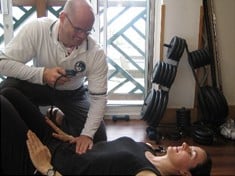
by Scott Bryant | Mar 2, 2024 | personal trainer

balance on top of Swiss ball.
Build a Stronger Core: Beginner-Friendly Core Strengthening Exercises
Core exercise training Is an absolute must your workout program if you’re not training your core or abdominals bank. This could cause Lower Back Pain if one is weaker than the other What is the best exercise to do? Depends on which muscles you want to work is it the internal or external oblique or lower abdominals or upper abdominal just doing abdominal crunches on the floor does not work internal externally oblique or lower abdominal And lower back really to strengthen the core. You really need to do exercises for a core workout just doing abdominal crunches on the floor will make rectus abdominals for the abdominal wall become super tight will end your Posture and forehead and Lower Back Pain Scott has been in the fitness industry for over 25 years. It’s been Personal Trainer for 25 and poor Chek Practitioner level five for over. 11 years started studying the system back 2003.

one arm chest press
The best exercise for the core:
you need to do multiple exercises But one of the best ways to train core or abdominals using a Swiss laying over the Swiss ball to your head touch the ball then slowly come up but unfortunately in many gyms Scott has found in Fitness first pure gym third space that the Swiss balls are substandard never pumped up fully pour plastic not anti-burst and not the right sizes for individuals height Paul Chek was the man who was responsible for making this Swiss ball to become the norm in gym but unfortunately over 25 years on managers and gym owners do not care about the standard of Swiss balls they have for their members This is through Scott’s own experience. And some jeans do not even have them. so in Scotts opinion, you can’t really train the call properly without a Swiss ball pumped up anti-burst and not used as a footballSo the best most effective exercise for Training, the abdominal wall, the core is an abdominal crunch over a Swiss ball it works the muscle in full range of movement and will strengthen it fully but if you go dizzy lying over Swiss ball your must seek professional advice.
Strengthening your core all about repetitions program, design:
and exercise choice abdominal crunches are an excellent way to strengthen the over Swiss ball the way you can strengthen your car by doing cable crunches with a cable machine You can strengthen your core prone jackknife many other core exercises you can do when it’s really important to get the reps and sets correct if you’re going for pure strength, keep the reps low 6-8 repetitions for 4 to 5 sets if you want more endurance in your abdominal wall core you can do 15 to 20 reps for 3 sets Remembering that the abdominal wall is a fast twitch fibre, which helps with explosive speed and power in punching sprinting and other Power’sports, so should not really be trained for high repetitions this will make the abdominal wall much slower and my abdominal dysfunction.
What sequence can I train my core upper, abdominal one day lower abdominal second day, obliques the next day and the following day lower back You never ever want to do your abdominal training at the beginning of your workout this will damage and cause weakness in other parts of the body. Remember your car keeps you standing and keeps the body structurally strong, so if you weaken it at the beginning of your workout, the chances of you getting an injury is massive trying smart and always train abs all round good core strength.
Is the plank really beneficial core exercise?:
Yes, or no to this question because when somebody is holding the plank hands and knees on the floor in a press up position this extreme stress on the lumbar spine or lower parts of the spine with 72% of people in the country having having a herniation, they don’t know about it’s not advisable to do the plank in a press up position b but if you do the side plank it is much more beneficial and put no load through the spine and is a much safer exercise unfortunately many Personal trainers don’t fully understand the anatomy of the core so they will recommend the plank to anyone as an exercise for strengthening the core this is my opinion is completely wrong specially when no one is Testing on the Clients for Diss herniations when 72% gym go have one that is waiting or has already happened ?
Core exercises for women:
Needs to be specialised specially after pregnancy and if they have a Core Strengthening Exercises for Beginners Core Scott gives his female Clients scientific core conditioning.
To strengthen the lower back and to switch on the pelvic floor.

Do exercises, core reduce belly fat:
no, most people have high amounts of belly, fat, cortisol, hormone issues as well as obesity or body, fat levels are too high if somebody has body fat of 15% or less, you will always see the abdominal wall but many people have food intolerances that inflame the abdominal wall core Training does not burn fat in the abs area this is a complete lie put out by the fitness industry the only way to have a good core or to see your abdominal muscles is to lower body fat levels. Everybody has a six pack, but not everybody can see it because of high body, fat levels or swelling and in the stomach.
Core exercises, for men:
1. Slam ball.
2. Crunch on Swiss ball.
3. Side plank.
4. Floor crunch.
5. Hanging leg up.
7. Lower abdominal leg up.
8. Russian twist on Swiss ball.
8. Prone jackknife Swiss ball.
If you like this blog post on the core and he is some others you can read below just click on the links:
- 10 Kettlebell Fat Loss Exercise:For Home Program Battersea in London
- Swiss Ball Exercise Beginners Battersea In London
- TRX Suspension Fitness Training Battersea in London
- How To Design The Perfect Workout Program London
- How to Achieve the Best Home Workouts in London
- Press Up Push Pattern And Chest Development Big Chest
- Squats One Of The Most Best Longevity Exercise Must Do
- Core Personal Fitness Trainer Battersea In London
Beginner exercises for core strengthening in Scott’s:
Best online Personal Trainer Scott Bryant
Opinion is anything or using a Swiss ball you have to learn how to stabilise your body as well as work for stability when using a Swiss ball, you can learn how to stretch the whole of your body using the Swiss ball when you can balance on top of the Swiss ball on your knees, then you know great strength but this may take in which to achieve and a good strength and conditioning coach to help you to achieve it Scott is a master Personal Trainer in London Paul Chek, master Chek Practitioner five in London Scott is a master of the Swiss ball using this exercise tool in which to get his client out of pain and to get them to increase their golf drive lower handicap as well as working with tennis players making them more functional much faster more powerful so if you’d like to work with the best of the best then please get in touch with Scott today to book a consultation via live chat email or call.

by Scott Bryant | Feb 29, 2024 | personal trainer
Press Up Push Pattern and Chest Development: Achieve a Big Chest
Press-Up Push Pattern & Chest Development – Build a Bigger, Stronger Chest with Scott Bryant in London
Want a bigger, more powerful chest? Master the push pattern with Scott Bryant, expert personal trainer in London. Through advanced press-up variations and smart technique, Scott helps you sculpt serious pecs, boost upper body strength, and improve posture. It’s not just about size—it’s about function, form, and results you can feel (and see) every day.
No one cares about big Chet or do they.
Press ups, anybody can do them, men and women but women struggle more than men simply because men are with more upper bodies strength than lower body strength testosterone is a press up a really great exercise 26 years of experience as a personal trainer and master Paul Chek Practitioner Scott will go over the press up in deathly in this blog what is the present good for? You may need to avoid press up And the press up can be a great exercise to be done at home in the park or even in the office.
So what is press up?:
I
t is an exercise that builds upper body strength or tone, the shoulders and the pictorial muscle can be against the wall, putting your hands on the wall pushing away can be done on the floor hands and feet on the floor and pushing yourself away this is a press up. The benefits of a press up:
Are help with push pattern movements pushing yourself away from the floor, pushing doors open, putting things away in the cupboard Pushing people away from you, the push pattern is a fundamental movement pattern that everybody needs to be strong in, but if you don’t if you don’t use it, you lose it
The reason why you would not do a press up if you have shoulder pain if you have elbow pain if you have bad posture if you have Lower Back Pain, if you have weak serratus anterior if you have a shoulder or pectoral injury

come on one more on you chest.
Most women find it very hard do press up:
t
o do a press up this is because of winging scapulars weak, and generally weak upper buddies and low testosterone exercise can be adapted from doing on the wall then Swiss press up then knees press then press up.

Weak man and strong man.
Press ups for chest growth:
Is very limited. Yes you can train the chest every other day but your body will soon adjust to your bodyweight an and you would need to add extra weight in which to get chest development so so you’d have to start doing benchpress cable, fly flies and other chest exercises to get growth and develop.
How to build strength in the chest:
i
s not just about press ups and variation of press up. This can be a starting point. But to build real strength in the chest takes heavy bench pressing on a regular basis, at least twice a week you should start out by testing your your one maximum for your bench press once you know this, then you should do strength training 75% which would be repetitions from 1 to 6 for 4 to 5 sets then slowly overtime. You will see your strength in your chest go up and size to most guys that had big chest development either have good genetics or have a very good benchpress more than their bodyweight you can include the chest for flies, cable crossovers pressing from the floor to increase your size in your chest and pectoral area.
Here are 8 different ways you can do the press up:
1. On the wall.
2. Press on top Swiss ball.
3. Press on Top of kettlebell.
4. Press up On top of medicine ball.
5. One arm press up.
6. Press up off the sofa.
7. Clap press ups.
8 Trx press ups.
Why Scott doesn’t recommend 100 press ups challenge:
Press up, challenge will only build endurance, but will not build strength This may cause Lower Back Pain. And for the pictorial muscle to get smaller press up programmed design is essential if you have bad posture, weak shoulders and and cannot do the press up properly this takes coaching to get this right Scott has seen in Clients the more press ups somebody can do the worse, their posture can be so if you would like to challenge yourself with press ups 5 sets of 20 reps on speed of movement of a 444 tempo go down slowly for four for four, come up for four count we will probably only do 20 repetitions first time put the stick across your back, keeping your head pressed against the stick when you’re in the press up position to keep perfect alignment to prevent neck, injuries spinal alignment.
Aging Well Keep Strong
Women to conquer the press up:
they start on the wall standing in front of the wall, putting hands on the wall feet away from the wall, push away Then progress to using Swiss ball at hips and do a press up then go to knees press ups in front on the floor kneeling on the floor as you get stronger over six weeks then start or try full press up any woman can do a press up with the right coach helping you.
The reason why so many men love the press up:
Is because they have issues with Dad and they are imagining subconsciously that they’re pushing their dad away aggressively push-up, will build some muscle which gives a man a better aesthetic look like he’s in control he’s the boss he has the power so press up can improve a man’s self-esteem especially looking weak and skinny.
So the press up can be beneficial to a beginner exercises:
for increasing upper body strength with no assistance as the body gets stronger it is a must that you progress to using weights you’re looking for enhance strength and bigger pectoral muscle remembering that the body gets used to what you’re very fast so if you’re looking for hypertrophy and strength in the upper body, you must progress to lifting weights a cable push dumbbell or barbell bench press.
I hope you’ve enjoyed my blog about the press up here’s some more blogs you may enjoy:
- 10 Kettlebell Fat Loss Exercise:For Home Program Battersea in London
- Here Are 20 Easy Ways To Gain Muscle At Home
- Why Workout With the Paul CHEK: Program Stronger Fitter
- Squirting One Of The Most Best Longevity Exercise Must Do
- Lower Back Pain Rehabilitation Corrective Exercise London

Best online Personal Trainer Scott Bryant
Scott has been a Personal Trainer for over 26 years in London Scott is a master Chek Practitioner and has studied over 40 courses and is a book author so if you’re looking to improve your benchpress or posture or sports performance please get in touch with Scott today via live chat