Personal Training Services Near Me in London, UK: Achieve Your Fitness Goals
Is hiring a personal trainer in London worth it?
Yes, hiring a personal trainer in London is worth it if you want faster results, personalized workouts, expert guidance, and accountability—especially with a busy lifestyle or specific health goals
Posted on
Bada Oluwaseyi Micheal
Trustindex verifies that the original source of the review is Google.
I’ve been training with Scott Bryant for a few months, and the results have been amazing! He’s incredibly knowledgeable, tailors workouts to my goals, and keeps every session challenging but fun. His guidance on nutrition and strength training is top-notch. If you’re looking for a professional personal trainer in London who actually gets results, I highly recommend Scott!
Posted on
Roberto Viel
Trustindex verifies that the original source of the review is Google.
I have know Scott for many years and he has been my personal fitness trainer. I admire his dedication, knowledge and commitment. With his guidance and teaching I have improved my posture, my fitness and gained better muscles definition, without any injuries.
I like his holistic approach to fitness.
I highly recommend Scott
Posted on
Francis Yemoh
Trustindex verifies that the original source of the review is Google.
Highly recommended – professional, holistic and deeply insightful
Scott is a rare kind of practitioner, combining deep expertise in posture correction and movement with a genuinely holistic approach that considers physical, emotional, and energetic wellbeing.
I came to him for support with chronic postural imbalances and muscular tension, and left with a much clearer understanding of the root causes, plus a practical path forward. His insights into diet, stress, and lifestyle were equally valuable.
Scott is generous with his knowledge, honest in his guidance, and clearly committed to long-term results. I’m looking forward to working with him again in the future as my circumstances and journey evolve.
If you’re ready to take ownership of your health and want someone who can support the process from multiple angles, Scott is a powerful ally.
Posted on
Asmeninis Treneris Karolis
Trustindex verifies that the original source of the review is Google.
This is a true holistic coach and most importantly a true person, who is more than just a trainer, but a compassionate friend.
Posted on
Jonne Tanskanen
Trustindex verifies that the original source of the review is Google.
Superbly insightful and inspiring personality, very grateful for Scott’s openness in sharing his vast knowledge and expertise. Would highly recommend Scott’s services for anybody who is serious about improving their health and vitality.
Posted on
Nisha Srivastava
Trustindex verifies that the original source of the review is Google.
"My partner bought Scotts book for me. A little gem of a treasure that can fit in any woman's handbag. Some key information especially for women, menopause and training. Scott is truly passionate about what he does and I can see form his clients testimonials that his training and coaching definitely works. "
Posted on
Yalçın Aksu
Trustindex verifies that the original source of the review is Google.
I have experienced a real transformation with Scott. His technical approaches, combined with great performance training and targeted posture correction, have relieved my chronic back pain. Personalized sessions and expert guidance provide guaranteed solutions. Highly recommended to anyone looking to improve their fitness in a great environment!
Posted on
P L
Trustindex verifies that the original source of the review is Google.
River of knowledge this guy has, within the first 15 mins of talking to Scott he was able to ascertain my back pain along with liftsyle challenges. Having spent thousands of pounds for the last 27 years he was already treating me and advising. A Genuine practitioner who purely wants people to get back to better health. Got my back to peak health.
Posted on
Samuel Cricelli
Trustindex verifies that the original source of the review is Google.
Scott has been very kind enough to take time out of his busy schedule to chat with me about the CHEK system and ways to improve my business. I’m very thankful for his advice.
Finding the time and motivation to stay fit in London can be challenging. That’s where personal training services in London, UK make a real difference. A professional personal trainer in London provides tailored workouts, expert guidance, and the accountability you need to succeed.
Why Choose Personal Training in London?
With so many gyms and fitness classes in London, you might wonder why personal training is worth it. The benefits include:
Customized Fitness Plans: Trainers assess your current fitness, lifestyle, and goals to create a program that works specifically for you.
Motivation and Accountability: Avoid missed workouts—your trainer ensures you stay consistent and progress safely.
Expert Knowledge: From weight loss and strength training to injury prevention and posture improvement, a personal trainer provides the guidance to achieve results efficiently.
Benefits of Working with a Personal Trainer
Investing in personal training services in London offers a wide range of benefits:
Effective Weight Loss: Tailored exercise routines and nutrition advice to shed pounds safely.
Increased Strength and Mobility: Build muscle, improve flexibility, and enhance functional movement.
Pain Management and Better Posture: Target key areas like the lower back, shoulders, and hips to reduce discomfort.
Boosted Energy and Confidence: Regular training improves sleep, energy, and overall wellbeing.
How to Find the Right Personal Trainer in London, UK
When choosing a personal trainer in London, consider:
Certifications and Experience: Look for qualified trainers with proven expertise.
Personalized Approach: Avoid generic programs; your sessions should match your unique goals.
Client Success Stories: Testimonials show a trainer’s ability to deliver results.
Flexible Training Options: In-person, online, or hybrid sessions to suit your lifestyle.
Personal Training in Battersea and Central London
From Battersea to central London, personal trainers understand the unique demands of busy professionals, parents, and fitness enthusiasts. They help clients seamlessly integrate fitness into their daily routines, making lasting health improvements achievable.
Whether your focus is weight management, strength training, or overall wellness, personal training services in London provide the expertise and support you need to transform your life.
Take the First Step Toward Your Fitness Goals
Working with a personal trainer in London, UK gives you the roadmap, motivation, and support to succeed. With personalized workouts, nutrition guidance, and expert accountability, reaching your health and fitness goals has never been easier.
Introduction: Take Control of Your Pain Overcome Pain & Reclaim a Life
Introduction: Take Control of Your Pain Pain doesn’t have to control your life. Shoulder, back, and joint pain often stem from poor movement, muscle imbalances, and lifestyle habits—not age. With targeted exercise, mobility training, and expert guidance, you can overcome pain and reclaim a life without limits.
Posted on
Bada Oluwaseyi Micheal
Trustindex verifies that the original source of the review is Google.
I’ve been training with Scott Bryant for a few months, and the results have been amazing! He’s incredibly knowledgeable, tailors workouts to my goals, and keeps every session challenging but fun. His guidance on nutrition and strength training is top-notch. If you’re looking for a professional personal trainer in London who actually gets results, I highly recommend Scott!
Posted on
Roberto Viel
Trustindex verifies that the original source of the review is Google.
I have know Scott for many years and he has been my personal fitness trainer. I admire his dedication, knowledge and commitment. With his guidance and teaching I have improved my posture, my fitness and gained better muscles definition, without any injuries.
I like his holistic approach to fitness.
I highly recommend Scott
Posted on
Francis Yemoh
Trustindex verifies that the original source of the review is Google.
Highly recommended – professional, holistic and deeply insightful
Scott is a rare kind of practitioner, combining deep expertise in posture correction and movement with a genuinely holistic approach that considers physical, emotional, and energetic wellbeing.
I came to him for support with chronic postural imbalances and muscular tension, and left with a much clearer understanding of the root causes, plus a practical path forward. His insights into diet, stress, and lifestyle were equally valuable.
Scott is generous with his knowledge, honest in his guidance, and clearly committed to long-term results. I’m looking forward to working with him again in the future as my circumstances and journey evolve.
If you’re ready to take ownership of your health and want someone who can support the process from multiple angles, Scott is a powerful ally.
Posted on
Asmeninis Treneris Karolis
Trustindex verifies that the original source of the review is Google.
This is a true holistic coach and most importantly a true person, who is more than just a trainer, but a compassionate friend.
Posted on
Jonne Tanskanen
Trustindex verifies that the original source of the review is Google.
Superbly insightful and inspiring personality, very grateful for Scott’s openness in sharing his vast knowledge and expertise. Would highly recommend Scott’s services for anybody who is serious about improving their health and vitality.
Posted on
Nisha Srivastava
Trustindex verifies that the original source of the review is Google.
"My partner bought Scotts book for me. A little gem of a treasure that can fit in any woman's handbag. Some key information especially for women, menopause and training. Scott is truly passionate about what he does and I can see form his clients testimonials that his training and coaching definitely works. "
Posted on
Yalçın Aksu
Trustindex verifies that the original source of the review is Google.
I have experienced a real transformation with Scott. His technical approaches, combined with great performance training and targeted posture correction, have relieved my chronic back pain. Personalized sessions and expert guidance provide guaranteed solutions. Highly recommended to anyone looking to improve their fitness in a great environment!
Posted on
P L
Trustindex verifies that the original source of the review is Google.
River of knowledge this guy has, within the first 15 mins of talking to Scott he was able to ascertain my back pain along with liftsyle challenges. Having spent thousands of pounds for the last 27 years he was already treating me and advising. A Genuine practitioner who purely wants people to get back to better health. Got my back to peak health.
Posted on
Samuel Cricelli
Trustindex verifies that the original source of the review is Google.
Scott has been very kind enough to take time out of his busy schedule to chat with me about the CHEK system and ways to improve my business. I’m very thankful for his advice.
Chronic pain can silently take over your life. Shoulder discomfort, lower back tension, and stiffness can reduce mobility, drain energy, and impact your mood. But here’s the truth: pain doesn’t have to define your life. With the right approach, you can restore mobility, strengthen your body, and live without limits.
Understanding the Root Causes of Pain
Pain often isn’t just about injury—it’s about how your body moves daily. Common causes include:
Muscle imbalances: Weak or tight muscles pulling your posture out of alignment.
Sedentary lifestyle: Sitting or poor posture over time increases strain.
Improper movement patterns: Everyday actions done incorrectly can lead to chronic discomfort.
Targeting these root causes is crucial to achieving long-term pain relief.
SEO keyword focus: chronic pain relief, muscle imbalance, posture correction
The Power of Targeted Exercise for Pain Relief
Exercise isn’t just for fitness—it’s a proven strategy for managing pain. The right movements can:
Exercise alone isn’t enough. Supporting your body with daily habits accelerates recovery:
Nutrition: Anti-inflammatory foods like leafy greens, omega-3s, and lean protein support healing.
Sleep: Deep, restorative sleep allows muscles and joints to repair.
Stress management: Tension can worsen pain—breathing exercises, meditation, and gentle stretching help.
SEO keyword focus: pain relief lifestyle tips, anti-inflammatory nutrition, stress management for pain
Why Working With a Personal Trainer Can Change Everything
A personal trainer who specializes in pain management and mobility improvement can:
Create tailored exercise programs for your unique needs
Correct movement patterns to prevent further injury
Track progress and adapt your plan for maximum results
With expert guidance, you don’t just exercise—you take control of your health and reclaim a life without limits.
Start Your Journey to a Pain-Free Life Today
Don’t let pain dictate your life. Small, consistent changes in movement, lifestyle, and habits can transform your shoulder, back, and overall body health.
💡 Quick Tip: Start with 5–10 minutes of gentle mobility exercises daily. You’ll notice improvements in just a few weeks.
Personal Fitness Coaching in London – Tailored Training for Real Results
Personal fitness training in London is a one-to-one coaching service where workouts, nutrition guidance, and lifestyle support are tailored specifically to your body, goals, and schedule. Unlike generic gym programmes, personal training focuses on proper technique, sustainable progress, and long-term health.
Luxury, results-driven coaching with Active Bryant SystemsTake Control of Your Pain Overcome Pain & Reclaim a Life
Personal Fitness Training in London — Designed Around You
London moves fast. Your training shouldn’t feel rushed, random, or painful.
At Active Bryant Systems, personal fitness training in London is built around you — your body, your schedule, your goals, and your long-term health. No cookie-cutter plans. No screaming bootcamps. Just intelligent, structured coaching that delivers results without breaking you.
Whether your goal is fat loss, strength, better posture, pain reduction, or simply feeling confident again, personal training gives you clarity, accountability, and progress you can measure.
Posted on
Bada Oluwaseyi Micheal
Trustindex verifies that the original source of the review is Google.
I’ve been training with Scott Bryant for a few months, and the results have been amazing! He’s incredibly knowledgeable, tailors workouts to my goals, and keeps every session challenging but fun. His guidance on nutrition and strength training is top-notch. If you’re looking for a professional personal trainer in London who actually gets results, I highly recommend Scott!
Posted on
Roberto Viel
Trustindex verifies that the original source of the review is Google.
I have know Scott for many years and he has been my personal fitness trainer. I admire his dedication, knowledge and commitment. With his guidance and teaching I have improved my posture, my fitness and gained better muscles definition, without any injuries.
I like his holistic approach to fitness.
I highly recommend Scott
Posted on
Francis Yemoh
Trustindex verifies that the original source of the review is Google.
Highly recommended – professional, holistic and deeply insightful
Scott is a rare kind of practitioner, combining deep expertise in posture correction and movement with a genuinely holistic approach that considers physical, emotional, and energetic wellbeing.
I came to him for support with chronic postural imbalances and muscular tension, and left with a much clearer understanding of the root causes, plus a practical path forward. His insights into diet, stress, and lifestyle were equally valuable.
Scott is generous with his knowledge, honest in his guidance, and clearly committed to long-term results. I’m looking forward to working with him again in the future as my circumstances and journey evolve.
If you’re ready to take ownership of your health and want someone who can support the process from multiple angles, Scott is a powerful ally.
Posted on
Asmeninis Treneris Karolis
Trustindex verifies that the original source of the review is Google.
This is a true holistic coach and most importantly a true person, who is more than just a trainer, but a compassionate friend.
Posted on
Jonne Tanskanen
Trustindex verifies that the original source of the review is Google.
Superbly insightful and inspiring personality, very grateful for Scott’s openness in sharing his vast knowledge and expertise. Would highly recommend Scott’s services for anybody who is serious about improving their health and vitality.
Posted on
Nisha Srivastava
Trustindex verifies that the original source of the review is Google.
"My partner bought Scotts book for me. A little gem of a treasure that can fit in any woman's handbag. Some key information especially for women, menopause and training. Scott is truly passionate about what he does and I can see form his clients testimonials that his training and coaching definitely works. "
Posted on
Yalçın Aksu
Trustindex verifies that the original source of the review is Google.
I have experienced a real transformation with Scott. His technical approaches, combined with great performance training and targeted posture correction, have relieved my chronic back pain. Personalized sessions and expert guidance provide guaranteed solutions. Highly recommended to anyone looking to improve their fitness in a great environment!
Posted on
P L
Trustindex verifies that the original source of the review is Google.
River of knowledge this guy has, within the first 15 mins of talking to Scott he was able to ascertain my back pain along with liftsyle challenges. Having spent thousands of pounds for the last 27 years he was already treating me and advising. A Genuine practitioner who purely wants people to get back to better health. Got my back to peak health.
Posted on
Samuel Cricelli
Trustindex verifies that the original source of the review is Google.
Scott has been very kind enough to take time out of his busy schedule to chat with me about the CHEK system and ways to improve my business. I’m very thankful for his advice.
What Makes Personal Training Different?
Personal fitness training isn’t about doing more — it’s about doing better.
With 1-to-1 coaching, every session is intentional:
Exercises selected for your body, not trends
Technique coached properly (your joints will thank you)
Progressive programming that actually progresses
Adjustments based on stress, sleep, work, and recovery
You’re not guessing. You’re following a plan.
Why Choose Personal Fitness Training in London?
Londoners deal with long workdays, stress, commuting, and far too much sitting. That combination leads to:
Shoulder and lower back pain
Poor posture
Low energy
Stubborn weight gain
Inconsistent training habits
Personal training solves these problems by fitting fitness into your life — not forcing your life to revolve around the gym.
The Active Bryant Systems Approach
This isn’t generic personal training. This is high-level coaching with a luxury feel.
Strength training should make daily life easier — not leave you wrecked. Expect smart programming that improves resilience, confidence, and energy.
3. Pain-Aware Coaching
If you’ve dealt with back pain, shoulder pain, or recurring injuries, your training will be adjusted — not ignored. Intelligent training reduces pain; it doesn’t create it.
4. Sustainable Fat Loss
No extreme diets. No punishment workouts. Just structured training, nutrition guidance, and habits you can maintain.
Where Personal Training Takes Place
Active Bryant Systems offers flexible personal fitness training across London:
Private gyms
Outdoor locations (parks and open spaces)
Home-based sessions
Hybrid or remote coaching options
Your training works around your schedule — not the other way around.
Who Is This For?
Personal fitness training with Active Bryant Systems is ideal if you:
Want premium, private coaching
Are tired of inconsistent results
Have pain or movement limitations
Value expertise, professionalism, and attention to detail
Want to train smarter — not harder
If you’re done guessing and ready for structure, you’re in the right place.
What Results Can You Expect?
Clients commonly experience:
Improved posture and mobility
Reduced back and joint pain
Increased strength and confidence
Sustainable fat loss
More energy and better sleep
A calm, confident relationship with training
Progress without burnout. Results without chaos.
Personal Fitness Training in London — Elevated
London offers plenty of trainers. Very few offer coaching.
Active Bryant Systems delivers a refined, professional, results-driven approach to personal fitness training in London — designed for people who expect more from their health.
Ready to Train Smarter?
If you’re looking for expert personal fitness training in London with a luxury, pain-aware approach, now is the time.
Book your private consultation with Active Bryant Systems today and start training with clarity, confidence, and purpose.
👉 Enquire now to secure your personalised coaching plan.
If you’re looking to lose weight, get out of pain, or improve your sports performance, working with an experienced Battersea PT can change everything.
With over 27 years’ experience as a Battersea PT, Scott Bryant helps busy professionals train smarter, move better, and get real results—without wrecking their body or living in the gym.
How a Battersea PT Can Help You
Whether your goal is fat loss, pain relief, or peak performance, personal training gives you:
Structured, progressive training (no random workouts)
Pain-aware programming for backs, shoulders, knees, and hips
Sustainable weight loss without extreme diets
Improved posture, mobility, and daily energy
Accountability (because motivation has a short shelf life)
If what you’ve tried before hasn’t stuck, that’s not a willpower issue—it’s a system issue.
What Scott Specialises In
Scott’s coaching focuses on long-term results, not short-term exhaustion.
Is This the Right Personal Training Approach for You?
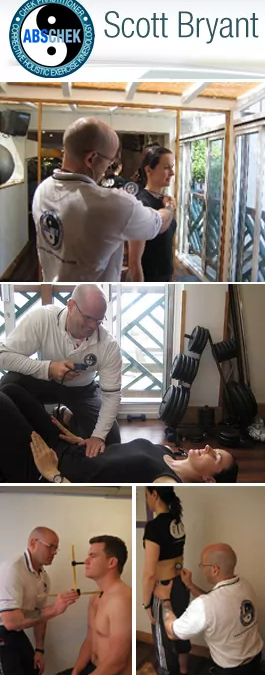
Pain, stiffness, and poor posture aren’t random — they’re patterns. As a C.H.E.K Practitioner and personal trainer, I assess how your body actually moves, identify what’s driving discomfort, and build a plan that restores balance, strength, and confidence in your body.
This isn’t guesswork. It’s structured assessment, intelligent training, and long-term results.
“Train with London’s Elite Master C.H.E.K Practitioner”
This is ideal if you are looking for:
A personal trainer in London specialising in posture and pain
A corrective exercise–based approach
Long-term improvement, not quick fixes
One-to-one private coaching
A trainer who looks beyond sets and reps
This is not a fit if you want:
Generic gym programs
High-intensity training without assessment
Group classes or budget sessions
Short-term results without lifestyle change
WHAT HAPPENS ON THE CONSULTATION
Free 15-Minute Personal Training Consultation
This short call helps determine whether working together makes sense.
During the consultation we will:
Discuss your pain history, posture, and goals
Identify likely contributors to discomfort or stalled progress
Decide whether a full posture and movement assessment in London is appropriate
A Different Standard of Personal Training in London
27+ years experience in health and performance
C.H.E.K Practitioner Level 5
Corrective exercise–led coaching
Focus on posture, pain, recovery, stress, and lifestyle
Private in-person and at-home personal training in London
This approach is designed for people who want to understand their body — not just train it.
Certifications, Experience & Authority
Scott’s depth of knowledge sets him apart from most personal trainers in London.
Master Paul C.H.E.K Practitioner Level 5 (UK)
27+ years as a professional personal trainer
35+ years of Gym training and coaching experience
Over 43 advanced qualifications in fitness, rehabilitation, nutrition, and holistic health
Master YMCA Master Personal Trainer
C.H.E.K.Golf Swing Biomechanics”s
C.H.E.K.Nutrition and lifestyle coach level 3
Sports massage Therapist
AcupressureTherapist
Metabolic Typing Diet Advance level 2 advisor
Functional Diagnostic Nutrition (FDN)
Naturopathy Diploma
Shaman Practitioner
Fully insured (£6,000,000)
Scott is recognised as a CHEK Practitioner Level 5 in London, making him one of the most qualified holistic personal trainers in the UK.
“Train with London’s Elite Master C.H.E.K Practitioner”
TESTIMONIALS
Client Success, Media & Celebrity Experience
Scott has worked internationally and has trained:
Celebrities & public figures
Professional golfers & elite athletes
Business leaders & entrepreneurs
Fashion designers, photographers & creatives
His high-profile experience includes work with Martine McCutcheon, professional athletes, Saudi royalty, and leading creatives within fashion and media.
⭐⭐⭐⭐⭐ Testimonials Dr Roberto Viel
I admire his dedication, knowledge and commitment.
Harley Street: All You Need Dr Roberto Viel
I have know Scott for many years and he has been my CHEK personal fitness trainer. I admire his dedication, knowledge and commitment. With his guidance and teaching I have improved my posture, my fitness and gained better muscles definition, without any injuries. I like his holistic approach to fitness. I highly recommend Scott Bryant
Posted on
Bada Oluwaseyi Micheal
Trustindex verifies that the original source of the review is Google.
I’ve been training with Scott Bryant for a few months, and the results have been amazing! He’s incredibly knowledgeable, tailors workouts to my goals, and keeps every session challenging but fun. His guidance on nutrition and strength training is top-notch. If you’re looking for a professional personal trainer in London who actually gets results, I highly recommend Scott!
Posted on
Roberto Viel
Trustindex verifies that the original source of the review is Google.
I have know Scott for many years and he has been my personal fitness trainer. I admire his dedication, knowledge and commitment. With his guidance and teaching I have improved my posture, my fitness and gained better muscles definition, without any injuries.
I like his holistic approach to fitness.
I highly recommend Scott
Posted on
Francis Yemoh
Trustindex verifies that the original source of the review is Google.
Highly recommended – professional, holistic and deeply insightful
Scott is a rare kind of practitioner, combining deep expertise in posture correction and movement with a genuinely holistic approach that considers physical, emotional, and energetic wellbeing.
I came to him for support with chronic postural imbalances and muscular tension, and left with a much clearer understanding of the root causes, plus a practical path forward. His insights into diet, stress, and lifestyle were equally valuable.
Scott is generous with his knowledge, honest in his guidance, and clearly committed to long-term results. I’m looking forward to working with him again in the future as my circumstances and journey evolve.
If you’re ready to take ownership of your health and want someone who can support the process from multiple angles, Scott is a powerful ally.
Posted on
Asmeninis Treneris Karolis
Trustindex verifies that the original source of the review is Google.
This is a true holistic coach and most importantly a true person, who is more than just a trainer, but a compassionate friend.
Posted on
Jonne Tanskanen
Trustindex verifies that the original source of the review is Google.
Superbly insightful and inspiring personality, very grateful for Scott’s openness in sharing his vast knowledge and expertise. Would highly recommend Scott’s services for anybody who is serious about improving their health and vitality.
Posted on
Nisha Srivastava
Trustindex verifies that the original source of the review is Google.
"My partner bought Scotts book for me. A little gem of a treasure that can fit in any woman's handbag. Some key information especially for women, menopause and training. Scott is truly passionate about what he does and I can see form his clients testimonials that his training and coaching definitely works. "
Posted on
Yalçın Aksu
Trustindex verifies that the original source of the review is Google.
I have experienced a real transformation with Scott. His technical approaches, combined with great performance training and targeted posture correction, have relieved my chronic back pain. Personalized sessions and expert guidance provide guaranteed solutions. Highly recommended to anyone looking to improve their fitness in a great environment!
Posted on
P L
Trustindex verifies that the original source of the review is Google.
River of knowledge this guy has, within the first 15 mins of talking to Scott he was able to ascertain my back pain along with liftsyle challenges. Having spent thousands of pounds for the last 27 years he was already treating me and advising. A Genuine practitioner who purely wants people to get back to better health. Got my back to peak health.
Posted on
Samuel Cricelli
Trustindex verifies that the original source of the review is Google.
Scott has been very kind enough to take time out of his busy schedule to chat with me about the CHEK system and ways to improve my business. I’m very thankful for his advice.
Book a Free Personal Training Consultation in London
If you’re looking for a C.H.E.K Practitioner Personal Trainer in London who prioritises posture, pain reduction, and long-term results, the first step is a simple conversation.
Luxury Sports Performance Personal Training in London
Elite Sports Performance Coaching Using the CHEK System, Strength & Conditioning, Corrective Exercise, and Precision Nutrition
For serious athletes, performance is not about doing more — it’s about doing what actually works.
Sports performance personal training in london near me
Best sports performance personal training in london near me
Strength and conditioning coach London
At Active Bryant Systems, Scott Bryant delivers a bespoke, luxury-level coaching experience for athletes who demand precision, longevity, and results. This is sports performance personal training in London designed for those who understand that their body is an asset — and treat it accordingly.
Is Your Body Holding Back Your Performance?
High-performing athletes often push through warning signs until performance drops or injuries appear. Common issues include:
Postural imbalances affecting power and efficiency
Nutrition habits limiting recovery, body composition, or energy
Pain is not weakness — it’s information. Ignoring it is expensive.
Returning to Sport or Elevating Your Performance?
Whether you are:
New to competitive sport
Returning after injury or time away
Training consistently but plateauing
The objective remains the same:
Maximise performance while minimising injury risk.
Elite results require structure, assessment, and intelligent progression — not guesswork.
The Active Bryant Systems Approach
Scott Bryant integrates the CHEK (Corrective Holistic Exercise Kinesiology) system with modern strength and conditioning to create a refined, results-driven coaching process.
This approach focuses on:
Corrective exercise to restore optimal movement
Core control and force transfer
Sport-specific strength and conditioning
Nutrition and lifestyle strategies that support recovery and longevity
Every element is personalised. Nothing is generic.
Sports Performance Personal Training in London
Your Private Performance Assessment Experience
Each athlete begins with a comprehensive, multi-layered assessment, ensuring training is built on accuracy rather than assumptions.
▪ Postural Analysis
Identifies structural imbalances and compensations that increase injury risk and reduce efficiency.
▪ Core & Movement Screening
Evaluates how effectively you stabilise, rotate, accelerate, and decelerate.
▪ Breathing Assessment
Optimises oxygen delivery, core stability, and nervous system regulation.
▪ Nutrition & Lifestyle Review
Examines fuelling strategies, recovery habits, sleep quality, and stress management.
▪ Corrective Exercise Prescription
Precision-based programming to eliminate pain, restore balance, and unlock performance.
▪ Sports Performance Evaluation
Training that transfers directly to your sport — not just gym-based strength.
Why Elite Athletes Use Corrective Exercise
Corrective exercise is not rehabilitation — it is performance preparation.
By addressing dysfunction at its source, athletes experience:
Reduced pain and injury recurrence
Improved strength expression
Greater power output
Enhanced movement efficiency
Strength without structure is a liability. This system builds both.
Sports Performance Personal Training in London
Scott Bryant – Expertise & Credentials
Scott Bryant is a London-based sports performance coach specialising in:
CHEK system methodologies
Corrective exercise and injury prevention
Strength & conditioning for athletes
Nutrition and lifestyle optimisation
He works with athletes who value discretion, professionalism, and long-term performance over short-term fixes.
Frequently Asked Questions
Is this suitable if I’m not injured? Yes. Many athletes train proactively to prevent injuries and extend their competitive lifespan.
Do you work with beginners? Yes. Every program is scaled appropriately following assessment.
Can this support fat loss and body composition? Absolutely. Nutrition and lifestyle coaching are integrated into the performance model.
Is this only for professional athletes? No — it is for anyone who trains seriously and values expert guidance.
Private Coaching Enquiries
If you are seeking a refined, assessment-led approach to sports performance training in London:
📍 Battersea, London 💼 Active Bryant Systems 📩 Private consultations available upon request
Train with intent. Move with precision. Perform at your peak.
(Because excellence is engineered, not improvised.)
Paul Chek Fitness Coach: Principles, Philosophy, and Why His Methods Still Matter
If you’ve spent more than five minutes in the serious fitness world, chances are you’ve heard the name Paul Chekspoken with a mix of respect, curiosity, and the occasional raised eyebrow. He’s not your average fitness coach—and that’s exactly the point.
Paul Chek helped shape what we now call holistic health and corrective exercise, long before it was trendy, hashtagged, or sold in neat little programs.
Let’s break down who he is, how his coaching philosophy works, and why his approach still influences elite trainers and everyday clients alike.
Who Is Paul Chek?
Paul Chek is a world-renowned fitness coach, health educator, and founder of the CHEK Institute (Corrective Holistic Exercise Kinesiology). With over four decades in the industry, he’s worked with:
Olympic athletes
Professional sports teams
Special forces and military personnel
Rehabilitation specialists
High-level personal trainers
But his real legacy isn’t celebrity clients—it’s how he changed the way coaches think.
The Paul Chek Fitness Coaching Philosophy — Updated for Real Life
Paul Chek’s core belief still holds true:
You cannot separate the body from the mind, lifestyle, or environment.
Where modern coaching builds on this is application.
Instead of overwhelming clients with endless assessments and theory, today’s holistic coaches simplify the process:
Identify the biggest movement limitations first
Address posture, breathing, and strength together
Create lifestyle upgrades clients can actually maintain
The goal isn’t perfection—it’s progress that compounds.
This is especially effective for clients dealing with ongoing pain, inconsistent energy, or stalled fat loss.
👉 If this resonates, explore how this philosophy is applied through myholistic personal training servicesdesigned around real lives, not ideal ones.
Corrective Exercise: The CHEK Signature
One of Paul Chek’s biggest contributions to the fitness industry is corrective exercise.
Instead of forcing people into workouts their bodies aren’t ready for, he teaches coaches to:
Identify movement dysfunctions
Restore joint balance
Improve neuromuscular control
Build strength on top of stability
This approach is especially powerful for people dealing with:
Chronic back pain
Shoulder or hip issues
Postural problems
Training plateaus
Recurring injuries
In other words: train smarter, not sorer.
hit the ball longer
Paul Chek and Functional Training
Before “functional training” became a buzzword slapped on unstable surfaces and circus acts, Paul Chek defined it properly.
For him, functional means:
Can you move well?
Can you control your body?
Can you apply strength to real-life demands?
If the answer is no, adding more weight is just decorating dysfunction.
dstox london
Nutrition According to Paul Chek
Paul Chek doesn’t believe in one-size-fits-all nutrition plans.
Instead, he focuses on:
Whole, unprocessed foods
Eating for your metabolism and activity level
Understanding emotional eating patterns
Digestive health and food quality
He’s also big on the idea that how you eat matters as much as what you eat. Stressful meals = stressful digestion.
Your stomach notices. Trust me.
Mindset, Stress, and Lifestyle
This is where Paul Chek really separates himself from traditional fitness coaches.
He emphasizes:
Stress management
Purpose and meaning
Emotional awareness
Work-life balance
Because you can train perfectly—but if your nervous system is fried and your life is chaos, results will stall.
Fitness doesn’t exist in a vacuum. It exists in your life.
Why Personal Trainers Still Study Paul Chek — And How Modern Coaches Apply It Today
Many elite personal trainers still study Paul Chek’s work because it provides something rare in the fitness industry: principles that age well.
But here’s the key distinction.
Modern CHEK-style coaches don’t copy Paul Chek’s methods word for word—they evolve them.
This evolution keeps the spirit of CHEK alive while making it realistic for busy professionals, parents, and high-performing clients.
If you’re looking for personal training that prioritises pain-free movement, performance, and longevity, this style of coaching bridges the gap between classic holistic theory and real-world results.
Final Thoughts: Paul Chek’s Impact — And Where Fitness Coaching Is Headed
Paul Chek didn’t just influence workouts—he influenced thinking.
His legacy lives on in coaches who:
Train movement before load
Respect recovery as much as effort
Look beyond symptoms to root causes
Coach the human, not just the body
The modern evolution of CHEK-style coaching blends these principles with today’s performance training, lifestyle demands, and evidence-based practice.
The result?
Stronger bodies
Fewer injuries
Better energy
Results that last beyond short-term programs
If you’re searching for a coach who applies CHEK principles without the dogma, and blends holistic thinking with smart strength training, this is exactly how my coaching model works.
Because fixing the foundation never goes out of style—it just gets smarter.
Author Bio
Scott Bryant is a London-based personal trainer and holistic fitness coach specialising in pain-free strength training, posture correction, and sustainable fat loss.
Influenced by Paul Chek’s corrective and holistic principles—but grounded in modern strength training and real-world application—Scott helps busy professionals build strong, resilient bodies without burning out or breaking down.
His coaching blends movement quality, intelligent programming, lifestyle habits, and mindset to deliver results that last well beyond short-term fitness phases.
Personal Trainer Battersea | Posture, Strength & Fat Loss Coaching
If you’re looking for a personal trainer in Battersea who delivers measurable results — not just high-intensity workouts — you’re in the right place.
I specialise in helping professionals across Battersea and South West London improve posture, reduce back and shoulder pain, lose body fat sustainably, and build strength without injury.
Every programme is structured around detailed assessment, corrective exercise principles, and progressive strength training — so you see real, long-term results rather than short-term exhaustion.
If you’re serious about transforming your body and performance, your next step starts here.
If you’re searching for a personal trainer in Battersea who delivers measurable results — not just sweaty sessions — you’re in the right place.
I work with professionals across Battersea and South West London who want more than generic gym routines. They want structure, accountability, intelligent programming, and real physical transformation.
Whether your goal is to reduce back pain, improve posture, lose body fat, or build strength without injury, your programme is built around you — not a template.
This is personalised coaching designed for long-term results.
Trustindex verifies that the original source of the review is Google.
I’ve been training with Scott Bryant for a few months, and the results have been amazing! He’s incredibly knowledgeable, tailors workouts to my goals, and keeps every session challenging but fun. His guidance on nutrition and strength training is top-notch. If you’re looking for a professional personal trainer in London who actually gets results, I highly recommend Scott!
Posted on
Roberto Viel
Trustindex verifies that the original source of the review is Google.
I have know Scott for many years and he has been my personal fitness trainer. I admire his dedication, knowledge and commitment. With his guidance and teaching I have improved my posture, my fitness and gained better muscles definition, without any injuries.
I like his holistic approach to fitness.
I highly recommend Scott
Posted on
Francis Yemoh
Trustindex verifies that the original source of the review is Google.
Highly recommended – professional, holistic and deeply insightful
Scott is a rare kind of practitioner, combining deep expertise in posture correction and movement with a genuinely holistic approach that considers physical, emotional, and energetic wellbeing.
I came to him for support with chronic postural imbalances and muscular tension, and left with a much clearer understanding of the root causes, plus a practical path forward. His insights into diet, stress, and lifestyle were equally valuable.
Scott is generous with his knowledge, honest in his guidance, and clearly committed to long-term results. I’m looking forward to working with him again in the future as my circumstances and journey evolve.
If you’re ready to take ownership of your health and want someone who can support the process from multiple angles, Scott is a powerful ally.
Posted on
Asmeninis Treneris Karolis
Trustindex verifies that the original source of the review is Google.
This is a true holistic coach and most importantly a true person, who is more than just a trainer, but a compassionate friend.
Posted on
Jonne Tanskanen
Trustindex verifies that the original source of the review is Google.
Superbly insightful and inspiring personality, very grateful for Scott’s openness in sharing his vast knowledge and expertise. Would highly recommend Scott’s services for anybody who is serious about improving their health and vitality.
Posted on
Nisha Srivastava
Trustindex verifies that the original source of the review is Google.
"My partner bought Scotts book for me. A little gem of a treasure that can fit in any woman's handbag. Some key information especially for women, menopause and training. Scott is truly passionate about what he does and I can see form his clients testimonials that his training and coaching definitely works. "
Posted on
Yalçın Aksu
Trustindex verifies that the original source of the review is Google.
I have experienced a real transformation with Scott. His technical approaches, combined with great performance training and targeted posture correction, have relieved my chronic back pain. Personalized sessions and expert guidance provide guaranteed solutions. Highly recommended to anyone looking to improve their fitness in a great environment!
Posted on
P L
Trustindex verifies that the original source of the review is Google.
River of knowledge this guy has, within the first 15 mins of talking to Scott he was able to ascertain my back pain along with liftsyle challenges. Having spent thousands of pounds for the last 27 years he was already treating me and advising. A Genuine practitioner who purely wants people to get back to better health. Got my back to peak health.
Posted on
Samuel Cricelli
Trustindex verifies that the original source of the review is Google.
Scott has been very kind enough to take time out of his busy schedule to chat with me about the CHEK system and ways to improve my business. I’m very thankful for his advice.
Why Work With a Personal Trainer in Battersea Instead of a Commercial Gym?
Most commercial gyms offer equipment. Very few offer strategy.
When you work with a personal trainer in Battersea who understands biomechanics, posture, and corrective exercise, you’re not guessing your way through workouts.
You receive:
A fully structured training plan
Posture and movement analysis
Injury-aware programming
Progressive strength development
Ongoing accountability and performance tracking
No crowded gym floor. No random circuits. No wasted months.
Just focused, intelligent training built around your body and your lifestyle.
Real Results From Clients in Battersea & South West London
Results matter.
Over the past 27+ years, clients training in Battersea have achieved:
Sustainable fat loss
Significant strength gains
Reduced chronic back and shoulder pain
Improved posture and mobility
Higher energy and better sleep
This isn’t crash dieting. It isn’t bootcamp burnout.
It’s structured progression backed by experience.
(Insert your before/after images here)
⭐⭐⭐⭐⭐ Testimonials Dr Roberto Viel
I admire his dedication, knowledge and commitment
Personal Trainer Results Near Me in Battersea
I have know Scott for many years and he has been my CHEK personal fitness trainer. I admire his dedication, knowledge and commitment. With his guidance and teaching I have improved my posture, my fitness and gained better muscles definition, without any injuries.
I like his holistic approach to fitness.
I highly recommend Scott Bryant
⭐⭐⭐⭐⭐ 2.Scott Bryant is a kind and genuine holistic health practitioner and nutritional coach. He has extensive education, training and experience in the fields of holistic lifestyle coaching, nutritional coaching, and truly health improving exercise, as opposed to the more conventional personal trainers and nutritionists who follow a fragmented approach which is not fully holistic.
I completed an initial Skype consultation with Scott which lasted for over 1 hours and during this time Scott was able to give me some simple foundational recommendations and suggestions which I could begin implementing into my life straight away, in order to improve my health and reduce the level of stress in my life.
For anyone who is genuinely and truly interested in improving their health, fitness and wellbeing, I recommend that you complete an initial consultation with Scott because he is very thorough, methodical, and follows a truly holistic approach to healthcare and wellbeing.
Essentially, Scott will be able to help you to identify the areas of your diet, lifestyle and fitness regime which needs to be addressed and potentially changed so that you can start experiencing true health.
Most importantly, Scott follows the Paul CHEK approach to health coaching which means that he will show you how to get healthy and fit, and stay healthy for the long term, rather than focusing only on short term “ quick fixes” which usually do not create any sustained improvements and can often lead to additional health challenges in the future.
Thank you Scott for the time and recommendations which you gave to me. I continue to implement them on a daily and weekly basis and they continue to improve my health each week.
Personal Trainer Battersea – Results Near Me & SW London
⭐⭐⭐⭐⭐ Testimonials Personal Trainer Clients
12.I started working with Scott at the beginning of 2012. I have a number of issues which will take some time to fix but I have already seen an improvement. my lower back pain Scott correctly identified that my shoulder pain was due to my diet – within a week of changing my diet, my shoulder pain has virtually gone. Scott is very much a no-nonsense guy, but he is also friendly, passionate about what he does, very thorough, and he really cares about getting his clients healthier and stronger. He rings me almost every day to see how I progressing with my training and lifestyle, and he is always explaining to me the way the body works and how to change my lifestyle and eating habits to gain the most from my exercise.*Results may vary from person to person.
Sessions are delivered in and around Battersea and South West London.
Frequently Asked Questions About Personal Training in Battersea
How much does a personal trainer in Battersea cost?
Personal training costs vary depending on experience and structure. Premium coaching reflects expertise, programming, and results-driven systems rather than just session time.
How often should I train with a personal trainer?
Most clients begin with 2–3 sessions per week to build momentum, improve technique, and accelerate results safely.
Can personal training help with back pain?
Yes. Structured strength training combined with corrective exercise can significantly reduce chronic back and shoulder discomfort when programmed correctly.
Do you train clients near Battersea Park?
Yes. Clients train in Battersea and surrounding South West London areas depending on their setup and goals.
Posted on
Bada Oluwaseyi Micheal
Trustindex verifies that the original source of the review is Google.
I’ve been training with Scott Bryant for a few months, and the results have been amazing! He’s incredibly knowledgeable, tailors workouts to my goals, and keeps every session challenging but fun. His guidance on nutrition and strength training is top-notch. If you’re looking for a professional personal trainer in London who actually gets results, I highly recommend Scott!
Posted on
Roberto Viel
Trustindex verifies that the original source of the review is Google.
I have know Scott for many years and he has been my personal fitness trainer. I admire his dedication, knowledge and commitment. With his guidance and teaching I have improved my posture, my fitness and gained better muscles definition, without any injuries.
I like his holistic approach to fitness.
I highly recommend Scott
Posted on
Francis Yemoh
Trustindex verifies that the original source of the review is Google.
Highly recommended – professional, holistic and deeply insightful
Scott is a rare kind of practitioner, combining deep expertise in posture correction and movement with a genuinely holistic approach that considers physical, emotional, and energetic wellbeing.
I came to him for support with chronic postural imbalances and muscular tension, and left with a much clearer understanding of the root causes, plus a practical path forward. His insights into diet, stress, and lifestyle were equally valuable.
Scott is generous with his knowledge, honest in his guidance, and clearly committed to long-term results. I’m looking forward to working with him again in the future as my circumstances and journey evolve.
If you’re ready to take ownership of your health and want someone who can support the process from multiple angles, Scott is a powerful ally.
Posted on
Asmeninis Treneris Karolis
Trustindex verifies that the original source of the review is Google.
This is a true holistic coach and most importantly a true person, who is more than just a trainer, but a compassionate friend.
Posted on
Jonne Tanskanen
Trustindex verifies that the original source of the review is Google.
Superbly insightful and inspiring personality, very grateful for Scott’s openness in sharing his vast knowledge and expertise. Would highly recommend Scott’s services for anybody who is serious about improving their health and vitality.
Posted on
Nisha Srivastava
Trustindex verifies that the original source of the review is Google.
"My partner bought Scotts book for me. A little gem of a treasure that can fit in any woman's handbag. Some key information especially for women, menopause and training. Scott is truly passionate about what he does and I can see form his clients testimonials that his training and coaching definitely works. "
Posted on
Yalçın Aksu
Trustindex verifies that the original source of the review is Google.
I have experienced a real transformation with Scott. His technical approaches, combined with great performance training and targeted posture correction, have relieved my chronic back pain. Personalized sessions and expert guidance provide guaranteed solutions. Highly recommended to anyone looking to improve their fitness in a great environment!
Posted on
P L
Trustindex verifies that the original source of the review is Google.
River of knowledge this guy has, within the first 15 mins of talking to Scott he was able to ascertain my back pain along with liftsyle challenges. Having spent thousands of pounds for the last 27 years he was already treating me and advising. A Genuine practitioner who purely wants people to get back to better health. Got my back to peak health.
Posted on
Samuel Cricelli
Trustindex verifies that the original source of the review is Google.
Scott has been very kind enough to take time out of his busy schedule to chat with me about the CHEK system and ways to improve my business. I’m very thankful for his advice.
Ready to Work With a Personal Trainer in Battersea?
If you’re serious about improving your physique, posture, and performance — and you want expert guidance rather than guesswork — the next step is simple.
Book your Posture & Performance Assessment today and start building measurable progress.
This isn’t a “getting older” problem. It’s a modern London lifestyle problem.
Exercise for Pain Relief in Battersea: Movement That Heals
The right exercise programme can dramatically reduce pain — if it’s designed for real life in London.
A well-structured personal training approach in Battersea focuses on:
Postural correction and spinal alignment
Strengthening weak muscles caused by sitting
Improving mobility and joint health
Reducing everyday aches and pains
This isn’t about smashing workouts for the sake of it. It’s about training smarter so you can move pain-free.
Diet and Wellness for Busy London Professionals
In London, convenience food is everywhere — Pret, Deliveroo, late dinners, rushed lunches.
A balanced wellness-focused diet helps:
Reduce inflammation and joint pain
Improve recovery from training
Support energy and mental clarity
Improve sleep quality
Small changes to nutrition can make a huge difference — especially when combined with exercise and lifestyle support.
Lifestyle Habits That Support Healing in London
Wellness isn’t just about what happens in the gym.
For many Battersea and South West London clients, progress comes from:
Breaking up long periods of sitting
Improving sleep despite busy schedules
Managing stress from work and city life
Creating sustainable movement habits
These lifestyle changes support both physical healing and mental wellbeing.
The Mind-Body Connection: Why Pain Feels Worse in a Busy City
Stress, pressure, and lack of downtime are part of London life — but they also increase pain sensitivity.
When stress is high:
Muscles stay tense
Recovery slows
Pain feels more intense
Motivation drops
A holistic wellness approach that combines exercise, nutrition, and lifestyle coaching helps calm the nervous system — allowing the body to heal properly.
A Holistic Wellness Approach in Battersea Actually Works
The most effective results come from:
Personalised exercise programming
Nutrition support
Lifestyle and recovery strategies
A long-term approach to health
This is how many London clients move from constant pain to confident, pain-free movement.
No extremes. No quick fixes. Just smart, sustainable wellness.
Final Thought
Living in London doesn’t have to mean living in pain.
With the right balance of exercise, diet, and lifestyle support, you can feel stronger, move better, and reclaim your energy — even in a screen-heavy city.
And yes… you’re still allowed to use your phone. Just maybe stand up occasionally.
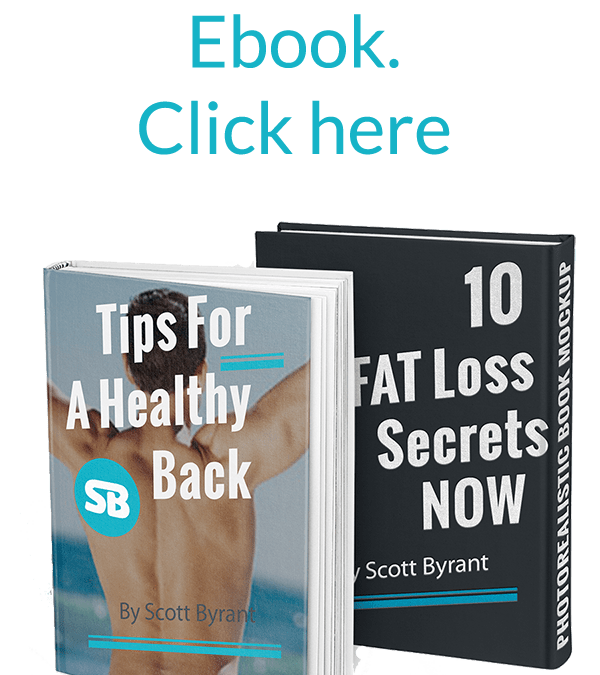
Free Guide: Tips for a Healthy Back & Sustainable Weight Loss
Move Better. Hurt Less. Lose Weight Without Wrecking Your Body.
If you’re dealing with back pain, stiffness, low energy, or stubborn weight that just won’t shift — this free guide is designed for you.
Most people don’t fail because they lack motivation. They fail because they’re following generic fitness advice that ignores pain, posture, stress, and real life.
This guide shows you a smarter, pain-aware approach to movement and weight loss — one that actually lasts.
People who’ve tried gyms, classes, or physios without lasting results
Anyone tired of high-impact workouts that make things worse
If you want to feel stronger, lighter, and more confident in your body — without breaking it — you’re in the right place.
What You’ll Learn Inside the Guide
✔️ Simple posture and movement tips to protect your back ✔️ The most common training mistakes that cause pain ✔️ How to lose weight without high-impact workouts ✔️ Why pain and fat loss are closely linked ✔️ Smarter daily habits that support long-term results ✔️ How to train, move, and live better — even with a busy schedule
No extreme diets. No punishing workouts. No nonsense.
Just practical, real-world advice you can actually use.
Why Pain-Free Movement Is the Key to Weight Loss
Back pain, stress, poor recovery, and fatigue all affect your ability to lose weight.
When your body is constantly in pain or under stress:
Fat loss slows down
Motivation drops
Injuries increase
Results don’t last
This guide takes a holistic approach — addressing movement, posture, recovery, and lifestyle — so weight loss becomes sustainable instead of a constant battle.
About the Author
Scott Bryant is a Certified Master C.H.E.K Practitioner (Level 5) and Personal Trainer based in Battersea, London, with over 27 years of experience.
Scott specialises in helping London professionals:
Reduce chronic back & shoulder pain
Lose weight safely and sustainably
Improve posture, energy, and long-term health
This guide is based on the same principles Scott uses with private coaching clients — simplified so you can start immediately.
Download the Free Guide
Start moving better, feeling stronger, and losing weight — without wrecking your body.
Weight Loss in London: What Really Works and What Doesn’t
Introduction
Weight loss in London can feel overwhelming. From trendy diets to fitness fads, it’s easy to get caught in a cycle of trying everything without seeing real results. The truth is, losing weight isn’t about extremes—it’s about evidence-based strategies tailored to your lifestyle, habits, and body.
This guide covers:
What truly works for weight loss in London
Common myths and ineffective strategies
How nutrition, exercise, and lifestyle factors interact
How a personal trainer can accelerate your results
Understanding Weight Loss in London
The London Lifestyle Factor
Londoners face unique challenges: long commutes, office jobs, social eating, and limited time for exercise. Understanding how your environment impacts your habits is key to sustainable weight loss.
Calories In vs. Calories Out
At its core, weight loss is about creating a calorie deficit—burning more energy than you consume. But it’s not just about “eating less and moving more.” Sleep, stress, and hormone balance all affect your results.
Hormones and Metabolism
Thyroid function, insulin sensitivity, and cortisol levels influence fat storage and energy expenditure. Ignoring these factors often leads to frustration despite strict diets or workouts.
Evidence-Based Strategies That Actually Work
1. Strength Training & Resistance Work
Building lean muscle boosts metabolism and accelerates fat loss. This is why strength training is crucial—even more than endless cardio.
Actionable Tip: Incorporate 2–3 strength sessions per week with compound movements like squats, push-ups, deadlifts, and rows.
2. Nutrition That Supports Fat Loss
Prioritize protein to maintain muscle and reduce cravings.
Eat balanced meals with vegetables, healthy fats, and whole grains.
Avoid fad diets, detoxes, or extreme restrictions—they rarely last.
Actionable Tip: Track your meals for a week to identify hidden calories, especially if you enjoy London’s vibrant takeaway scene.
Stress Management: High cortisol levels hinder fat loss; try walking in parks or meditation.
Incidental Exercise: Walking, cycling, or taking stairs adds significant calorie burn over time.
4. Consistency Over Perfection
Small, sustainable habits over months outperform crash diets or sporadic training.
Common Weight Loss Mistakes in London
Cardio-Only Workouts: Running alone won’t preserve muscle or optimize metabolism.
Skipping Meals: Starving slows metabolism and increases cravings.
Fad Diets & Detoxes: Quick fixes fail long-term.
Ignoring Individual Factors: Genetics, hormones, and lifestyle mean one-size-fits-all plans rarely work.
How a Personal Trainer Can Help You Lose Weight in London
A personal trainer provides:
Tailored Workout Plans: Designed for your body, goals, and schedule.
Nutrition Guidance: Realistic meal strategies that fit London life.
Accountability & Motivation: Keeps you consistent in busy city life.
Injury Prevention: Protects your back, shoulders, and joints while exercising.
Tip: Trainers can also guide you on London gyms, outdoor training spots, and home workouts—making fitness accessible no matter your routine.
Setting Realistic Expectations
Weight Loss Takes Time: Expect 0.5–1 kg per week with sustainable habits.
Track Progress Beyond the Scale: Strength, energy, and posture improvements are key indicators.
Celebrate Small Wins: Each healthy habit is progress toward lasting change.
FAQs
Q1: Can I lose weight in London without a gym? Yes! Outdoor activities, home workouts, and daily incidental exercise can all contribute to fat loss.
Q2: How long does it take to see results with a personal trainer? Most clients notice strength, posture, and energy improvements in 4–6 weeks, with visible fat loss in 8–12 weeks depending on consistency and lifestyle habits.
Q3: Are fad diets effective for long-term weight loss in London? No. Extreme diets may give temporary results but are often unsustainable. Evidence-based nutrition and consistent exercise work best.
Q4: What’s the most effective type of exercise for Londoners trying to lose weight? A mix of strength training, moderate cardio, and daily activity ensures sustainable fat loss and improved overall fitness.
Conclusion
Weight loss in London doesn’t have to be confusing. Focus on sustainable nutrition, strength training, lifestyle habits, and professional guidance for real, lasting results. Avoid quick fixes—they rarely work in the long term.Ready to start your weight loss journey with expert guidance? [Book a personal training session in London today] and achieve results safely, effectively, and sustainably.
Strength & Conditioning Near Me Get Stronger Live Longer
Strength and conditioning that builds real-world power, not just gym selfies.
Train stronger, move better, and feel bulletproof in everyday life.
Performance-driven training for bodies that actually have to function.
Strong isn’t bulky. Strong is capable.
Conditioning that keeps up with your life — not the other way around.
Posted on
Bada Oluwaseyi Micheal
Trustindex verifies that the original source of the review is Google.
I’ve been training with Scott Bryant for a few months, and the results have been amazing! He’s incredibly knowledgeable, tailors workouts to my goals, and keeps every session challenging but fun. His guidance on nutrition and strength training is top-notch. If you’re looking for a professional personal trainer in London who actually gets results, I highly recommend Scott!
Posted on
Roberto Viel
Trustindex verifies that the original source of the review is Google.
I have know Scott for many years and he has been my personal fitness trainer. I admire his dedication, knowledge and commitment. With his guidance and teaching I have improved my posture, my fitness and gained better muscles definition, without any injuries.
I like his holistic approach to fitness.
I highly recommend Scott
Posted on
Francis Yemoh
Trustindex verifies that the original source of the review is Google.
Highly recommended – professional, holistic and deeply insightful
Scott is a rare kind of practitioner, combining deep expertise in posture correction and movement with a genuinely holistic approach that considers physical, emotional, and energetic wellbeing.
I came to him for support with chronic postural imbalances and muscular tension, and left with a much clearer understanding of the root causes, plus a practical path forward. His insights into diet, stress, and lifestyle were equally valuable.
Scott is generous with his knowledge, honest in his guidance, and clearly committed to long-term results. I’m looking forward to working with him again in the future as my circumstances and journey evolve.
If you’re ready to take ownership of your health and want someone who can support the process from multiple angles, Scott is a powerful ally.
Posted on
Asmeninis Treneris Karolis
Trustindex verifies that the original source of the review is Google.
This is a true holistic coach and most importantly a true person, who is more than just a trainer, but a compassionate friend.
Posted on
Jonne Tanskanen
Trustindex verifies that the original source of the review is Google.
Superbly insightful and inspiring personality, very grateful for Scott’s openness in sharing his vast knowledge and expertise. Would highly recommend Scott’s services for anybody who is serious about improving their health and vitality.
Posted on
Nisha Srivastava
Trustindex verifies that the original source of the review is Google.
"My partner bought Scotts book for me. A little gem of a treasure that can fit in any woman's handbag. Some key information especially for women, menopause and training. Scott is truly passionate about what he does and I can see form his clients testimonials that his training and coaching definitely works. "
Posted on
Yalçın Aksu
Trustindex verifies that the original source of the review is Google.
I have experienced a real transformation with Scott. His technical approaches, combined with great performance training and targeted posture correction, have relieved my chronic back pain. Personalized sessions and expert guidance provide guaranteed solutions. Highly recommended to anyone looking to improve their fitness in a great environment!
Posted on
P L
Trustindex verifies that the original source of the review is Google.
River of knowledge this guy has, within the first 15 mins of talking to Scott he was able to ascertain my back pain along with liftsyle challenges. Having spent thousands of pounds for the last 27 years he was already treating me and advising. A Genuine practitioner who purely wants people to get back to better health. Got my back to peak health.
Posted on
Samuel Cricelli
Trustindex verifies that the original source of the review is Google.
Scott has been very kind enough to take time out of his busy schedule to chat with me about the CHEK system and ways to improve my business. I’m very thankful for his advice.
Is strength and conditioning good for beginners?
Absolutely. A good coach scales everything to you. No ego lifting. No burpees of doom. Just smart progressions that build confidence, strength, and movement quality from day one.
Strength and Conditioning Near Me Scott Deliver Extraordinary Results
Yes — and better than endless cardio. Building muscle boosts metabolism, improves insulin sensitivity, and makes your body better at burning fat even when you’re not training (lazy wins count).
How often should I do strength and conditioning?
Most people thrive on 2–4 sessions per week, depending on goals, recovery, and life stress. More isn’t always better — smarter is.
Do I need to be athletic already?
Not even slightly. Strength and conditioning is how you become athletic. Everyone starts somewhere — usually wondering why lunges feel personal.
Strength and Conditioning Near Me Scott Deliver Extraordinary ResultsSystems
Why Work With Scott Bryant for Strength & Conditioning?
Let’s skip the fluff.
You don’t need: ❌ Random workouts ❌ Generic programs ❌ Someone shouting “ONE MORE REP” while your soul leaves your body
You need coaching.
Strength and Conditioning Near Me Scott Deliver Extraordinary Results
What makes Scott Bryant different?
✔ Personalised programming — built around your body, goals, and lifestyle ✔ Strong focus on pain-free movement, posture, and longevity ✔ Strength without wrecking your joints ✔ Conditioning that actually improves energy (not just leaves you on the floor) ✔ A calm, professional approach — no drill sergeant nonsense
This is strength training with a brain, not just a barbell.
If you want to feel strong, move well, and still function like a normal human outside the gym — you’re in the right place.
Strength and Conditioning Near Me – Who Is It For?
Busy professionals who want results without wasting time
People dealing with aches, pains, or recurring injuries
Anyone tired of guessing what workouts they should be doing
Clients who want confidence, energy, and physical independence
Former athletes… and future ones
If you have a body and goals, you qualify.
How to Get in Touch with Scott Bryant
Getting started is refreshingly simple (no 14-step funnels here).
Step 1
Reach out via the contact form or book a consultation directly through the website.
Step 2
We talk goals, injuries, lifestyle, stress, sleep — the full picture.
Step 3
You get a clear plan for strength, conditioning, and long-term progress.
No pressure. No awkward sales chat. Just clarity and direction.
Strength and Conditioning Near Me – FAQs
What is strength and conditioning?
Strength and conditioning is a structured training approach focused on improving strength, fitness, mobility, and overall physical performance. It’s designed to help your body move better, get stronger, and stay resilient — not just look good for five minutes under gym lighting.
Is strength and conditioning suitable for beginners?
Yes. In fact, beginners often benefit the most. Sessions are scaled to your current ability, focusing on technique, confidence, and safe progression. No prior gym experience required — just the ability to show up.
How is strength and conditioning different from personal training?
Personal training can vary wildly. Strength and conditioning follows a planned, progressive system rather than random workouts. With Scott Bryant, personal training is strength and conditioning — personalised, goal-driven, and structured for long-term results.
Can strength and conditioning help with fat loss?
Absolutely. Building muscle increases metabolic rate, improves hormone balance, and helps your body burn fat more efficiently. Most clients see better fat-loss results compared to cardio-only approaches (and keep their muscle too).
Will strength and conditioning help with back or shoulder pain?
When programmed correctly, yes. A major focus is improving movement quality, posture, and muscular balance. Many clients train specifically to reduce recurring aches and pains — without aggravating existing issues.
How often should I do strength and conditioning?
Most people train 2–4 times per week, depending on goals, recovery, and lifestyle. More sessions don’t automatically mean better results — intelligent programming does.
Do I need to lift heavy weights?
No. “Heavy” is relative. The focus is on proper technique, control, and progression. Strength is built gradually and safely — not by chasing numbers for bragging rights.
Is strength and conditioning only for athletes?
Not at all. While athletes use it, strength and conditioning is just as valuable for busy professionals, beginners, and anyone who wants to feel stronger, fitter, and more capable in everyday life.
What if I haven’t trained in years?
That’s very common. Programs are built around your current starting point, not where you think you should be. Progress starts where you are — no punishment required.
Where do the sessions take place?
Sessions are based in Battersea and South West London, making it ideal if you’re searching for strength and conditioning near me and want expert local coaching.
Strength and Conditioning with me lets get you strong with my Extraordinary
How do I get started with Scott Bryant?
Simply get in touch through the website contact form or booking page. You’ll discuss goals, injuries, lifestyle, and expectations before starting a personalised strength and conditioning plan. live chat now! Live chat on website
Why Beer Is Wrecking Men’s Health (And What To Do Instead)
Let’s get something straight early: this isn’t an anti-fun manifesto. No one’s confiscating your pint glass or forcing you into green juice prison.
But if you’re a man over 30 wondering why the belly arrived uninvited, energy has dipped, strength feels harder to maintain, and motivation isn’t what it used to be — beer is very often part of the problem.
Quietly. Politely. Repeatedly.
Posted on
Bada Oluwaseyi Micheal
Trustindex verifies that the original source of the review is Google.
I’ve been training with Scott Bryant for a few months, and the results have been amazing! He’s incredibly knowledgeable, tailors workouts to my goals, and keeps every session challenging but fun. His guidance on nutrition and strength training is top-notch. If you’re looking for a professional personal trainer in London who actually gets results, I highly recommend Scott!
Posted on
Roberto Viel
Trustindex verifies that the original source of the review is Google.
I have know Scott for many years and he has been my personal fitness trainer. I admire his dedication, knowledge and commitment. With his guidance and teaching I have improved my posture, my fitness and gained better muscles definition, without any injuries.
I like his holistic approach to fitness.
I highly recommend Scott
Posted on
Francis Yemoh
Trustindex verifies that the original source of the review is Google.
Highly recommended – professional, holistic and deeply insightful
Scott is a rare kind of practitioner, combining deep expertise in posture correction and movement with a genuinely holistic approach that considers physical, emotional, and energetic wellbeing.
I came to him for support with chronic postural imbalances and muscular tension, and left with a much clearer understanding of the root causes, plus a practical path forward. His insights into diet, stress, and lifestyle were equally valuable.
Scott is generous with his knowledge, honest in his guidance, and clearly committed to long-term results. I’m looking forward to working with him again in the future as my circumstances and journey evolve.
If you’re ready to take ownership of your health and want someone who can support the process from multiple angles, Scott is a powerful ally.
Posted on
Asmeninis Treneris Karolis
Trustindex verifies that the original source of the review is Google.
This is a true holistic coach and most importantly a true person, who is more than just a trainer, but a compassionate friend.
Posted on
Jonne Tanskanen
Trustindex verifies that the original source of the review is Google.
Superbly insightful and inspiring personality, very grateful for Scott’s openness in sharing his vast knowledge and expertise. Would highly recommend Scott’s services for anybody who is serious about improving their health and vitality.
Posted on
Nisha Srivastava
Trustindex verifies that the original source of the review is Google.
"My partner bought Scotts book for me. A little gem of a treasure that can fit in any woman's handbag. Some key information especially for women, menopause and training. Scott is truly passionate about what he does and I can see form his clients testimonials that his training and coaching definitely works. "
Posted on
Yalçın Aksu
Trustindex verifies that the original source of the review is Google.
I have experienced a real transformation with Scott. His technical approaches, combined with great performance training and targeted posture correction, have relieved my chronic back pain. Personalized sessions and expert guidance provide guaranteed solutions. Highly recommended to anyone looking to improve their fitness in a great environment!
Posted on
P L
Trustindex verifies that the original source of the review is Google.
River of knowledge this guy has, within the first 15 mins of talking to Scott he was able to ascertain my back pain along with liftsyle challenges. Having spent thousands of pounds for the last 27 years he was already treating me and advising. A Genuine practitioner who purely wants people to get back to better health. Got my back to peak health.
Posted on
Samuel Cricelli
Trustindex verifies that the original source of the review is Google.
Scott has been very kind enough to take time out of his busy schedule to chat with me about the CHEK system and ways to improve my business. I’m very thankful for his advice.
Why Beer Is Wrecking Men’s Health
The Beer Belly Isn’t a Myth — It’s Biology
Beer doesn’t magically teleport fat to your stomach. What it does is far more annoying.
When you drink beer:
Fat burning is paused while your liver deals with alcohol
Just training that respects how men’s bodies actually work as they age.
Final Thought
Beer isn’t evil.
But if fat loss has stalled, strength is slipping, and you’re wondering why things feel harder than they should — it’s time to be honest about the trade-offs.
Lift more. Drink less (not never). Sleep better.
That’s how men stay strong, lean, and capable for decades — not just holidays.
If you’re ready to train properly and feel like yourself again, Scott can help.
Best Online Personal Trainer in the UK (Trusted Nationwide)
If you’re searching for the best online personal trainer in the UK, you want more than workouts — you want structure, accountability, and results that fit real life.
I’m Scott Bryant, a UK-based online personal trainer helping clients across London and nationwide lose fat, build strength, reduce pain, and stay consistent — without extreme diets or living in the gym.
Whether you’re based in London, Battersea, Clapham, Chelsea, or anywhere in the UK, online personal training gives you expert coaching without location limits.
Posted on
Bada Oluwaseyi Micheal
Trustindex verifies that the original source of the review is Google.
I’ve been training with Scott Bryant for a few months, and the results have been amazing! He’s incredibly knowledgeable, tailors workouts to my goals, and keeps every session challenging but fun. His guidance on nutrition and strength training is top-notch. If you’re looking for a professional personal trainer in London who actually gets results, I highly recommend Scott!
Posted on
Roberto Viel
Trustindex verifies that the original source of the review is Google.
I have know Scott for many years and he has been my personal fitness trainer. I admire his dedication, knowledge and commitment. With his guidance and teaching I have improved my posture, my fitness and gained better muscles definition, without any injuries.
I like his holistic approach to fitness.
I highly recommend Scott
Posted on
Francis Yemoh
Trustindex verifies that the original source of the review is Google.
Highly recommended – professional, holistic and deeply insightful
Scott is a rare kind of practitioner, combining deep expertise in posture correction and movement with a genuinely holistic approach that considers physical, emotional, and energetic wellbeing.
I came to him for support with chronic postural imbalances and muscular tension, and left with a much clearer understanding of the root causes, plus a practical path forward. His insights into diet, stress, and lifestyle were equally valuable.
Scott is generous with his knowledge, honest in his guidance, and clearly committed to long-term results. I’m looking forward to working with him again in the future as my circumstances and journey evolve.
If you’re ready to take ownership of your health and want someone who can support the process from multiple angles, Scott is a powerful ally.
Posted on
Asmeninis Treneris Karolis
Trustindex verifies that the original source of the review is Google.
This is a true holistic coach and most importantly a true person, who is more than just a trainer, but a compassionate friend.
Posted on
Jonne Tanskanen
Trustindex verifies that the original source of the review is Google.
Superbly insightful and inspiring personality, very grateful for Scott’s openness in sharing his vast knowledge and expertise. Would highly recommend Scott’s services for anybody who is serious about improving their health and vitality.
Posted on
Nisha Srivastava
Trustindex verifies that the original source of the review is Google.
"My partner bought Scotts book for me. A little gem of a treasure that can fit in any woman's handbag. Some key information especially for women, menopause and training. Scott is truly passionate about what he does and I can see form his clients testimonials that his training and coaching definitely works. "
Posted on
Yalçın Aksu
Trustindex verifies that the original source of the review is Google.
I have experienced a real transformation with Scott. His technical approaches, combined with great performance training and targeted posture correction, have relieved my chronic back pain. Personalized sessions and expert guidance provide guaranteed solutions. Highly recommended to anyone looking to improve their fitness in a great environment!
Posted on
P L
Trustindex verifies that the original source of the review is Google.
River of knowledge this guy has, within the first 15 mins of talking to Scott he was able to ascertain my back pain along with liftsyle challenges. Having spent thousands of pounds for the last 27 years he was already treating me and advising. A Genuine practitioner who purely wants people to get back to better health. Got my back to peak health.
Posted on
Samuel Cricelli
Trustindex verifies that the original source of the review is Google.
Scott has been very kind enough to take time out of his busy schedule to chat with me about the CHEK system and ways to improve my business. I’m very thankful for his advice.
Why Online Personal Training Works (UK Clients)
Online personal training works because it removes the biggest barriers:
Time
Travel
Inconsistent routines
With the right coach, you get the same level of personalisation as face-to-face training, plus flexibility that fits modern UK lifestyles.
That’s why more people now choose online fitness coaching programs in the UK over traditional gym-only training.
Online Fitness Coaching With Scott Bryant (How It Works)
1️⃣ Personalised Online Training Programs
Every client starts with a full online assessment covering: