Personal Trainer Kensington and Chelsea Can Help Lose Weight Get Strong And Fit Results
Dreaming of stronger, leaner abs? Scott Bryant, top personal fitness trainer in Kensington and Chelsea, specialises in targeted core training that transforms your midsection—and your entire body. Using a holistic, functional approach, Scott helps you burn fat, build strength, and achieve the toned, athletic look you deserve. Real training. Real results. Real confident
Personal Fitness Trainer in Kensington and Chelsea – Sculpt Your Core with Scott Bryant
ABS Private Personal Trainer Kensington Your Home or Online.
Best personal trainer Kensington
Personal training Kensington
Transform Your Body with Our Weight Loss Training Program Kensington and Chelsea With Scott Bryant.
Hiring a ABS personal trainer Scott Bryant in Kensington and Chelsea in London:
Personal Trainers in Kensington, Londoncan be beneficial for several reasons. Kensington is known for its high standards and is home to many individuals who prioritize their health and fitness. A personal trainer can provide tailored workouts, accountability, and motivation, ensuring that you reach your fitness goals effectively and safely. Additionally, in a bustling area like Kensington, having a personal trainer can help you navigate busy schedules and optimize your workout time efficiently.
As for the cost, it varies depending on factors such as the trainer’s experience, qualifications, location, and the frequency of sessions. In Kensington, where the cost of living tends to be higher, you can expect to pay more compared to other areas. On average, a private personal trainer in Kensington may charge anywhere from £50 to £135 per session.
Corrective exercises can indeed be beneficial for addressing back pain and aiding in weight loss. A knowledgeable personal trainer can assess your posture, movement patterns, and any muscular imbalances contributing to your back pain. They can then design a program incorporating corrective exercises to strengthen weak muscles, improve flexibility, and alleviate pain.
Posted on
Bada Oluwaseyi Micheal
Trustindex verifies that the original source of the review is Google.
I’ve been training with Scott Bryant for a few months, and the results have been amazing! He’s incredibly knowledgeable, tailors workouts to my goals, and keeps every session challenging but fun. His guidance on nutrition and strength training is top-notch. If you’re looking for a professional personal trainer in London who actually gets results, I highly recommend Scott!
Posted on
Roberto Viel
Trustindex verifies that the original source of the review is Google.
I have know Scott for many years and he has been my personal fitness trainer. I admire his dedication, knowledge and commitment. With his guidance and teaching I have improved my posture, my fitness and gained better muscles definition, without any injuries.
I like his holistic approach to fitness.
I highly recommend Scott
Posted on
Francis Yemoh
Trustindex verifies that the original source of the review is Google.
Highly recommended – professional, holistic and deeply insightful
Scott is a rare kind of practitioner, combining deep expertise in posture correction and movement with a genuinely holistic approach that considers physical, emotional, and energetic wellbeing.
I came to him for support with chronic postural imbalances and muscular tension, and left with a much clearer understanding of the root causes, plus a practical path forward. His insights into diet, stress, and lifestyle were equally valuable.
Scott is generous with his knowledge, honest in his guidance, and clearly committed to long-term results. I’m looking forward to working with him again in the future as my circumstances and journey evolve.
If you’re ready to take ownership of your health and want someone who can support the process from multiple angles, Scott is a powerful ally.
Posted on
Asmeninis Treneris Karolis
Trustindex verifies that the original source of the review is Google.
This is a true holistic coach and most importantly a true person, who is more than just a trainer, but a compassionate friend.
Posted on
Jonne Tanskanen
Trustindex verifies that the original source of the review is Google.
Superbly insightful and inspiring personality, very grateful for Scott’s openness in sharing his vast knowledge and expertise. Would highly recommend Scott’s services for anybody who is serious about improving their health and vitality.
Posted on
Nisha Srivastava
Trustindex verifies that the original source of the review is Google.
"My partner bought Scotts book for me. A little gem of a treasure that can fit in any woman's handbag. Some key information especially for women, menopause and training. Scott is truly passionate about what he does and I can see form his clients testimonials that his training and coaching definitely works. "
Posted on
Yalçın Aksu
Trustindex verifies that the original source of the review is Google.
I have experienced a real transformation with Scott. His technical approaches, combined with great performance training and targeted posture correction, have relieved my chronic back pain. Personalized sessions and expert guidance provide guaranteed solutions. Highly recommended to anyone looking to improve their fitness in a great environment!
Posted on
P L
Trustindex verifies that the original source of the review is Google.
River of knowledge this guy has, within the first 15 mins of talking to Scott he was able to ascertain my back pain along with liftsyle challenges. Having spent thousands of pounds for the last 27 years he was already treating me and advising. A Genuine practitioner who purely wants people to get back to better health. Got my back to peak health.
Posted on
Samuel Cricelli
Trustindex verifies that the original source of the review is Google.
Scott has been very kind enough to take time out of his busy schedule to chat with me about the CHEK system and ways to improve my business. I’m very thankful for his advice.
Regarding weight loss, corrective exercises can help by targeting specific muscle groups, improving overall movement efficiency, and preventing injury. Additionally, a well-rounded fitness program that includes cardiovascular exercise, strength training, and proper nutrition guidance from your personal trainer can contribute significantly to your weight loss journey.
Overall, investing in a personal trainer in Kensington, London, can provide you with the support and expertise you need to achieve your fitness goals effectively and efficiently.
Obesity personal trainer Kensington and Chelsea and Chelsea with Scott Bryant
How can a abs personal trainer Kensington and Chelsea London help with pain:
A personal trainer in Kensington, London, can help address various types of pain through tailored exercise programs and targeted techniques. Here’s how they can assist with different kinds of pain:
Back Pain: Personal trainers can assess your posture, movement patterns, and muscle imbalances contributing to back pain. They can then design a program focusing on strengthening the core muscles, improving flexibility, and teaching proper body mechanics to alleviate strain on the back. Exercises such as bridges, planks, bird-dogs, and specific stretches can be incorporated into your routine to help alleviate back pain.
Joint Pain: For joint pain, a personal trainer can create low-impact exercise routines that reduce stress on the joints while still promoting strength and mobility. They may include exercises like swimming, cycling, or using elliptical machines to minimize impact. Strength training exercises focusing on improving muscle strength around the affected joints can also help provide stability and reduce pain.
ABS Muscle Soreness: After intense workouts, muscle soreness is common. Personal trainers can guide you through proper warm-up and cool-down routines, as well as recommend techniques such as foam rolling and stretching to alleviate muscle soreness. They can also adjust your workout intensity and volume to prevent overtraining and excessive soreness.
COER Chronic Pain Conditions: For individuals with chronic pain conditions such as fibromyalgia or arthritis, personal trainers can work closely with healthcare professionals to develop exercise programs tailored to their specific needs and limitations. These programs may include gentle exercises, aquatic therapy, and stress-reduction techniques to manage pain and improve overall well-being.
Post-Injury Rehabilitation: If you’re recovering from an injury, a personal trainer can collaborate with your healthcare provider to design a rehabilitation program that focuses on rebuilding strength, mobility, and function while minimising the risk of re-injury. They can provide guidance on proper form, progression, and modifications to ensure a safe and effective recovery process.
Overall, a personal trainer in Kensington, London, can play a crucial role in helping individuals manage and alleviate pain through personalized exercise programs, education, and support. By addressing underlying issues and promoting proper movement mechanics, they can empower clients to improve their quality of life and achieve their fitness goals safely.
Here Scott top fitness coaching services in Kensington and Chelsea
How can personal trainer help me with my golf Kensington and Chelsea London:
A personal trainer in Kensington, London, can be immensely helpful in improving your golf game in several ways:
Physical ABS Conditioning: Golf requires strength, flexibility, stability, and endurance. A personal trainer can assess your current fitness level, identify areas for improvement, and design a tailored exercise program to enhance your physical conditioning specifically for golf. This program may include exercises to improve core strength, rotational power, balance, and flexibility, all of which are crucial for generating power and maintaining consistency in your golf swing.
Golf Swing Analysis and Correction: Personal trainers with expertise in golf fitness can analyze your golf swing to identify any biomechanical inefficiencies or limitations that may be affecting your performance. They can then prescribe corrective exercises and drills to address these issues, such as improving hip mobility, thoracic rotation, or stability in the lower body. By optimizing your swing mechanics, you can achieve greater accuracy, distance, and control on the golf course.
Bak pain ABS Injury Prevention: Golfers are prone to specific injuries, such as lower back pain, shoulder issues, and golfer’s elbow. A personal trainer can implement injury prevention strategies by strengthening the muscles around vulnerable areas, improving mobility in tight areas, and teaching proper warm-up and cool-down techniques. By addressing imbalances and weaknesses, you can reduce the risk of injury and enjoy playing golf pain-free.
Nutrition and Recovery: Proper nutrition and recovery play a crucial role in golf performance. A personal trainer can offer guidance on nutrition strategies to fuel your body for optimal performance on the golf course and support recovery between rounds. They may also recommend stretching routines, foam rolling techniques, and other recovery modalities to help you recover faster and feel your best for your next game.
Mental Conditioning: Golf is as much a mental game as it is physical. A personal trainer can provide support and motivation to help you develop mental toughness, focus, and confidence on the golf course. They may incorporate visualization exercises, breathing techniques, and goal-setting strategies to enhance your mental resilience and performance under pressure.
By working with a golf personal trainer in Kensington, London, who specialises in golf fitness, you can elevate your game, improve your overall fitness level, and enjoy greater success and satisfaction on the golf course.
Personal Trainer Kensington and Chelsea Can Help Lose Weight Scott will help you eat right move right and feel great.
Scott helps clients with obesity and diabetes
Kensington and Chelsea
Can a ABS personal trainer Kensington and Chelsea London help me with wight loss:
Absolutely, a personal trainer in Kensington, London, can be instrumental in helping you achieve weight loss goals. Here’s how they can assist you:
Tailored Exercise Programs: Personal trainers can create customized workout routines based on your fitness level, preferences, and weight loss goals. These programs typically include a combination of cardiovascular exercises, strength training, and flexibility exercises to maximize calorie burn, build lean muscle mass, and improve overall fitness.
Accountability and Motivation: One of the key benefits of working with a personal trainer is the accountability they provide. Knowing that you have scheduled sessions with a trainer can help keep you motivated and committed to your weight loss journey. Trainers can also track your progress, celebrate your successes, and provide encouragement during challenging times.
Proper Form and Technique: Personal trainers ensure that you perform exercises with proper form and technique to prevent injuries and maximize effectiveness. By teaching you the correct way to perform exercises, they help you get the most out of your workouts and minimize the risk of setbacks due to improper form.
Nutrition Guidance: Many personal trainers are also knowledgeable about nutrition and can provide guidance on healthy eating habits that support weight loss. They can help you create a balanced meal plan, make healthier food choices, and develop sustainable dietary habits that align with your weight loss goals.
Adaptation and Progression: As you progress in your weight loss journey, a personal trainer will adjust your workout program to ensure continued progress. They may increase the intensity of your workouts, introduce new exercises, or modify your routine to prevent plateaus and keep you challenged.
Support and Encouragement: Weight loss can be a challenging process, both physically and emotionally. Personal trainers provide support, encouragement, and a positive environment to help you stay focused and motivated throughout your journey.
Overall, working with a personal trainer in Kensington, London, can provide you with the guidance, support, and accountability you need to achieve your weight loss goals effectively and sustainably.
Exercise At Home with personal trainer Personal Trainer Kensington and Chelsea Can Help Lose Weight London Scott Bryant
Can come you come to my home for passional Kensington and Chelsea London:
Yes, many personal trainers in Kensington, London, offer in-home training services, bringing the workout sessions directly to your home for convenience and comfort. In-home personal training allows you to enjoy personalized workouts in a familiar environment without the need to travel to a gym or fitness studio.
When seeking a personal trainer who can come to your home in Kensington, you can inquire about their availability for in-home sessions, their experience with home-based training, and any specific equipment requirements they may have. Additionally, discuss scheduling options, rates, and any other details relevant to your fitness goals and preferences.
Finding a personal trainer who offers in-home training in Kensington shouldn’t be too difficult, given the high demand for fitness services in the area. You can search online, check local directories, or ask for recommendations from friends, family, or colleagues who may have used similar services. Many personal trainers are flexible and willing to accommodate clients’ needs, including providing training sessions in the comfort of their homes.
Home workout Gym workout Kensington and Chelsea
don’t have time train in gym workout online with Scott
Online personal training Kensington and Chelsea
Can we train online if I’m not home.Kensington and Chelsea London:
Yes, absolutely! Many personal trainers offer online training services, allowing you to receive guidance and support from a professional regardless of your location. Whether you’re traveling, at work, or simply prefer the convenience of training remotely, online personal training can be a flexible and effective option.
Virtual Sessions: Instead of meeting in person, you and your personal trainer connect via video conferencing platforms such as Zoom, Skype, or Google Meet for your training sessions. During these sessions, your trainer can demonstrate exercises, provide instruction on proper form and technique, and offer real-time feedback to ensure you’re performing exercises correctly.
Customized Workout Programs: Your personal trainer will create a customized workout plan tailored to your goals, fitness level, and available equipment/resources. They may provide you with written workout routines, instructional videos, or interactive training apps to guide you through your workouts independently between virtual sessions.
Progress Tracking and Accountability: Your trainer will track your progress, monitor your adherence to the program, and provide ongoing support and motivation through regular check-ins, emails, or messages. They may also use fitness tracking apps or online platforms to monitor your workouts, nutrition, and other relevant metrics.
Nutrition Guidance: Many online personal trainers also offer nutrition coaching and guidance to complement your fitness program. They can help you create a balanced meal plan, make healthier food choices, and develop sustainable dietary habits to support your goals.
Flexibility: Online personal training offers flexibility in terms of scheduling, allowing you to train at a time that suits your schedule and lifestyle. Whether you prefer early morning workouts, lunchtime sessions, or evening training sessions, you can coordinate with your trainer to find a time that works best for you.
By embracing online personal training, you can receive professional guidance, support, and accountability from a personal trainer, even if you’re not physically present in Kensington, London. This flexibility allows you to your fitness goals and maintain consistency in your training routine, regardless of your location or circumstances.
sports massage Mater CHEK practitioner Level 5 Kensington and Chelsea
What make Scott Bryant Master C.H.E.K. practitioner level 5 better than other personal trainers Kensington and Chelsea, London
Scott Bryant, as a CHEK practitioner, brings a unique set of skills and perspectives to personal training that distinguish him from other trainers in Kensington, London. Here are some reasons why his approach may be considered advantageous:
Holistic Approach: CHEK practitioners, trained through the C.H.E.K Institute, take a holistic approach to health and fitness. They consider not only physical exercise but also nutrition, stress management, sleep, and lifestyle factors when designing programs for their clients. This comprehensive approach addresses the root causes of imbalances and helps clients achieve sustainable results.
Individualized Assessments: CHEK practitioners conduct thorough assessments to understand each client’s unique needs, goals, and challenges. They may assess posture, movement patterns, flexibility, strength, and other factors to identify areas for improvement and develop personalized strategies for optimal health and performance.
Emphasis on Functional Movement: CHEK practitioners prioritize functional movement patterns that translate to real-life activities and improve overall functionality. They focus on movements that promote stability, mobility, and proper alignment, reducing the risk of injury and enhancing performance in daily activities and sports, including golf.
Core Training Expertise: Core training is a fundamental aspect of the CHEK approach. Scott Bryant, as a CHEK practitioner, has expertise in core training techniques that go beyond traditional abdominal exercises. He can help clients develop a strong and stable core, which is essential for golf performance and overall functional movement.
Integrated Lifestyle Coaching: CHEK practitioners often provide lifestyle coaching to address factors beyond exercise that impact health and well-being. This may include stress management techniques, sleep optimization strategies, and nutritional guidance tailored to each client’s individual needs and goals.
Continual Education and Development: Scott Bryant’s affiliation with the C.H.E.K Institute reflects a commitment to ongoing education and professional development. CHEK practitioners stay abreast of the latest research and techniques in health, fitness, and holistic wellness to provide their clients with the most effective and up-to-date guidance.
Overall, Scott Bryant’s background as a CHEK practitioner equips him with a unique skill set and perspective that may set him apart from other personal trainers in Kensington, London. His holistic approach, individualized assessments, emphasis on functional movement, core training expertise, integrated lifestyle coaching, and commitment to ongoing education make him a valuable resource for clients seeking comprehensive support in their health and fitness journey.
Personal Trainer Kensington and Chelsea Can Help Lose Weight
Yes, training in Kensington parks in London is definitely an option! Kensington is home to several beautiful parks and green spaces that provide excellent outdoor workout opportunities. Here are a few parks in Kensington where you could consider training:
Hyde Park: Hyde Park is one of London’s largest and most famous parks, offering vast open spaces, walking and running trails, and plenty of room for outdoor workouts. You can find areas for bodyweight exercises, jogging, cycling, and even open spaces for yoga or stretching sessions.
Kensington Gardens: Adjacent to Hyde Park, Kensington Gardens offers picturesque surroundings, serene lakes, and well-maintained paths ideal for walking, jogging, or cycling. You can also find quiet spots for bodyweight exercises, yoga, or meditation.
Holland Park: Holland Park is another beautiful green space in Kensington with lush gardens, woodland areas, and sports facilities. You can utilize the paths for running or walking, find benches for step-ups or tricep dips, or even use the park’s outdoor gym equipment for a full-body workout.
Chelsea Physic Garden: While not as expansive as the other parks mentioned, Chelsea Physic Garden provides a tranquil setting for outdoor training. You can take advantage of the garden’s serene atmosphere for yoga, stretching, or meditation sessions.
Training in Kensington parks offers several benefits, including fresh air, natural scenery, and a change of environment from indoor gyms. Just be sure to check the park’s rules and regulations regarding exercise and any restrictions that may apply. Additionally, consider the weather and time of day when planning your outdoor workouts to ensure a safe and enjoyable experience.
You get your money back in 14 days if you’re not happy.Kensington and Chelsea London
Scott offers money in Kensington and Chelsea London:
While I can’t provide specific details about Scott Bryant’s offerings or guarantees, it’s common for personal trainers, including those in Kensington, London, to offer satisfaction guarantees or refund policies to ensure their clients feel confident in their services. These guarantees may vary depending on the trainer and the specific terms of their agreement with clients.
A money-back guarantee can provide reassurance to clients that their investment in personal training is protected and that the trainer is committed to delivering results. However, the specific conditions and terms of the guarantee, such as the duration of the guarantee period and any eligibility criteria, should be clearly outlined in the trainer’s contract or agreement with the client.
If you’re considering working with a personal trainer in Kensington, London, and are interested in a money-back guarantee or any other form of assurance, I recommend discussing this with the trainer directly. They should be able to provide you with details about their policies and address any questions or concerns you may have before starting your training program.
we can help heal your gut
Nutrition Gut Healing Health Coaching Personal Trainer Kensington Can Help Lose Weight
Diet Kensington and Chelsea
Scott offer Gut lab testing and nutritional assessment.Kensington and Chelsea London:
Offering lab testing and nutritional assessments as part of personal training services is not uncommon, especially for trainers who take a holistic approach to health and fitness. These services can provide valuable insights into a client’s overall health, nutritional status, and specific needs, allowing the trainer to tailor their approach accordingly.
Lab testing may involve assessments such as blood tests to measure various biomarkers, including cholesterol levels, blood sugar levels, hormone levels, and markers of inflammation. These tests can help identify any underlying health issues or imbalances that may impact a client’s fitness goals and inform personalised recommendations for exercise, nutrition, and lifestyle modifications.
Nutritional assessments typically involve evaluating a client’s current diet, eating habits, and nutritional intake to identify areas for improvement and develop a customized nutrition plan. This may include recommendations for calorie intake, macronutrient distribution, meal timing, hydration, supplementation, and strategies for achieving specific goals such as weight loss, muscle gain, or improved athletic performance.
By offering lab testing and nutritional assessments as part of personal training services, trainers like Scott Bryant can provide comprehensive support to their clients, addressing not only exercise but also nutrition and overall wellness. This integrated approach allows for more personalized and effective guidance, helping clients achieve their health and fitness goals more efficiently and sustainably. If you’re interested in these services, it’s a good idea to inquire with Scott Bryant or any other trainer you’re considering to learn more about their offerings and how they can benefit you
Home and online CHEK Personal Trainer Scott Bryant Kensington and Chelsea
If you’re considering booking Scott as your personal trainer in Kensington, London, here are some compelling reasons why you might choose him:
Experience and Expertise: Scott brings years of experience and expertise in personal training to his clients. He has a deep understanding of exercise science, nutrition, and behavior change techniques, allowing him to develop effective and customized training programs tailored to each client’s goals and needs.
Results-Oriented Approach: Scott is committed to helping his clients achieve tangible results. Whether your goal is to lose weight, build muscle, improve athletic performance, or enhance overall health and fitness, Scott will work closely with you to develop a strategic plan and provide the support and guidance needed to reach your goals.
Personalized Attention: As a personal trainer, Scott prioritizes personalized attention and individualized programming. He takes the time to understand each client’s unique strengths, limitations, preferences, and goals, ensuring that every workout is tailored to their specific needs and abilities.
Motivation and Accountability: Scott serves as a source of motivation, encouragement, and accountability for his clients. He helps clients stay focused, committed, and motivated throughout their fitness journey, providing the support and encouragement needed to overcome challenges and stay on track.
Holistic Approach to Health: Scott believes in taking a holistic approach to health and wellness, addressing not only physical fitness but also factors such as nutrition, stress management, sleep, and mindset. He provides comprehensive support and guidance to help clients achieve balance and optimize their overall well-being.
Convenient Location: Scott is based in Kensington, London, making it convenient for clients in the area to access his services. Whether you live or work in Kensington or the surrounding areas, Scott’s central location allows for easy access to personalized training sessions.
Flexible Scheduling: Scott understands that clients have busy schedules and varying commitments. He offers flexible scheduling options to accommodate clients’ needs and preferences, whether you prefer early morning sessions before work, lunchtime workouts, or evening sessions after work.
Positive and Supportive Environment: Scott creates a positive and supportive training environment where clients feel comfortable, motivated, and empowered to push themselves to new heights. He fosters a sense of community and camaraderie among his clients, creating a supportive network of individuals working towards common goals.
Overall, booking Scott as your personal trainer in Kensington, London, offers the opportunity to work with a knowledgeable, experienced, and results-oriented professional who is committed to helping you achieve your fitness goals and improve your overall quality of life.
Here some more of Scott other blogs you may like to read:
Why work with Scott Bryant as your personal trainer?
Think of Scott as the Swiss Army knife of fitness professionals—minus the sharp bits, plus decades of expertise. Here’s what makes training with him genuinely transformative:
1. Tailored Programs for Real Results
Scott doesn’t do cookie-cutter plans. He builds training specifically around your body, your lifestyle, your injuries, your goals, and—yes—your schedule that’s busier than a treadmill in January.
2. Pain Reduction & Posture Correction
Shoulders stiff? Lower back cranky? Scott has a system designed to address imbalances, improve posture, and get you moving like a well-oiled machine… not a squeaky shopping trolley.
3. Holistic Health Approach
Training with Scott isn’t just sets and reps. You get support with:
You’ll have someone who doesn’t just cheer you on—he tracks progress, adjusts your program, and keeps you consistent… even on days when the sofa whispers your name seductively.
5. Luxury, High-End Coaching
This isn’t bargain-basement fitness. It’s premium, boutique-level personal training in Battersea with expert-level guidance at every step.
Prices & Packages
(Note: These are flexible templates—you can adjust them to fit your actual service structure.)
One-to-One Personal Training
Perfect for clients who want completely tailored coaching.
Single Session: £130–£180
Block of 10: £850–£1,100
Block of 20: £1,650–£2,100 (Blocks come with program updates, progress tracking, and lifestyle guidance.)
Premium Monthly Coaching Packages
1. Silver Package (Great for getting started)
1 session per week
Full custom program
Basic nutrition guidance
Email support £380–£500/month
2. Gold Package (Most popular)
2 sessions per week
Full custom program
Advanced nutrition + lifestyle coaching
WhatsApp support
Monthly assessments £760–£1,800/month
3. Platinum VIP Package (All-in, high accountability)
3 sessions per week
Elite-level program design
Full nutrition coaching
Daily check-ins
Priority booking
Unlimited support £1,100–£1,500/month
Online Coaching (for remote clients)
Weekly check-ins
Custom workouts
Nutrition help
Form analysis £150–£350/mont
How to Get in Touch with Scott Bryant
If you’re ready to improve your fitness, fix nagging pain, boost your energy, or take a more holistic approach to your health, Scott makes it super simple to connect:
Phone Consultation
Book a 15 minutes free discovery call to talk about your goals and see if you’re a good fit to work together.
Email
Send a message outlining what you want to achieve, any injuries or issues you’re dealing with, and your preferred training times.activebryant@gmail.com
Website Contact Form
Visit the Active Bryant Systems website where you can fill out a quick form—Scott responds personally.
Location
Based in Battersea, Kensington and Chelsea London, Scott works with clients locally and online.
What Happens After You Reach Out
Scott arranges a consultation.at £130
You discuss your goals, health history, and challenges.
He designs a tailored plan and recommends the best package.
You begin your training journey (and soon feel the difference!)
“Ready to start your journey with a London personal trainer? Book your consultation today.”
Unlock Your Potential: Become a Personal Fitness Trainer Today
Love your job with passion.
involves a combination of education, certification, experience, and ongoing professional development. Here’s a step-by-step guide on how to become a personal fitness trainer, along with the reasons for pursuing this career and its pros and cons:
1. Education and Certification:
Obtain a high school diploma or equivalent.
Pursue a relevant higher education degree, such as exercise science, kinesiology, or sports medicine (optional but beneficial).
Choose a reputable certification program accredited by organizations like the National Commission for Certifying Agencies (NCCA) or the American Council on Exercise (ACE).
Some of the most recognized certification programs include NASM (National Academy of Sports Medicine), ACSM (American College of Sports Medicine), NSCA (National Strength and Conditioning Association), and ISSA (International Sports Sciences Association).
Study diligently and pass the certification exam.
2. Gain Experience:
Consider gaining experience by working in a gym or fitness center as a fitness instructor, group exercise instructor, or personal trainer assistant.
Seek internships or apprenticeships under experienced personal trainers to learn practical skills and techniques.
3. Build Skills and Knowledge:
Continuously educate yourself on exercise science, nutrition, anatomy, physiology, and other relevant subjects.
Develop strong interpersonal and communication skills to effectively work with clients.
4. Obtain Necessary Credentials:
Acquire CPR and AED certification to ensure you’re equipped to handle emergencies.
Obtain liability insurance to protect yourself in case of accidents or injuries during training sessions.
Reasons for Becoming a Personal Trainer:
Passion for fitness and helping others achieve their health goals.
Flexibility in scheduling and potentially earning a good income.
Personal satisfaction from seeing clients progress and improve their health and fitness.
Opportunities for career advancement and specialization in areas like sports conditioning, nutrition coaching, or working with specific populations (e.g., seniors, athletes, individuals with disabilities).
Pros of Being a Personal Trainer:
Opportunity to make a positive impact on people’s lives.
Flexible work schedule and potential for self-employment.
Personal fulfillment from helping clients achieve their fitness goals.
Varied work environment, from gyms to outdoor settings.
Potential for a high income, especially with experience and specialization.
Cons of Being a Personal Trainer:
Irregular income, especially when starting out or if you’re self-employed.
Physically demanding job, which can lead to burnout or injury if not careful.
Need for continuous learning and staying updated with industry trends.
Dealing with clients who lack motivation or commitment.
Potential liability issues if clients get injured during sessions.
Best Courses to Take:
C.H.E.K Practitioner 5-6 years study course
C.H.E.K Academy
NASM Certified Personal Trainer (CPT)
ACE Personal Trainer Certification
ACSM Certified Personal Trainer (CPT)
ISSA Personal Trainer Certification
NSCA Certified Personal Trainer (NSCA-CPT)
Ultimately, becoming a personal fitness trainer requires dedication, a passion for health and fitness, and a commitment to ongoing learning and professional development. It can be a rewarding career for those who enjoy helping others achieve their fitness goals and lead healthier lives.
Here are some highly recommended books for personal trainers that cover various aspects of fitness, exercise science, nutrition, coaching, and business development:
“The Essentials of Strength Training and Conditioning” by NSCA – This comprehensive resource covers the foundational principles of strength training and conditioning, essential for personal trainers.
“Anatomy Trains: Myofascial Meridians for Manual and Movement Therapists” by Thomas W. Myers – Understanding anatomy and how the body moves is crucial for personal trainers. This book provides a detailed exploration of myofascial meridians, offering valuable insights into movement patterns and dysfunction.
“Becoming a Supple Leopard: The Ultimate Guide to Resolving Pain, Preventing Injury, and Optimizing Athletic Performance” by Kelly Starrett – A practical guide to mobility, movement mechanics, and injury prevention, essential for personal trainers working with clients of all levels.
“Burn the Fat, Feed the Muscle: Transform Your Body Forever Using the Secrets of the Leanest People in the World” by Tom Venuto – This book offers practical advice on nutrition, fat loss, and muscle building, helping personal trainers guide their clients towards sustainable results.
“The New Encyclopedia of Modern Bodybuilding” by Arnold Schwarzenegger and Bill Dobbins – Although primarily aimed at bodybuilders, this comprehensive guide covers a wide range of topics related to exercise programming, nutrition, and muscle physiology, valuable for any personal trainer.
“The Coaching Habit: Say Less, Ask More & Change the Way You Lead Forever” by Michael Bungay Stanier – Effective coaching is a key skill for personal trainers. This book provides practical strategies for asking powerful questions and facilitating meaningful change in clients.
“Start with Why: How Great Leaders Inspire Everyone to Take Action” by Simon Sinek – Understanding the underlying motivations and goals of clients is essential for personal trainers. This book explores the importance of purpose and vision in driving behavior and decision-making.
“Never Let Go: A Philosophy of Lifting, Living and Learning” by Dan John – This book offers insights into strength training philosophy, programming principles, and coaching strategies, valuable for personal trainers seeking to improve their craft.
“Good to Great: Why Some Companies Make the Leap…And Others Don’t” by Jim Collins – While not specifically about fitness, this book explores the characteristics of exceptional organizations and can provide valuable insights for personal trainers looking to build successful businesses.
“The Business of Personal Training: Essential Guide for the Successful Personal Trainer” by Mark Nutting – For personal trainers interested in building and growing their business, this book offers practical advice on marketing, sales, client retention, and business management.
These books cover a wide range of topics relevant to personal trainers, from exercise science and nutrition to coaching and business development. Depending on your interests and focus areas, you may find some books more relevant than others.
There are several top-rated gyms in London where personal trainers may find opportunities to work. Here are some of the best personal trainer gyms in London, known for their quality facilities, diverse clientele, and supportive environments:
Gymbox: With multiple locations across London, Gymbox offers state-of-the-art facilities, innovative classes, and a vibrant atmosphere. They often hire experienced and certified personal trainers to work with their diverse clientele.
Virgin Active: Virgin Active is a well-known fitness chain with numerous clubs throughout London. They offer a range of amenities, including swimming pools, group exercise classes, and cutting-edge gym equipment. Personal trainers at Virgin Active have access to professional development opportunities and a supportive community.
Equinox: Equinox is a luxury fitness club with a flagship location in London’s St. James’s area. Known for its high-end facilities, upscale amenities, and exclusive atmosphere, Equinox provides personal trainers with a premium environment to work with discerning clientele.
Third Space: Third Space is a luxury health club with several locations in central London. Their clubs feature top-of-the-line equipment, luxurious amenities, and a focus on holistic wellness. Personal trainers at Third Space have the opportunity to work with a diverse range of clients and access ongoing training and development programs.
David Lloyd Clubs: David Lloyd Clubs operate multiple locations in London, offering extensive fitness facilities, tennis courts, swimming pools, and family-friendly amenities. Personal trainers at David Lloyd Clubs benefit from a supportive work environment and opportunities for career advancement.
The Foundry: The Foundry is a boutique fitness studio in central London, specializing in strength and conditioning training. They offer small group classes and personalized coaching, making it an ideal environment for personal trainers passionate about functional fitness and performance training.
PureGym: PureGym is a budget-friendly gym chain with numerous locations across London. While the facilities may vary, PureGym provides personal trainers with the opportunity to build their client base and gain experience working with diverse populations.
Fitness First: Fitness First operates several gyms throughout London, offering a range of fitness equipment, group exercise classes, and functional training areas. Personal trainers at Fitness First have access to a supportive network and resources to help them succeed in their careers.
These are just a few examples of the best personal trainer gyms in London. Each gym may have its unique culture, facilities, and clientele, so it’s essential to research and visit different locations to find the best fit for your skills, interests, and career goals. Additionally, networking with fellow personal trainers and industry professionals can provide valuable insights and opportunities in the London fitness scene.
Deciding whether to work as an employed personal trainer or be self-employed depends on several factors, including your preferences, goals, financial situation, and personality. Here are some considerations for both options:
Employed Personal Trainer:
Steady Income: Working as an employed personal trainer often provides a more stable income since you receive a regular salary or hourly wage. This can be beneficial for those who prefer financial security and predictability.
Access to Resources: Employed personal trainers may have access to gym facilities, equipment, marketing support, and client leads provided by their employer. This can help streamline their work and reduce overhead costs.
Benefits: Some employers offer benefits such as health insurance, retirement plans, paid time off, and professional development opportunities. These benefits can add value and stability to your overall compensation package.
Less Administrative Work: Employed personal trainers may have fewer administrative responsibilities since tasks like scheduling, billing, and client management are often handled by the employer.
Team Environment: Working in a gym or fitness center as an employed personal trainer allows you to be part of a team, collaborate with colleagues, and potentially learn from more experienced trainers.
Self-Employed Personal Trainer:
Flexibility: Being self-employed offers greater flexibility in setting your schedule, choosing your clients, and determining your rates. This can be appealing for individuals who value autonomy and independence.
Higher Earning Potential: Self-employed personal trainers have the potential to earn more than their employed counterparts since they can set their rates and keep a higher percentage of their earnings. However, it requires effective marketing, client retention, and business management skills.
Control Over Services: As a self-employed personal trainer, you have full control over the services you offer, your training methodologies, and the clientele you work with. This allows you to tailor your business to your strengths and interests.
Entrepreneurial Opportunities: Working for yourself opens up entrepreneurial opportunities, such as expanding your business, creating online training programs, or developing your brand. This can lead to personal and professional growth over time.
Tax Benefits: Self-employed individuals may benefit from tax deductions for business expenses, such as gym equipment, training courses, and marketing materials. However, it’s essential to keep detailed records and work with a tax professional to maximize these benefits.
Ultimately, the decision to work as an employed or self-employed personal trainer depends on your individual preferences, goals, and circumstances. Some trainers may start out as employees to gain experience and build a client base before transitioning to self-employment, while others may prefer the stability and support provided by employment. It’s essential to weigh the pros and cons of each option and consider what aligns best with your career aspirations and lifestyle preferences.
Several factors contribute to why some individuals stop working as personal trainers:
Income instability: Personal training income can fluctuate, especially for those who are self-employed. Inconsistent client bookings or market downturns can lead to financial challenges, prompting some trainers to seek more stable employment elsewhere.
Physical demands: Personal training can be physically demanding, involving long hours on your feet, demonstrating exercises, and sometimes physically assisting clients. Over time, this can lead to burnout or physical strain, particularly if trainers neglect self-care or proper body mechanics.
Competitive market: The fitness industry is highly competitive, with many trainers vying for clients in saturated markets. Building a sustainable client base requires effective marketing, networking, and exceptional service, which can be challenging for some individuals.
Lack of career advancement: Some trainers may feel limited in their career growth opportunities within the personal training field. Without clear paths for advancement or specialization, they may seek other career options with more room for growth and development.
Client retention: Retaining clients is crucial for personal trainers’ success, but it can be challenging, especially if clients fail to achieve their goals or lose interest in training. Constantly attracting and retaining clients requires strong interpersonal skills, adaptability, and dedication.
Work-life balance: Personal training often involves working early mornings, evenings, weekends, and holidays to accommodate clients’ schedules. This irregular schedule can strain personal relationships, lead to fatigue, and hinder work-life balance, prompting some trainers to seek alternative careers with more predictable hours.
Limited benefits: Many personal trainers are self-employed or work as independent contractors, which means they may not receive traditional employment benefits such as health insurance, retirement plans, or paid time off. This lack of benefits can make it challenging to sustain a long-term career in personal training.
Changing interests or priorities: Over time, individuals may discover new passions, interests, or career goals that lead them away from personal training. Whether pursuing further education, exploring other fitness-related fields, or transitioning to entirely different industries, changing priorities can prompt trainers to leave the profession.
Professional dissatisfaction: Some trainers may experience dissatisfaction with aspects of their work, such as limited opportunities for creativity, feeling disconnected from their clients, or a lack of fulfillment. Without addressing these issues, trainers may become disenchanted with their careers and seek alternatives.
Overall, the decision to stop being a personal trainer can result from a combination of factors related to income, job satisfaction, work-life balance, and career opportunities. While personal training can be a rewarding and fulfilling profession for many, it’s essential for individuals to assess their goals, priorities, and circumstances to determine if it’s the right long-term career path for them.
The earning potential for personal trainers in London can vary widely depending on factors such as experience, qualifications, specialization, location, and the type of clientele they attract. Here’s a general overview of the potential earnings for personal trainers in London:
Entry-Level Personal Trainers: Those who are just starting out in the field may earn between £15 to £25 per hour. Entry-level trainers typically work at commercial gyms or fitness centers, where they may receive a portion of the session fee paid by clients.
Experienced Personal Trainers: With several years of experience and a strong client base, personal trainers in London can earn between £30 to £60 per hour or more. Experienced trainers often have specialized certifications, advanced qualifications, or niche expertise that allows them to command higher rates.
Specialized or Celebrity Trainers: Personal trainers who specialize in niche areas such as sports performance, corrective exercise, pre/postnatal training, or working with high-profile clients may earn significantly higher rates. Rates for specialized or celebrity trainers in London can range from £100 to £200 or more per hour.
Self-Employed Trainers: Self-employed personal trainers have the potential to earn higher incomes since they keep a larger percentage of their earnings, but they also bear the responsibility of covering business expenses such as rent for training space, equipment, insurance, and marketing. Self-employed trainers in London may earn anywhere from £30,000 to £100,000 or more annually, depending on their clientele and business acumen.
Group Training or Bootcamp Instructors: Some personal trainers in London supplement their income by offering group training sessions, bootcamps, or fitness classes. Rates for group sessions can vary, but trainers may charge between £10 to £20 per participant per session.
Online Training and Coaching: With the rise of online training platforms and virtual coaching services, personal trainers in London can expand their reach and potentially increase their earnings by offering online training programs, virtual coaching sessions, and digital content such as workout plans and nutrition guides.
It’s important to note that these figures are estimates and can vary based on individual circumstances and market conditions. Additionally, personal trainers in London may also receive additional income through bonuses, incentives, referral programs, or selling supplementary products or services such as nutritional supplements or fitness apparel. As with any profession, success as a personal trainer in London requires dedication, hard work, ongoing professional development, and the ability to adapt to the evolving needs of clients and the fitness industry
Getting clients as a personal trainer involves a combination of marketing strategies, networking, providing exceptional service, and building a strong reputation in your community. Here are some effective ways to attract and retain clients as a personal trainer:
Build a Professional Network: Network with other fitness professionals, health professionals, gym owners, and community leaders. Establishing relationships with these individuals can lead to referrals and collaborations.
Offer Free Workshops or Seminars: Host workshops, seminars, or fitness classes in your local community to showcase your expertise and attract potential clients. Topics could include nutrition, exercise fundamentals, injury prevention, or goal setting.
Utilize Social Media: Create a strong presence on social media platforms such as Instagram, Facebook, and LinkedIn. Share valuable content, including workout tips, success stories, client testimonials, and educational posts to engage with your audience and attract potential clients.
Create a Professional Website: Develop a professional website that highlights your services, qualifications, testimonials, and contact information. Optimize your website for search engines to increase visibility and attract organic traffic.
Offer Specialized Services: Differentiate yourself by offering specialized services or niche expertise, such as sports performance training, post-rehabilitation exercise, pre/postnatal fitness, or functional training for seniors. Position yourself as an expert in your chosen niche to attract clients seeking specialized assistance.
Partner with Local Businesses: Partner with local businesses such as health food stores, physical therapy clinics, chiropractic offices, or corporate wellness programs. Offer special discounts or promotions to their employees or clients in exchange for referrals.
Run Promotions or Special Offers: Offer introductory sessions, discounted packages, or referral incentives to encourage new clients to try your services. Promotions can help attract clients who may be hesitant to commit to regular training sessions initially.
Attend Fitness Events or Expos: Participate in fitness events, health fairs, or expos in your area to connect with potential clients and showcase your services. Bring promotional materials, business cards, and demonstrations to engage with event attendees.
Provide Exceptional Service: Focus on delivering exceptional service and results to your clients. Encourage word-of-mouth referrals by exceeding expectations, building strong relationships, and helping clients achieve their fitness goals.
Ask for Referrals: Don’t be afraid to ask satisfied clients for referrals or testimonials. Personal recommendations from happy clients can be one of the most effective ways to attract new clients.
Continuously Educate Yourself: Stay up-to-date with the latest trends, research, and techniques in the fitness industry. Invest in continuing education courses, certifications, workshops, and seminars to enhance your knowledge and skills.
By implementing these strategies consistently and effectively, you can attract and retain clients as a personal trainer and build a successful and sustainable business.
As a personal trainer, you can help a wide range of individuals achieve their fitness goals and improve their overall health and well-being. Here are some examples of the types of people you can assist:
General Population: Personal trainers often work with individuals from the general population who are looking to improve their fitness, lose weight, build muscle, or enhance their overall health. These clients may have diverse goals and fitness levels, ranging from beginners to advanced exercisers.
Athletes: Personal trainers can work with athletes of all ages and levels, including amateur athletes, weekend warriors, and competitive athletes. Depending on their specific sport and goals, athletes may seek assistance with strength and conditioning, speed and agility training, injury prevention, or sport-specific skills development.
Special Populations: Personal trainers may specialize in working with specific populations, such as seniors, pregnant women, individuals with chronic conditions or disabilities, or those recovering from injuries or surgeries. These clients may require modified exercise programs tailored to their unique needs and abilities.
Weight Loss Clients: Many individuals seek the guidance of personal trainers to support their weight loss journey. Trainers can provide personalized exercise programs, nutritional guidance, accountability, and motivation to help clients achieve and maintain a healthy weight.
Fitness Beginners: Personal trainers play a crucial role in helping fitness beginners establish safe and effective exercise habits. These clients may lack experience or confidence in the gym and benefit from personalized instruction, guidance, and support as they navigate their fitness journey.
Busy Professionals: Busy professionals often struggle to find time for exercise amidst their demanding schedules. Personal trainers can help these clients maximize their time in the gym with efficient and effective workouts tailored to their lifestyle and goals.
Postnatal Clients: Personal trainers with expertise in postnatal fitness can assist women during the postpartum period in safely rebuilding strength, improving core stability, and regaining fitness after childbirth. These clients may benefit from specialized exercises and guidance on postnatal recovery.
Preventative Health Clients: Personal trainers can work with individuals who are interested in preventing chronic diseases, improving their cardiovascular health, or managing risk factors such as high blood pressure, cholesterol, or diabetes through regular exercise and healthy lifestyle habits.
Mental Health Clients: Exercise has been shown to have numerous benefits for mental health, including reducing stress, anxiety, and depression, and improving mood and self-esteem. Personal trainers can support clients with mental health conditions by incorporating exercise into their treatment plans and providing a supportive and encouraging environment.
Group Fitness Participants: In addition to working with individual clients, personal trainers may lead group fitness classes or boot camps. Group training sessions can provide camaraderie, accountability, and motivation for participants while allowing trainers to work with multiple clients simultaneously.
Overall, personal trainers have the opportunity to make a positive impact on the lives of diverse individuals by helping them improve their physical fitness, achieve their goals, and adopt healthier lifestyle habits.
The working hours of a personal trainer can vary depending on several factors, including their schedule preferences, client availability, and employment arrangement. Here’s an overview of the typical working hours for personal trainers:
Early Mornings: Some personal trainers start their day early, offering training sessions as early as 5 or 6 a.m. This accommodates clients who prefer to work out before starting their workday.
Daytime: Personal trainers may have clients throughout the day, especially during off-peak hours when gyms are less crowded. This could include mid-morning sessions for stay-at-home parents, retirees, or individuals with flexible work schedules.
Evenings: Many personal trainers have clients in the evenings after regular work hours. This accommodates individuals who prefer to exercise after work or have busy schedules during the day.
Weekends: Personal trainers often work weekends to accommodate clients who have more free time on Saturdays and Sundays. Weekend sessions may be particularly popular for clients with demanding weekday schedules.
Split Shifts: Personal trainers may have split shifts, with sessions in the morning and evening separated by a break during the day. This allows them to maximize their availability and accommodate a broader range of clients.
Flexibility: One of the advantages of being a personal trainer is the flexibility to set your own schedule. Trainers can tailor their working hours to their preferences, lifestyle, and the needs of their clients. However, this flexibility often requires a willingness to work early mornings, evenings, weekends, and holidays to accommodate clients’ schedules.
Variable Hours: Personal trainers may experience variability in their working hours depending on factors such as client cancellations, seasonal fluctuations, or changes in gym schedules. It’s essential for trainers to maintain a degree of flexibility and adaptability to manage these fluctuations effectively.
Administrative Tasks: In addition to training sessions, personal trainers spend time on administrative tasks such as scheduling appointments, designing workout programs, communicating with clients, marketing their services, and maintaining client records. These tasks may be performed outside of traditional training hours.
Overall, personal trainers can have a varied schedule that includes early mornings, daytime sessions, evenings, weekends, and occasional split shifts. Flexibility, adaptability, and a willingness to work non-traditional hours are essential for success in the field.
Becoming a personal trainer typically involves several costs, including education, certification, equipment, and ongoing professional development. Here’s an overview of the typical expenses associated with becoming a personal trainer:
Education: While a college degree is not always required to become a personal trainer, many aspiring trainers choose to pursue higher education in fields such as exercise science, kinesiology, or sports medicine. The cost of tuition for such programs can vary widely depending on the institution and location.
Certification: Most gyms and fitness centers require personal trainers to hold a nationally recognized certification from accredited organizations such as the National Academy of Sports Medicine (NASM), American Council on Exercise (ACE), National Strength and Conditioning Association (NSCA), or the American College of Sports Medicine (ACSM). Certification programs typically range in cost from $400 to $800, including study materials and exam fees.
CPR/AED Certification: Personal trainers are often required to hold current certification in cardiopulmonary resuscitation (CPR) and automated external defibrillator (AED) use. The cost of CPR/AED certification courses varies but is typically around $50 to $100.
Insurance: Personal trainers who are self-employed or work as independent contractors may need to purchase liability insurance to protect themselves against potential lawsuits or claims arising from client injuries. The cost of liability insurance varies depending on factors such as coverage limits and the insurer but typically ranges from $100 to $500 per year.
Equipment: Personal trainers may need to invest in fitness equipment such as resistance bands, dumbbells, stability balls, and exercise mats to conduct training sessions. The cost of equipment can vary depending on the quality and quantity purchased but may range from a few hundred to several thousand dollars.
Continuing Education: Personal trainers are required to maintain their certification through continuing education credits, which typically involve attending workshops, seminars, or online courses. The cost of continuing education varies depending on the provider and the number of credits required but can range from $50 to several hundred dollars per course.
Marketing and Business Expenses: Personal trainers who are self-employed may incur additional costs for marketing materials, website development, business cards, and advertising. The cost of marketing and business expenses varies depending on the individual’s marketing strategy and budget.
The Chek Academy is the only study program in the world for personal trainers that is the equivalent to a degree where you study holistic health and corrective exercise
to become a Chek Practitioner or IMS 12345 course is very Endee into kinesiology muscle skeletal issues performance sports performance core control and infant development I can’t recommend this study program highly enough you you will double your rate I learned about not how to just heal your clients, but how to heal and balance your own life it’s not it’s not cookie cutter it’s the most in-depth program in the world studied by some some of the top professionals in the world who have had clients like Tiger Woods Movie stars pop stars and top CEOs the Chek system is recognised around the world by some of the top athletes including Chuck Norris Oscar De La Hoya boxer IMS you will Become elite in the world of health and fitness compared to other courses that are online one to 1-2-3 days and you’re qualified but with the Chek system because you will learn such in-depth information it took me six years 14 years on after qualifying and being passed by Paul Chek himself as a master practitioner I’ve reached huge rewards from my commitment to becoming Paul Chek Practitioner level five in London if you have any questions, don’t hesitate to call me on 0784114487
Overall, the total cost of becoming a personal trainer can vary depending on individual circumstances, including education level, certification choice, equipment needs, and business expenses. However, aspiring personal trainers should budget for expenses related to education, certification, insurance, equipment, and ongoing professional development to ensure they are adequately prepared for success in the field.
Best online Personal Trainer Scott Bryant
Call Scott if like to chat about if personal training for you or not
Personal trainers London Scott has been a Personal Trainer for over 25 years looking after his clients, we’ve back pain Knee Pain shoulder pain as well as weight loss, individual sports performance for golf tennis an and to get stronger got a study with the best in the world has done over 40 courses as a London personal trainer, which may only do one or two max Scott realise the competition as a personal trainer in London that he had to make sure that he had the highest knowledge possible he has read over 1000 books to do with Personal Training Fitness lifestyle and holistic health is also studied over 40 courses to make sure he’s one of the best Personal trainers in London that money can buy in this post, Scott will go over what he thinks the value of Personal Trainer, London as well as how many times you need to see Personal Trainer to get results, as well as how many times you need to exercise yourself to get results?
The value and the price of a Personal Trainer Scott will also cover. Is it really worth working with a trainer for free or complementary free sessions which many personal trainers, Offer, London and Scott will go over in his blog, the best optimum way in which to find the best Personal Trainer in London Dennis next subject table will cover in this post. Will all be about female personal trainers. Are they really any good if you’re a male wanting to work with a good looking Personal Trainer but will she get you results?
How many times did you see your Personal Trainer 23 or four times a week, depending on your affordability but really I’ve found massive results with two or four times a week seeing a client for once a week means little or no progress. Specially if the client is not motivated to do and change to get the benefit a week or exercise? And the next subject will be on the affordable Personal trainers as in cheap. compared to the most expensive, what you will get and what will be covered The next part of the post will be, who is the best Personal Trainer in London?
Free Personal Trainer London:
is there any value in this? Personal Trainer in London will offer you a free introductory session. The only problem with this is that everybody has unique case history and just doing one session could be the difference in Back Pain or an injury with my 25 years of experience I can water down what I do in a free session, but many trainers will not have the in-depth knowledge or understanding how to do this and may end up injuring you in your free or complimentary Personal Trainer session London
How to find a Personal Trainer, London:
his could be very confusing with over 45,000 personal trainers in London alone. You can’t find personal trainers on different registers but it doesn’t mean that you’ll get the best will join the register paying £150 per year to be on that register, but unfortunately there’s so many PTs on there. Paying for this privilege to be top ranked only with other personal trainers London where they will be hundreds on there, so the choices good but are they any good? as being a personal trainer in London, yes or no, make sure you look at qualification level testimonials and how long they’ve been in the business. Scott has been in the business for 25 years and been ranked on highly for all that using his own knowledge to keep his website high For Personal Trainer, London the choice is yours word-of-mouth Google search for a website that has 100s of trainers on it, but you will never know how good they are because they’re paid to be good to be on the website
Female personal trainers are there any good?
Not in my experience of over 25 years I’ve seen many female, personal trainers come and go, Fitness training world, London some female, Personal Trainer seem to not understand how man’s bodies, work and men need to be pushed harder to get the results in the gym or the client is booking the Personal Trainer if it’s a man because they don’t want to be pushed so if you’re looking for a female, Personal Trainer, check out her qualifications experience and how she trains herself if she trains hard and understands to lift heavy good programme design is the way that she can get your results as a man I see some women training other women, not lifting heavy at all doing more cardiovascular training than weight training. This will tell you instantly that this person really does not know what they’re doing. When it comes to training you as a femal
Personal Trainer, London:
With over 45,000 Personal trainers in London all of them are great some of them are just in it for the money, not for your health and will be excellent helping you to achieve your dreams and goals as well as give you insight, advice and great knowledge how to keep healthy, but remember Personal Trainer are like police officers are good and some don’t go on Price go on knowledge, education and results but remember if you’re paying a lot of money for Your Personal Training sessions it means that your Personal Trainer London as self value and high self-worth in which to give you amazing sessions
Affordable Personal Trainer London:
is it worth getting cheaper? Do you still get the benefit?
Now, affordable, Personal Training London, is it any good? In my opinion, being in the fitness industry for over 25 years. Bad personal trainers Steele charge £50 an hour. Or £65. The reason why I’m saying they’re bad. I I’m saying that they’re bad at Buiness inflation, gym rent tax insurance travel cost and expenses £50 will not cover and if you’re charging £50-£60 what does it really say about the Personal Trainer low confidence low self-esteem, low knowledge and they’re not worth a higher price
And what are the best Personal Trainer courses?
In London
Pro when it comes to Personal Trainer in London:
I started with the YMCA 25 years ago with C.H.E.K Institute took over six years Chek Practitioner in London enable to charge more than everybody else to get better results to become a book book author Shaman, Healer Practitioner, nutrition, and lifestyle coach, Golf, by mechanics, tennis coach and a Metabolic typing advanced advisor Scott is dedicated 25 years to be one of the best personal trainers in London, you get what you pay for when it comes to Personal Training? Low price, or FREE means low knowledge Of your health, your issues, your conditions
Online Personal Training
Online Personal Training, London:
will it get your results yes it definitely can get your results with Personal Trainer in London online but because there’s no palpation touch and Personal Training on an iPhone, or on a computer can limited what the person trainer can see compared to face-to-face Scott likes to see he’s clients for a few weeks face-to-face until he goes online to ensure that the client is never injured and Scott knows what level he can take them to to get the result that they’re looking for
Park Personal, trainer, London:
what are the benefits who one you’ll be training outside? Sometimes in all weathers, wind, rain or snow. But if your Personal Trainer London is good at their job. They will only train you in good weather. Simply to keep the sessions enjoyable and to stop you from getting injured with wet icy slippery conditions. Scott does his park training in Battersea Park, Clapham Common and Wandsworth Park.
Metabolic Typing Diet
Diet and lifestyle programs from personal trainers, London:
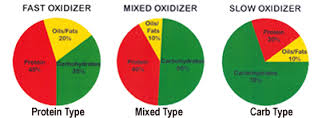
if your Personal Trainer London recommends you to do calorie counting This is completely pointless and can be very damaging to your body. Everybody’s body needs fats proteins carbohydrates when you starve yourself and eating less calories you can lose muscle as well as lose fat in Scotts opinion it’s so hard to gain muscle. You don’t want to do anything that will make you lose it most personal trainers are only qualified to give nutritional th this is why they say calorie a doctor will never say calorie counting because because they know the Deal problems it can cause This is why Scott uses the Metabolic typing diet because it looks at three different types which enables you to eat healthy food, not gain fat to lose fat and to help balance Hormones
There’s hundreds of courses out there online in person and in the classroom Scotts opinion after studying with the YMCA and the C.H.E.K Institute to become a Chek Practitioner takes over five years and over £30,000 in expenses so when you are booking a Chek Practitioner compared to Personal Trainer in London you’re getting somebody with very high knowledge good understanding, good anatomy and physiology understanding as well as how to work with athletes and how to understand, pain, control, breathing, thinking, and movement
Lower back pain Using holistic, Back Pain, how to exercise when you have lower back pain and pain Scott has been a personal train in London for over 25 years working with all different types of clients and one of specialities is working with Clients in pain With Lower Back Pain unfortunately when suffering with Lower Back Pain, this can come from many areas in our lifestyles like sitting incorrectly being on your phone too much TV height and workstations being incorrectly aligned for hours of work. This can contribute to Lower Back Pain. But when it comes to exercise, this is the subject becomes quite complex, simply because different diagnosis of different types of Back Pain need different types of exercise. Scott study with the C.H.E.K Institute in San Diego, California and has learnt many different techniques to get his clients out of pain Scott has studied scientific conditioning scientific Back training in which to understand Back Pain at a deeper level.
lower And the exercises you can do for individual types:
spondylitis Diss, herniation and sciatica Unfortunately, no one exercise fixes all Back Pain some people can have Lower Back Pain because of mental emotional problems or it can be just as simple as being dehydrated
How exercise can help With Lower Back Pain when you move your body in rhythmic movements and your fully hydrated this can help snail fluid to be released into spinal areas that have been linked to pain relief Even something is simple as walking and moving. Your body can dramatically reduce Lower Back Pain.
I get this question a lot. Can I exercise with Lower Back Pain?
Yes of course you can, but the higher level of Back Pain the Less exercises you need to have your exercise program. Many people do not understand, physiological in the body so the more physiological load you have the less you should exercise this is called the Less is more principal With Scott Clients, he does 150 assessments to find out exactly where the root calls of the Lower Back Pain is and designs bespoke program for his clients that guarantees pain reduction and getting back to sport or recreational activities. If your pain is from one to 10 and it’s at a 10, then you should only do one to 2 exercises but if your pain level is that a five you may get away with doing five exercises Doing Swiss ball exercises and functional training with his clients which teams do dramatically improve the body.
Exercises you can do when you’ve got Lower Back Pain can be walking resistance, training, Swiss ball, training light tai chi or chi gone and sometimes Yoga and Pilates but yoga and Pilates may cause more pain because they’re not functional in Scots opinion
Should you rest and not exercise if you have Lower Back Pain?
This can be quite quite a complex question because many people that have Lower Back Pain that sit around for too long have more and if they don’t exercise and keep the body structure strong they start to lose muscle. They’ve even found if somebody has an operation and they have too long before they start exercising they get atrophy of the muscle, so it’s vitally important in Scots opinion to get back to exercise as soon as possible, but do it with supervision with somebody that has deep knowledge and understanding of anatomy physiology and how the body works So Scott advises his clients to get back to exercise as quick as possible with a corrective exercise program that will not hurt you. It will heal you.
So is better to move and not rest for too long. If the pain level is a 20 then yes rest, but if your pain level is a 10 or a five then you must get back to exercise.
Exercises you should avoid if you have severe Lower Back Pain:
? Yes they’re certainly is no running no jogging no walking in for more than 20 minutes no sprinting or cycling. This can cause other issues and pain. Some people may feel a release of doing some of these exercises are stated above, but this could be because adrenaline is being released and they don’t feel it till after the exercise, and it may be worse
Weight lifting should not be avoided when you have Lower Back Pain. If you have good supervision from a master Personal Trainer like Scott to make sure you don’t make the situation worse if you don’t move your body and strengthen it how can you expect it to get better and put it to heal, your Lower Back Pain.
Should you wear a weightlifting belt:
when you have Lower Back Pain? Scott believes that you shouldn’t because you get century motor amnesia of the lower back muscles muscles you become weaker, and you become relying on the weight lifting belts strengthen your core to protect your back, but many personal trainers don’t understand that the back has to be strong as equally to the core and the inner unit. If the inner unit is weak, then the outer unit of the internal external obliques and rectus abdominis will be weak. In Scott, lower back exercise programs. He looks at every muscle in the body and test every muscle. In which to make sure they’re not long, weak short or tight. By doing an orthopaedic assessment. Or Or Chek assessment.
Diet and lifestyle. It’s just as important as exercise:
in which to relieve your body of Lower Back Pain. If you’re eating foods that are irritating your gut lining. This will irritate your lower back the same as if you’re not drinking enough water this will cause dehydration and for the spinal segments to be reduced in size in the lower back, which means they will rub together and cause more pain. The same as if you’re not hydrated enough or stretching enough, you will find that you have more pain.
Therapy like massage therapy after your lower back, workouts is highly important in which to help with the muscles recover protecting the spinal segments as the muscle recovers and get stronger and your body gets looser. Your pain level will go down.
Is it a good idea to see a physio:
100%? But some physios are not very good at designing exercise programs, specially, if they don’t regularly exercise themselves. Scott has worked with clients with exercise programs from physios. And masses reduced the amount of exercises. Client has to do because lots of physios study at university and study more about pathology and drugs to give to people that are in pain not so much functional exercise but if your physio has great exercise knowledge, and exercising themselves and has a track record and will recommend a good PT or Chek Practitioner when you’re on your way to success.
Does Lower Back Pain have a mental emotional element:
100%? Scott is Work with client grieving. And found that some clients are grieving, they have more pain throughout their body as they Go through the grieving process Scott uses holistic techniques in which to help them to overcome this quicker
The way you breathe, have anything to do with Lower Back Pain:
yes thousand percent if you have a breathing issue which Scott has been trained to assess and the muscles are not lengthening and shortening in breathing, this could be linked to Lower Back Pain And you would need to be released to be able to overcome or to improve your back pain
The way you sit at work or at home, can contribute to your lover, Back Pain Scott recommends his clients to get an orthopaedic chair and to look at the ergonomics in the office in which to help relieve pain Scott looks at every element of his clients lives to make sure nothing is missed out to help reduce Lower Back Pain
Lower Back Pain How To Exercise Battersea in London
Scott has been very successful with his clients with complex Back Pain issues using an holistic corrective exercise system Scott is worked with photographers movie stars traders bankers lawyers, people from all different walks of life Scott really loves his job of a passion has studied over 40 courses And he’s very passionate to help people with Lower Back Pain not to suffer anymore so if you would like to know more about Scott services, have a look through the website a and getting in contact today. Live chat phone or email. Scott is happy to talk. To you today.Call or live chat today on website.
Sciatica back pain treatment using corrective exercise
And Holistic Therapies techniques in London
To help you be pain-free for good
Lower Back Pain Fitness Specialist Trainer
Sciatica back pain can give you many different pain symptoms pain in the gluteus muscle lower back, running down the side of the lake bottom of the foot big toe and sometimes it’s there, and sometimes it’s not always there
Here’s some top tips to help you with sciatica pain
egenerative Disc Disease: As discs between the vertebrae age, they can lose their elasticity and cushioning ability. This can lead to disc-related problems that contribute to sciatic nerve irritation.
Piriformis Syndrome: The piriformis muscle, located in the buttocks, can sometimes spasm or tighten, irritating the nearby sciatic nerve. This can occur due to overuse, muscle imbalances, or trauma.
Sacroiliac Joint Dysfunction: Dysfunction or inflammation of the sacroiliac joint, which connects the spine to the pelvis, can cause referred pain along the sciatic nerve pathway.
Spondylolisthesis: This condition involves one vertebra slipping forward or backward in relation to an adjacent vertebra, potentially leading to nerve compression and sciatica.
Trauma or Injury: A direct injury to the lower back or buttocks area can result in sciatic nerve irritation or compression.
Tumors or Growth: Rarely, tumors or growths along the spine can compress the sciatic nerve and cause pain.
Pregnancy: Pressure from the growing uterus during pregnancy can sometimes lead to sciatic nerve compression and pain.
Obesity: Excess weight can contribute to increased pressure on the spine and sciatic nerve.
Poor Posture and Body Mechanics: Habitual poor posture, improper lifting techniques, and other body mechanics can strain the lower back and contribute to sciatic nerve irritation.
Muscle Imbalances: Weak or imbalanced muscles can lead to abnormal stress on the spine and nerves, potentially causing sciatica.
It’s important to note that sciatica is a symptom of an underlying problem rather than a diagnosis itself. If you are experiencing persistent lower back pain that radiates down the leg, it’s advisable to consult a healthcare professional for a proper diagnosis and treatment plan tailored to your specific situation.
1.Do you have too much lumber curve?
2. Are you overweight?
3. Do you have a weak core.
4. Do you have bad posture?
5. Have you not exercised for a long time?
5. Have you tried many physios Personal Trainer an osteopath and chiropractor and nothing has worked ?
10 Free Weight LOSS TIPS London
Exercise can definitely help with sciatica pain that you need the right type of exercise program designed uniquely for your body This is where I come in. I’m a Master Chek Practitioner with over 25 years experience are use a corrective holistic system in which to improve breathing posture, movement and nutrition in which to help your body, recover and strengthen from sciatica pain in my 25 years of experience, I’ve seen many people with the weaknesses from the above six questions i I can help you improve your posture, have better control in a unit help with flexibility and help you to understand what exercise is best for you you’re not only learn about exercise you will learn about the connection to diet and spine health I will take too many different take on that I’ve learnt over the years to help you overcome your sciatica, Back Pain, London for good so get in touch if you’re interested. Are you want to ge g get rid of your sciatica pan using the world renowned holistic system.
Exercise can be an effective way to manage sciatica and help alleviate its symptoms. However, it’s crucial to consult with a healthcare professional before starting any exercise routine, especially if you have severe or persistent pain. Here are some exercises that are commonly recommended for managing sciatica:
Pelvic Tilt (: Start on your hands and knees, and gently arch your back (cow pose) while inhaling. Then, round your back (cat pose) as you exhale. This helps to mobilize and stretch the spine.
Child’s Pose: From a kneeling position, sit back on your heels and extend your arms forward on the floor. This can help stretch the lower back and buttocks.
Knee-to-Chest Stretch: Lie on your back, bend one knee, and gently pull it toward your chest with both hands. Hold for 20-30 seconds and then switch legs. This helps stretch the lower back and buttocks muscles.
Piriformis Stretch: Lie on your back with both knees bent. Cross one ankle over the opposite knee, then gently pull the uncrossed leg towards your chest. You should feel a stretch in your buttocks area.
Hamstring Stretches: Tight hamstrings can contribute to sciatica. Sit on the floor with one leg extended and the other bent, sole of the foot against the inner thigh. Reach toward the extended foot, keeping your back straight. Switch legs.
Low-Impact Aerobic Exercise: Walking, swimming, or stationary cycling can help improve blood flow and reduce inflammation, which can alleviate sciatica symptoms.
Core Strengthening: Gentle core exercises can provide stability to the spine. Examples include pelvic tilts, bridges, and gentle abdominal contractions.
Yoga and Stretching: Gentle yoga poses that focus on flexibility, alignment, and relaxation can be helpful. Make sure to avoid poses that put strain on the lower back.
Water Therapy: Water aerobics or swimming can provide a low-impact way to exercise and stretch the muscles without putting excessive strain on the spine.
Sciatic Nerve Gliding Exercises: These exercises involve controlled movements of the leg and foot to help glide the sciatic nerve and reduce tension.
Remember, everyone’s condition is unique, so it’s important to start slowly and listen to your body. If any exercise exacerbates your pain, stop immediately. A physical therapist can help design a tailored exercise program based on your specific needs and limitations.
Additionally, maintaining good posture, avoiding prolonged sitting, and practicing proper body mechanics when lifting or bending can help prevent further irritation of the sciatic nerve.
Give Scott call for free chat about your lower back pain.


 Lower Your Handicap and increase drive