by Scott Bryant | May 7, 2024 | personal trainer
Find Inner Peace: Explore Mindfulness in London
10 steps to mindfulness

Mindfulness can be a great practice to reduce stress, anxiety, pain, and help you to enjoy your life. more Scott has been using mindfulness every day for the past 20 years to overcome stress anxiety. and to lower pain be less stressed in worrying times being in the moment or mindful meditation or mindful exercise or a walk can it really lower? Stress levels and cortisol levels. Which can help you to reduce body fat. The more we stay in the moment of the day. The more rewarding your day will be. The more you focus, on what you’ve got and be grateful, for what you’ve got the the more seems to come to you in a magical way mindfulness has been scientifically proven to dramatically improve your health and your mental emotional state and can help you heal your mind and body when going through stressful times it can take time to learn but it’s not difficult the more you focus in the moment the the more you give thanks the better you will feel enjoy reading my new blog.
mindfulness what is it and why use it What are the 5 steps of mindfulness? How to practice mindfulness What are the 4 Ts of mindfulness? How to do mindfulness for beginners?How to be mindful every day? How can I train my brain to be mindful?
Mindfulness is a mental practice of focusing one’s awareness on the present moment without judgment. It involves being fully engaged in whatever you are doing, whether it’s eating, walking, or simply breathing, and observing your thoughts, feelings, bodily sensations, and surrounding environment without getting caught up in them.
Here are some key aspects and steps of mindfulness:
- Definition: Mindfulness involves paying attention to the present moment, intentionally and non-judgmentally.
- Purpose: The practice of mindfulness can reduce stress, improve focus and concentration, enhance emotional regulation, and promote overall well-being.
- Five Steps of Mindfulness:
- Observe: Notice what is happening around you and within you.
- Describe: Put what you observe into words. Label thoughts, emotions, and sensations.
- Accept: Acknowledge your experiences without judgment. Allow yourself to feel whatever you’re feeling.
- Stay Present: Keep your focus on the present moment rather than dwelling on the past or worrying about the future.
- Engage Fully: Fully participate in your activities and interactions.
- The 4 Ts of Mindfulness:
- Toes: Feel your toes grounded.
- Tummy: Notice your breath in your tummy.
- Teeth: Gently touch your teeth together to remind yourself to relax your jaw.
- Tongue: Rest the tip of your tongue against the roof of your mouth to prevent excess saliva.
- How to Practice Mindfulness for Beginners:
- Start with short sessions: Begin with just a few minutes of mindfulness practice each day and gradually increase the duration.
- Focus on the breath: Pay attention to the sensation of your breath as it enters and leaves your body.
- Use guided meditation: Guided mindfulness meditation can provide structure and support for beginners.
- Be patient and kind to yourself: Mindfulness is a skill that takes time to develop, so be patient with yourself as you learn.
- How to Be Mindful Every Day:
- Integrate mindfulness into daily activities: Practice mindfulness while eating, walking, or doing household chores.
- Set reminders: Use alarms or reminders on your phone to prompt you to take mindful breaks throughout the day.
- Practice gratitude: Take a moment each day to reflect on what you’re grateful for.
- Be mindful of media consumption: Pay attention to how much time you spend on screens and how it affects your mood and attention.
- Training Your Brain to Be Mindful:
- Regular practice: Consistent mindfulness practice can strengthen neural pathways associated with awareness and attention.
- Mindful activities: Engage in activities such as meditation, yoga, or tai chi that promote mindfulness.
- Cultivate self-compassion: Be kind and compassionate toward yourself, especially when you find your mind wandering during mindfulness practice.
By incorporating mindfulness into your daily routine and practicing regularly, you can train your brain to be more present, focused, and compassionate

Mindfulness can be beneficial for a variety of health issues and conditions. Some of the main areas where mindfulness has been shown to be helpful include:
- Stress Reduction: Mindfulness practices can help reduce stress by promoting relaxation, increasing awareness of stress triggers, and enhancing coping mechanisms.
- Anxiety Disorders: Mindfulness-based interventions have been found to be effective in reducing symptoms of anxiety disorders, including generalized anxiety disorder, social anxiety disorder, and panic disorder.
- Depression: Mindfulness-based therapies, such as Mindfulness-Based Cognitive Therapy (MBCT), have been shown to be effective in preventing relapse in individuals with recurrent depression and reducing symptoms of depression.
- Chronic Pain Management: Mindfulness meditation has been shown to be effective in managing chronic pain conditions such as fibromyalgia, lower back pain, and migraines by helping individuals develop a different relationship with their pain sensations.
- Sleep Disorders: Mindfulness practices can improve sleep quality and help individuals with insomnia by promoting relaxation and reducing rumination and worry that can interfere with sleep.
- Addiction Recovery: Mindfulness-based interventions have been incorporated into addiction treatment programs to help individuals develop greater awareness of cravings, cope with triggers, and cultivate healthier coping strategies.
- Blood Pressure Regulation: Some research suggests that mindfulness practices may help lower blood pressure and reduce the risk of cardiovascular disease by promoting relaxation and stress reduction.
- Immune Function: There is emerging evidence suggesting that mindfulness practices may have positive effects on immune function, potentially enhancing immune response and reducing inflammation.
- Emotional Regulation: Mindfulness can help individuals become more aware of their emotions, allowing them to respond more skillfully to difficult emotions and regulate their mood more effectively.
- Cognitive Functioning: Mindfulness practices have been associated with improvements in cognitive functions such as attention, memory, and executive function, potentially benefiting individuals with conditions such as ADHD or age-related cognitive decline.
It’s important to note that while mindfulness can be beneficial for many people and conditions, it is not a replacement for professional medical or mental health treatment. It’s always a good idea to consult with a healthcare provider or mental health professional if you have specific health concerns or conditions.

Yes, mindfulness can be helpful in managing various types of pain, both acute and chronic. Here’s how mindfulness can help with pain management:
- Changing Perception of Pain: Mindfulness involves observing sensations without judgment. By practicing mindfulness, individuals can change their relationship with pain, viewing it as a sensation rather than a threat. This shift in perception can reduce the emotional distress often associated with pain.
- Reducing Pain Intensity: Studies have shown that mindfulness meditation can reduce the perception of pain intensity. By increasing awareness of bodily sensations and practicing non-reactivity, individuals may experience a decrease in the intensity of their pain.
- Enhancing Coping Skills: Mindfulness practices can help individuals develop effective coping strategies for dealing with pain. By cultivating acceptance and non-reactivity to pain sensations, individuals can learn to tolerate discomfort more effectively and manage their pain-related distress.
- Improving Emotional Regulation: Pain can often be accompanied by emotional distress such as anxiety, depression, or frustration. Mindfulness can help individuals regulate their emotions by increasing awareness of emotional responses and developing healthier ways of coping with them.
- Promoting Relaxation: Mindfulness practices, such as deep breathing or body scan meditation, promote relaxation responses in the body, which can help reduce muscle tension and alleviate pain symptoms.
- Enhancing Pain Acceptance: Mindfulness encourages acceptance of present-moment experiences, including pain. Rather than resisting or fighting against pain, individuals learn to acknowledge and accept it as part of their current experience, which can reduce suffering associated with pain.
- Improving Quality of Life: By reducing pain intensity, enhancing coping skills, and promoting emotional well-being, mindfulness can ultimately improve the overall quality of life for individuals living with chronic pain conditions.
While mindfulness can be a valuable tool for managing pain, it’s essential to approach it as part of a comprehensive pain management plan that may include medical treatment, physical therapy, and other interventions tailored to individual needs. Additionally, it’s advisable to learn mindfulness practices under the guidance of a trained instructor, especially when dealing with chronic pain or other medical conditions

Mindfulness practices can be beneficial for individuals struggling with sleep disorders such as insomnia. Here’s how mindfulness can help with sleep issues:
- Stress Reduction: Mindfulness techniques promote relaxation and reduce stress, which can be significant contributors to sleep difficulties. By practicing mindfulness, individuals can learn to calm their minds and bodies, making it easier to fall asleep and stay asleep.
- Cognitive Relaxation: Mindfulness meditation involves focusing attention on the present moment and observing thoughts without judgment. This practice can help individuals let go of rumination and worry, which are common obstacles to falling asleep.
- Enhanced Sleep Quality: Research suggests that mindfulness practices can improve sleep quality by increasing total sleep time, reducing nighttime awakenings, and enhancing overall sleep efficiency.
- Reduced Sleep-Onset Latency: Mindfulness meditation can shorten the time it takes to fall asleep, known as sleep-onset latency, by promoting relaxation and reducing hyperarousal.
- Mindful Breathing: Techniques such as mindful breathing, where individuals focus on the sensation of their breath, can serve as a calming anchor to ease into sleep and promote relaxation.
- Body Scan Meditation: Body scan meditation involves systematically focusing attention on different parts of the body, relaxing each area progressively. This practice can help release physical tension and prepare the body for sleep.
- Mindful Movement: Gentle movement practices such as yoga or tai chi can incorporate mindfulness and relaxation techniques that promote better sleep.
- Stress-Related Sleep Disorders: For individuals whose sleep disturbances are primarily stress-related, mindfulness-based stress reduction (MBSR) programs have been shown to be effective in improving sleep quality and reducing insomnia symptoms.
- Improved Daytime Functioning: By promoting better sleep, mindfulness practices can also enhance daytime functioning, including mood, cognitive performance, and overall well-being.
It’s important to note that while mindfulness can be helpful for improving sleep, it’s not a quick fix and may require consistent practice over time to see significant results. Additionally, individuals with severe or chronic sleep disorders should consult with a healthcare professional for comprehensive evaluation and treatment recommendations. Mindfulness practices can complement other strategies for managing sleep issues, such as maintaining a consistent sleep schedule, creating a relaxing bedtime routine, and addressing underlying medical or psychological factors contributing to sleep disturbances.
Here is some more of Scott blogs.
- 7 Best Ways Maximise Gym Workout Performance Fast Battersea
- Transform Your Body with Our Weight Loss Training Program
- Walking Your Way To Peak Health And Fitness London
- Life Coaching With Fitness Coaching Nutrition Lifestyle Coaching
- Fit and Functional Strength Training in London

Best online Personal Trainer Scott Bryant
Participating in a mindfulness session with Scott Bryant offers numerous benefits for your mental, emotional, and physical well-being. Here’s why you should consider doing a mindfulness session with Scott Bryant:
- Stress Reduction: Mindfulness practices, such as meditation and deep breathing exercises, have been shown to reduce stress levels and promote relaxation. By participating in a mindfulness session with Scott Bryant, you can learn practical techniques to calm your mind, soothe your nervous system, and manage stress more effectively.
- Improved Focus and Concentration: Mindfulness exercises help train your brain to focus on the present moment, enhancing your ability to concentrate and stay focused on tasks. Scott Bryant can guide you through mindfulness techniques that sharpen your attention and increase your productivity in both work and daily life.
- Emotional Regulation: Mindfulness practices cultivate emotional awareness and regulation, allowing you to respond to life’s challenges with greater clarity and equanimity. Through guided mindfulness sessions with Scott Bryant, you can learn to observe your thoughts and emotions without judgment, leading to greater emotional resilience and well-being.
- Enhanced Self-Awareness: Mindfulness encourages self-reflection and introspection, deepening your understanding of yourself and your inner experiences. Scott Bryant can facilitate mindfulness exercises that increase self-awareness, helping you identify patterns of thought and behavior that may be holding you back or causing distress.
- Better Sleep Quality: Mindfulness techniques have been shown to improve sleep quality and alleviate insomnia symptoms. Scott Bryant can teach you relaxation exercises and mindfulness practices that promote restful sleep and help you unwind before bedtime, leading to more restorative and rejuvenating sleep.
- Pain Management: Mindfulness has been found to be effective in managing chronic pain and discomfort by shifting your relationship to pain and reducing its perceived intensity. Scott Bryant can guide you through mindfulness-based pain management techniques that help you cope with physical discomfort and improve your quality of life.
- Increased Resilience: Regular mindfulness practice strengthens your resilience to life’s ups and downs, helping you bounce back from setbacks and challenges with greater ease. By incorporating mindfulness into your routine with Scott Bryant’s guidance, you can cultivate a sense of inner strength and stability that supports you through difficult times.
- Overall Well-Being: Mindfulness is associated with numerous benefits for overall well-being, including improved mood, increased happiness, and greater life satisfaction. By participating in mindfulness sessions with Scott Bryant, you can enhance your overall quality of life and experience greater peace, joy, and fulfillment.
In conclusion, participating in a mindfulness session with Scott Bryant offers a wealth of benefits for your mental, emotional, and physical health. From stress reduction and improved focus to enhanced self-awareness and better sleep quality, mindfulness practices can profoundly transform your life for the better. With Scott Bryant’s guidance and expertise, you can cultivate a mindfulness practice that supports your well-being and helps you thrive in all areas of life.

by Scott Bryant | Apr 28, 2024 | personal trainer
Harmonise Your Chakras: Energy
Chakras & Energy Balance Personal Training in London – Mind, Body & Spirit with Scott Bryant
Achieve total wellness with Scott Bryant, London’s only personal trainer blending advanced fitness coaching with chakra energy balancing. Through breathwork, movement, and spiritual alignment, Scott helps restore harmony to your body, mind, and energy system—so you can feel stronger, lighter, and fully alive. This isn’t just training; it’s transformation from the inside out.
Balance Through Exercise and Sound Healing

We balance all of you
Chakra and energy healing combining it with Personal fitness Training Paul Chek in San Diego, California was the first to put Zone exercises which are for chakra rebalancing exercises Added to your fitness training system when the the chakras are misaligned it can affect everything from mental emotional to spiritual and physical elements in the body. Paul was the first one. To include chakra energy rebalancing into a physical fitness exercise program. studied by many pt around the world Scott has studied the Chek approach and he’s is a master Paul Practitioner Scott offered to his clients posture and core strengthening and lower back pain rehab using this cutting edge system he learnt in San Diego California over 13 years ago to become a Paul Chek certified Chek Practitioner takes six years. of study of not just looking at exercise but looking at the spiritual connected to physical and emotional side of the body in which the rebalance it all including tai chi exercise physical exercise for sports performance this program is very in-depth and looks at the body from the inside out not just looking at your chakra but looking at mental emotional blockages as well as nutrition that can cause physical and emotional imbalance read more of Scott blog.
Chakras are energy centres within the human body, according to traditional Indian and yogic beliefs. There are generally considered to be seven main chakras, each located along the spine, from the base to the crown of the head. Here’s a brief overview of each:
- Root Chakra (Muladhara): Located at the base of the spine, this chakra is associated with survival instincts, grounding, and stability.
- Sacral Chakra (Swadhisthana): Positioned just below the navel, this chakra is related to emotions, creativity, and sexual energy.
- Solar Plexus Chakra (Manipura): Located in the upper abdomen, this chakra governs personal power, self-esteem, and confidence.
- Heart Chakra (Anahata): Found in the center of the chest, this chakra is associated with love, compassion, and relationships.
- Throat Chakra (Vishuddha): Positioned at the throat, this chakra relates to communication, self-expression, and speaking one’s truth.
- Third Eye Chakra (Ajna): Located between the eyebrows, this chakra is linked to intuition, wisdom, and insight.
- Crown Chakra (Sahasrara): Positioned at the top of the head, this chakra is associated with spiritual connection, consciousness, and enlightenment.
Sound and crystal healing are holistic practices that aim to balance the chakras and promote overall well-being. Here’s how they work:
Rebalance your Chakras Energy in nature
Sure, let’s delve a bit deeper into the correspondence between each chakra and its associated body parts:
- Root Chakra (Muladhara): This chakra resonates with the base of the spine, legs, feet, and bones. It’s primarily associated with issues related to survival, security, and stability.
- Sacral Chakra (Swadhisthana): Located just below the navel, the sacral chakra influences the reproductive organs, lower abdomen, hips, and lower back. It’s linked to emotions, creativity, and sexuality.
- Solar Plexus Chakra (Manipura): Positioned in the upper abdomen area, the solar plexus chakra governs the digestive system, stomach, liver, gallbladder, and adrenal glands. It’s associated with personal power, self-esteem, and confidence.
- Heart Chakra (Anahata): Found in the center of the chest, the heart chakra influences the heart, lungs, chest, thymus gland, and circulatory system. It’s connected to love, compassion, and relationships.
- Throat Chakra (Vishuddha): Located at the throat area, the throat chakra resonates with the throat, neck, thyroid gland, jaw, mouth, and vocal cords. It’s associated with communication, self-expression, and speaking one’s truth.
- Third Eye Chakra (Ajna): Positioned between the eyebrows, the third eye chakra influences the brain, eyes, pituitary gland, and nervous system. It’s linked to intuition, insight, and perception.
- Crown Chakra (Sahasrara): Situated at the top of the head, the crown chakra governs the brain, pineal gland, and the entire central nervous system. It’s associated with spirituality, consciousness, and enlightenment.
These connections illustrate the holistic approach of chakra theory, where each energy center is believed to not only influence specific physical areas but also have profound effects on emotional, mental, and spiritual aspects of our being. Balancing and aligning these chakras is thought to promote overall health and well-being on multiple levels.
In traditional chakra systems, each chakra is associated with a specific color that is believed to correspond to its energy and function. Here’s a breakdown of the colors associated with each chakra and their connection to various body parts:
- Root Chakra (Muladhara): The color associated with the root chakra is red. This color is thought to resonate with the base of the spine, legs, feet, and the adrenal glands.
- Sacral Chakra (Swadhisthana): The sacral chakra is associated with the color orange. This color is linked to the reproductive organs, lower abdomen, hips, and the sacral plexus.
- Solar Plexus Chakra (Manipura): Yellow is the color associated with the solar plexus chakra. It resonates with the digestive system, stomach, liver, gallbladder, and the solar plexus region.
- Heart Chakra (Anahata): The heart chakra is associated with the color green, although sometimes it’s also associated with pink. Green is linked to the heart, lungs, chest, thymus gland, and circulatory system.
- Throat Chakra (Vishuddha): The color associated with the throat chakra is blue. This color resonates with the throat, neck, thyroid gland, jaw, mouth, and vocal cords.
- Third Eye Chakra (Ajna): Indigo or deep blue is the color associated with the third eye chakra. This color is linked to the brain, eyes, pituitary gland, and the entire central nervous system.
- Crown Chakra (Sahasrara): The crown chakra is associated with the color violet or white. These colors resonate with the brain, pineal gland, and the spiritual connection to higher consciousness.
The use of colors in association with the chakras is believed to help balance and harmonize the energy centers, promoting overall well-being and spiritual growth. Practices such as visualization, meditation, and working with colored objects or lights are often used to stimulate and balance the chakras through their corresponding colors.
The belief in chakras and their role in healing is deeply rooted in various spiritual and holistic traditions, particularly within Eastern philosophies like Hinduism and Buddhism. While scientific evidence supporting the existence of chakras is limited, many people find value in chakra-based practices for promoting overall well-being and addressing physical, emotional, and spiritual concerns. Here are some ways in which chakras are believed to contribute to healing:
- Energy Balance: According to chakra theory, each chakra is associated with specific qualities and functions related to different aspects of life, such as physical health, emotions, and spiritual growth. By working to balance the energy flow within the chakras, it’s believed that one can achieve greater harmony and equilibrium in all aspects of their being.
- Emotional Healing: Chakra imbalances are thought to manifest as emotional or psychological issues. For example, an imbalance in the heart chakra may lead to feelings of loneliness or a lack of compassion, while an imbalance in the throat chakra might result in difficulty expressing oneself. By addressing these imbalances through chakra-based practices, individuals may experience emotional healing and a greater sense of well-being.
- Physical Well-being: Some proponents of chakra healing suggest that imbalances in the chakras can manifest as physical ailments or discomfort. By restoring balance to the chakras, it’s believed that one can alleviate physical symptoms and support the body’s natural healing processes. However, it’s essential to note that chakra healing should not be used as a substitute for conventional medical treatment but rather as a complementary approach to holistic wellness.
- Spiritual Growth: Chakras are often viewed as pathways for spiritual growth and self-realization. Practices such as meditation, yoga, and energy work are believed to help open and align the chakras, allowing individuals to connect more deeply with their inner selves and the divine.
While there may be anecdotal evidence and personal experiences supporting the effectiveness of chakra healing, it’s essential to approach these practices with an open mind and a critical perspective. Additionally, individual results may vary, and what works for one person may not work for another. It’s always a good idea to consult with qualified practitioners and healthcare professionals when exploring holistic healing modalities like chakras

some think we have 7 Chakras but we have 8
Scientific evidence supporting the existence and efficacy of chakra healing:
The scientific evidence supporting the existence and efficacy of chakra healing is limited. Chakras are primarily a concept rooted in ancient spiritual and philosophical traditions, particularly within Hinduism and Buddhism. While many people find value in chakra-based practices for promoting holistic well-being, including emotional and spiritual growth, the scientific community generally regards chakras as a metaphorical or symbolic framework rather than a physical reality.
There is ongoing research in areas such as meditation, mindfulness, and energy medicine, which are often associated with chakra healing practices. Some studies have shown potential benefits of these practices for mental health, stress reduction, and pain management. However, the specific concept of chakras and their role in healing has not been extensively studied or validated through scientific methods.
It’s important to approach chakra healing and other complementary therapies with a critical mindset and to rely on evidence-based practices for addressing medical concerns. While chakra-based practices may offer benefits such as relaxation, stress relief, and a sense of well-being for some individuals,
1. Sound Healing: Sound healing uses vibrations produced by various instruments, such as singing bowls, tuning forks, or chanting, to resonate with the body’s energy centers. Each chakra is believed to have its own frequency, and exposing them to specific sounds can help restore balance and clear blockages. For example, a vibrating tuning fork or the soothing tones of a singing bowl can help stimulate energy flow and promote relaxation, which in turn can alleviate physical and emotional tension.
2. Crystal Healing: Crystals are believed to possess unique vibrations that can interact with the body’s energy field and promote healing. Different crystals are associated with specific chakras, and placing them on or near the corresponding chakra during meditation or therapy sessions is thought to help align and balance the energy centers. For instance, amethyst is often used to stimulate the crown chakra, while citrine is associated with the solar plexus chakra. Crystal healing practitioners believe that the energy emitted by these stones can help clear blockages and restore harmony to the chakras, leading to improved physical, emotional, and spiritual well-being.
While these practices have been embraced by many individuals as complementary therapies for holistic wellness, it’s important to note that their effectiveness may vary from person to person, and they are not substitutes for medical treatment. It’s always a good idea to consult with a healthcare professional before incorporating any new healing modalities into your wellness routine.

is there Chakras energy exercise:
Yes, there are various exercises and practices aimed at balancing and aligning the chakras to promote overall well-being and vitality. Here are a few examples of Chakra energy exercises:
- Meditation: Meditation is one of the most common practices used to balance and align the chakras. There are specific meditation techniques tailored to each chakra, focusing on visualization, breathwork, and mindfulness to stimulate and harmonize the energy centers.
- Yoga: Yoga poses, or asanas, can be used to target specific chakras and promote energy flow throughout the body. Certain yoga sequences are designed to activate and balance the chakras through physical postures, breath control, and relaxation techniques.
- Chanting and Mantras: Chanting specific sounds or mantras associated with each chakra is believed to resonate with the energy centers and facilitate healing. Each chakra has its own corresponding seed mantra (Bija mantra) that can be repeated during meditation or chanting practices.
- Breathwork: Pranayama, or yogic breathing exercises, can help regulate the flow of prana (life force energy) throughout the body and enhance the functioning of the chakras. Techniques such as alternate nostril breathing (Nadi Shodhana) and deep belly breathing can be used to cleanse and balance the energy centers.
- Visualization: Imagery and visualization techniques can be employed to focus attention on each chakra and visualize it as a spinning wheel of energy. Visualizing specific colors, symbols, or elements associated with each chakra can help activate and balance the energy centers.
- Crystal Healing: Crystals and gemstones are believed to possess unique energetic properties that can influence the chakras and promote healing. Placing crystals corresponding to each chakra on or around the body during meditation or relaxation can help balance and harmonize the energy centers.
These are just a few examples of Chakra energy exercises, and there are many other techniques and practices available. It’s important to explore different approaches and find what resonates best with you. Additionally, it’s recommended to learn from experienced practitioners or teachers and to approach these practices with an open mind and a spirit of curiosity
FAQ: Chakras & Energy Balance in Personal Training
❓What are chakras, and how do they relate to personal training?
✅ Chakras are energy centers in your body that influence your physical, mental, and emotional health. There are seven main chakras, each linked to different aspects of your well-being. Balancing these energy centers can help improve your fitness, enhance recovery, reduce stress, and boost your overall health.
As a holistic personal trainer in London, I integrate chakra awareness into workouts to help release blockages and improve energy flow, so you feel more balanced both inside and out.
❓How does chakra balancing affect my workout results?
✅ Chakra balancing can enhance workout performance by:
-
Aligning your energy, so you move with less resistance
-
Reducing emotional blocks that may hold you back from progress
-
Improving mental clarity, focus, and motivation during your training
-
Boosting energy levels and reducing fatigue
It’s not just about lifting weights—it’s about shifting your energy to achieve better results mind, body, and soul.
❓Can chakra imbalances impact my physical health or fitness goals?
✅ Yes. Each chakra corresponds to specific areas of the body and emotions. For example:
-
Root Chakra (Base of spine) – Issues here may lead to lower back pain, poor posture, or lack of stability in your workouts.
-
Solar Plexus Chakra (Upper stomach) – An imbalance might cause digestion issues or feelings of insecurity.
-
Heart Chakra (Chest) – When unbalanced, it can affect your cardiovascular health and emotional openness.
I address these energy imbalances through personalized exercises, mindful breathing, and other techniques that align with your chakras.
❓How do I know if my chakras are out of balance?
✅ Common signs of chakra imbalance include:
-
Persistent fatigue, low motivation, or anxiety
-
Chronic pain or tension in specific areas of the body
-
Difficulty focusing or staying committed to your fitness goals
-
Emotional stress or a sense of being “stuck”
If you’re feeling off-balance or struggling to reach your fitness goals, it may be worth exploring chakra balancing as part of your training.
❓What types of exercises help balance chakras?
✅ Exercises that support chakra balancing include:
-
Yoga and Tai Chi: These practices involve gentle movements and breathwork that open up the energy channels of the body.
-
Strength training: With a focus on posture and proper alignment, strength workouts can ground your root chakra and help release blockages.
-
Breathing techniques: Deep, focused breathing (like pranayama) can clear mental fog, ground energy, and activate chakras.
I integrate these movements into your workout plan, so your fitness journey also supports your energy flow.
❓Do you offer chakra balancing as part of personal training in London?
✅ Yes! As a holistic personal trainer in London, I offer chakra-balancing techniques alongside fitness coaching. We’ll work together to align your energy centers through movement, mindfulness, and breathwork, enhancing both your physical and emotional well-being.
❓How can energy healing improve my mental focus during workouts?
✅ Energy healing techniques can improve your focus and concentration by clearing distractions and bringing your mind into a state of calm. When you’re mentally present, your workouts become more effective, your motivation increases, and you’ll start seeing results faster. With chakra balancing, I help you connect deeper with your body and mind, enhancing your performance in the gym.
❓Is chakra balancing suitable for beginners?
✅ Absolutely! Chakra balancing isn’t just for advanced practitioners. It’s a great tool for anyone, regardless of fitness level. Whether you’re new to fitness or a seasoned athlete, incorporating energy balance techniques will help you feel more aligned, relaxed, and focused as you progress.
❓How long will it take to see the benefits of chakra balancing and energy work in my workouts?
✅ The benefits of chakra balancing are often felt immediately after a session. You may experience:
-
Increased energy
-
Better mental clarity
-
A sense of calm and relaxation
-
Improved physical performance
However, as with any training, consistency is key. The more you work on your energy balance, the more profound and lasting the results will be.
❓Can chakra balancing help with injury recovery or pain relief?
✅ Yes! Many clients report reduced pain and faster recovery from injuries after chakra balancing sessions. Energy work can help release muscle tension, improve circulation, and support the body’s natural healing process, enhancing your recovery time and helping you return to your fitness routine sooner.
Want to explore chakra balancing with personal training?
Ready to balance your energy and elevate your fitness? Book a Free Discovery Call with Scott Bryant today—London’s holistic personal trainer. Let’s create a customized fitness plan that aligns your chakras and energizes your body and mind!

by Scott Bryant | Apr 24, 2024 | personal trainer
Breaking Free: Overcoming Addiction Food, and Exercise
Exercises a drug or choice for many but many don’t realise they’re totally addicted until they get an injury I’ll have to have a layoff because of illness won’t connect their addiction to exercise or addiction to overworking and doing too much to test somebody if they got exercise addiction just ask them how many days a week they work out if they work out more than four times a week this is definitely exercise addiction in my opinion in the fitness industry, unfortunately there’s lots of addictive people not only addicted to anabolic injury but addicted to overtrading to try and get relief from mental emotional issues. The same with food addiction is huge with 45%. of the UK still obese the same as 25 years ago when I first started in the fitness industry saw drug addiction with trainers addicted to cocaine and going in and popping pills really sad to see this when they’re supposed to be exercise and health professionals but I know Back in the 90s many doctors nurses and other professionals MPs will pop in pills and raving in a field so now I believe the exercise addiction is an all-time high with the explosion of gym and people that don’t know how to exercise properly people are seriously misinformed by the media as well as Personal Trainer pushing more more more when most people need less less less so I look at a person‘s body from a physiological point of view the more you have the less you need to do so if you’re overly stressed and overly tired and overtraining this will cause more the same but if you do the Less principal 15 minutes of exercise 2 to 3 to 4 times a week you will see overtime your energy your strength and muscle will improve overtime. The human body is more complex than a car engine. And many trainers do not study. And six year degree on the human body like a doctor Which I think is needed in all gyms to stop the injury rate and people trashing their hormonal systems through over Training food addiction is that all time high with sugar being added to Meat with with sugar being the most addictive drug on the planet but with sugar it only takes you four days to withdraw but to keep off sugar and sweet foods can be hard because it takes mental strength and controlled to kick the habit people comfort eat and this is why obesity is all-time high in the UK one lack of education too much process Food and 3 not enough of the right exercise Scott has been a personal trainer25 years and master Paul Chek Practitioner level 5 in London for over 14 years I hope you enjoy this blog on exercise and food addiction.
Addiction to drugs, alcohol, food, exercise, or any other behavior stems from complex interplays of psychological, biological, and environmental factors. Here’s a breakdown:
- Psychological Factors: People may use substances or engage in certain behaviors as a way to cope with stress, anxiety, depression, or other mental health issues. These substances or behaviors provide temporary relief, which can lead to dependency over time.
- Biological Factors: Some individuals may be genetically predisposed to addiction due to variations in their brain chemistry. For example, certain neurotransmitters like dopamine, which are involved in pleasure and reward pathways, can influence addictive behaviors.
- Environmental Factors: Social and environmental factors, such as peer pressure, trauma, access to substances, and cultural norms, can also contribute to addiction. For instance, growing up in an environment where substance use is prevalent may increase the likelihood of developing an addiction.
To overcome addictive behaviors, it’s essential to address these underlying factors and adopt a comprehensive approach:
- Seek Professional Help: Consider consulting with a therapist, counselor, or addiction specialist who can provide personalized support and guidance. They can help you understand the root causes of your addiction and develop coping strategies.
- Support Groups: Joining support groups like Alcoholics Anonymous (AA), Narcotics Anonymous (NA), or Overeaters Anonymous (OA) can provide a sense of community and solidarity with others who are facing similar challenges.
- Healthy Coping Mechanisms: Learn healthier ways to cope with stress and negative emotions, such as practicing mindfulness, engaging in hobbies, exercising, or spending time with supportive friends and family.
- Lifestyle Changes: Make changes to your lifestyle to reduce triggers and temptations. This might involve avoiding environments where substance use is common, finding new social activities, or establishing a structured daily routine.
- Medication-Assisted Treatment: In some cases, medication may be prescribed to help manage withdrawal symptoms or reduce cravings. This approach is often used in conjunction with therapy and other forms of support.
- Self-Care: Prioritize self-care activities such as getting enough sleep, eating a balanced diet, and exercising regularly. Taking care of your physical and mental well-being can strengthen your resilience and reduce the likelihood of relapse.
- Set Realistic Goals: Recovery is a journey, and it’s important to set realistic goals and celebrate small victories along the way. Be patient with yourself and understand that setbacks are a normal part of the process.
Ultimately, overcoming addiction requires commitment, perseverance, and a willingness to seek help when needed. It’s important to remember that recovery is possible, and there are resources and support available to assist you on your journey.

Why dose some one get Addiction to exercise:
Exercise addiction, also known as compulsive exercise or exercise dependence, is a condition characterized by an obsessive preoccupation with exercise and an inability to control or reduce exercise behaviors despite negative consequences. While exercise is generally considered a healthy behavior, certain individuals may develop an unhealthy relationship with exercise that resembles addiction. Here are some reasons why someone might develop an addiction to exercise:
- Neurobiological Factors: Like other addictive behaviors, exercise addiction involves changes in brain chemistry and reward pathways. Exercise stimulates the release of endorphins and other neurotransmitters associated with pleasure and reward, such as dopamine. Over time, individuals may become dependent on these neurochemical responses, leading to compulsive exercise behaviors.
- Psychological Factors: Some individuals may use exercise as a way to cope with stress, anxiety, depression, or other psychological issues. Exercise can provide a temporary escape from negative emotions and serve as a coping mechanism. However, if exercise becomes the primary means of coping and individuals feel unable to function without it, it may indicate an unhealthy dependence.
- Body Image Concerns: People who are overly concerned with their appearance or body image may engage in excessive exercise in an attempt to control their weight or shape. This can lead to a cycle of compulsive exercise driven by a fear of gaining weight or dissatisfaction with one’s body.
- Personality Traits: Certain personality traits, such as perfectionism, competitiveness, and a tendency towards obsession or compulsivity, may predispose individuals to develop exercise addiction. These traits can drive individuals to push themselves beyond their limits and engage in excessive exercise even when it’s detrimental to their health.
- Social and Environmental Factors: Peer pressure, societal norms, and cultural influences can also play a role in the development of exercise addiction. In environments where exercise is highly valued or celebrated, individuals may feel pressure to conform to unrealistic standards and push themselves to extremes.
- Previous History of Addiction: Some individuals who have a history of addiction to substances may be more susceptible to developing addictive behaviors in other areas, including exercise.
It’s important to note that not everyone who exercises frequently or vigorously has an exercise addiction. Exercise addiction is diagnosed when exercise behaviors become compulsive, interfere with daily functioning, and lead to negative consequences such as physical injury, social isolation, or neglect of other responsibilities.
Treatment for exercise addiction typically involves a combination of therapy, support groups, and behavioral interventions aimed at addressing underlying psychological issues, modifying unhealthy exercise behaviors, and promoting balance and moderation in physical activity.

What are the signs of exercise Addiction:
Exercise addiction, also known as compulsive exercise or exercise dependence, is a condition characterized by an unhealthy and obsessive preoccupation with exercise that interferes with daily life and overall well-being. Here are some signs and symptoms that may indicate exercise addiction:
- Exercising despite injury or illness: Continuing to exercise even when injured or sick, ignoring pain or discomfort, and risking further harm to the body.
- Obsessive thoughts about exercise: Constantly thinking about exercise, planning workouts excessively, and feeling anxious or guilty when unable to exercise.
- Prioritizing exercise over other responsibilities: Neglecting important commitments such as work, school, or social activities in order to exercise.
- Increasing exercise frequency and intensity: Gradually increasing the frequency, duration, or intensity of workouts in an attempt to achieve a “high” or sense of accomplishment.
- Difficulty cutting back or taking breaks: Feeling unable to reduce exercise volume or intensity, even when advised by a doctor or experiencing negative consequences.
- Withdrawal symptoms: Experiencing withdrawal symptoms such as irritability, anxiety, or depression when unable to exercise.
- Negative impact on relationships: Experiencing conflicts with family or friends due to excessive exercise or spending less time with loved ones in order to prioritize workouts.
- Continued exercise despite physical harm: Ignoring physical warning signs such as fatigue, overtraining syndrome, or muscle strain, and continuing to exercise excessively.
- Using exercise as a coping mechanism: Using exercise as the primary way to cope with stress, anxiety, depression, or other emotional issues, and feeling unable to function without it.
- Body image concerns: Exercising excessively in order to control weight or shape, and experiencing distress or dissatisfaction with one’s body despite achieving fitness goals.
It’s important to note that occasional intense workouts or a dedicated fitness routine do not necessarily indicate exercise addiction. However, if exercise becomes the primary focus of life to the detriment of physical and mental health, it may be a sign of a problem. If you or someone you know is experiencing symptoms of exercise addiction, seeking professional help from a therapist, counselor, or healthcare provider is recommended.

What is bigorexia:
“Bigorexia,” also known as muscle dysmorphia or muscle dysphoria, is a psychological condition characterized by an obsessive preoccupation with muscularity and a distorted body image. Individuals with bigorexia often perceive themselves as being inadequately muscular, regardless of their actual size or level of muscular development. They may engage in excessive exercise, strict dietary regimens, and the use of supplements or performance-enhancing drugs in an attempt to achieve their desired muscular physique.
Some common signs and symptoms of bigorexia include:
- Excessive exercise: Spending long hours at the gym, training intensely, and feeling anxious or guilty when unable to work out.
- Obsessive focus on body image: Constantly checking one’s appearance in mirrors, taking frequent photos, and feeling dissatisfied with muscular development despite significant gains.
- Strict dietary habits: Following rigid meal plans, counting calories/macros obsessively, and avoiding social situations where food choices may be limited.
- Use of supplements or steroids: Turning to performance-enhancing substances in an effort to accelerate muscle growth and achieve an ideal physique.
- Distorted body image: Seeing oneself as small or weak, despite objective evidence to the contrary, and comparing one’s body unfavorably to others.
- Social withdrawal: Avoiding social situations or activities that interfere with exercise or dietary routines, leading to isolation or strained relationships.
- Mood disturbances: Experiencing anxiety, depression, or irritability related to body image concerns and performance goals.
It’s important to note that bigorexia can have serious physical and psychological consequences, including increased risk of injury, disordered eating patterns, and negative impacts on mental health and overall well-being. Treatment for bigorexia typically involves therapy, counseling, and support groups to address underlying issues related to body image, self-esteem, and unhealthy exercise behaviors. If you or someone you know is struggling with bigorexia, seeking professional help from a qualified mental health provider is recommended.
Food addiction, also known as compulsive overeating or binge eating disorder, is a condition characterized by an unhealthy relationship with food. People who struggle with food addiction often experience a loss of control around food, compulsive eating behaviors, and feelings of guilt or shame after eating. Food addiction shares similarities with other forms of addiction, such as substance abuse, including cravings, tolerance, and withdrawal symptoms.
Here are some common signs and symptoms of food addiction:
- Compulsive Eating: Eating large amounts of food in a short period, even when not physically hungry, and feeling unable to stop or control the eating behavior.
- Preoccupation with Food: Constantly thinking about food, planning meals, or obsessing over food-related activities.
- Eating in Secret: Hiding food or eating in isolation to avoid judgment or scrutiny from others.
- Loss of Control: Feeling powerless to resist cravings or impulses to eat, especially when triggered by emotions or stress.
- Continued Eating Despite Negative Consequences: Eating to the point of discomfort, physical pain, or health problems, yet continuing to engage in the behavior.
- Using Food to Cope with Emotions: Turning to food as a way to numb or alleviate negative emotions such as stress, anxiety, sadness, or boredom.
- Withdrawal Symptoms: Experiencing physical or psychological withdrawal symptoms when attempting to cut back on certain foods, such as irritability, headaches, or intense cravings.
- Negative Impact on Life: Experiencing significant distress or impairment in social, occupational, or other important areas of functioning as a result of food-related behaviors.
It’s important to note that food addiction is a complex issue influenced by biological, psychological, and environmental factors. Genetics, neurobiology, upbringing, dieting history, and stress can all contribute to the development of food addiction.
Treatment for food addiction often involves a multidisciplinary approach, including therapy, nutrition counseling, support groups, and sometimes medication. Cognitive-behavioral therapy (CBT) and dialectical behavior therapy (DBT) are commonly used to address underlying psychological issues and develop healthier coping strategies. Additionally, learning mindful eating techniques and practicing self-care can help individuals manage food addiction and improve their relationship with food. If you believe you may be struggling with food addiction, seeking support from a qualified healthcare professional is recommended.
How long do take to withdraw for food or exercise addiction:
The duration and severity of withdrawal symptoms for food or exercise addiction can vary widely from person to person, depending on factors such as the severity of the addiction, individual physiology, psychological factors, and the presence of co-occurring conditions. Unlike withdrawal from substances like drugs or alcohol, withdrawal from food or exercise addiction may not always involve acute physical symptoms, but rather psychological and emotional challenges.
Here’s a general overview of what to expect during withdrawal from food or exercise addiction:
- Initial Withdrawal Period: During the initial phase of withdrawal, individuals may experience intense cravings, irritability, mood swings, anxiety, depression, and difficulty coping with emotions. This phase can vary in duration but may last anywhere from a few days to several weeks.
- Physical Symptoms: While physical withdrawal symptoms are less common with food or exercise addiction compared to substance addiction, some individuals may experience physical discomfort such as headaches, fatigue, digestive issues, or changes in sleep patterns.
- Psychological Challenges: Withdrawal from food or exercise addiction often involves psychological challenges such as feeling overwhelmed, experiencing a sense of loss or emptiness, and struggling to find alternative coping mechanisms.
- Relapse Risk: The risk of relapse is high during the withdrawal period, as individuals may find it difficult to resist the urge to engage in addictive behaviors, especially when faced with triggers or stressors.
- Gradual Improvement: Over time, withdrawal symptoms typically begin to diminish as individuals adjust to new routines, coping strategies, and healthier behaviors. However, it’s important to recognize that recovery from food or exercise addiction is often a gradual process that requires ongoing effort and support.
- Long-Term Maintenance: Even after the initial withdrawal period, individuals may continue to face challenges and temptations related to food or exercise addiction. Long-term maintenance of recovery involves developing sustainable habits, addressing underlying issues, and building a strong support network.
It’s important for individuals seeking to overcome food or exercise addiction to seek professional help and support from healthcare providers, therapists, support groups, and loved ones. A comprehensive treatment plan tailored to individual needs can help address withdrawal symptoms, develop coping strategies, and promote long-term recovery and well-being.

by Scott Bryant | Apr 17, 2024 | personal trainer
Lifestyle coach London Coaching, Fitness Coaching, and Nutrition & Lifestyle Coaching
Lifestyle Coach London – Scott Bryant helps you balance fitness, nutrition, and mindset for lasting health.
lifestyle coaching
Lifestyle coaching near me
Transform Your Lifestyle Today
Private lifestyle coaching near London

Lifestyle Coach London With Scott Bryant.
Lifestyle coaching Scott Bryant combines Shamanic Healing, personal fitness training, and nutrition and lifestyle coaching in London.
Do you feel lost in your life? Do you feel trapped in your career or life at the moment? Would you like to do a job you absolutely love? And know why you are meant to be here on our planet? Many people do a job because it’s money, not because they love it. But Scott will teach you empowering techniques to help you become mentally and physically strong. Scott uses a four-doctor system to help you achieve peak health. You can only achieve great things when you’re in great health. Scott has been helping clients for over 25 years achieve more than they ever thought possible.
Do you feel that you:
- Are lost in your life?
- Don’t know what to do for your career?
- Lack focus and drive?
- Overthink things?
- Have addictions?
- Have a disability?
- Are fat and overweight?
- Are full of self-doubt?
- Want to exercise but don’t know what’s best for you?
- Need someone who cares and will listen to you?
- Need a mentor to help you?
Then you’ve come to the right place: life coaching with personal Fitness Training, holistic nutrition lifestyle coaching, and shaman healing in London with Scott. Scott has been helping clients for over 25 years, working with pop stars, movie stars, athletes, photographers, lawyers, and everyone in between. His clients achieve more than they thought possible with A.B.S life coaching, and he can guarantee life-changing results. Madonna has even chatted about the benefits of yoga and weight training.
Scott has been working out his body and mind for over 32 years worldwide. He has studied in over 42 courses, is a master personal fitness trainer in London, a Certified Master Paul C.H.E.K Practitioner (Level 5) for 13 years, and is now working on becoming a master shaman.
Scott, a C.H.E.K. Practitioner (level 5) in London, has been featured on Breeze FM and the Guardian newspaper. He was the first practitioner to get this master’s qualification in the UK and has been an entrepreneur for over 25 years. Scott had his own battles in his 20s with drug addiction, homelessness, and dyslexia, but his motto is to never give up. Scott is self-educated and dedicated to
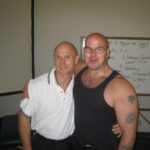
Scott Bryant with Paul C.H.E.K in San Diego, USA
a life of learning. He has read over 1007 books, done over 2.6K YouTube videos with over 4 million views, written three books, and published over 180 blogs on his website.Scott believes you can achieve if you can see it in your mind. If you believe in it, you can 100% achieve it— 100% guaranteed! Scott was lost in his own life, coming from a single-parent family and having dyslexia. He did not find the job he loved until age 30, and now, at 53, he knows 100% that he can help you with your needs, goals, and dreams. He can help you be more and do more in your life. If you follow his coaching advice, you will achieve more than you can imagine. But you need to be committed to his program for 12 months to get the results you deserve.
So, are you up for the challenge and life-changing results?
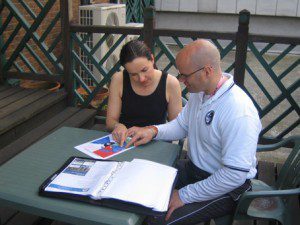
Lifestyle Coach London With Fitness Coaching Nutrition Lifestyle Coaching with Scott Bryant.

Lifestyle Coach London With Fitness Coaching Nutrition Lifestyle Coaching with Scott Bryant.
Life coaching can be beneficial for a variety of reasons. Here’s why you might consider it and how it can help improve your life:
- Clarity and Goal Setting: Sometimes, we may feel uncertain about our life’s direction or goals. A life coach can help you gain clarity on what you want to achieve and assist you in setting realistic and actionable goals.
- Accountability: It’s easy to let goals slip away when there’s no one holding you accountable. A life coach provides accountability and support to keep you on track toward your goals.
- Identifying Limiting Beliefs: Many times, beliefs or thought patterns hold us back from reaching our full potential. A life coach can help you identify these limiting beliefs and work to overcome them.
- Developing Confidence: Many people struggle with self-confidence, which can impact various areas of life. A life coach can help you build confidence by recognizing your strengths and working on areas of improvement.
- Improving Relationships: Whether personal or professional relationships, a life coach can help you navigate challenges, improve communication skills, and build healthier connections.
- Work-Life Balance: Balancing various aspects of life can be challenging. A life coach can help you prioritize your commitments, manage your time more effectively, and create a healthier work-life balance.
- Stress Management: Life can be stressful, and it’s important to have effective coping mechanisms. A life coach can teach you stress management techniques and help you develop resilience in the face of challenges.
- Exploring Career Paths: If you’re feeling stuck in your career or unsure about your professional direction, a life coach can help you explore different options, identify your strengths and passions, and make informed decisions about your career path.
- Personal Growth and Development: Life coaching is ultimately about personal growth and development. A life coach can provide guidance, support, and encouragement as you work toward becoming the best version of yourself.
- Overcome life’s hardships: Life coaching can help you get back to it and keep going forward.
Overall, life coaching can be valuable for anyone looking to make positive changes, overcome obstacles, and achieve their goals. It offers a supportive and empowering partnership that helps individuals unlock their full potential and live a more fulfilling life.
Most frequently asked questions about Fitness Coaching Nutrition Lifestyle Coaching:
Lifestyle coach With Fitness Coaching Nutrition Lifestyle Coaching near me:
Scott has been live coaching with his clients for personal fitness training with nutrition and lifestyle coaching For over 26 years With over 50 reviews of happy client From around the world and in London.
How to find a life coach and /mentor near me:
You can Google to find a good life coach, but really you have to go by Testimonials, word-of-mouth or Google reviews Scott Has over 30 reviews on Google and more than 50 on his website where he’s Been helping popstars celebrities photographers With life coaching with Personal Training and nutritional lifestyle coaching.
Spiritual coaching fitness Coaching Nutrition Lifestyle Coaching:
Scott Is a master Shaman Practitioner with many years of experience teaching his clients how to forgive their past to change the future and how to dream themselves into being?
Best Lifestyle Coach website:
Active Bryant fitness systems.com
Personal Lifestyle coach:
Scott will be your personal life coach looking at diet Lifestyle exercise nutrition And energy healing
Online Lifestyle coaching:
With Scott, you can do live coaching online anywhere in the world Scott would be happy to work with you to help you achieve your life results
Scott’s 12-Month Lifestyle Coaching Program Will Cover:
- How to set and achieve your goals
- How to keep going forward
- How to gain peak fitness strength performance
- How to overcome self-sabotage
- How to get rid of mind viruses
- How to overcome addiction, obesity, and disease
- How to use the four-doctor system
- How to find the job you love
- How to implement laser focus, no matter what’s going on
- How to conquer Google and build a business that makes you money even while asleep
- How to unblock spiritual blockages that may be stopping you from reaching peak success in your life
- And much, much more!
My husband and I are in the eighth week of training with Scott. He has completely changed our lives.
We moved from the US with the unhealthiest of lifestyles—working long hours with long commutes, perpetual sleep deprivation, high stress and anxiety, eating greasy and processed fast food, sugar, and other addictions, and no exercise. We knew we needed help. We wanted a 4th-level CHEK practitioner who was not tied to a specific gym and would accommodate our schedules by training us in our home. Scott was the trainer we chose. He approaches fitness holistically, focusing first on behavioural and psychological changes rather than barreling ahead with intense physical exertion. Scott designed a highly personalised program for us to establish proper diet, breathing, stretching, and other stress reduction techniques, as well as light and energising physical training. It is a strategy that works. I have lost 16 pounds and kicked the sugar, NSAID, and caffeine habits, finally reducing my anxiety. My husband has lost 20 pounds, has almost no back pain after ten years of agony, and is managing his stress effectively. In light of this progress, Scott is developing a new program for us, and we look forward to taking our fitness to the next level. As should be expected, this level of personalised service and attention does not come cheap. But the investment is worth it. Scott is worth it. If you have the means and are seriously committed to achieving optimum health, call Scott today.
Here are some of Scott’s blogs you will enjoy:
- 9 Health Fitness Tips For Sleep Diet And Lifestyle London
- 20 Ways To Achieve Your Goals Fat Loss Fitness Goals In 2024
- Life Coaching With Fitness Coaching Nutrition Lifestyle Coaching
- Aging Well: Keep Strong to Keep Fit and Young, Battersea
- Supplements Do We Really Need Them London
- Shamanic Healing and Personal Trainer Near Battersea, London
Lifestyle Coaching and Fitness Coaching London
Choosing Scott Bryant as your life coach can be an incredibly rewarding and transformative experience. Here are several reasons why Scott Bryant is an ideal choice for life coaching:
- Holistic Approach: Scott Bryant takes a holistic approach to life coaching, addressing all areas of your life, including career, relationships, health, personal growth, and fulfillment. He helps you identify your core values, strengths, and goals and works with you to create a balanced and fulfilling life aligned with your true desires.
- Personalized Guidance: Scott Bryant understands that every individual is unique, with their own set of challenges, aspirations, and circumstances. He provides personalized guidance and support tailored to your specific needs, preferences, and goals, ensuring you receive the individualized attention and assistance you deserve.
- Clarity and Direction: As your life coach, Scott Bryant helps you gain clarity and direction in your life. He assists you in identifying your passions, purpose, and priorities and guides you in creating a clear vision for your future. With Scott’s support, you can overcome obstacles, make empowered decisions, and take meaningful steps toward achieving your goals.
- Accountability and Motivation: Scott Bryant is your accountability partner and motivator, helping you stay focused, committed, and accountable to your goals. He provides encouragement, support, and constructive feedback to keep you on track and motivated, even when faced with challenges or setbacks.
- Overcoming Limiting Beliefs: Scott Bryant helps you identify and overcome limiting beliefs and self-doubt that may be holding you back from reaching your full potential. Through powerful coaching techniques and mindset shifts, he empowers you to break free from negative thought patterns and cultivate a mindset of confidence, resilience, and possibility.
- Personal Growth and Development: Scott Bryant is passionate about personal growth and development and supports you in becoming the best version of yourself. He provides tools, strategies, and resources to help you enhance your self-awareness, build emotional intelligence, and develop the skills and habits needed to thrive in all areas of your life.
- Support During Transitions: Whether you’re navigating a career change, relationship transition, or major life transition, Scott Bryant provides invaluable support and guidance to help you navigate the challenges and uncertainties with confidence and grace. He helps you embrace change, adapt to new circumstances, and create a life aligned with your values and aspirations.
- Positive and Empathetic Coaching Style: Scott Bryant’s coaching style is characterized by positivity, empathy, and genuine care for your well-being. He creates a safe and supportive coaching environment where you feel heard, understood, and valued, allowing you to explore your deepest desires, fears, and aspirations with honesty and vulnerability.
In conclusion, choosing Scott Bryant as your life coach offers a transformative and empowering journey of self-discovery, growth, and fulfillment. With his holistic approach, personalized guidance, clarity and direction, accountability and motivation, support in overcoming limiting beliefs, focus on personal growth and development, assistance during transitions, and positive and empathetic coaching style, Scott Bryant is the ideal partner to help you create a life that is rich in purpose, passion, and joy.
Scott’s unique Lifestyle coaching program costs
for two hours a week for 12 months. £40,280 This payment needs to be upfront so you can show Scott that you are committed to the program and that you really want success and to get your life back on track.
Call now On 07352316943 or live chat on the website!